Enriqueta Martí was arrested in Barcelona on February 27, 1912, after police found a missing five-year-old girl locked inside her cramped apartment in the city’s El Raval district. The child, Teresita Guitart, had disappeared two weeks earlier. Her discovery would expose a network of alleged crimes that earned Martí a grim place in Spanish criminal history. Martí was born on February 2, 1868, in Sant Feliu de Llobregat, a small town in Catalonia.
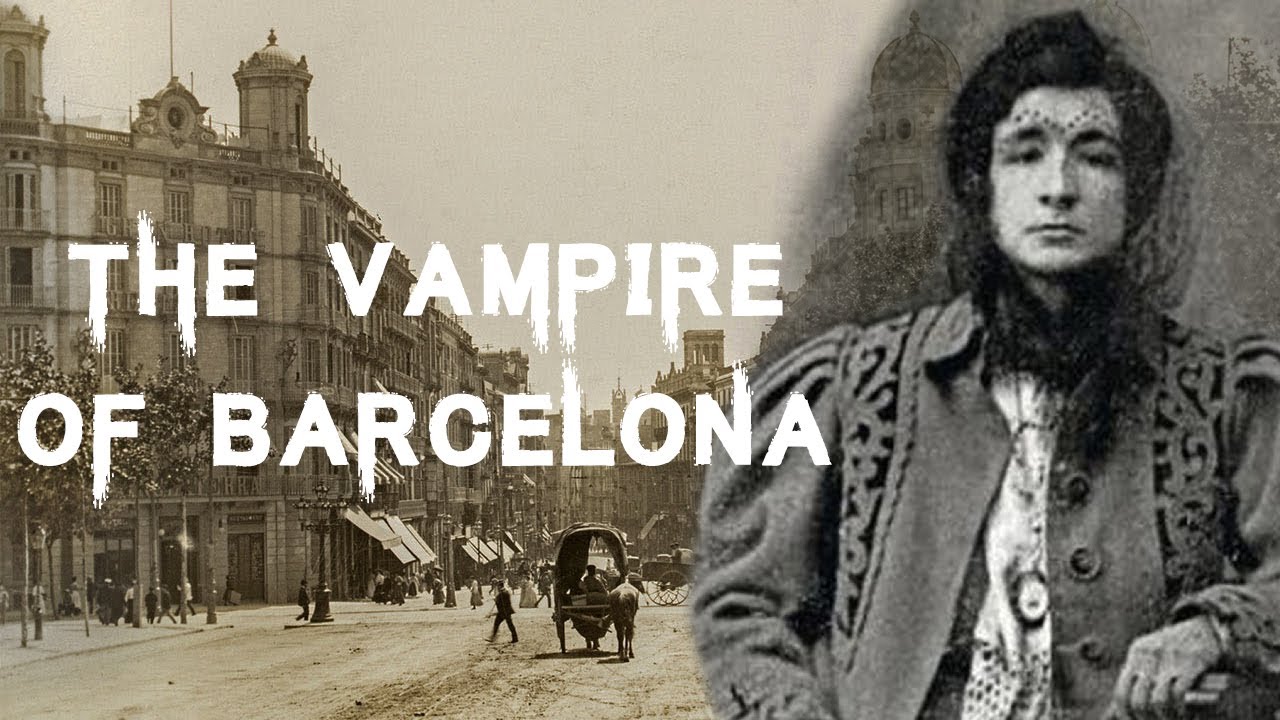
Her mother died when she was young, and she was raised by her father, a farmer with a reputed knowledge of herbal remedies. He brewed plant-based potions that he claimed could cure various ailments, and he supplied them to locals for a small fee. At 15, Martí left home to work as a childminder for an affluent Barcelona family that had spent the summer in her hometown. She settled into city life and, on her days off, explored both the elegant boulevards and the poorer alleyways.
During this time, she also studied the herbal treatments her father had taught her, preparing natural remedies she said could treat venereal disease or induce miscarriage. Her services soon attracted clients from across Barcelona’s social spectrum. Wealthy women who found themselves pregnant outside marriage, and men who frequented the city’s brothels, paid well for her discretion. But her reputation collapsed when a young woman from a prominent family died after taking one of her remedies.
Martí was dismissed by the family she worked for and moved to a poorer district. She eventually worked as a prostitute in two Barcelona brothels, selling her treatments alongside her services. In 1895, an artist named Joan Pujaló asked her to marry him, on condition that she give up sex work. She agreed, but the quiet domestic life did not suit her.
She returned to her old habits, and the couple separated around 1901. By day, Martí reportedly dressed as a beggar outside churches, part of a network that collected offerings from passersby. By night, she sought wealthier clients outside the venues frequented by Barcelona’s elite. Around this time, reports emerged that children were disappearing from some of the city’s poorest neighborhoods, and Martí was alleged to be involved.
Rumors spread that she offered kidnapped children to clients and that some were killed so their remains could be used in blood potions and ointments sold to wealthy residents desperate for cures for diseases like tuberculosis. In 1909, she was arrested and accused of providing children to clients. But when authorities realized that press coverage would expose the names of prominent Barcelona families, she was released without charge. On February 12, 1912, Teresita Guitart went missing.
Public anger over the disappearances grew, and the mayor ordered a city-wide search. A neighbor in Martí’s tenement building, a housewife named Claudia Elías, noticed a child with cropped hair peering through a window. She went to question Martí, but Martí slammed the door without a word. Elías told a neighbor, who reported what she had seen to police.
It was not until February 27 that officers arrived at Martí’s apartment with a search warrant, citing a complaint about chickens kept indoors. Inside, they found two girls. One identified herself as Martí’s daughter, Angelita. The other said her name was Felicidad.
The girl was later identified as Teresita. Teresita, though very young, told police that Martí had taken her, covered her head with a cloth, promised her treats, cut her hair, and told her she would now be called Felicidad because her parents no longer wanted her. She said she had seen bags of blood-stained children’s clothes and a large knife. She was reunited with her parents, and Martí was taken into custody.
Angelita then told detectives that a five-year-old boy named Pepito had been in the apartment before Teresita arrived. She said she had seen her mother kill him on the kitchen table. When questioned, Martí claimed she had returned Pepito to the countryside, but she could not provide a family name or address. A search of Martí’s tenement revealed a stark contrast: the bedroom was elegantly decorated with fine wallpaper, lamps, and fine fabric, and a cupboard held beautiful children’s clothing.
Officers also found a sack of blood-stained children’s clothes and another containing small children’s bones that had been exposed to fire. Martí’s ex-husband, Joan Pujaló, came forward. He said he had not lived with her for over five years, that she had used his name to rent the apartment, and that Angelita was not their daughter. A medical examination confirmed Martí had never given birth.
She later confessed that Angelita was her niece, the child of her husband’s sister, whom she had secretly kept after claiming the baby had died. Martí was held in prison and became known across Spain as the Vampire of Barcelona. Weekly allegations emerged from witnesses who said their children had been stolen. One woman from Alcoy said Martí had taken her son six years earlier after offering kindness to a weary traveler.
The boy was never found. Martí then confessed that she rented other properties in Barcelona. Those premises were searched, and investigators found more human remains, along with ointments and herbal remedies. Fifteen jugs were discovered, some containing human fat, others containing blood, hair, and bones.
In one cupboard they found prepared “cures” that were sold to wealthy people. Investigators also found bodies of children buried under floor slabs and hidden in false walls, including the skeleton of a boy estimated to be three years old. A book was found containing the names of many of her clients, and it was rumored that some were well-known figures in Barcelona society. The press and public demanded the names, but they were never released.
One newspaper stated that the list contained only people Martí had conned out of money. Martí attempted to take her own life while in custody. Her case faded from the headlines after the sinking of the Titanic in April 1912, which dominated news coverage for weeks. On May 12, 1913, before her trial could take place, Martí died.
The official account said she died of cancer of the uterus, though it was also suggested that she may have been killed by other inmates, possibly on the orders of an influential figure who feared exposure. She was buried in a mass grave on the outskirts of Barcelona, taking the names of many victims and clients with her.