In the fall of 1932, a series of disappearances in a remote stretch of the Arkansas Ozarks led a game warden to an encounter that changed the rest of his life. Merrick Ashendon, a 38-year-old game warden who had served the area for twelve years, was called to investigate when men began vanishing from a ridge the locals knew by name but often avoided. The first to disappear was Judson Vestal, a 41-year-old timber cruiser working for the Southern Timber Company. Vestal had gone up to Long Shadow Ridge to assess timber and was expected back in three days.
When he did not return, a search party found his satchel hanging from a tree, with his notebook still inside it. The last entry read only: “Something moving on the ridge above me. ” His body was never found. Weeks later, a moonshiner named Beecher Howlerin vanished from his still on the north face of the ridge.
His fire had gone cold only recently, and his coffee cup was still half full. He had simply disappeared. When the sheriff, a man named Boyd Cowell, arrived, he ordered Ashendon to write that Howlerin had fallen into a sinkhole, a common explanation in that limestone country. He also warned Ashendon not to go up on the ridge after sundown.
The third disappearance came in late October. Cletus Jarnell, a 71-year-old trapper who had lived alone on the ridge for 39 years, vanished without a trace. His four dogs came down to town alone, one with bleeding paws. His cabin was clean, his fire banked, and his Bible left open to the sixth chapter of Judges.
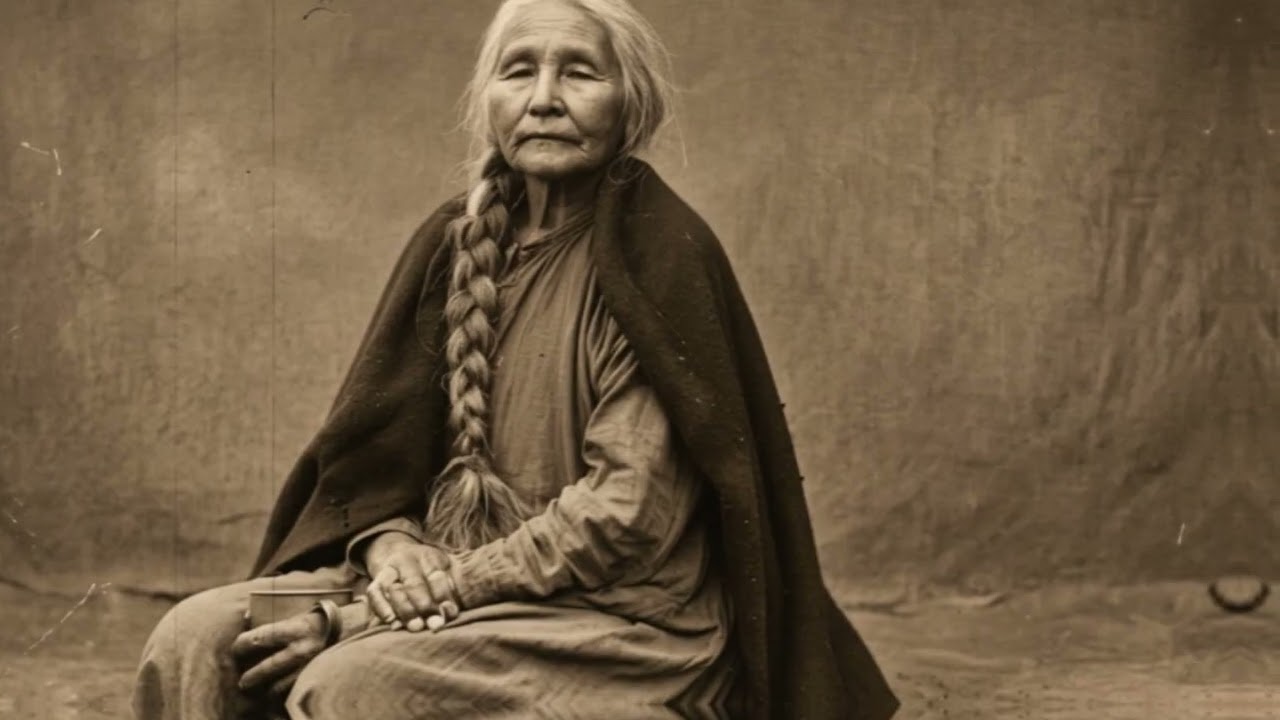
His rifle was found leaning against a tree about a hundred yards from the cabin. After three days of searching, Sheriff Cowell told Ashendon he would not go up the ridge again. He then directed Ashendon to visit an old Cherokee woman who lived in a hollow beyond the edge of town. The woman was waiting on her porch when Ashendon arrived.
She told him the men who disappeared had all been on the ridge after the sun touched the trees. She then recited a set of old rules: do not answer to your name after dark, do not turn to look at what walks behind you, carry iron or silver on your skin, cross running water if followed, accept nothing from a stranger on the ridge, and above all, do not answer if you hear the voice of someone you loved and lost. She told him the voices were how “they” call a person, and that the mountain itself was what walked. She warned him that following the rules did not guarantee safety, only that the mountain might look past him.
After leaving her cabin, Ashendon began following the old rules without consciously choosing to. He wore his late wife’s silver locket against his skin and crossed streams rather than using bridges. Not long after, he heard his wife’s voice calling his name while he was walking the ridge in broad daylight. He did not turn.
He later told himself the old woman’s words were only a story, but he could not shake the belief. The final event came when Ashendon and his friend Elton Puitt, a 34-year-old deputy, returned to Cletus Jarnell’s cabin to retrieve his belongings and bring his dogs home. As daylight faded, one of the dogs refused to leave the porch and began walking toward the ridge as if called. When Elton tried to grab her, the dog bit him and disappeared up the slope.
As the two men hurried down, Elton stopped suddenly, saying he heard his mother’s voice, a woman who had been dead for eleven years. She was calling his name. Ashendon grabbed him, shouted into the trees, and fired a shotgun. From up the slope, a voice called Elton’s name again in his mother’s voice.
Ashendon made Elton hold his belt, close his eyes, and count aloud until they reached the truck. They drove down as the sun disappeared behind the ridge. Elton survived, but he resigned from his deputy’s post the following spring and moved to Little Rock with his wife. Ashendon never saw him again.
Digger, the dog that ran into the woods that evening, never returned. Ashendon gave up his warden’s post in late November, moved down to the flat country west of Russellville, and lived the rest of his life there. Before he left her cabin that day, the old woman had told Ashendon one final thing: the mountain had looked at him. Even though it had looked past him, it now knew him, and he would hear it calling his name for the rest of his life.
He told a listener years later, on a porch overlooking a valley far from that ridge, that he had kept the old woman’s rule for 42 years. He said he thought he would keep it a little while longer.