The road to Gettysburg was long, and for the British observer Arthur Fremantle, it was filled with unexpected insights into the Confederate high command. Traveling with the army of Northern Virginia in late June 1863, Fremantle found himself attached to the headquarters of General James Longstreet.
On the morning of June 27th, Fremantle met Longstreet for the first time. The general was preparing to move his corps near Chambersburg, Pennsylvania. Despite the chaos of the campaign, Longstreet and his officers proved exceedingly courteous, immediately offering the Englishman a place at their mess.
Longstreet was described as a sturdily built man of resolute appearance. At 43 years old, he was a former major of infantry in the old army who now led the First Corps. He remained close to General Robert E. Lee, who placed great weight on his counsel. Among the men, he was reputed to be the finest combat officer in the army.
When the topic of being on enemy ground arose, Longstreet made a significant remark to Fremantle. He stated that while it might be considered just retribution to use the torch, such actions would demoralize the troops and destroy their superb discipline. He insisted that private property was to be strictly respected.
The Confederate occupation of Pennsylvania was marked by a strict policy of discipline. Fremantle noted that sentinels were posted at the doors of many finer homes to stop any officer or soldier from entering. When the troops passed through Green Castle, every house was shuttered, and the residents observed the soldiers with marked hostility.
The town of Chambersburg presented a tense atmosphere. Every building was closed, but the citizens were on the streets, glowering at the Confederate soldiers. The women were especially bitter in their comments. One woman, who had decorated her bosom with a large Yankee flag, was met with a solemn observation from a Texan soldier. He warned her to take care, noting that Hood’s boys were mighty fine at storming breastworks when the Yankee colors were on them.
Fremantle was introduced to General Hood, a lean, tall man with a wiry frame and a light colored beard. At 33, he was considered one of the most capable and rising officers in the army. He was worshiped by his Texan and Alabamian soldiers, who were known for being a wild lot, though their commanders worked hard to curb their tendency to plunder.
The discipline of the army was a constant theme. Fremantle praised the manner in which the Confederate sentries performed their duty, remarking that they were every bit as strict as, and far more courteous than, regular troops. Longstreet answered with a laugh, noting that a sentry who denied you entry to a camp might very well direct you to an alternate route to avoid encountering any sentry entirely.
On the evening of June 29th, Longstreet and Fremantle conversed at length about Texas, where the general had been stationed for a long period. Longstreet recalled many individuals Fremantle had met and was much entertained by the account of traveling through that country.
On June 30th, before the column marched, Longstreet presented Fremantle to the commander-in-chief. General Lee was described as the most distinguished-looking man of his years Fremantle had ever encountered. At 56, he was tall, broad-shouldered, and well proportioned, with exceedingly polite manners. Fremantle noted that Lee had none of the minor vices and that his most severe critic had never charged him with any of the graver ones.
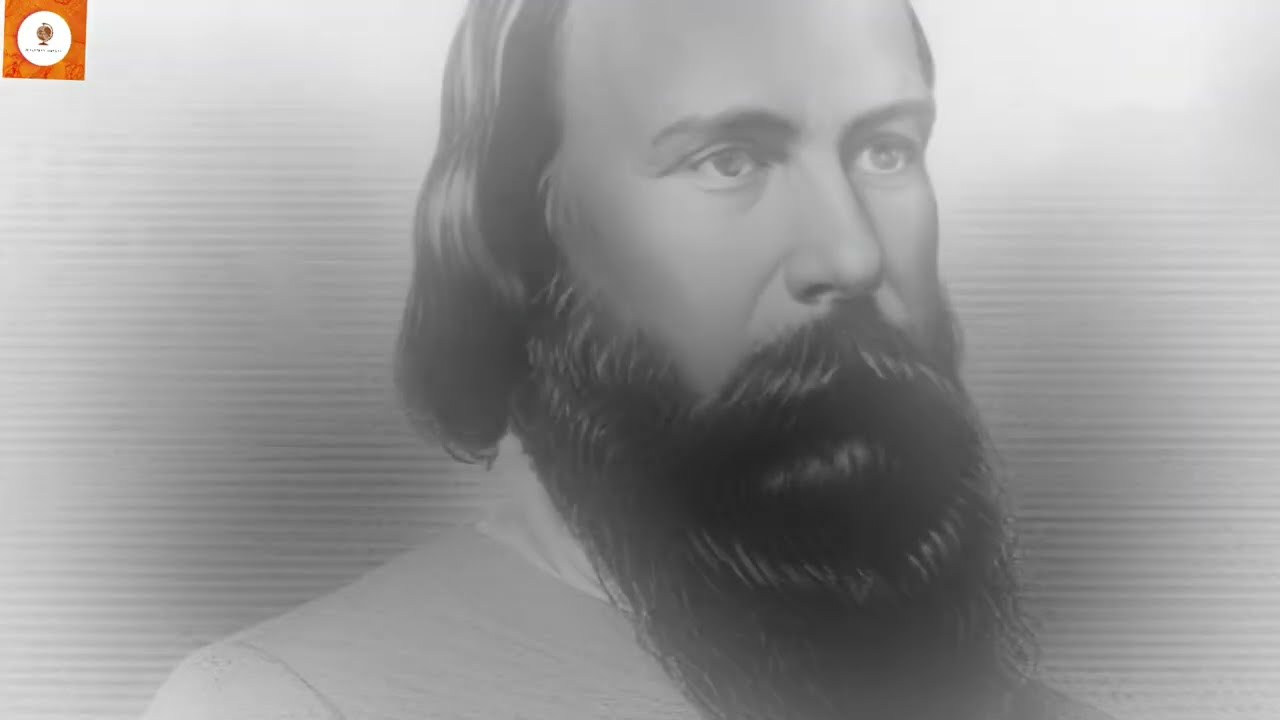
The relationship between Lee and Longstreet was quite affecting. They were nearly always in each other’s company. Fremantle observed that it was impossible to gratify Longstreet more than by speaking well of Lee. He considered both generals to be as lacking in personal ambition and as completely selfless as any man alive.
During the march toward Gettysburg, Longstreet informed Fremantle that he had just received news that Hooker had been replaced and that Meade was appointed in his stead. Longstreet stated that Meade was a man of honor in good standing, though possibly not as aggressive as Hooker.
On July 1st, the sound of firing became clearly audible ahead. As they advanced, they began to encounter wounded men coming to the rear. Fremantle noted that this sight, so shocking to anyone unaccustomed to it, produced no visible effect upon the troops advancing toward the front. They displayed no eagerness or agitation, only complete indifference.
By 4:00 in the afternoon, they caught sight of Gettysburg and joined Generals Lee and Hill, who were positioned at the top of one of the ridges. They observed the enemy retreating up one of the opposing ridges, hotly chased by the Confederates. General Hill approached and told Fremantle he had felt quite ill all day. He stated that two of his divisions had driven the enemy four miles back, taking many prisoners, several cannon, and some colors.
Fremantle suspected that the engagement had occurred earlier than planned. He believed that neither Lee nor Longstreet had intended it to begin on that day, and that their designs were disrupted by the events of the first.
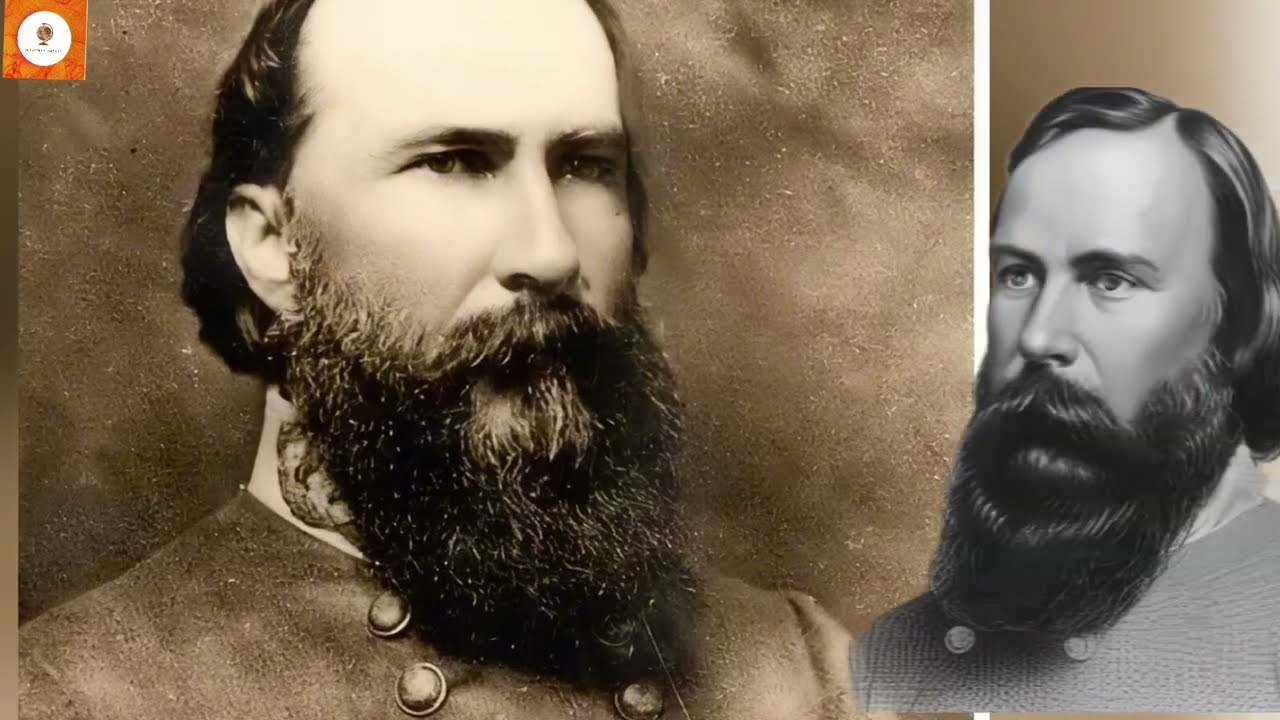
During supper that night, Longstreet described the enemy’s position as exceedingly strong. He remarked that they would undoubtedly fortify themselves extensively overnight.
On the morning of July 2nd, Fremantle climbed a tree at a commanding vantage point. Directly below him were Generals Lee, Hill, Longstreet, and Hood, seated in conference. The two latter aiding their deliberations by the truly American practice of whittling sticks.
At 7:00, Fremantle rode over a section of the ground with Longstreet and watched him deploying McLaws’s division for the day’s action. The enemy held a series of elevated ridges, the crests of which were wooded. The enemy’s forces were concentrated into a space seemingly no more than two miles in length.
A complete silence prevailed until 4 to 5 in the afternoon. No one could have guessed that such masses of men and such powerful artillery were about to begin their destructive work at that hour. Only two of Longstreet’s divisions were present that day, McLaws’s and Hood’s, with Pickett’s still to the rear.
As the entire morning was clearly to be spent positioning the troops for the assault, Fremantle rode to the far right with Colonel Manning and Major Walton. They ate large amounts of cherries, secured some corn for their horses, and bathed in a small creek, though not without some apprehension, for they were nearly beyond the lines and vulnerable to the enemy’s cavalry.