William Youngblood was nearly 17 years old when he enlisted in the 15th Alabama Infantry during the summer of 1861. He showed promise as a soldier and hoped for an officer’s commission in the regular Confederate forces. His captain recommended him for such a position in the fall of that year, but the War Department in Richmond took no action.
That governmental inaction kept Youngblood in the ranks as a private. It also set him on an unexpected path. He was eventually assigned to detached duty as a courier for General James Longstreet.
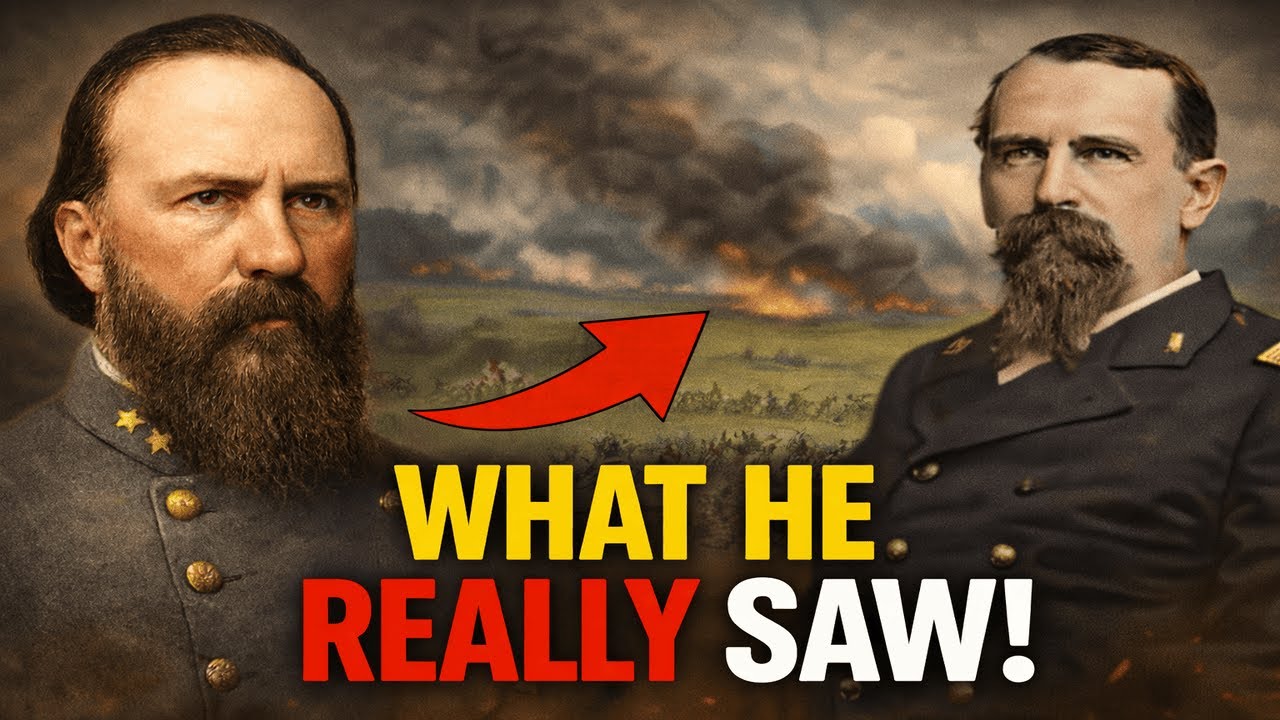
Youngblood later published his personal account of the Battle of Gettysburg in 1910, within the Southern Historical Society papers. For years, he had hesitated to share his story because of political circumstances involving himself and another prominent figure. He finally decided to commit the account to writing, insisting that every word was the absolute truth.
In June 1863, General Robert E. Lee’s army began its movement into Pennsylvania. Youngblood was serving in the 15th Alabama under Colonel William C. Oates. The division crossed the Blue Ridge Mountains at Ashby’s Gap and soon reached the Shenandoah River.
General Hood sat mounted at the crossing, overseeing the ford. Youngblood asked permission to remove his clothing before entering the water. Hood ordered him to proceed immediately. The June day was hot, but the current was piercingly cold. Youngblood paused on a rock midstream until he was compelled to move on.
The troops remained near Millwood in Virginia’s Valley for several days. Youngblood then approached Longstreet and asked to be assigned to headquarters as a courier. Longstreet sent the request to General Lee for special approval. Youngblood received a 10-day leave to secure better clothing and a horse.
Within that time, he reported to Longstreet’s command six miles north of Hagerstown, Maryland, on the road to Chambersburg, Pennsylvania. The army reached Chambersburg within a day. There they paused to await the movement of General A.P. Hill, who was near Gettysburg.
After a few days, Longstreet and his staff rode ahead of the troops toward Gettysburg. They arrived near the forming battle line around 4:00 in the afternoon on July 1. Longstreet surveyed the field that evening, then returned to a position behind Cashtown and set up tents for the night.
Youngblood had not even unsaddled his horse when Colonel Sorrel summoned him. Sorrel directed him to ride back to Chambersburg to find General Pickett, who would be waiting for orders on the east side of town. Youngblood asked for time to feed himself and his horse and was granted 30 minutes.
The ride through enemy territory on a dark night was solitary and dreary. As he passed the smoldering ruins of Thaddeus Stevens’ iron works, the acrid smoke filled the air. He found Pickett as expected. A sentinel challenged him, and a man resting at the base of a tree identified himself as General Pickett.
Pickett read the dispatches and told his staff they must move into line at once. Within ten minutes, Pickett and his staff mounted and rode off, with the men following in a silent, steady column.
Youngblood had been in the saddle since early morning. Around 1:00 a.m., he led his weary horse into a clover field, dropped the reins, lay down in a fence corner, and fell into a deep sleep. He woke around 6:00 to the sound of marching soldiers.
He caught up with Pickett, informed him of the road ahead, and then urged his horse onward to find Longstreet. He located the general in a wheat field around 8:00 a.m. Longstreet was awaiting the arrival of the troops, some of whom were already filing into battle positions.
Around 2:00 in the afternoon, General Barksdale’s brigade of Mississippians took position. General Wofford’s Georgia brigade filed in on Barksdale’s right. The South Carolina brigade passed near Generals Lee, Longstreet, and Hood as they moved into position on Wofford’s right. The Alabama brigade under Law’s command was placed facing Round Top on the far right.
Youngblood was seated on his horse within earshot of Lee, Longstreet, and Hood. General Lee stood on the ground, with an orderly holding his gray horse nearby. Hood addressed Lee directly.
Hood reported that his scouts had found a wagon road around the base of Round Top used by farmers for hauling timber. He believed he could move a brigade around the mountain and launch a simultaneous attack from the flank or rear while the main force engaged the front. He asked for permission to attempt it.
Lee asked Longstreet for his opinion. Longstreet replied that he had great confidence in Hood’s judgment and in his ability to execute whatever plan he conceived. That was the entirety of Longstreet’s response.
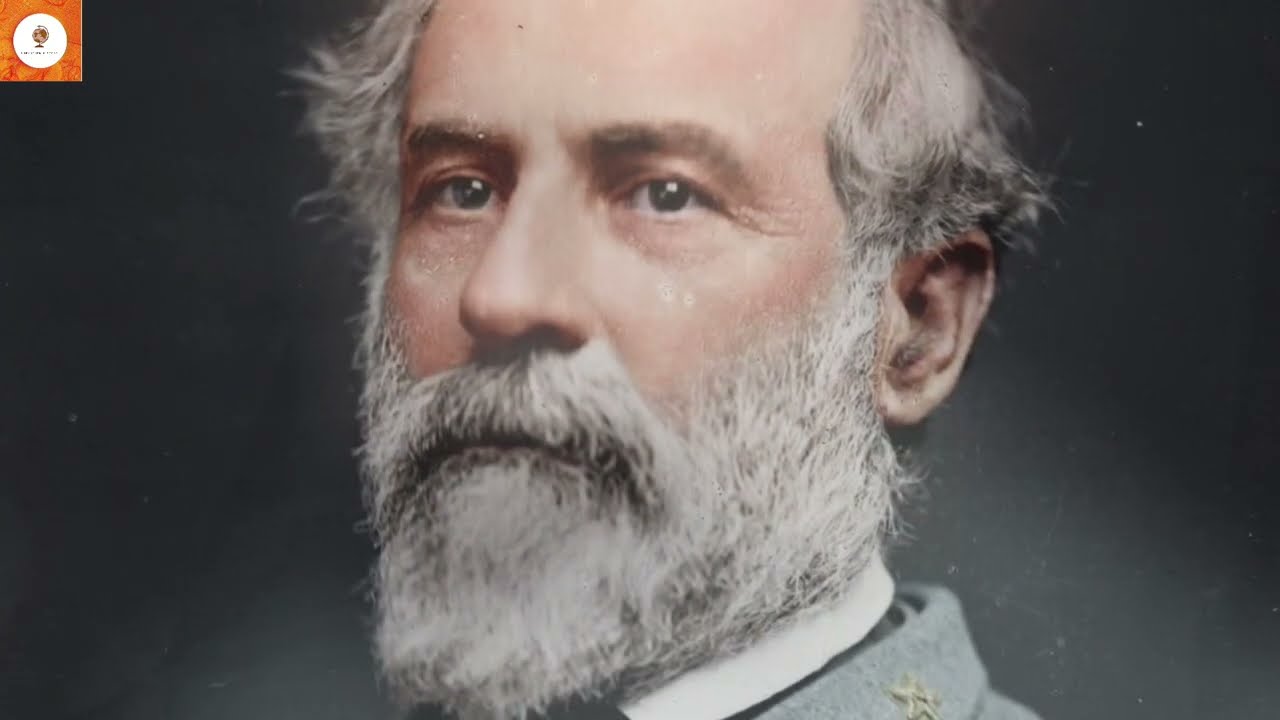
Lee stood with his head bowed, gazing at the ground in deep thought. When he lifted his eyes, he said he could not hazard the loss of a brigade. He believed the men were in high spirits and that a direct assault could prevail.
Lee extended his hand to Longstreet and said, “Goodbye, General, and may God bless you.” He then turned to Hood, shook his hand, and said, “God bless you, General Hood. Drive them from your front, secure Round Top, and the day will be ours.” With tears in his eyes, he mounted his iron gray horse and rode away.
Hood proceeded to his command. Longstreet dismounted, holding his reins over his arm, and sent his staff officers and couriers along the battle line to observe and report. He chose Youngblood to remain by his side.
Thirty minutes after Lee’s departure, cannon fire signaled the start of the attack. Longstreet swung into the saddle, and Youngblood followed. They spurred their horses to the front, where the men were already advancing.
As they rode from the cover of the timber into open ground, they found themselves directly in front of Wofford’s advancing troops. Youngblood warned Longstreet of the danger of being shot by their own men. Longstreet reined in his horse and held position until Wofford’s line had moved ahead.

The Union forces were positioned in the peach orchard and along a road, where they had piled fence rails to build breastworks. As Longstreet approached the orchard, the Union troops fell back beyond it. Barksdale’s brigade halted behind the abandoned breastworks, while Wofford’s men pressed on.
Youngblood drew Longstreet’s attention to the halt. Longstreet told him to go and instruct Barksdale to resume his position in the line. Youngblood dashed toward Barksdale’s position. On the way, his horse fell, and he pulled himself back into the saddle by clutching the horse’s neck.
He found Barksdale mounted behind a brick milk house. After receiving the order, Barksdale spurred his horse, dashed along his line, and commanded a charge at double-quick time. Youngblood heard the impact of a shot strike him and saw him fall from the saddle.
Youngblood returned to Longstreet and reported Barksdale’s fall. Longstreet then ordered him to find General Alexander and tell him to advance his artillery and maintain contact with Wofford’s left flank. The smoke, noise, and hissing of shells were immense. One of the artillerymen had to lead Youngblood’s horse to Alexander.
Alexander stood a few feet in front of his own guns, his glasses to his eyes. Youngblood delivered the order. Alexander pointed and said he would advance as soon as he drove back a column of the advancing enemy.
That enemy column was moving into the gap created by Barksdale’s halt. Wofford’s men, seeing they were unsupported on their left, began to retreat. The personal presence of Longstreet and Wofford on the field prevented the retreat from becoming a full panic. Youngblood helped rally Wofford’s men and reestablish the line.
Darkness was falling when Major Walton of Vicksburg approached Youngblood. Walton’s face was stained with powder from biting cartridges. His horse had been killed, and he had taken a gun from a falling Confederate and entered the fight. He asked Youngblood for his horse and told him to find headquarters and wait there.
Youngblood gave him the horse. Left alone on the battlefield, a Georgia soldier pointed out a horse grazing between the two lines, still saddled and bridled. Youngblood approached on his hands and knees, keeping the horse between himself and the enemy. The horse was too exhausted to flee.
Youngblood mounted, lay flat along the horse’s body and neck, and drove both spurs into its flanks. He heard the whistle of several balls during the dash. The horse proved to be a good draft animal but a poor saddle horse. For Youngblood, that ended the great battle day of July 2.
Both sides lay on their arms that night. General Pickett was held in reserve about four miles from the battlefield. Youngblood believed that whatever was done before Pickett’s charge was without decisive result.
The next day, Lee consented to Pickett’s plea to make the charge. Longstreet took his position in full view of both armies. Upon the booming of 100 guns, Pickett returned at a gallop, his long black hair waving in the wind, yelling for Longstreet.
Youngblood was dispatched to intercept him. Pickett approached Longstreet in terrible agony and cried out that his division was gone and destroyed. Longstreet offered consolation, assuring him the situation was not as dire as he believed and that he would soon reassemble a considerable number of his men.
That night, around midnight, Youngblood was summoned to Colonel Sorrel’s tent. Headquarters were near the Black Horse Tavern. Sorrel told him to locate several officers along the line and deliver sealed orders. A light drizzle was falling, and the night was profoundly dark.
Youngblood found most of the officers without difficulty. When he returned to the Black Horse Tavern, he found Longstreet’s wagon and staff assembled in the road. They proceeded onward in the rain for an hour or more. Everyone held a presentiment that the movement was a retreat.
The march was arduous. The roads were muddy, the wagon ruts deep, and the night was awful. In addition to their own forces, they had approximately 7,000 prisoners to manage.
After a grueling march lasting a full day and night, they approached Falling Waters on the Potomac, where pontoon bridges had been laid for the crossing back into Virginia. The rain had swollen the river, forcing everyone to cross on the pontoons.
Youngblood arrived at the bridge a little before daylight. Longstreet was on the ground, directing men, wagons, and artillery across. Youngblood moved off to one side, squatted at the base of a tree with his horse’s reins tied to his arm, and did not wake until after daylight.
To his horror, he found himself within a few feet of the riverbank. His horse was so close that one more step would have sent him over the edge. He made his way to the bridge, and Longstreet told him to cross.
Once across, Youngblood went up the bluff onto the main road. He saw General Lee on his horse, watching the pontoon bridge and the men coming across. While he was there, a man rode up and said there was a rumor throughout the army that Longstreet had failed in his duty and caused the disaster at Gettysburg.
Lee replied with firmness and fire. He said the charge was unjust. Longstreet had done his duty. Lee said the failure was to be charged to him, and that his shoulders were broad enough to bear it.
That ended Youngblood’s personal knowledge of the Battle of Gettysburg. He reflected on what might have happened if Hood had been permitted to execute his flank movement. He also wondered what might have occurred if Barksdale had not lost his position in the line just as the Union Army was being driven to the rear.
Youngblood praised the soldiers of Mississippi and the brigades of Wofford, Kershaw, and Law. He called them as game and true as any who ever carried a sword or gun. He noted that Hood boasted his division could cut through any line formed against them, with him to lead.