The American West was a place of brutal violence, desperate survival, and strange contradictions. Between 1850 and 1900, the frontier produced stories that defy belief. While Hollywood focuses on gunfights and horseback chases, the real history is far stranger. From a governor wearing an outlaw’s skin to a corpse displayed as a carnival dummy, these 25 facts reveal a world the movies never showed you.
In 1881, a mob lynched George Parrott, known as Big Nose. What happened to his body afterward was disturbing. Dr. John Osborne received the corpse and decided to tan the criminal’s skin using the same process applied to cowhide. Human skin is thinner and has less collagen than bovine leather, making it tear more easily. Osborne turned the skin into shoes and a suitcase. He wore the shoes on the day he became governor of Wyoming. Parrott’s skull was cut in half, with one piece used as an ashtray and the other as a pencil holder.
John Wesley Hardin claimed to have killed 41 people. Whether true or not, the number reveals a broken mind. Hardin grew up in the chaos of post-Civil War Texas and killed his first man at 15. He spent decades on the run, drinking and shooting. Modern specialists would recognize classic signs of PTSD mixed with psychopathic traits. In 1877, he woke up annoyed by snoring in a hotel in Abilene. He fired through the wall and killed Charles Cougar while he slept. Hardin was shot in the back in 1895 in a saloon in El Paso.
Fort Griffin moved more money in a week than most Texas towns saw in a year. Almost all of it came from vice. Saloons ran day and night, with poker tables where fortunes changed hands in minutes. Brothels operated openly, some with 15 women working in shifts. Each buffalo hunter spent between $50 and $100 a night, money that equals more than a thousand dollars today. The whiskey was watered down and the cards were often marked, but nobody complained. Complaining in Fort Griffin could cost you your life.
A forgotten handkerchief changed everything in 1883. San Francisco detectives had just one lead: a piece of cloth with a laundry mark. They visited 90 laundries one by one until they found the owner. That legwork led straight to Charles Bowles, the legendary Black Bart. He held up 28 stagecoaches for Wells Fargo. He wore a suit, never fired a shot, and left poems in empty safes. That handkerchief marked the birth of data-driven criminal investigation.
Old West whiskey was a brutal mix called rotgut. The recipe included strychnine, tobacco, pepper, and soap. Strychnine, a rat poison, attacks the nervous system and causes violent muscle spasms. Tobacco dumped nicotine into the stomach, causing nausea and a dangerously speeding heart. Pepper irritated the digestive tract, creating a burning feeling drinkers mistook for strength. Soap was added to create foam, making it look like real fermentation. Sellers would toss the liquid into a fire to impress Indians with the flames, earning it the nickname firewater.
For 60 years, kids played next to something that looked like a dummy in amusement parks and haunted houses. No one imagined it was a real corpse. Elmer McCurdy, a train robber killed in 1911, was embalmed with fluids loaded with arsenic. That poison killed the bacteria that would have decomposed the body, turning Elmer into a toxic statue. In 1976, film crew technicians at Pike Amusement Park moved what they thought was a mannequin. The arm snapped and bones showed up. Forensic analysis found the bullet that killed him and high levels of arsenic in the tissue. Elmer was finally buried in Oklahoma 66 years after his death.
Frank James handed his revolver to the governor of Missouri in 1882, weeks after Jesse was assassinated. Even with decades of bank and train robberies, Frank went to trial and walked free. Juries in Missouri were made up of neighbors, many sympathetic to ex-Confederates. Witnesses were afraid to testify or disappeared. Prosecutors faced pressure from influential figures who saw the James brothers as rebel heroes. Frank lived another 33 years as a free man and died peacefully in 1915.
James Killer Miller figured out a survival trick before the invention of the bulletproof vest. He took four shots to the chest and stayed on his feet. The secret was a metal plate hidden under his clothes. Black powder bullets traveled at about 250 meters per second, slow compared to modern guns. The homemade plate worked like armor. The lead would hit, deform, and stop. Miller could take the hit and keep shooting. He went to Methodist Church every Sunday and didn't drink or smoke. In 1909, the rope finally got what the bullet couldn't.
Isolated mountains do strange things to the human mind. Charles Kennedy found that out the worst way possible. In 1870, he lived with his Ute wife and son in a remote cabin between Elizabethtown and Taos, New Mexico. Tired travelers stopped there looking for rest. Few made it out alive. Kennedy welcomed guests, waited for nightfall, and attacked. Bodies were burned in the fireplace. Their belongings were sold in town. His own 5-year-old son broke the silence in front of a traveler, warning that his father planned to kill him. The child paid with his own life for telling the truth.
The Bender Inn looked simple, but every detail was designed to kill. The Benders would seat a guest in a specific chair with their back to a canvas curtain. On the other side, someone waited with a hammer. One hit to the head, a trapdoor opened, and the body dropped into the basement. An assembly line. When neighbors went in there in 1873, they found 11 bodies buried in the yard. The family had already fled. To this day, no one knows for sure what happened to them.
Sitting with your back to the wall wasn't paranoia in the Old West, it was survival. Anyone who played cards in saloons learned fast that peripheral vision could be the difference between living and dying. Wild Bill Hickok knew that rule better than anyone. In August 1876, he walked into the Nuttal and Mann Saloon in Deadwood. His usual seat was taken, and the other player refused to switch. Bill sat with his back to the back door. Jack McCall came in quietly from behind and fired at point-blank range. Hickok fell holding two aces and two eights. To this day, that hand is called the dead man's hand.

When Doc Holliday was in jail facing a heavy sentence, his partner Kate came up with a risky plan. She set a nearby barn on fire, creating enough chaos that the guards abandoned their posts. In the confusion, she freed Holliday, and the two rode off into the night. Kate was born into a wealthy family, orphaned early, and worked as a dancer in Texas. She became Holliday's lover and partner in all kinds of schemes. Her nickname, Big-Nosed Kate, wasn't kind, but she didn't care.
The bandana over a cowboy's face wasn't style, it was real protection. Working cattle kicked up dust that wrecked your lungs. Fungi in the air caused fever and serious infections. The cloth over the nose and mouth worked as a barrier against all of that. It also protected against the biting cold at dawn. Anyone who ignored it paid the price with respiratory illnesses.
Alice Ivers didn't count cards like they do in modern casinos. Her secret was pure math. She calculated odds in her head while the men around her drank whiskey and bet blind. Most gamblers trusted luck. Alice trusted numbers. She knew the exact chances of completing a straight or making three of a kind. That's how she won $6,000 in a single night, money that could have bought an entire ranch. But in 1910, math didn't save Alice from a deadly fight. She killed a soldier in her own saloon in Colorado.
Pearl Hart saw Buffalo Bill perform when she was young and became obsessed with the Old West. She left Canada at 17 and ended up in Arizona. In 1899, she and Joe Boot held up a stagecoach at gunpoint, taking about $400. They got lost in the desert and were caught sleeping by the local sheriff. In court, Pearl claimed she needed the money to visit her sick mother. She was acquitted the first time. The judge came up with another charge, and she was sentenced to 5 years. She served only 18 months because the prison wasn't set up for women.
The Pony Express charged $5 for a half-ounce letter in 1860, the equivalent of $150 today. Even so, the company lost money on every delivery. Keeping 400 horses, 190 stations, and 80 riders cost a fortune. The company burned through $200,000 in 18 months and never turned a profit. The final blow came in October 1861 when the telegraph connected coast to coast. A message that used to take 10 days now got there in minutes. Technology killed the business overnight.
The army bet on camels in 1856 for a simple reason. A camel can lose 25% of its body weight in water without collapsing. A horse dies at 15%. Camel blood has oval cells that keep circulating even when dehydrated, while a horse's blood gets thicker. A camel's wide pad spreads its weight on soft sand, while a horse sinks with its narrow hoof. In a Camp Verde, Texas test, camels carried 400 kilos for 60 miles without water. The problem was temperament. They spat, bit, and scared the horses in nearby units.
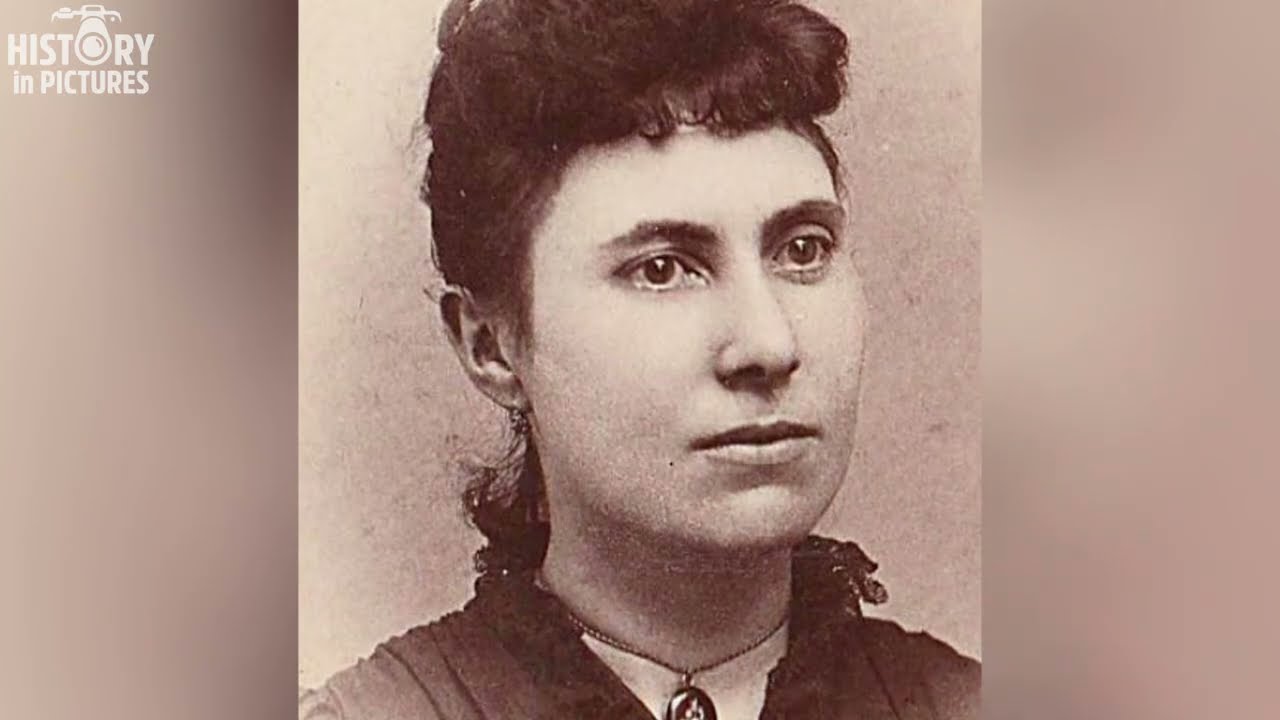
Governments turned scalps into a kind of currency. It wasn't just wild violence, it was an organized system with paperwork. Colonial authorities paid bounties for every scalp brought in. There were different price lists for men, women, and children. Mexico offered $100 for an Apache scalp in 1835, a fortune at the time. That drew in Americans, Europeans, and even other indigenous people. Some faked Mexican scalps to boost their profits. The system created a gruesome industry that lasted for decades.
Before a storm hits, nature lights up its own warning signal. Out on the Old West plains, cowboys swore they saw their horses and cattle glowing in the dark. It wasn't a haunting. It was Saint Elmo's fire. The air got so charged with electricity that it started to glow on the tips of animals' horns and ears. Imagine riding with your hair standing on end and your horse looking like it came straight out of hell. Seconds later, the lightning struck.
The lasso you see in Western movies didn't come from English settlers. The technique was born on Spain's cattle ranches and refined by enslaved Africans who had worked with herds in their own continent. The Portuguese and Spanish brought that knowledge to the Americas, and it was black men who mastered open-range herding in Texas. It's estimated that one out of every four cowboys was black. During the Civil War, white ranchers left for the fighting and left entire ranches in the hands of enslaved people who ran everything on their own.
Capturing an outlaw dead took more technique than just pulling the trigger. Early cameras needed up to 30 seconds of exposure, so the body had to be completely still. Photographers used metal frames hidden behind the corpse to keep it upright. Ice was essential, not out of respect, but because swollen bodies became unrecognizable and the reward could be denied. Some bounty hunters carried blocks of ice along with their ammo. Many sheriffs preferred photos over the body itself because they arrived before decomposition and worked as official proof in county records.
Old West saloons were disasters waiting to happen. Built in a hurry with green lumber that dried out and cracked within weeks, these buildings had zero fire planning. Thin walls, low ceilings, and poor ventilation created a space where heat built up fast. Add kerosene lamps hanging from beams of dried-out wood, and you have the perfect recipe for tragedy. Most towns didn't have organized fire brigades. The famous Long Branch Saloon in Kansas burned to ashes in 1895 for exactly that reason.
Sitting Bull spent 4 months traveling with Buffalo Bill's show, and what he saw in Europe left him baffled. It wasn't the huge buildings or machines that caught his attention. It was the poverty. He couldn't understand how white people could have so much wealth and still let children beg in the streets. In Lakota culture, the tribe took care of everyone. He gave the money he earned to beggars and shoeshine boys. To him, a society that abandoned its young had nothing to teach his people.
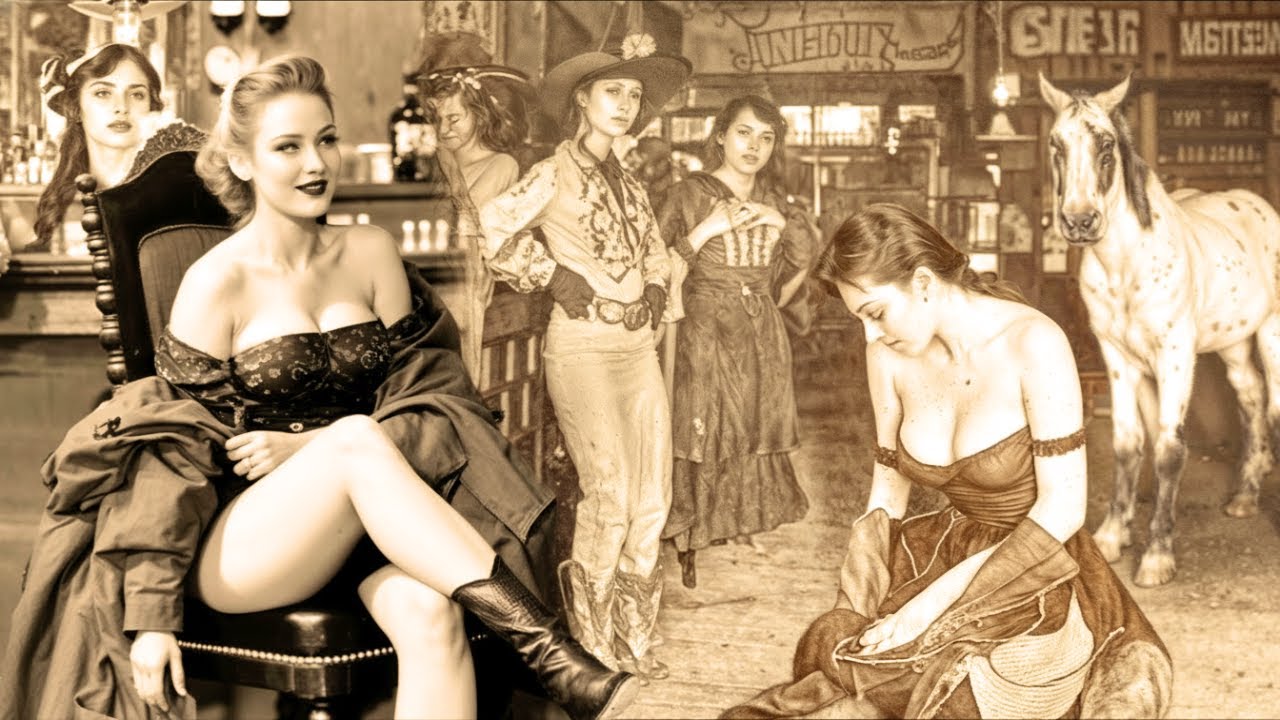
In California in 1850, there were nine men for every woman. In other Western towns, the ratio was three to one. It was straight-up supply and demand. Women quickly understood the value they had in that market. In saloons, they were hired to sing, dance, and chat with the men. The real goal was to get the guys to spend more on whiskey and beer. A lot of these women weren't prostitutes. They were just playing the hand that scarcity dealt them.
Geronimo was captured but never defeated. While the US government kept him as a prisoner, he figured out that his fame was worth money. Instead of wasting away in captivity, the Apache leader turned his name into a brand. He sold autographed photos, bows, and arrows to the same Americans who had hunted him for decades. He charged for every public appearance. He was an attraction at the 1904 St. Louis World's Fair and marched in President Roosevelt's inauguration in 1905. Geronimo understood the game. If he couldn't win on the battlefield, he'd win in the marketplace. He died in 1909, still a prisoner, but left money for his family.