For decades, military officers and government agents tried to pry the truth from Rain In The Face about the Battle of the Little Bighorn. He refused to speak. They tried kindness, bribes, and even intimidation. Nothing worked.
His reputation as Custer’s killer was so legendary that poet Longfellow immortalized him in verse. When Rain finally broke his silence, it stunned everyone.
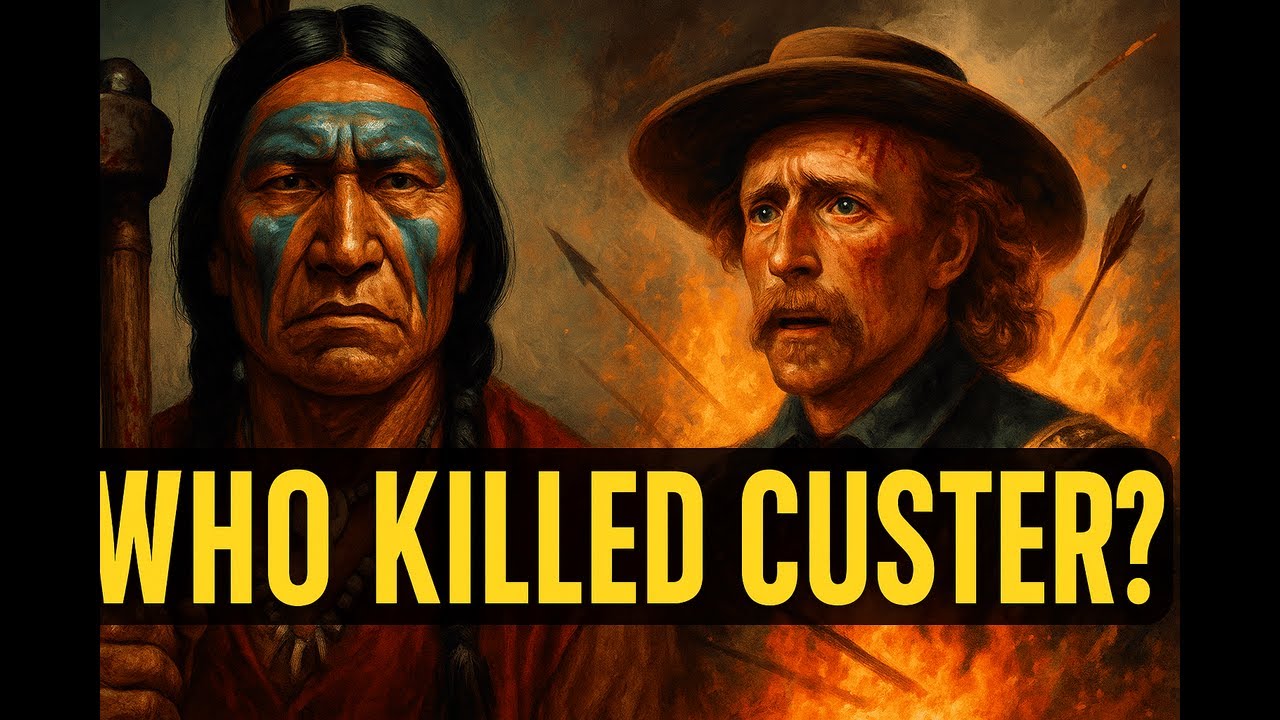
Rain In The Face was a renowned Hunkpapa Lakota leader and warrior. He was a key figure in the 1876 battle where Lieutenant Colonel George Armstrong Custer and his Seventh Cavalry suffered a devastating defeat.
Known for his fierce courage, Rain also harbored a deep grudge against Custer. He accused him of slaughtering his brother and sister in an earlier conflict.
Some historical narratives suggest Rain participated in the assault on Custer’s troops. Some claim he may have delivered the fatal strike. Historians still debate this, leaving the exact details of Custer’s demise uncertain.
Rain began his account two winters before the great fight. Gaul and Sitting Bull made camp at Standing Rock. All the people there stood against the government.
Life was good in the warrior camp. There were dances, horse races, and target shooting. Buffalo and deer were plentiful.
One evening, a girl dared Rain to ride to Fort Lincoln and kill a white man. He warned her it was suicide. Soldiers were everywhere.
She mocked him. She said a true warrior doesn’t fear. That sealed it.
Rain returned to his lodge, blackened his face, and armed himself. Under night’s cover, he rode 45 miles north to Fort Lincoln.
For two days, he watched and waited to strike a soldier. At dawn, he spotted a traitor and a horse doctor walking to a spring.
Custer and his troop were riding back just 100 yards off. Rain charged, shot the traitor, and crushed the doctor’s skull with his club.
He was slicing off buttons when Custer heard the gunfire and wheeled his men around. There was no time for scalps. Rain vaulted onto his pony and taunted them to give chase.
They pursued him to the Cannonball River. That winter, he visited the Standing Rock Agency store. He had refused the treaty, so no rations were for him.
The one-armed storekeeper was there. Soldiers ambushed Rain from behind, swarmed him, and flung him into a wagon. They pinned him down all the way to the Lincoln guard house.
They shamed him. No chief’s treatment. Just chains, a barren cell, and a single thin blanket.
All winter long, the icy wind howled through the cracks in the walls. The cold bit deep. Once, Custer let Rain outside and soldiers urged him to run.
Rain knew their game. They wanted an excuse to shoot him in the back. He looked Custer in the eye and swore that if he ever escaped, he would carve out his heart and devour it.
One night, Rain and a white prisoner broke free. Bullets whizzed past as they fled along the Hart River’s banks. His companion sawed through their shackles, but they caught him by dawn.
Rain vanished into the wilderness. He knew the hunt for him would never end.
When he rejoined Sitting Bull and Gaul, even they feared the consequences of sheltering him. So Rain sent Custer a message. A buffalo hide painted with a dripping heart. A reminder that his oath still stood.
When their paths crossed again, Rain said he kept his promise.
Much of his story aligned with army records. The killings of the settler and Dr. Huninger were documented. But the tale of Custer’s heart needed pressing.
When shown a sketch of Custer’s charge, Rain laughed. He said soldiers didn’t swing sabers. They fought with rifles and pistols.
They dismounted every fourth man to hold the reins. Rain’s warriors lashed themselves to their ponies, riding bare-skinned and painted.
Their rifles jammed. Cartridges stuck inside. Rain saw dozens littering the ground, unfired. When guns failed, they crushed skulls with war clubs.
Some begged. They showed no mercy.
Rain sketched the Little Bighorn. Their village curved along it like a strung bow. He said there were countless lodges. Four thousand warriors, maybe six thousand.

Sitting Bull climbed a hill and made powerful medicine. He returned waving a sacred bundle, shouting that the Great Spirit said soldiers would come but fall.
The next morning, scouts brought warning. Sitting Bull ordered decoy lodges to mislead the scouts. Then he left to pray.
Gaul commanded. Crazy Horse led the Cheyenne. Goose led the Arikara.
Rain’s Hunkpapa band fought like wolves. They knew the soldiers’ horses were spent. The scouts took the bait, thinking them few.
When the soldiers split their forces, the warriors rejoiced. Gaul swept upstream to flank them. Custer’s detachment crested the bluffs, and the young men sealed their rear.
Their charge collapsed under fire. Trapped, they dismounted in knots. Every fourth man gripped horses. The warriors closed in like a noose.
Officers shouted, but in the dust all uniforms looked alike. Rain never saw Custer fall. The Rees sang their death chant. They knew it was over.
Then the warriors broke upon them like a river smashing through a dam. They shot down the soldiers holding horses. They sent the terrified animals stampeding by waving blankets.
Rain sang his war song. His mind was gone, replaced by pure battle fury. When he seized their flag, his pony collapsed beneath him.
He slashed the straps free, sprang up, and crushed the flag bearer’s skull with his war club. Running back through chaos with their banner, he felt triumphant.
Hot blood and brain matter splattered across his face. Consumed by rage, he mounted a fresh pony and charged back into the slaughter.
Then he saw him. Custer. His blood oath memory burned bright.
Protected by his white weasel tail charm, Rain fought like a man possessed. Bodies fell as he carved toward him.
When their eyes met, Rain laughed at his terror. Custer’s lips moved in prayer or pleading. Gunfire drowned his words.

One revolver shot to the chest settled their score. Rain leaped down and sliced out his still beating heart. He took a savage bite and spat it in his dead face.
Waving the grizzly trophy, he rode from the field. His vengeance was complete. Scalping seemed unnecessary.
While Rain withdrew, the women finished the wounded. They collected spoils and severed fingers for rings. They searched vainly for a long-haired scalp.
Custer’s short hair and lack of uniform hid him among the dead.
That night’s victory celebration featured feasting and scalp dances. Sitting Bull claimed credit for the win. Gaul countered that they won the fight while Sitting Bull made magic.
Their rivalry split the camp. Some followed each chief. Many warriors, like Rain, followed neither.
When scouts reported approaching artillery, they moved north across the border. Rain remained there until Sitting Bull’s return brought him home.
When pressed about who killed Custer if not him, Rain was blunt. No one knows. The battle was chaos, like fighting blind.
When asked why Custer escaped scalping, Rain scoffed. Bravery doesn’t spare a man from scalping. The women searched. He must have been buried under corpses.
When questioned about Curley, the Crow scout who claimed to have fled the battle, Rain’s contempt was clear. Curley lies. His horse gave out and he ran. A coward, not a warrior.
After the battle, Rain eventually surrendered to US authorities and served time in captivity. Upon release, he emerged as a vocal supporter of Native American rights.
He became a celebrated performer in Wild West exhibitions where he shared his wartime experiences.
Around 60 winters old at the time of this account, Rain stood as the sole surviving chief from the Little Bighorn. He scratched his name in English letters but grasped little of their meaning.
Though he understood most spoken English, his speech remained broken. True to his people’s ways, Rain showed gratitude only for future kindness, never past favors.
His courage was unquestioned. His morals followed the old warrior’s code. Yet when he gave his word, he kept it.
This rare firsthand account offers new light on that fateful June day in 1876. Not the sanitized legend, but the raw truth from the last man standing who could tell it.