In the autumn of 1839, a traveler stopped at the Kentucky farm of Jeff Turner, asking for a hot meal and a night’s lodging. Such requests were common enough in that time and place, and the family welcomed him in. Over dinner, the man spoke of his destination: Texas. He described a land of open country, rich soils, abundant game, and rivers thick with fish, all there for any settler bold enough to claim it.
The traveler moved on the next morning, but the idea stayed with Turner. His family lived comfortably but meagerly, and he saw little hope of building enough wealth to secure his wife’s future or leave anything of value to his three young sons. For months, the thought of Texas gnawed at him. Eventually, he convinced his reluctant wife that the risk was worth the reward.
They sold the farm, packed everything they owned, and traveled south to the Republic of Texas. Everyone knew, of course, what Texas meant beyond the promise of prosperity. For the better part of a century and a half, the land had belonged to the Comanche. The stories that reached Kentucky were horrific: missionaries, Mexican settlers, and tribes alike had been wiped out by raiding parties.
Men were killed, children slain, and women carried off into slavery and concubinage. Yet settlers kept coming, and the Turners joined their number. After a few weeks near San Antonio, the family followed the Guadalupe River southeast and claimed land on a tributary not far from present-day Seguin. With the help of his two eldest sons, Turner built a cabin and began clearing brush for crops.
Mrs. Turner, at first reluctant, warmed to the homestead. The land was rich, the creek was beautiful, and game was plentiful. After months of hardship, the family had found their home, and they were happy.
Then, one morning early in May, Turner set out with his rifle to hunt. He paused to take in the scene behind him: his three sons, all under the age of ten, playing near the stream with wooden hoops; his wife in the garden, singing as she tended the vegetables. She bade him farewell cheerfully, and he walked down the creek, heart full, until he rounded a bend into a timbered thicket about a mile from home. The silence of the morning was shattered by the report of what sounded like a dozen rifles.
Turner broke into a dead run toward the cabin. Before he reached the bend, he heard the screams: triumphant war cries mixed with the shrieks of his family. By the time he came in sight of the house, only the war cries remained. He entered through the front door and found his wife and youngest son dead, the child clasped in his mother’s arms, both pale from loss of blood.
Near the back door lay his two older sons, wounded, bleeding, and freshly scalped, having fought to the last despite their youth. Almost immediately, the Comanche returned, dismounting and walking idly toward the cabin, unaware that Turner had come back. Blind with grief and rage, and no longer fearing for his own life, Turner sprang from the door and put a ball from his hunting rifle into the heart of one warrior, killing him instantly. Drawing his large knife, he rushed upon the rest.
The sudden death of their comrade threw them into momentary disarray, and Turner inflicted mortal wounds on several as they scrambled to reach their horses. The next few minutes were a blur of slashing and cutting until a volley of Comanche rifle fire brought him down. He lay bleeding into the dirt, yards from his family. The warriors, unsure whether more settlers might appear, gathered what food they could and vanished into the hills.
Turner was found later that afternoon by a passing neighbor, who had noticed the unnatural quiet around the farm. The neighbor found Turner lying across the body of one of his attackers, his hands around the warrior’s throat, a knife driven to the hilt between the man’s ribs. Three more warriors lay nearby, all bearing horrific knife wounds. Seeing the faintest signs of life in Turner, the neighbor dragged him from the cabin, draped him over his horse, and carried him home, where his own family and other settlers tended to his wounds.
For weeks, Turner was plagued by fever and pain. Most believed he would die. But he did not. With time and care, he recovered physically.
The scars on his mind never healed. Unable to bear the memories, or the exhaustion of speaking with anyone who did not share his grief, he left the settled life behind. He abandoned farming and family and took to living alone in the wilds of central Texas, dedicating his life to a single purpose: revenge. For years, Turner tracked Comanche parties deep into their own territories, waging a one-man campaign of terror.
He gained a fearsome reputation among the settlers, who regarded him with a mixture of gratitude, pity, and fear. Every night, he wrestled with the same question: was it better to stay awake and recall the memories, or to sleep and relive them in nightmares? He still had no answer. Years later, on a night at his camp on Chicoete Creek, northeast of Victoria, he sat alone by the fire, gripping his knife and staring into the flames, haunted as ever.
The next day, he headed toward a nearby settlement for supplies. But when he arrived, the town was in an uproar. A group of Texas Rangers had just walked in on foot, their horses having been stolen that morning by raiding Comanche. Angry and embarrassed, they were determined to procure new mounts and give chase.
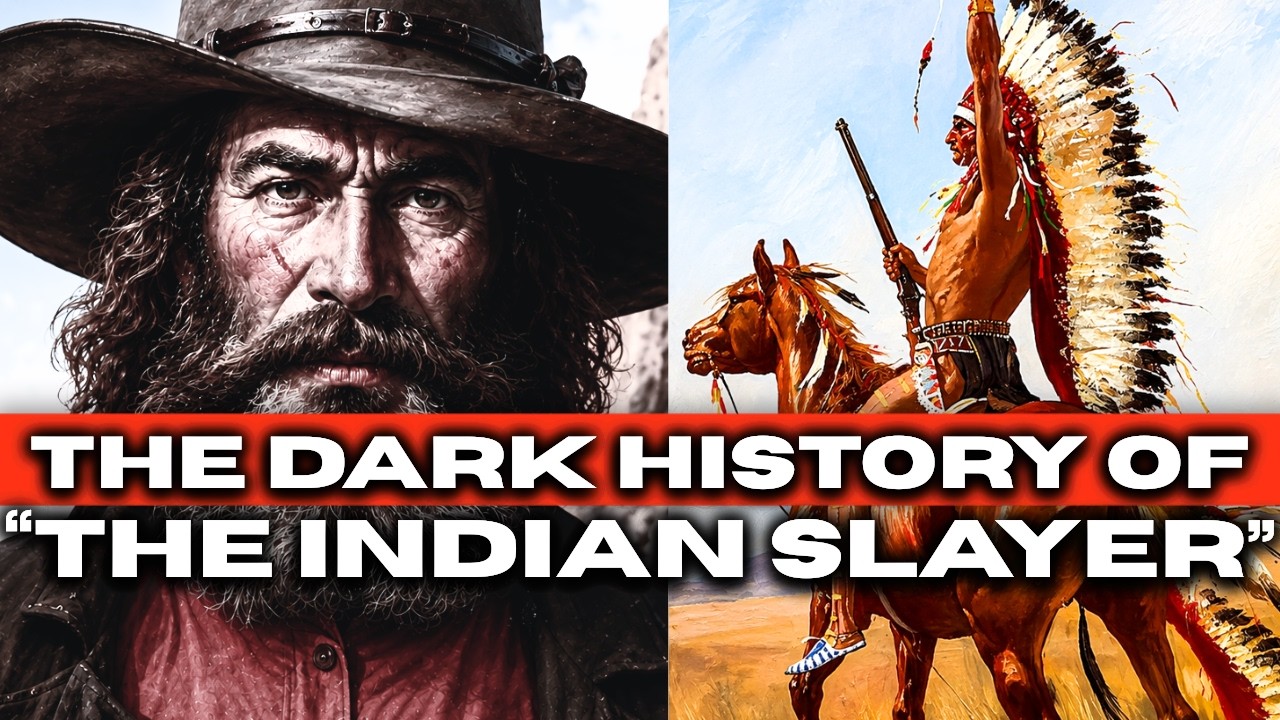
Among them was a 23-year-old rookie named William Alexander Anderson Wallace, better known to history as Bigfoot Wallace. The young Ranger led the party but was nervous and unsure, painfully aware of his lack of experience in fighting the Comanche. As the group set off on fresh horses provided by a local rancher, one of the Rangers noticed a rider trailing them. The figure who approached was unlike anything the young men had seen.
Tall and spare, dressed in buckskin, with a skinning cap on his head, a long old-fashioned Kentucky rifle on his shoulder, and a tomahawk and scalping knife in his belt. His hair was matted and hung in uncombed swaths around his neck, and his eyes peered out from beneath it, in Wallace’s words, as bright as a couple of mosquito coals. Wallace later recalled that he had seen the eyes of panthers, wolves, catamounts, and lions, but never eyes that glittered and glared like those. When Wallace asked if the man was a stranger in these parts, Turner answered that he was not, and that he knew every watering hole between their location and the Rio Grande.
Asked whether he feared traveling alone through such dangerous country, the man grinned a sickly smile, clutched his tomahawk, and replied that the Indians were more afraid of him than he of them. He said if they knew he was lying in wait on a trail, they would go forty miles out of their way to avoid him. The trouble, he said, was that they never knew where to find him. And besides, no horse this side of the Brazos could keep up with old Pepper Pod when he wanted to work in the lead.
With that, Turner spurred his horse, causing the animal to rear in a maneuver that would have thrown all but the most skillful riders. He told the Rangers that his family had been murdered by the Comanche, and that he now spent his time in pursuit of perpetual retribution. As he spoke, his eyes grew wilder, his hands shook, and his manner became agitated. He said he had forty-six Comanche scalps hanging from the walls of his lodge on Chicoete Creek, and that he intended to add far more.
Despite their unease at his demeanor, the Rangers agreed to let him track the raiding party. His skills proved invaluable over the following days. After much hard riding, they found the Comanche camp, and many of the young Rangers saw their first taste of combat. Jeff Turner, the Indian hater, rode that day with Bigfoot Wallace and the Texas Rangers.
Wallace would go on to a legendary career in the Rangers. Turner would eventually meet his fate at the hands of the enemy he had devoted his life to hunting, dying a hard death in a hard land.