In 1974, a song that became one of the most recognizable party anthems of the decade carried a deeper meaning than most listeners realized. “Come and Get Your Love” by Redbone was not just a feel-good hit, but a statement of Indigenous pride and survival wrapped in a funky, radio-friendly groove. The band’s name itself was a deliberate choice. “Redbone” is a Cajun term referring to a person of mixed heritage, and brothers Pat and Lolly Vegas wore that identity openly.
Before forming Redbone, the Vegas brothers had already built reputations as sought-after session musicians, having played alongside artists such as Elvis Presley and Little Richard. But they wanted more than a supporting role in someone else’s story. Redbone was their attempt to forge a new path, blending swamp rock with their Indigenous roots. The result was a sound that stood apart from the cookie-cutter pop dominating the airwaves at the time.
The distinctive opening of “Come and Get Your Love” was more than just a catchy riff. Lolly Vegas ran his guitar through a Leslie speaker, producing the swirling, watery tone that gave the track its unmistakable psychedelic texture. The lyrics were deliberately simple, almost chant-like. They functioned as an invitation to a mainstream audience to recognize the beauty of a culture that had long been pushed to the margins.
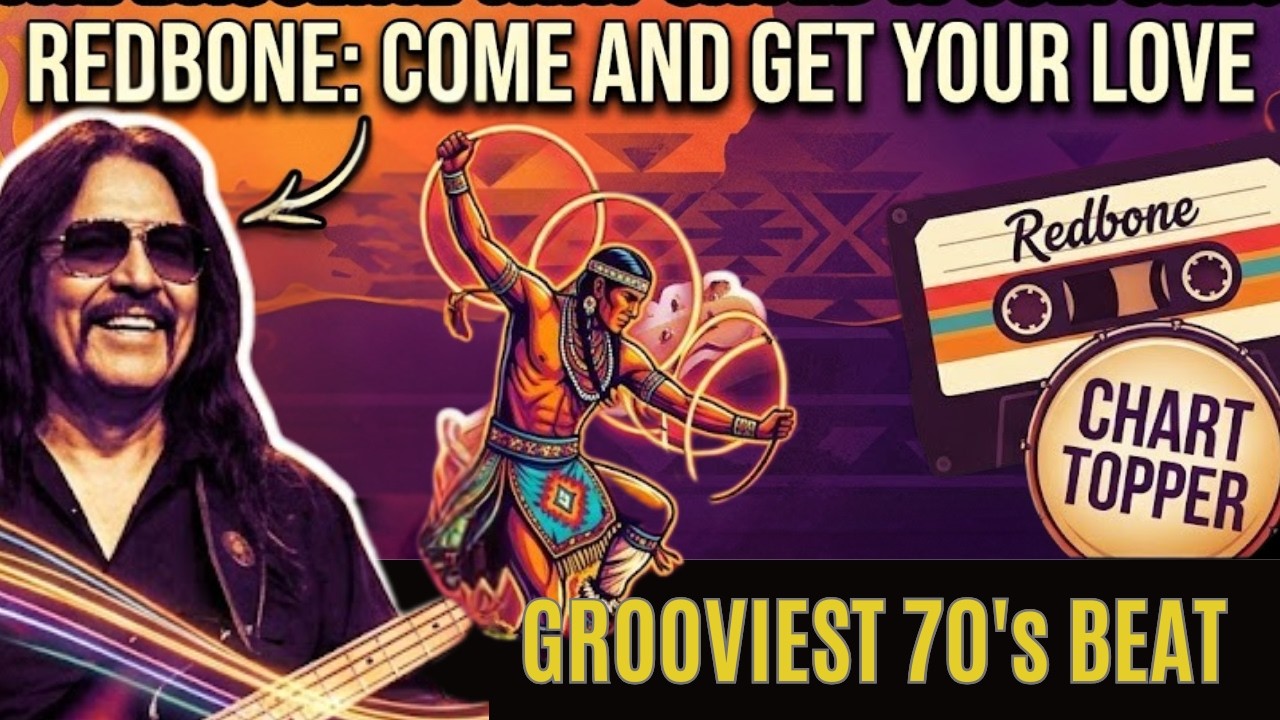
When Redbone performed the song on the television program “Midnight Special,” they went beyond a standard musical performance. They brought out a traditional hoop dancer, putting Indigenous heritage in front of a national primetime audience in a way that had rarely been done before. The song climbed to the top of the charts, proving that its message could resonate widely without sacrificing its cultural weight. It was, in effect, a Trojan horse, a funky dance track carrying a message of pride and presence.
Decades later, the song remains embedded in popular culture, still triggering recognition the moment the bass kicks in. But for those who know its origins, it represents more than nostalgia. It stands as a legacy that refuses to be forgotten, a sound of a culture claiming its place in the American mainstream.