On a June morning in the hills of East Tennessee, Granny Tallet sat on her front porch shelling black-eyed peas when she saw young Ellie May Turner coming up the road. Ellie May was barely nineteen, with wheat-colored hair and a spirit that could spark like flint, and she had been coming to that porch since she was knee-high. That day, her face was set like she was carrying a load heavier than a sack of meal. Granny waved her up, and before long the girl sat down, took a handful of peas, and started snapping the hulls with a force that told Granny something was badly wrong.
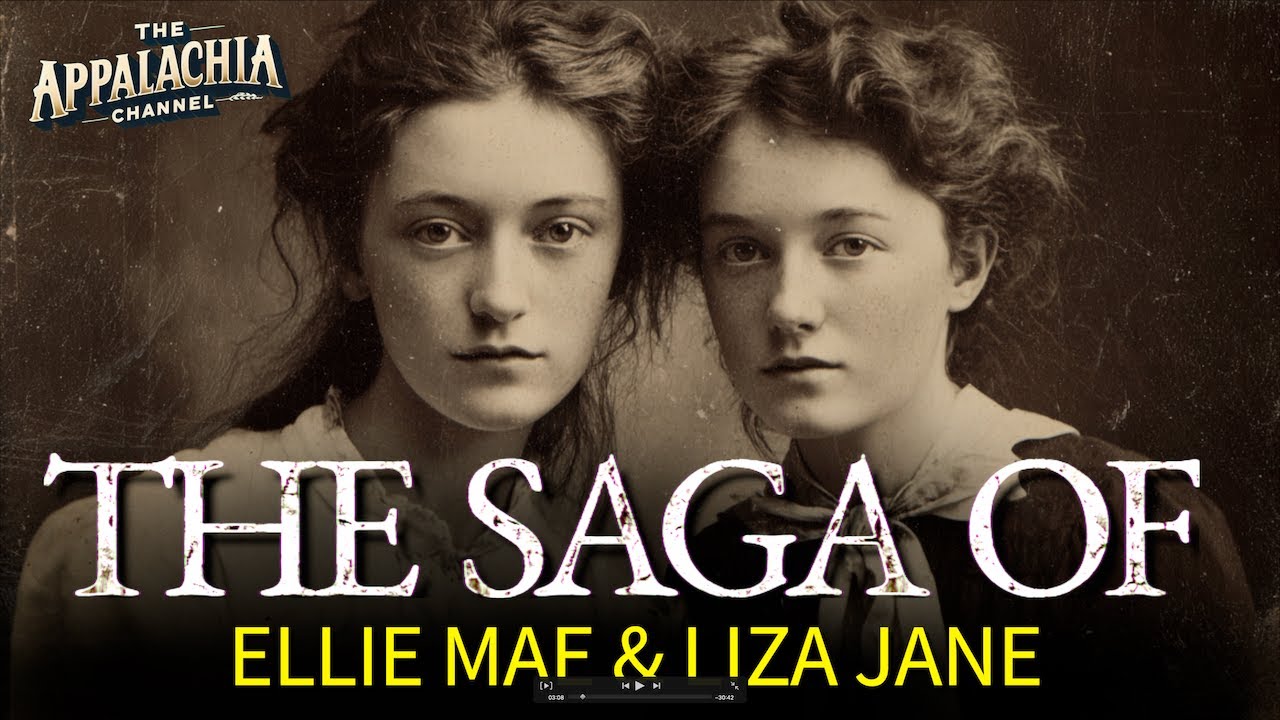
It was about Amos Jenkins, a young man from down by KD Creek. Handsome as a devil in a Sunday suit, but with a streak of meanness that showed up in sharp words and a tight fist. He had been courting Ellie May for about a year, and folks were already whispering about a fall wedding. But Granny had seen how Amos looked at money like it was his firstborn child, and she had heard how he shamed Ellie May in front of the whole church for spending a nickel on a ribbon.
Ellie May drew a deep breath and told her story. The week before, at the church quilting bee, the women had been working on the big star quilt for the missionary fund. They had saved up for it, stitch by stitch, to send to the folks in Roane County who had lost everything in the floods the previous spring. Amos had come by to fetch her home, and when he saw the quilt laid out on the frame with its bright calico patches, he started talking about how much it would fetch at the county fair, enough maybe for a new plow or even a heifer.
When Ellie May told him it was not for sale, that it was for the Lord’s work, he laughed and said the Lord did not need a quilt, but they did. That night, after everyone had gone home, Ellie May went back to the church to fetch her coat. There was the quilt, folded up on the table. She did not know what came over her.
She wrapped it in her coat, carried it home, and hid it in her trunk. Amos did not know she had taken it, but he had been talking about selling it ever since, and she was afraid he would find it and do just that. She had not slept a single wink. She knew it was wrong, but she had been so angry at Amos for making light of the Lord’s work.
Now she did not know how to make it right without losing Amos or shaming herself in front of the whole church. Granny let out a long breath. The girl had tangled herself up good, all right. But Granny told her not to fret too hard.
The Lord had seen a lot worse messes, and He had a way of untying knots if you let Him. Then, settling back into her rocker, Granny told Ellie May a story about a woman who had gotten herself into a fix not all too different from hers. It was when Granny was a young wife, not much older than Ellie May. The women’s ministry at the Harmony Chapel Baptist Church was putting together a basket of goods for a widow down by Emory Valley.
Her name was Martha Cole. She had lost her husband to a fever the winter before, leaving her with three little ones and not a penny to her name. All the women in the church chipped in their egg money to buy flour, a jar of preserves, and a bit of bacon, and they piled up a stack of clothes for the children. The basket sat in the church sanctuary, ready to be delivered come Sunday.
There was a gal in the group named Liza Jane, sweet as honey but with a temper that flared up like a brush fire. She was engaged to a fella named Tom Brody, a blacksmith with a heart that was mostly good, but he had a way of pinching pennies until they squealed. Liza Jane had been saving her egg money for months to buy cloth for a new wedding dress, and she had finally ordered a bolt of pretty blue cloth from Jenkins General Store. Tom, when he got wind of it, told her she ought to spend her money on something more practical, like a kettle or a set of tin plates for their new home.
She was fit to be tied, but she loved Tom, so she kept her peace. The day before they were set to deliver the basket, Liza Jane was helping pack it when she saw a pair of children’s shoes inside. They were made of soft leather, just the right size for Martha’s youngest, cut by Miss Petty from her late husband’s best coat. They were finer than anything Liza Jane’s own young ones would ever wear.
Something snapped in her. She took the shoes out when nobody was looking and slipped them into her apron pocket, telling herself she would give them to her little sister, who needed them just as bad. But deep down, she knew it was wrong. Come Sunday, when the basket was delivered, Martha Cole opened it with misty eyes and thanked them all.
But when she got to the bottom, she looked puzzled and said she thought there was going to be shoes for little Jimmy. The women all looked at each other, knowing full well those shoes had been there the day before. Liza Jane’s face went white as a sheet. She did not say a word, but Granny saw her hands trembling and knew right then what had happened.
The women found another pair of shoes, though not nearly as fine, and Liza Jane did not come to church for two weeks. Folks thought she might be under the weather, but Granny knew better. She went to see her one evening and found her sitting on her mama’s porch looking like she had aged ten years. Liza Jane told her everything, how she had hidden the shoes in her trunk meaning to give them to her sister, but every time she looked at them, she saw Martha Cole’s face and little Jimmy’s bare feet.
She had been praying for forgiveness, but it had not come, because she had not made it right. Granny told her that the Lord does not forgive what you hide. You have to bring it to the light, no matter how much it stings. The next day, Liza Jane went to Martha Cole’s cabin with the shoes in her hand and told her the whole story.
Martha, bless her heart, did not say a harsh word. She just hugged her and said she knew what it was like to want something for your own, and she forgave her, and she reckoned the Lord did too. Liza Jane cried like a baby, and from that day on she was a different person, kinder and softer, just like the Lord had taken the hard edge off her heart. And here was the funny part.
When Tom Brody heard what Liza Jane had done, instead of getting mad, he was proud of her for owning up to it. He told her he had been wrong to fuss about that dress, went to Jenkins store himself, and bought her all of that blue cloth. They got married that fall in the prettiest wedding Granny ever saw, and they were as happy a couple as she had ever known, because they had learned to see the gold in each other even when the clay was showing. What Granny was saying was that Ellie May had a chance to make this right, just the same as Liza Jane did.
That quilt was not hers to keep, and it was not Amos’ to sell. It belonged to the Lord and to the folks who had lost everything in the flood. She could take it back to the church quietly, or own up to it if she must. Either way, she should not let shame keep her from doing what was right.
And as for Amos, that was a question only she could answer. A man who loves money more than he loves mercy was not fit to hold a woman’s heart. Ellie May nodded, her lips tight but a spark of courage in her eyes. She whispered a fear: what if she took it back and somebody found out, what if they turned her out of the church.
Granny patted her hand. Church folks were not perfect, she said, but they knew a thing or two about forgiveness. If Ellie May told them the truth, they would rally around her the same way they had rallied around Liza Jane. And if they did not, she could hold her head high and remember that the Lord saw the good in her even when she stumbled.
Ellie May did not say much after that. She helped carry the wash tub into the kitchen, and Granny could tell her mind was working over what had been said. The next Sunday, Granny sat in church waiting for the choir to start when she saw Ellie May slip through the side door, her coat wrapped around something tight and bulky. She did not look at anybody.
She went straight to the pulpit and laid the star quilt back on the table, smoothing it out like it was a precious thing. Nobody else seemed to notice, but Granny saw the way her shoulders straightened, like she had set down a heavy load. When the choir began to sing, there was Ellie May, singing just as pretty and clear. She had found her peace.
After the service, Granny heard Sally Anne whispering to the other women that the quilt had miraculously reappeared, and they were all laughing about how the Lord works in mysterious ways. That evening, walking home, Granny stopped to pick a sprig of pennyroyal and crushed it in her hands. The scent took her back to her own girlhood, to the days when she was learning the hard lessons of life and love. She thought about Ellie May and Liza Jane and all the women she had known who had stumbled but managed to get back up, their hearts a little wiser for it.
And then Granny snapped back to the present, realizing she had finished shelling the beans. She told JD to grab a slice of pie from the kitchen and let her get back to work. As he walked into the house, he took one last look back and saw the smile on her face.
She loved nothing more than to share a story from long ago.