The Vanderbilt family’s rise and fall is one of the most dramatic stories in American history. From a humble ferry operator to the builders of some of the most opulent mansions ever constructed, their wealth once seemed limitless. Yet, within a few generations, the vast fortune was gone, and their grand palaces were sold, demolished, or turned into museums.
The story begins with Cornelius Vanderbilt, known as the Commodore. Born in 1794 on Staten Island, New York, he was the fourth of nine children in a family of modest means. His ancestors had arrived in New Amsterdam in 1650 as indentured servants, but the family name would eventually become synonymous with immense wealth.
At the age of 16, Cornelius borrowed $100 from his mother to start a ferry service between Staten Island and Manhattan. This modest venture grew into a colossal fortune. He expanded into steamships and then railroads, dominating entire industries through aggressive competition and shrewd business tactics.
He was known for his frugality, a trait that stood in stark contrast to the lavish lifestyles of the upper class he would later fund.
When Cornelius died in 1877, he left an estate worth over $100 million, an astronomical sum at the time. His son, William Henry Vanderbilt, inherited the empire and managed to double its value to $200 million. However, William’s relationship with his own father was strained, with Cornelius often calling him a “blockhead.”
William’s own temperament was volatile, and his famous “the public be damned” remark to a journalist in 1883 revealed a growing detachment from the public that had helped build the family fortune.
William Henry had eight children, and it was this next generation that began the family’s dramatic decline. Unlike their frugal patriarch, they embraced a life of extreme extravagance. The vast fortune, once a concentrated reservoir of wealth, began to split among a growing number of descendants.

Each generation’s inheritance was divided further, diluting individual shares.
The family also faced new financial pressures. The introduction of income and estate taxes meant that each transfer of wealth from one generation to the next was significantly reduced. The Great Depression further devastated their investments.
Combined with reckless spending and poor business decisions, the family’s financial foundation began to crumble.
The most visible symbols of this decline were the grand mansions they built. The Vanderbilt Triple Palace on Fifth Avenue in New York City was a prime example. Commissioned by William Henry Vanderbilt in 1878, it was a sprawling complex of 58 rooms designed to showcase the family’s status.
It featured steel framing, imported marbles, and a ballroom that could be merged to span an entire city block. The mansion hosted extravagant parties that defined the Gilded Age social scene.
However, by the early 20th century, the area around Fifth Avenue was becoming commercialized. After William Henry’s death, his son Cornelius Vanderbilt II took over the property. The mansion’s maintenance became a burden, and the family’s financial situation worsened.
In 1940, the southern portion was sold to the Astor estate. The demolition of the structure began in 1947 and was completed by March 1949, making way for commercial buildings.
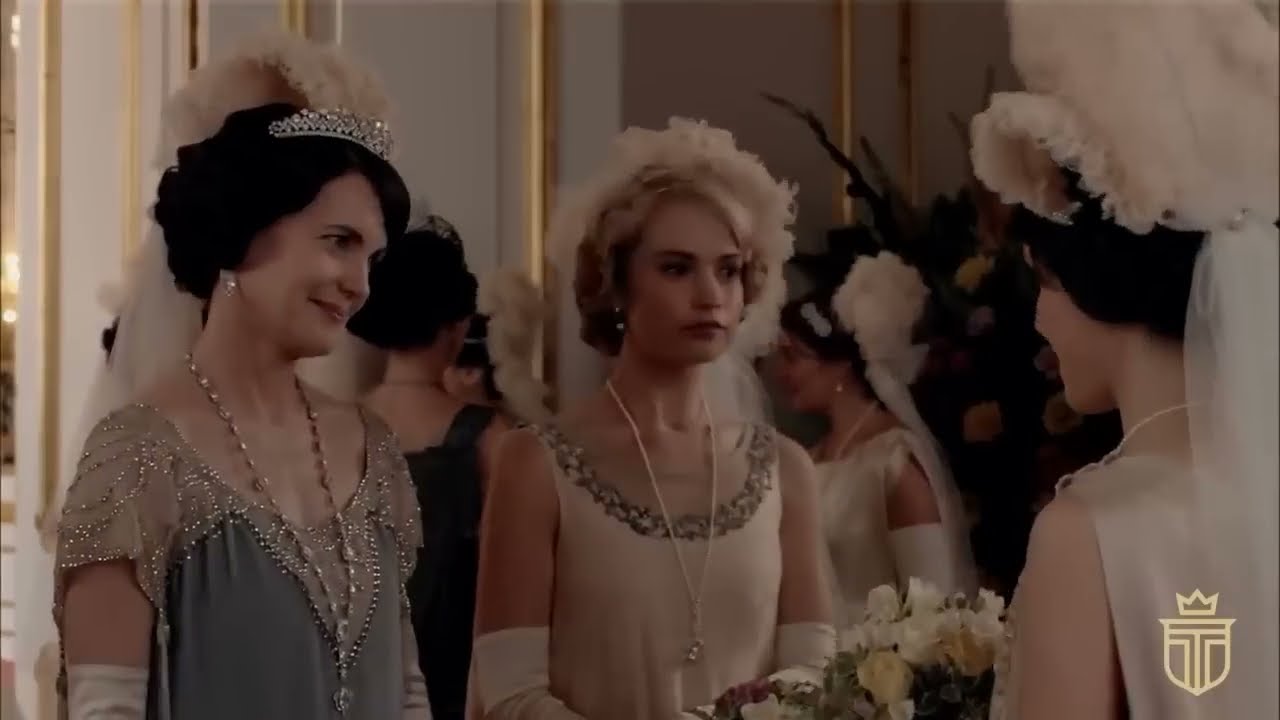
Another iconic residence, the Cornelius Vanderbilt II House at 1 West 57th Street, met a similar fate. Built in 1883 and expanded in the early 1890s at a cost of $3 million, it became the largest private home in New York City, boasting 130 rooms. The mansion was a stage for the family’s social ambitions, including the famous Vanderbilt Ball of 1883.
However, after Cornelius II’s death from a stroke in 1899, his wife Alice lived there in relative solitude. By 1926, the property was sold to developers. A week before its demolition, Alice opened the mansion to the public for a 50-cent admission fee, with proceeds going to charity.
The mansion was replaced by the Bergdorf Goodman department store.
The Breakers in Newport, Rhode Island, was another grand Vanderbilt estate. Built for Cornelius Vanderbilt II between 1893 and 1895, it was a 70-room Italian Renaissance-style mansion overlooking the Atlantic Ocean. For decades, it served as the family’s summer retreat.
However, the family’s connection to the property eventually ended in a bitter dispute.
In 1948, Gladys Vanderbilt, Cornelius II’s daughter, leased the estate to the Preservation Society of Newport County for $1 per year, allowing it to be opened to the public. In 1972, the next generation of heirs sold the mansion to the society for $366,000, with the understanding that some family members could continue to live on the third floor. This arrangement lasted for decades, but tensions grew over the management of the property and the handling of family artifacts.
The conflict came to a head in 2018 when the Preservation Society proposed building a modern visitor center on the grounds. The Vanderbilt descendants, Paul and Gladis Szápáry, opposed the plan, but the Rhode Island Supreme Court ruled in favor of the society. Shortly after, the family was evicted from their ancestral home, ending their physical presence at The Breakers.

The story of the Vanderbilt family’s decline is often contrasted with that of the Rockefellers, who managed to preserve their wealth. The Rockefellers used generation-skipping trusts, which allowed wealth to pass directly to grandchildren, avoiding estate taxes at each generational transfer. They also maintained a strong sense of family unity through regular meetings and shared traditions, which helped them make prudent financial decisions.
The Vanderbilts, on the other hand, lacked a core business to sustain their wealth and relied on direct inheritance, which was subject to heavy taxation. Their focus on lavish spending rather than wealth preservation accelerated their downfall.
Despite the loss of their fortune, some Vanderbilt descendants have left their own mark on the world. Gloria Vanderbilt, a descendant, became a successful artist, fashion designer, and author. Her son, Anderson Cooper, is a well-known journalist.
While the family’s immense wealth is gone, their legacy lives on through the historic mansions that remain open to the public.
Today, several Vanderbilt estates can be visited. Florham in Madison, New Jersey, is a 110-room mansion now part of Fairleigh Dickinson University. Eagle’s Nest in Centerport, New York, was the summer home of William K.
Vanderbilt II and is now a museum. Hyde Park in New York is a Beaux-Arts mansion managed by the National Park Service. Rough Point in Newport, Rhode Island, was the home of Doris Duke and is now a museum.
Marble House, also in Newport, was built for William K. Vanderbilt’s wife Alva and is now a National Historic Landmark. The Breakers remains open to the public as a museum, and the Biltmore Estate in Asheville, North Carolina, the largest privately owned home in the United States, continues to attract millions of visitors.
The rise and fall of the Vanderbilt family offers a cautionary tale about the fragility of wealth. Their story highlights the importance of responsible financial management, strategic estate planning, and the dangers of excessive spending. It also serves as a reminder that even the most powerful dynasties can be undone by the passage of time and the choices of their heirs.