On Tuesday, September 29, a short statement from the Lowe family reached the press. Chad Lowe and his wife, Kim Painter, announced that their thirteen-year-old daughter, Fiona, had died. The brief message described her as a loving, smart, and creative girl who loved to dance. It said she was adored by her sisters and deeply loved by her parents.
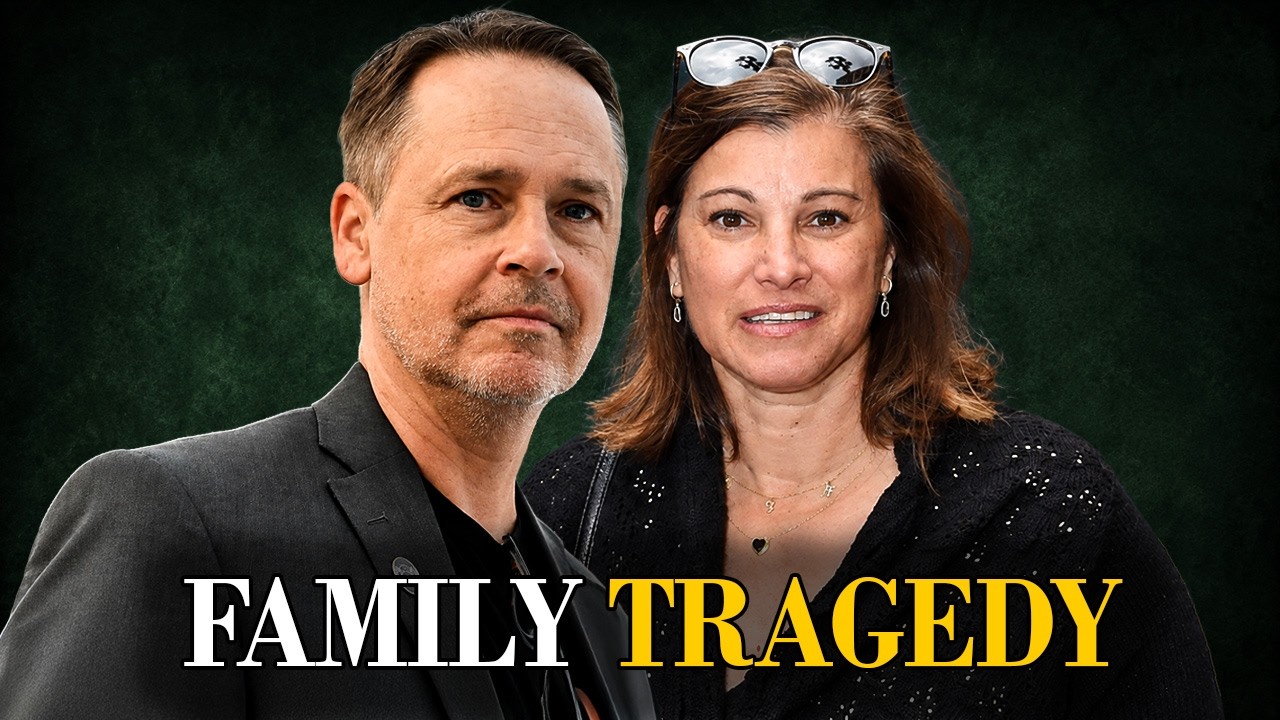
Then came the line that nearly every report repeated afterward: she was the light of their lives. The announcement was deliberately bare. No press conference followed, no interviews, no details about how she died. The family asked for prayers and privacy.
They also encouraged anyone struggling with mental health to contact the 988 Suicide and Crisis Lifeline. Some read that as an explanation. It was not. It was simply a family pointing strangers toward help.
For most of the public, Chad Lowe’s name brings a familiar shape. He is the actor from Life Goes On, a director, a face from Pretty Little Liars, and almost always the younger brother of Rob Lowe. When his name appeared in a headline, the assumption was usually Hollywood news. This week, the headline was something else entirely, and the statement made no mention of his career or his famous brother.
It was about one girl and the family standing around the loss of her. Fiona was born in November 2012, the middle of three daughters. Her elder sister, Mabel, was born in May 2009, and her younger sister, Nixie, arrived in March 2016. Chad had married Kim Painter, a producer, in 2010.
The family of five appeared together in public photos over the years, most notably on a red carpet in Burbank in February 2023 at a Disney premiere, with Fiona standing in the center of the frame. In November 2025, when Fiona turned thirteen, Chad marked the day on Instagram the way many parents do. He posted a photo of her smiling in cowboy boots, called her by the nickname Phi Bear, told her to keep dancing through life, and said he loved her with the extra letters parents add when one word is not enough. At the time, it was an ordinary post.
After this week, it became one of the last public images of her, a marker of the before. That birthday post was not the only public window into who Fiona was. In January 2025, the Palisades fire tore through parts of Los Angeles. Thousands of structures were lost, including the Lowe family home.
Rob Lowe spoke publicly about the loss, saying his brother had lost his house and everything in it. In February 2025, Chad shared photos of his daughters standing where their home used to be. His words that day were not about the property. He wrote that the way the girls handled the whole devastating experience was nothing short of remarkable, and that he was in awe of their spirit and resilience.
He said helping his daughters through the aftermath had become his sole purpose, and that being their dad was his life’s greatest joy and privilege. That pattern in how Chad spoke about his daughters appeared long before the fire. During a 2024 appearance on the Still Here Hollywood podcast, he described fatherhood as a privilege and said that having daughters had changed the way he looked at the world. A year later, in October 2025, he was photographed at a Nashville premiere event for 9-1-1: Nashville, working as a television actor still in steady motion.
The award stage and the film set were real parts of his identity. But by his own account, the center of his life was elsewhere, in the least glamorous places: a podcast conversation, a birthday caption, a few sentences posted after walking his daughters through the ruins of their home. This week’s loss did not touch some minor corner of his life. It reached the part of his identity he had spent years publicly placing at the very center.
A year and a half earlier, the family had lost a house, and a house, however painfully, can be rebuilt. Rooms can be repainted. New photographs can be taken. What the family lost now belonged to a different category altogether.
It could not be rebuilt, repainted, or replaced. The confirmed facts, as the family presented them, were few: Fiona died at thirteen, her family loved her deeply, and they asked for privacy. The cause of death was not publicly disclosed. Outlets from Fox News to People to entertainment publications across the country remained consistent on that point.
That gap in knowledge, however, does not stop the internet from filling itself in. Comment sections guess, strangers speculate, and theories get repeated until they begin to sound like facts. The detail that drew the most attention was the family’s closing encouragement to contact the 988 Suicide and Crisis Lifeline. Treating that line as a conclusion about their daughter would mean claiming knowledge the family chose not to share about a thirteen-year-old girl in the most painful week of their lives.
The public has no right to that conclusion, and the family gave no permission for it. There is also a simpler reason for restraint. Mabel is seventeen, and Nixie is ten. Whatever is said about their sister may be something they read someday.
What remains is the portrait the family chose to share. The statement called Fiona loving. The birthday caption was full of love. The statement called her creative and said she loved to dance.
The caption told her to keep dancing through life. Her father nicknamed her Phi Bear. Her sisters adored her. She stood with those sisters in the ashes of the family home and showed, in her father’s words, remarkable spirit.
That is not a biography. It is the version of Fiona her family was willing to show the world, and the only version anyone outside that family has any right to. What changed forever this week was not simply the announcement. The announcement is where the change became public, but the change itself reaches backward through years of documented family life.
A marriage in 2010, three daughters born in 2009, 2012, and 2016, a red carpet photo with Fiona in the center, a podcast where her father called fatherhood a privilege, a destroyed house and three girls in its remains, a father writing that being their dad was his life’s greatest joy, a birthday post full of nicknames and dancing. Not a single photograph has been altered, not a caption has been edited, and yet every one of those moments now reads differently. The family of five that appeared in all of them is not the same family anymore. That is what changed forever means here.
Not a mystery waiting to be solved, not a secret waiting to be exposed, but a family whose shared story, told in public over many years, now carries an absence no future chapter can undo. The Lowes had already faced the loss of a house. This is a loss of a different kind entirely. For everyone watching from the outside, the most respectful thing left to do is exactly what the family asked: remember Fiona the way they described her and leave everything else with them.
Chad once said his daughters taught him to see the world from their perspective. Today, the public sees his family through one small photograph, a girl in cowboy boots smiling. The picture has not changed.
Everything around it has.