The car pulled up to the basement apartment in Brooklyn on an August night, and Michael Franzese knew the setup the moment the door opened. He almost fainted. He was a captain in the Colombo crime family, making millions, and he had been summoned to meet the boss, Carmine Persico Jr. , who was on parole and running things covertly.
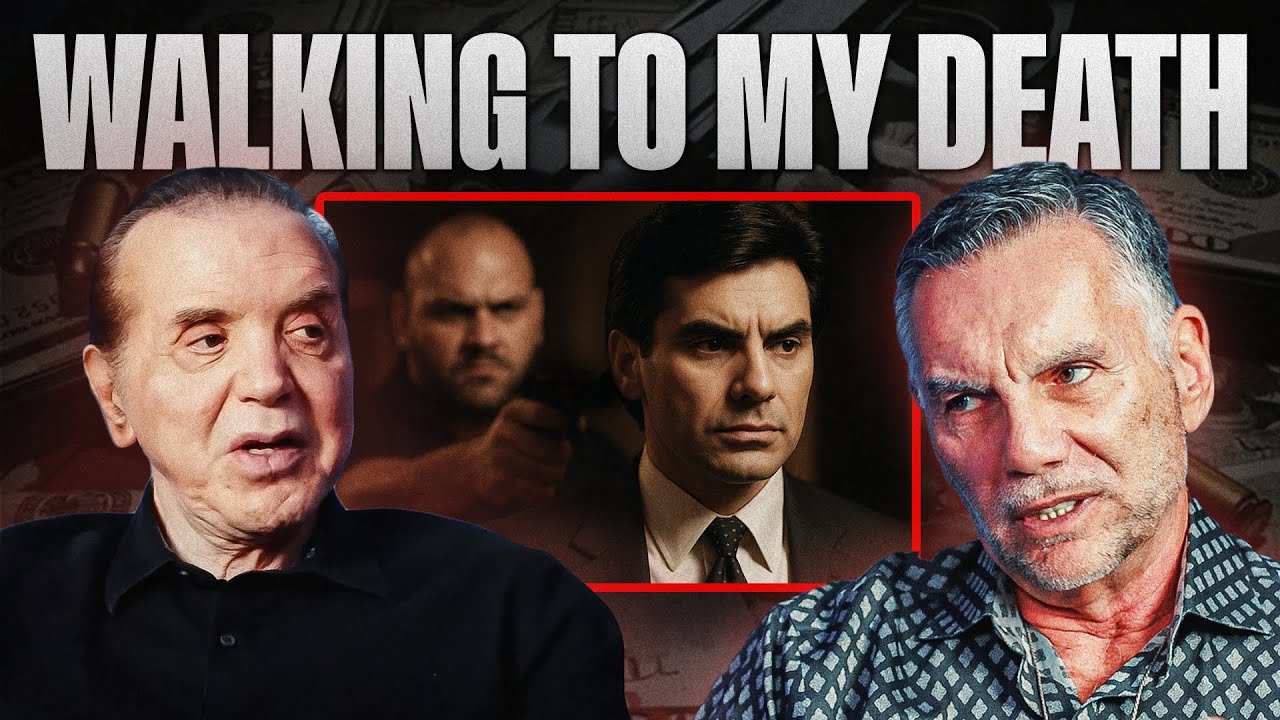
The walk from the car to that basement door was about thirty yards, and with every step Franzese told himself he was going to die there. He could smell the summer flowers. He could see the fireflies. He later said it was not heroism that kept him walking; it was something robotic.
If this was it, this was it. The meeting had been arranged with unusual care, and that alone troubled him. His father, also a captain, had been ordered to come first. Franzese was to come second, separately.
That had never sat right with him. There was talk on the street that he was growing powerful enough to break away from the family, that he might start his own organization. An article in the Long Island press had fueled the speculation. Franzese laughed it off when he read it, but he knew the rumor had gotten into people’s heads.
He had a big crew. He was running a lucrative gas business. He was taking in two million dollars a week and taking all the risk himself. People in the life were watching to see what he would do.
When his father relayed the order about the separate arrivals, Franzese argued for the first time in his life. He told his father they should go together, that separating them made no sense, that there was too much talk on the street. His father insisted they had to follow orders. They went back and forth for half an hour before Franzese finally threw up his hands and agreed.
He had listened to his father his whole life, and he would do it again. A friend, Captain Jimmy Angelina, told him to meet at a certain spot. Franzese left his own car and climbed into Angelina’s. There was another man in the back seat, someone Franzese recognized but who was not a made member of the family.
He wondered why the man was there, whether he had been brought along to do work that night. Angelina drove for about fifteen minutes, making sure they had no tail, all the while talking about the Yankees while Franzese sat silently, waiting to hear what the meeting was really about. When they reached the house, the man got out too. Franzese heard two car doors slam and thought it strange that the man would be coming into the meeting.
He was getting scared. Inside, there were four men in the room, including Persico and the younger man who had ridden in the back seat. Franzese sat down and was questioned about the gas business. Persico mentioned the article.
Franzese pushed back, telling him that whenever the papers wrote about somebody else it was always a lie, but now that they were writing about him it was suddenly true. He could feel himself getting angry, and then he caught himself. He knew the rule: never outshine the master. The meeting lasted about an hour.
Franzese did most of the talking in his own defense. His father was not in the room. When it was over, Persico hugged him, offered a glass of wine, and everything seemed good. Franzese wanted to leave.
He had a long ride home. He got back in the car with Angelina, and now the anger came out. He was furious that his friend had not prepared him, had not warned him that this could be serious. Angelina, calm, asked him a single question: if the situation were reversed, would Franzese have told him?
Franzese thought about it honestly and admitted that no, he probably would not have. Angelina said that was the life they led. They drove in silence for about ten minutes, Franzese turning everything over in his head, wondering if this was only a prelude to something worse. As Franzese was getting out of the car, Angelina grabbed his arm and told him he was going to say something he would not like, but that he was a friend and Franzese could take it to the bank.
Your father was in there before you tonight, Angelina said. He didn’t help you one bit. Franzese did not ask for details. He did not want to have that discussion about his father.
He got out and walked to his own car, and the picture assembled itself in his mind. He knew his father. He knew exactly what had happened in that room. His father had said nothing.
He had let Franzese carry the whole weight, had distanced himself from the questions about missing money and the stories in the press. He had thrown his son under the bus. He had not stood up and said that his son would never steal from the family. He had just backed off, let the suspicion linger, and protected himself.
It crushed Franzese. He later said that if this life was going to separate a father and son, then he had nothing left in it. He told no one. In that life, you kept your mouth shut.
He never approached his father about it. He carried it alone and said nothing for years. There was a history between Franzese and his father that made this particular betrayal all the more loaded. Years earlier, while Franzese was in jail after walking away from the life, federal agents had told him there was a contract on his life and that their informants said his own father had gone along with it.
Franzese told them he would worry about his dad, and he dismissed the idea outright. He knew his father would never put a bullet on his head. The feds might have heard something, he reasoned, but people had not known what Franzese was going to do once he walked away. He had left the family.
Would he turn informant? Would he put people in trouble? His father had looked out for himself. Franzese understood the logic, even if it stung.
But this night in Brooklyn was different. This was his father failing him in person, in front of the boss, when it mattered most. Years later, when Franzese wrote his first book, Quitting the Mob, he debated whether to include the story. He finally did.
His father read it and questioned him about it, asking whether Franzese believed Angelina. By then, Angelina was dead. A couple of years after that night in Brooklyn, Angelina had been walked into a room and had not walked out. Franzese had warned him that night, telling him he was still one of them, that he should not get too comfortable with the Persico faction.
Angelina had been given union jobs and thought he had it good. Franzese remembered telling him, don’t get too comfortable. Angelina got made at the same time Franzese did. They had come up together.
Franzese met his wife two years after that night. He told no one, not even her, about what his father had done. But he later said that if that incident had never happened, he did not think he would have walked away from the life. It had that much impact on him.
It broke the bond of awe he had held for his father. He still loved him, but the disappointment was profound. A father and son in that world, and the father had let the son stand alone. Franzese looked back on that August night as a defining moment.
He had walked into a basement apartment believing he might die there. He had been questioned, tested, and made to feel the full weight of the boss. And he had come out unharmed, only to learn that the one man he trusted most had left him to face it alone. In that life, he said, you had to watch everything.
Trust was a commodity in short supply. And the man who should have been his strongest ally had shown him, in the most practical way possible, that even a father and son could be separated by the rules of the game.