On October 3, 1950, China issued its final warning through India’s ambassador. The message was direct and official: if American forces crossed the 38th parallel and advanced toward the Chinese border, China would intervene. In Tokyo, General Douglas MacArthur read the warning and dismissed it as a bluff from a weak nation that would not dare confront American military power.
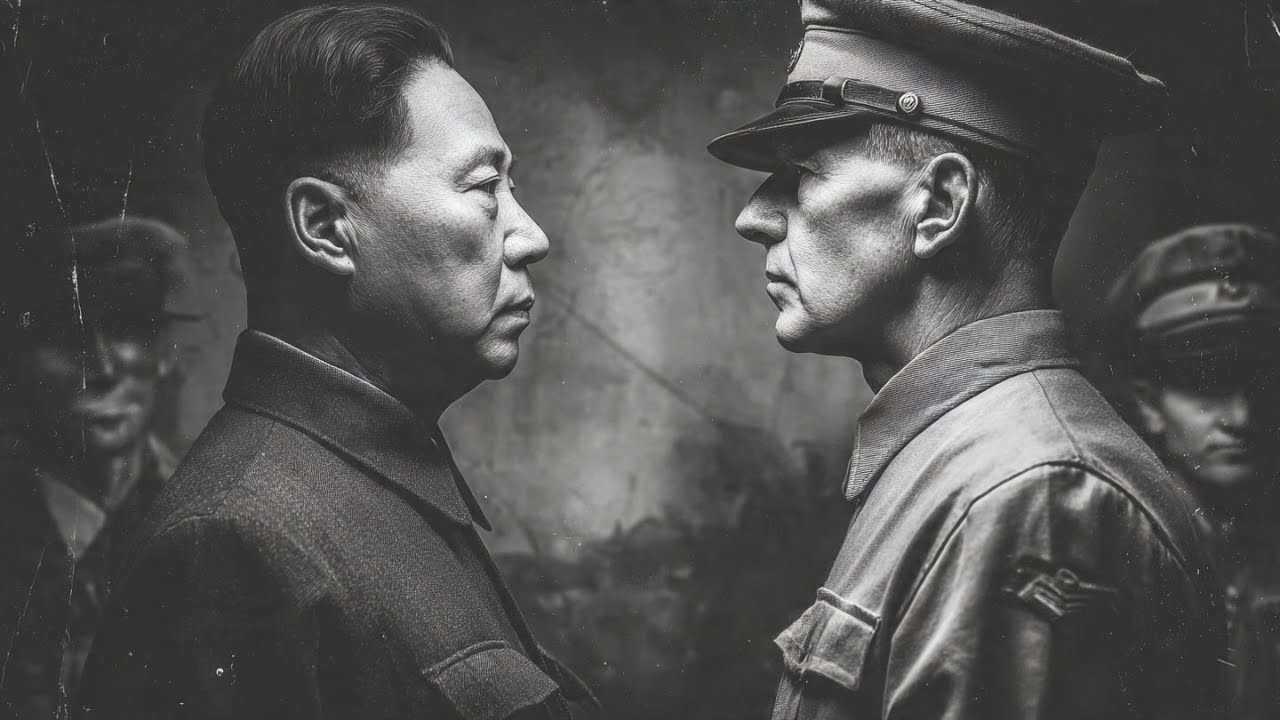
In Beijing, Mao Zedong waited for MacArthur’s response. When American forces crossed into North Korea anyway, Mao’s reaction was not anger or surprise. It was cold satisfaction.

He had watched his enemy make the fatal mistake he had been hoping for. The warning was not a bluff. It was a final chance MacArthur threw away.
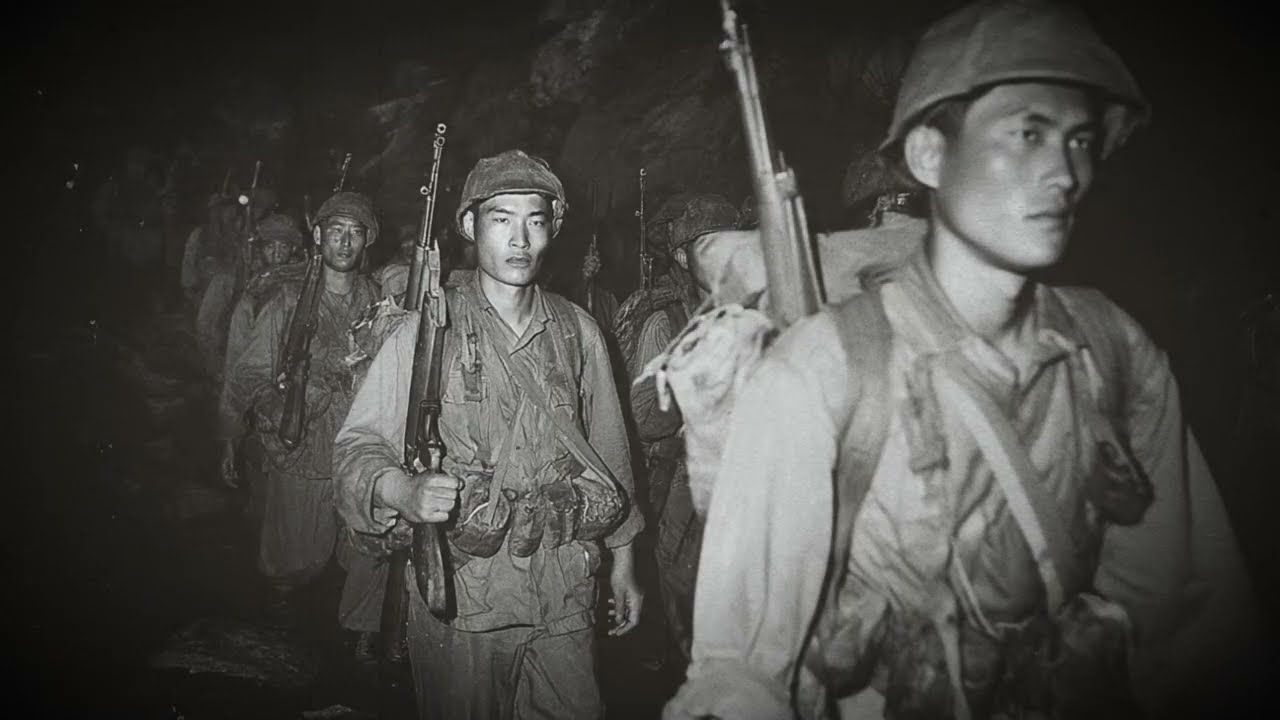
The warning China issued was not subtle or ambiguous. Chinese Premier Zhou Enlai summoned Indian Ambassador K. M.
Panikkar to a midnight meeting and delivered a clear message. China could not tolerate American forces approaching the Yalu River. If United Nations forces crossed the 38th parallel, China would be forced to intervene.
The message was transmitted immediately to Washington and to MacArthur’s headquarters in Tokyo. This was official diplomatic communication from the Chinese government, not