The American West of the 1880s was far more complex than the simple tales of cowboys and outlaws often suggest. It was a landscape of diverse cultures, shifting alliances, and profound struggles, particularly for the Native American tribes who had inhabited the land for centuries. The period leading up to and including 1883 was a time of immense pressure, as the United States government pushed for expansion and the confinement of Indigenous peoples to reservations.
At the heart of this turbulent era was a deep-seated tradition of intertribal warfare. For many tribes, conflict was not an aberration but a constant state of being. Neighboring tribes occupying adjacent lands were frequently on the warpath, driven by a complex web of territorial disputes, historical grievances, and the ambitions of powerful chiefs.
This state of near-constant conflict was a defining feature of life, shaping political structures and social dynamics across the plains.
This fragmentation was not limited to warfare. The source material notes a remarkable tendency among Native peoples to splinter into smaller, independent bands rather than unite under a single, large authority. There were more than 66 distinct bands of youths with diverse dialects, each preferring to be led by a chief of a small group than to serve as a sub-chief in a larger one.
This preference for autonomy was a deliberate strategy to prevent any subsequent concentration of power, except when forced by the exigencies of war. This pattern was widespread, with 34 separate Sioux bands and 19 Shoshone, or Snake, bands identified across the region.
This process of fragmentation could lead to permanent separation. Two bands of Shoshone wandered eastward over the Rocky Mountains, becoming alienated from their parent tribe. Over time, they lost their original tribal name and are now known as the Bannock.
So complete was their separation that they lost the ability to communicate in their native language. Similarly, the 28 bands of Apaches, despite sharing a common continent and origin, were known for their bitterness and hostility towards one another. Yet, they remained strong in numbers, warlike in spirit, and crafty, occupying a country that was nearly inaccessible to white settlers.
The US government’s efforts to subdue these diverse and independent peoples were complicated by this very fragmentation. The situation was likened to a "confusion of tongues," a Babel of different languages and dialects that made communication and unified resistance difficult. This linguistic diversity was a significant feature of savage life.
The use of a universal sign language became a practical necessity on the plains, as it was the only way for tribes with mutually unintelligible spoken languages to communicate.
A striking example of this linguistic separation is found in the long-standing friendship between the Cheyenne and Arapaho tribes. For 60 years, they had been the closest of allies, occupying the same country, living in the same camps, and making peace or war with the same enemies. Their children played, fought, and hunted together, conducting themselves as if they were one people.
Yet, remarkably, not one in ten individuals from either tribe could hold even the most ordinary conversation in the language of the other. One language was relatively easy to learn, while the other was so difficult that even the best interpreters were forced to rely on sign language. Despite this, each tribe stubbornly maintained its own language for internal communication, while sign language became the universal medium for interaction between them.
Words from various tribes, such as the Narraganset name for woman and the Algonquin word for child, became common property for cross-cultural communication.
Estimating the total Native population was a challenge fraught with error. Estimates ranged wildly from 300,000 to 3 million, often based on unreliable reports. These numbers were frequently overestimated due to each tribe’s need for food and safety, their natural tendency to split into bands, and a deep-seated aversion to being counted.
This aversion was particularly strong after the government began issuing rations, leading to suspicion that the count was motivated by self-interest. Agents might report 500 rations for a group of 300, inflating the numbers to their own advantage.
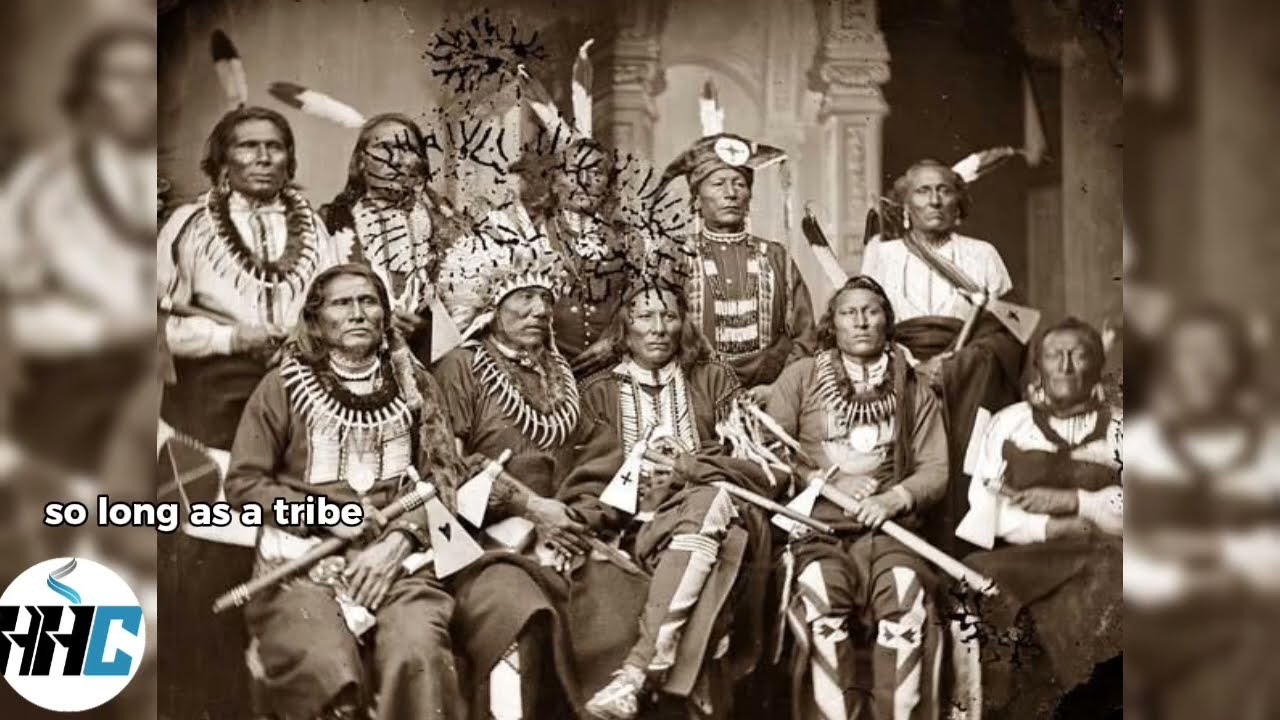
In the 50 years leading up to 1883, the Native population had significantly decreased. The remaining people were concentrated into dangerous districts where they were frequently devastated by diseases such as smallpox, measles, and cholera. Despite their nomadic lifestyle, tribes maintained a strong attachment to their homeland.
Even a small tribe required a vast territory for survival. Their movements were dictated by the seasons, with camps frequently relocated in the spring to find fresh grass for their horses. In the winter, they would choose a sheltered encampment within their territory and remain there for the three to five months of cold weather.
This attachment to their country was one of their strongest characteristics, and forced removal caused profound homesickness.
The perception of the American Indian as a stoic, silent figure was a misconception. In reality, they were vivacious and chatty, enjoying telling and hearing stories. They were known as mischievous braggarts who enjoyed making others laugh and rousing the midnight echoes with song and dance.
Their dignity and reserve were reserved for formal situations. In their daily lives, they were curious and eager to know what was going on around them, reading every mark on the ground and engaging in camp gossip. When a stranger arrived in a village, the locals would crowd around, standing on tiptoe to get a better look, straining their eyes and ears to learn all they could.
Endurance and the ability to suffer pain without showing emotion were highly valued as signs of manhood. Patience was also a prized quality. Modesty, however, was often lacking.
In the absence of newspapers or reporters to highlight a warrior’s accomplishments, self-promotion was not considered a disgrace. Many warriors would boast openly about their past deeds and future plans. Customs regarding modesty differed from civilized norms.
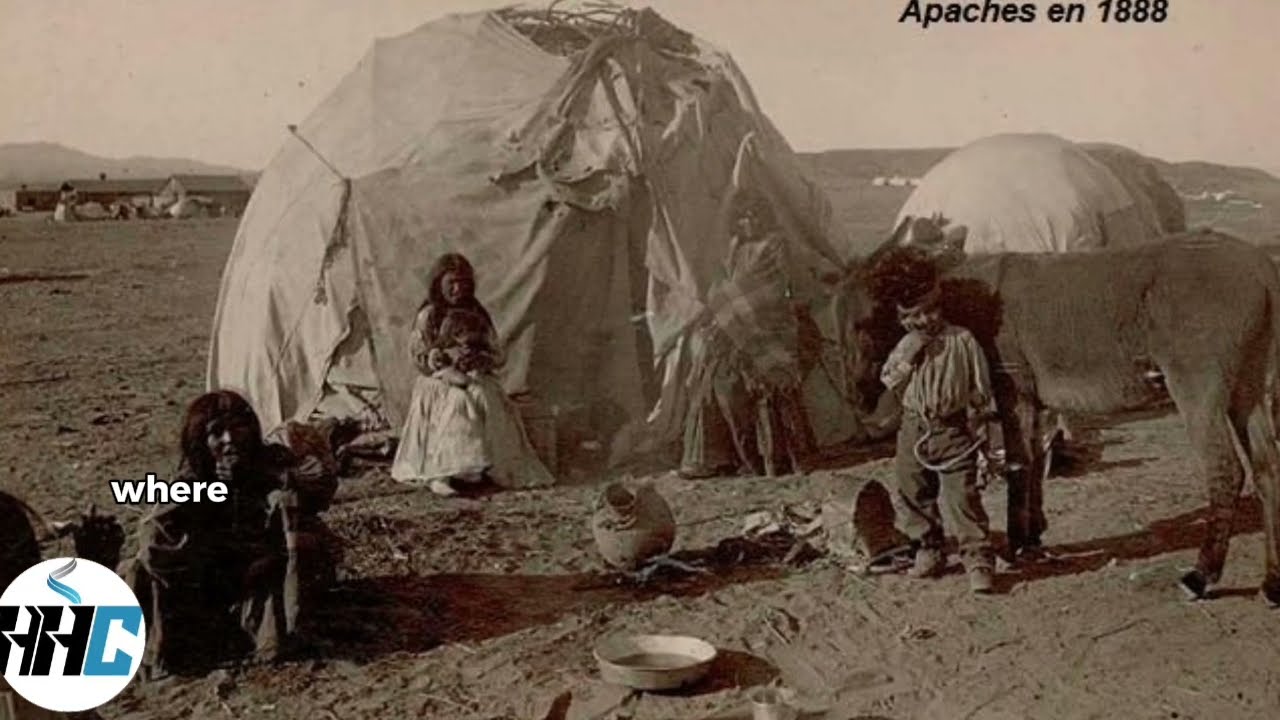
Clothing was worn for ornamentation rather than decency, and it was not uncommon to see boys and girls joining in dances without comment. Men, women, and even young girls thought nothing of bathing and running around the village.
The question of the Indian’s honesty was a matter of debate. Some authors, like Catlin, claimed they were honorable and had never stolen from him, while others argued they were thieves. The truth was more nuanced.
Within their own bands, they were totally honest. Theft was considered the only unpardonable crime, and there were no locks or safes. Each Indian had the right to enter any lodge in the band at any time.
Trust was absolute within the group.
Leadership structures were complex and shifted with circumstance. The hereditary chief was always recognized as the over-in ruler, even if his age or temperament made him unfit to lead. However, in times of war, his influence often waned.
The war chief, chosen for his skill and ferocity, would rise to prominence. His word became law, and even the hereditary chief had to submit to his authority. In some tribes, the roles of war chief and medicine chief were combined in a single person.
The narrative of the West is filled with such figures, and the legacy of these leaders and their people would shape the nation’s history for generations to come.