In 1987, a single hunter in a jungle proved that terror does not require an army. The film Predator dropped a squad of elite soldiers into hostile terrain and then dismantled everything they believed about combat. One by one, their weapons, their discipline, and their confidence became useless against an invisible enemy that studied them, stalked them, and killed them with frightening ease. Arnold Schwarzenegger’s Dutch, Carl Weathers’s Dillon, and Kevin Peter Hall’s towering creature turned the movie into an action and science fiction landmark.
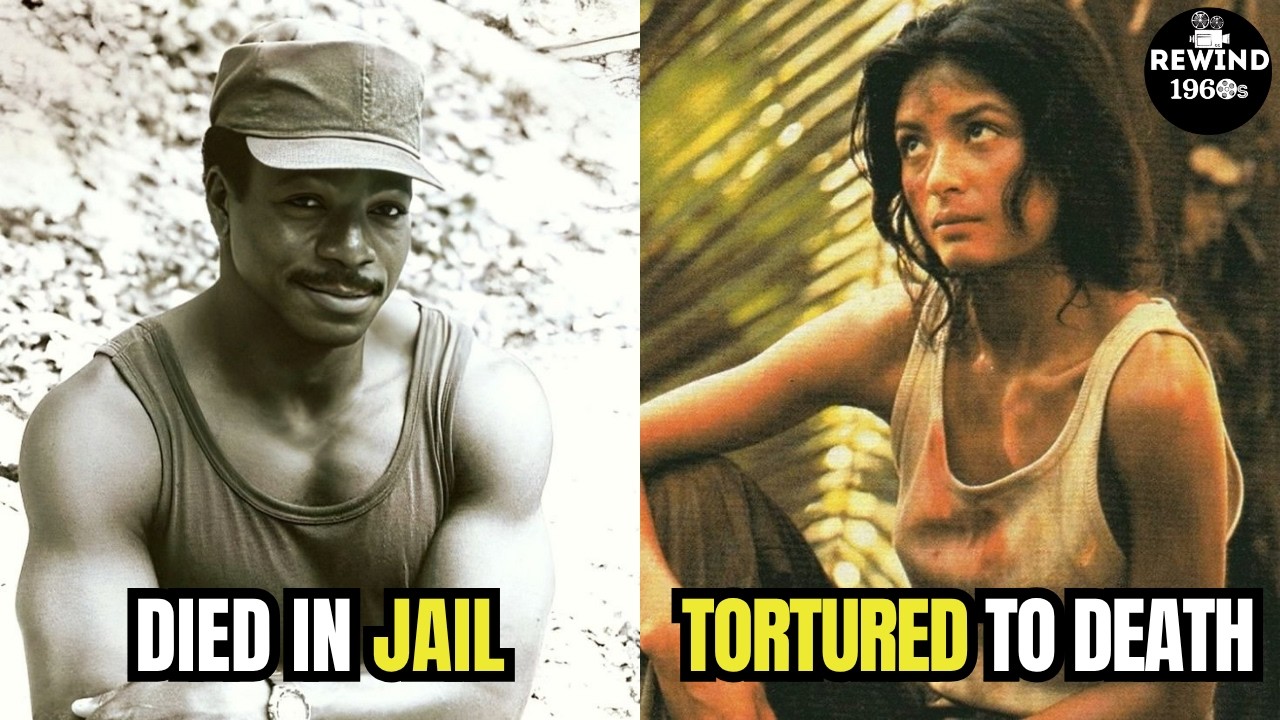
Three years later, Predator 2 moved the hunt into the sun-scorched streets of Los Angeles and introduced a new cast led by Danny Glover as a police lieutenant who refused to stop chasing the creature. Nearly four decades later, some of those performers remain active, while others were lost far too soon. Major Dutch Schaefer entered the jungle looking unbeatable. He led one of the most formidable military teams imaginable, men who carried heavy weapons, possessed years of experience, and operated with absolute certainty that they could control any battlefield.
Arnold Schwarzenegger, forty when the film was released, brought Dutch an imposing physical presence that audiences already expected from an action star. But the character succeeded because of his mind. As the Predator removed the team’s advantages one by one, Dutch learned faster than the creature expected. Technology became useless.
Brute strength proved insufficient. The final confrontation was won through observation, camouflage, traps, and patience. Dutch did not defeat the alien by becoming stronger. He survived by becoming more adaptable.
In 2026, Schwarzenegger is seventy-nine, having built a career that extended from the Terminator films to the governor of California from 2003 to 2011. Yet Dutch remains one of his most enduring characters because the role reduced an apparently indestructible action hero to a frightened human being forced to think. Among the soldiers Dutch led into the jungle was Mac Elliot, played by Bill Duke, who was forty-four when the film arrived. Mac brought a quiet intensity to the squad, a man who rarely wasted words because his attention always seemed fixed on something beyond the conversation.
His defining bond was with Blaine, and that friendship was established without sentimental speeches, which made Blaine’s death feel even more powerful. Once his friend was killed, Mac changed. His discipline narrowed into obsession, and hunting the Predator became personal. Duke communicated that deterioration through voice and expression, through the haunted concentration of a man replaying loss inside his head.
His whispered moments in the jungle felt unsettling because Mac seemed to be talking himself toward revenge as much as communicating with anyone else. Duke, now eighty-three, built a career beyond acting as a respected director and producer. Mac remains one of his most recognizable action roles because Duke gave the character emotional weight without demanding constant dialogue. Mac did not fall because he lacked courage.
He fell because the Predator understood how to turn loyalty into vulnerability. Blaine Cooper, played by Jesse Ventura, entered the film with the confidence of a man who believed very little in the world could frighten him. Ventura was thirty-six, bringing enormous physical presence, swagger, and a heavy gun that became a character in its own right. His jokes, toughness, and friendship with Mac helped define the team before the mission collapsed into horror.
That is why his death mattered so much. Predator deliberately created a group of soldiers who seemed almost invincible, then let the alien eliminate one of the largest and most heavily armed members with frightening ease. Blaine’s fall told the audience that normal action movie rules no longer applied. The men were not hunting anymore.
They were prey. Ventura, now seventy-five, later became governor of Minnesota from 1999 to 2003 after a path through professional wrestling, acting, writing, and political commentary. Blaine remained one of his signature roles because the character’s confidence made his sudden vulnerability the first moment the film truly became frightening. Billy Sullley, played by Sonny Landham, sensed something wrong before technology or evidence could explain it.
Landham was forty-six and gave Billy a stillness that felt almost supernatural without pulling him outside the film’s military reality. He listened to the jungle differently from the other men. While everyone else searched for tracks, weapons, or conventional enemies, Billy felt the presence of something they could not identify. When he finally removed his equipment, cut himself, and waited alone on the bridge, the decision felt almost ritualistic.
He knew escape might be impossible, so he chose how he would face the hunter. Landham did not need dialogue to sell the moment. His posture told the story. Sonny Landham passed away on August 17, 2017, at the age of seventy-six from congestive heart failure.
Billy endures because his final stand turned bravery into something almost ancient, not confidence in survival, but the refusal to run from an ending he already sensed was coming. Jorge Ponce Ramirez, the squad’s explosives expert, was played by Richard Chaves, who was thirty-six. Chaves gave the character a grounded military competence that balanced some of the louder personalities in the squad. Poncho mattered because Predator worked best when the team initially felt credible.
These men knew what they were doing. They could navigate hostile territory, read danger, and build devastating traps. That competence made the Predator’s ability to dismantle them far more frightening. Poncho survived several encounters and kept moving even after suffering serious injuries, reinforcing the team’s refusal to abandon its own.
Chaves played him without unnecessary heroics. The courage came from continuing to function while exhausted, wounded, and increasingly aware that the enemy operated by rules none of them understood. Now seventy-four, Chaves remained connected to audiences through convention appearances. Poncho remains one of Predator’s essential team members because every loss in the film removed another piece of the squad’s structure until Dutch stood alone.
General Phillips, played by R. G. Armstrong, stood at the beginning of the nightmare. He was the authority figure who sent Dutch and his men into a mission whose true shape they did not understand.
Armstrong was seventy when he took the role, bringing decades of character acting into limited screen time. Phillips represented the normal world of rank, orders, and the belief that command had answers. Once Dutch reached the jungle, none of those structures could save him. Armstrong passed away on July 27, 2012, at the age of ninety-five from natural causes.
Rick Hawkins, the nervous, joke-telling communication specialist, was played by Shane Black, who was twenty-six. Hawkins used crude jokes like a pressure valve, filling moments of tension with humor. That humor became important because the film needed the team to feel relaxed before terror took over. Hawkins was one of the first men killed by the Predator, and the suddenness of his death changed the entire tone.
The jokes stopped. The jungle no longer felt like hostile terrain containing human enemies, but something unseen. Black, now sixty-four, went on to shape action cinema from behind the camera through Lethal Weapon, Kiss Kiss Bang Bang, and The Nice Guys. Hawkins remains a fascinating early chapter in that career.
Kevin Peter Hall was thirty-two when he brought the Predator to life. His extraordinary seven-foot-two frame created a physical language unlike the human soldiers around him. Hall made the creature’s choices readable even beneath heavy prosthetics. The head movements, posture, pauses, and deliberate stalking gave the predator personality without conventional dialogue.
What could have been merely a monster suit became an intelligent hunter with recognizable curiosity and pride. Hall understood that movement, rhythm, and restraint mattered more than size. Kevin Peter Hall passed away on April 10, 1991, at only thirty-five from complications related to AIDS. He remains inside a creature whose face was hidden for much of the movie because his body told audiences everything they needed to know.
The Predator was not simply chasing Dutch’s team. It was watching them, judging them, and enjoying the hunt. Predator 2 brought the hunt to Los Angeles. Lieutenant Mike Harrigan, played by Danny Glover, who was forty-four when the sequel arrived in 1990, was a police officer trying to keep order while gangs, government agents, and an invisible extraterrestrial turned the city into another battlefield.
Glover gave Harrigan stubbornness, anger, exhaustion, and a fierce refusal to abandon people under his responsibility. He did not have Dutch’s physical size, which made the final pursuit particularly effective. Harrigan survived through determination, improvisation, and the absolute refusal to stop following the creature. Now eighty, Glover’s career extends across decades of film, television, producing, and directing.
Harrigan endures because the sequel proved the Predator did not need a jungle to hunt. It only needed someone stubborn enough to become worthy prey. Peter Keyes, the government agent who believed the Predator could be understood and captured, was played by Gary Busey, who was forty-six. Keyes knew far more about the creature than Harrigan did.
His team had studied patterns, technology, and previous encounters. But that knowledge produced arrogance. Keyes believed preparation had finally placed human beings ahead of the Predator. The creature quickly proved otherwise.
Busey, now eighty-two, brought unpredictability into a character built around control. Keyes endures because his downfall reflected one of the franchise’s core ideas: human beings become most vulnerable when they stop respecting how dangerous the hunt really is. Danny Archuleta, played by Rubén Blades, who was forty-two, gave Predator 2 its strongest emotional connection. He was the trusted police partner whose loss made Harrigan’s pursuit deeply personal.
Their friendship suggested shared history. When the Predator killed Danny, Harrigan’s investigation stopped being simply professional. Every step toward the creature afterward carried grief and anger. Blades, now seventy-eight, built an extraordinary career spanning acting, music, and politics.
Danny endures because loyalty often becomes visible most clearly in the grief left behind after someone is gone. Leona Cantrell, played by Maria Conchita Alonso, who was thirty-five, brought toughness and practical courage to the sequel. She was not presented as someone who needed to be rescued. Leona worked alongside the team and reacted quickly under pressure.
Alonso, now sixty-nine, gave the character a grounded humanity that balanced the film’s larger science fiction spectacle. Leona could be brave and still understand the horror unfolding around her. Survival in this universe did not belong only to the biggest or most heavily armed person. Sometimes it belonged to the person alert enough to keep moving when the impossible appeared.
Jerry Lambert, played by Bill Paxton, who was thirty-five, entered with jokes and bravado. But Paxton made the character more than comic relief before the hunt caught up with him. Lambert talked fast and pushed boundaries, but as the Predator’s presence became undeniable, he proved willing to stay in the fight. His confrontation with the creature became another reminder that courage does not guarantee survival.
Bill Paxton passed away on February 25, 2017, at the age of sixty-one due to complications from surgery. His career included Aliens, Twister, and Apollo 13. Lambert endures because he felt alive in a very specific way: talkative, flawed, funny, and suddenly brave when the joke was over. Anna, played by Elpidia Carrillo, who was twenty-six, began as a captive but became one of the most important survivors.
She understood the jungle differently because she knew the local stories, stories about something that arrived during the hottest years, taking people and leaving terrifying evidence behind. Anna realized one of the Predator’s rules before the soldiers fully understood it: the creature did not kill everyone indiscriminately. That insight helped keep her alive. Carrillo, now sixty-five, gave Anna fear without helplessness.
Anna endures because she helped the audience understand the creature long before Dutch finally learned how to fight it. Dillon, played by Carl Weathers, who was thirty-nine, arrived carrying history with Dutch and secrets he had no intention of revealing. He manipulated Dutch’s team into a mission whose real purpose had been concealed. Yet once the Predator began hunting them, the political games became meaningless.
Dillon saw what his choices had cost, stayed with the team, and eventually chose to fight rather than hide behind authority. Carl Weathers passed away on February 1, 2024, at the age of seventy-six. His career extended from Apollo Creed to The Mandalorian. Dillon endures because Weathers made pride, guilt, friendship, and courage exist inside the same formidable man.
Some of these performers are still with us in 2026, while Carl Weathers, Bill Paxton, Sonny Landham, Kevin Peter Hall, and R. G. Armstrong are gone.
But one distorted shimmer in the trees, one clicking sound in the dark, and the hunt begins all over again.