Doc Holliday was not the loudest man in the room, but he was the one no one dared to cross. While others abandoned Wyatt Earp when the situation turned desperate, Holliday stood beside him. He was sick, outnumbered, and outgunned, yet none of that mattered. He showed up anyway.
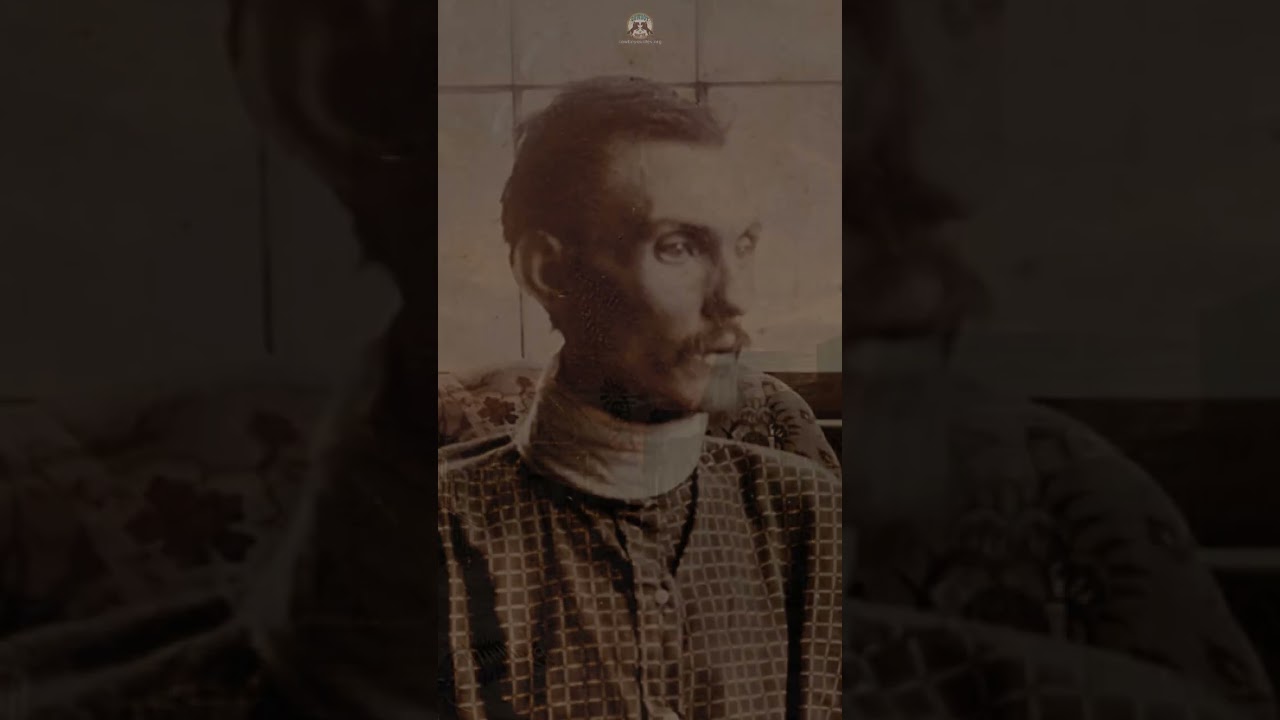
The confrontation that would define both men took place in Tombstone, Arizona, a rough silver-mining boomtown that attracted gamblers, gunmen, and those looking to escape their pasts. By the fall of 1881, the town was a powder keg of tensions between the Earp brothers and a loosely organized gang of cattle rustlers and outlaws known as the Cowboys. The Earps, backed by the authority of law enforcement, had made enemies of men who did not respect the law. Doc Holliday, a gambler and dentist by training, had followed his friend Wyatt to the territory, and he had already earned a reputation for being quick with a knife and faster with a gun.
The trouble reached its breaking point on the evening of October 26, 1881. A confrontation had been brewing for days, and the Cowboys made no secret of their contempt for the Earps. When word spread that Ike Clanton and his associates were armed and threatening violence in the streets, Wyatt Earp, his brothers Virgil and Morgan, and Doc Holliday moved to disarm them. The decision to confront the Cowboys openly was a risky one, and it was made with the full knowledge that a fight was likely.
Holliday, despite his failing health and a body weakened by tuberculosis, took his position. He carried a shotgun under his coat, a weapon that signaled the intent to end the matter quickly. The two groups met in a vacant lot near the O. K.
Corral. Shots were fired within seconds. When the gunfire stopped, three Cowboys lay dead or dying, and several others were wounded. Holliday had been grazed, and Virgil Earp was hit in the leg, but the Earps and Holliday survived.
The Cowboys, however, did not accept the outcome. The gunfight had not settled anything; it had only deepened the feud. The aftermath turned the Earps and Holliday from lawmen into fugitives in the eyes of many in Tombstone. The Cowboys and their sympathizers painted the shooting as a cold-blooded murder rather than an act of law enforcement.
Legal proceedings followed, and a preliminary hearing was held to determine whether the Earps and Holliday should stand trial for the deaths. The court ultimately ruled that the shooting was justified, but the decision did not end the violence. The Cowboys sought revenge, and the Earps became targets. Morgan Earp was the first to fall.
On March 18, 1882, he was shot through a window while playing billiards in Tombstone. He died that night. The murder fractured what remained of the Earps’ position in the town. Wyatt, now the only surviving Earp brother still walking free, was consumed by the need for retribution.
He believed that the men responsible for Morgan’s death were still protected by the Cowboys’ network, and he made the decision to take justice into his own hands. Doc Holliday, loyal to the end, did not hesitate to join him. What followed was a series of killings carried out by Wyatt Earp’s posse, which included Holliday and a few other trusted men. The group hunted down the men they believed had murdered Morgan.
One by one, they were tracked down and killed. The posse operated outside the law, and the authorities in Arizona soon issued warrants for their arrest. The Earps and Holliday, once the enforcers of order in Tombstone, had become wanted men themselves. The pursuit forced them to flee.
The group crossed into New Mexico and then into Colorado, always staying ahead of the lawmen who sought to bring them in. Holliday’s health, already poor, continued to decline as they moved. The tuberculosis that had plagued him for years sapped his strength, but he never left Wyatt’s side. He could have surrendered or separated from the group to save himself, but he chose to remain with the man he considered his friend.
By the spring of 1882, the posse had effectively disbanded. Wyatt Earp managed to avoid capture and eventually settled far from Arizona, living out the remainder of his life in relative obscurity. Holliday, however, did not have that luxury. His condition worsened, and by 1887, he could no longer travel.
He ended his days in a sanatorium in Glenwood Springs, Colorado, where he died of tuberculosis at the age of thirty-six. The friendship between Doc Holliday and Wyatt Earp became legendary, but the reality of their bond was forged in violence and necessity. Holliday was not a man given to speeches about loyalty. He was a man who acted, and when the moment came, he stood beside Wyatt Earp when it would have been easier to walk away.
He was dying, outnumbered, and at a disadvantage, but he stayed. The story of the O. K. Corral is often told as a tale of lawmen facing down outlaws, but it is also a story of a man who proved his allegiance not with words, but with his presence at the most dangerous moment of his friend’s life.
He showed up, and that was enough.