The charred remains of Nazi Germany’s executed leadership were secretly reduced to ash and dumped into a Munich stream in a covert U. S. Army operation that remained classified for decades, declassified documents and eyewitness accounts have revealed, shedding new light on one of the most macabre chapters of post-war justice.
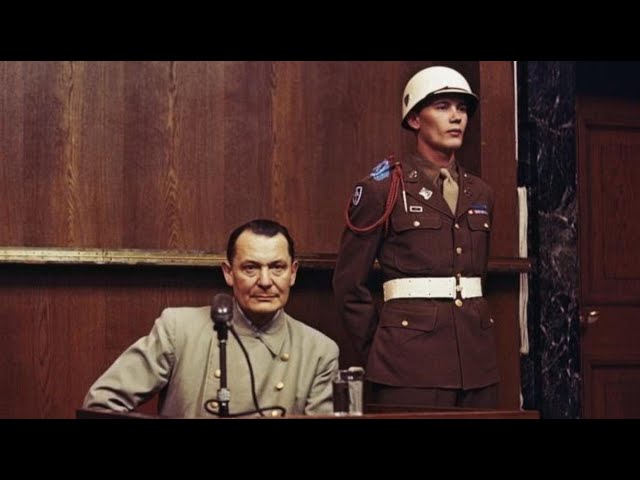
The operation, carried out in absolute secrecy on October 17, 1946, came just hours after ten senior Nazi officials were hanged in the gymnasium of Nuremberg’s Palace of Justice, following the International Military Tribunal’s historic verdicts handed down on October 1, 1946.
Reichsmarschall Hermann Goering, the most senior Nazi leader placed on trial, had cheated the hangman by committing suicide in his cell the night before his scheduled execution, using a cyanide capsule smuggled past prison security. His body, however, would join the others in the clandestine disposal operation.
The remaining ten defendants—Field Marshal Wilhelm Keitel, Foreign Minister Joachim von Ribbentrop, SS Obergruppenführer Ernst Kaltenbrunner, Nazi theorist Alfred Rosenberg, Hans Frank, Wilhelm Frick, Julius Streicher, Fritz Sauckel, Alfred Jodl, and Arthur Seyss-Inquart—were hanged by a special team of U. S. Army executioners using two gallows constructed in the gymnasium.
The executions themselves were deeply problematic. Multiple hangings resulted in slow death by strangulation lasting up to 28 minutes rather than the intended quick death from a broken neck. Several condemned men smashed their heads against the trapdoor as they fell because the opening was too small.
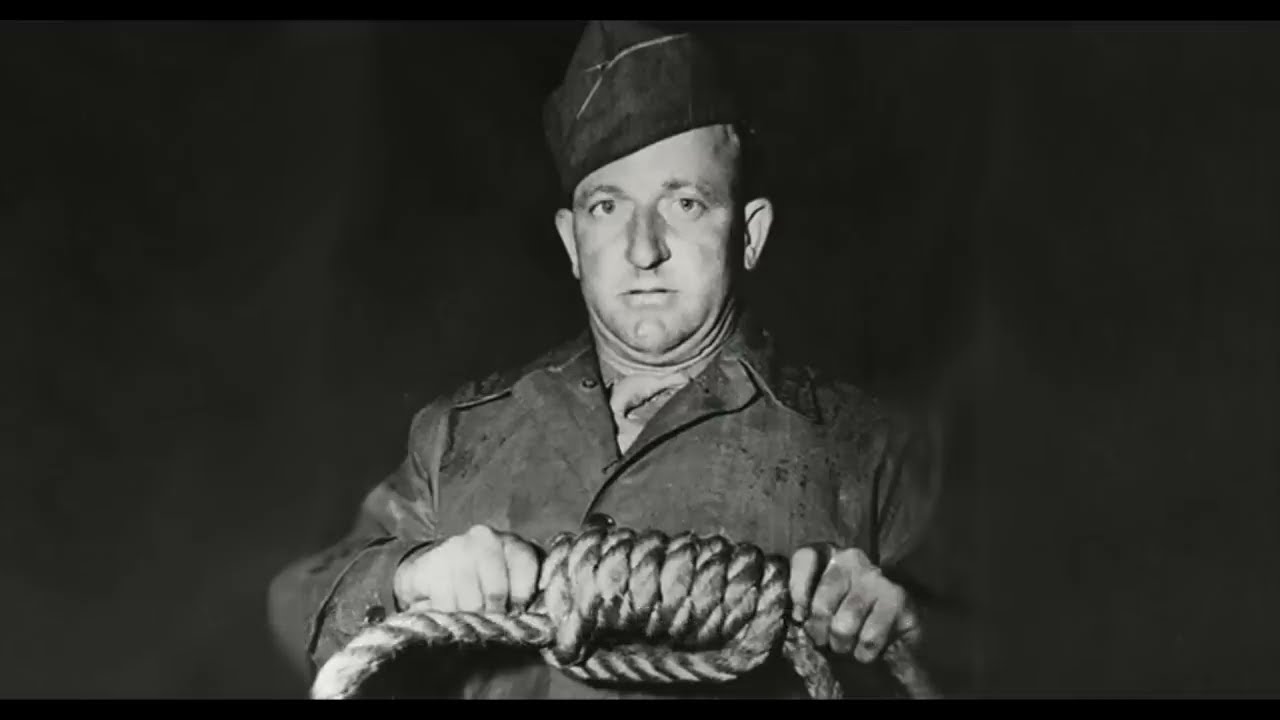
Master Sergeant John C. Woods, a controversial figure who had been discharged from the U. S.
Navy in 1930 after being diagnosed with “constitutional psychopathic inferiority,” conducted the hangings. Woods had falsely claimed hangman experience and was selected as an army executioner during the war, reportedly bungling at least 11 executions of convicted American servicemen before arriving at Nuremberg.
But the story that has remained largely hidden for decades concerns what happened after the executions concluded. The U. S.
Army enacted a top-secret and deeply macabre operation to dispose of the bodies, suppressing details of the procedure for years.
After carefully photographing and labeling the bodies, military personnel stripped each corpse naked and placed them into standard plain wooden coffins. This included Goering’s body, which had been recovered following his suicide.
In a bizarre twist, each coffin was labeled with a false name. Each corpse was given the identity of a fictitious American soldier. Goering, for instance, became “George Munger” in the falsified records.
On the morning of October 17, 1946, the eleven coffins were loaded aboard U. S. Army trucks under the command of a military police battalion that formed part of the Nuremberg trials guard force.
A twelfth empty coffin was added to the convoy, its purpose soon becoming clear to those involved.
The trucks, escorted by jeeps, departed Nuremberg’s Palace of Justice early in the morning and drove to Munich, arriving at a huge cemetery called the Ostfriedhof. The convoy pulled up outside the cemetery’s crematorium, which had been built in 1929.
Crematorium staff were informed that the remains of twelve American soldiers killed in action in 1945 had been recovered from the battlefield and, in accordance with their families’ wishes, were to be cremated. The crematorium was surrounded by heavily armed U. S.
soldiers while the cremations were underway, watched by several officers.
The cremations took all day to complete. The ashes of each war criminal were placed into urns carefully labeled with their false American identities. At the conclusion of the operation, the urns were loaded aboard a truck and driven under escort to U.
S. Army Mortuary Number One at 25 Hulmanstrasse in Munich, otherwise known as the Villa Huebner—the attractive white house of a wealthy textiles manufacturer that had been commandeered by the U. S.
Army.
Then came the disposal of the ashes. Not far from the villa is the Schwabach, a small tributary stream of the river Isar that runs through Munich. On October 17, U.
S. soldiers took the urns to the stream and tipped the contents into the water. Then, using axes and their boots, they carefully smashed the urns into fragments before driving away.
The cleanup operation extended beyond the bodies themselves. The personal possessions of the executed men, including those who had stood trial in their military uniforms, were systematically processed. Uniforms had all insignia and decorations stripped, with those materials placed in storage at Nuremberg.
Field Marshal Keitel’s medals and decorations, including his Knight’s Cross and World War I Iron Crosses, were all destroyed along with his field marshal’s baton. Strangely, his two golden Nazi Party badges were retained, though the swastikas were defaced before being handed over to the finance director of the U. S.
occupation zone in Germany for sale to help offset the costs of the executions, which had run to some $4,500.
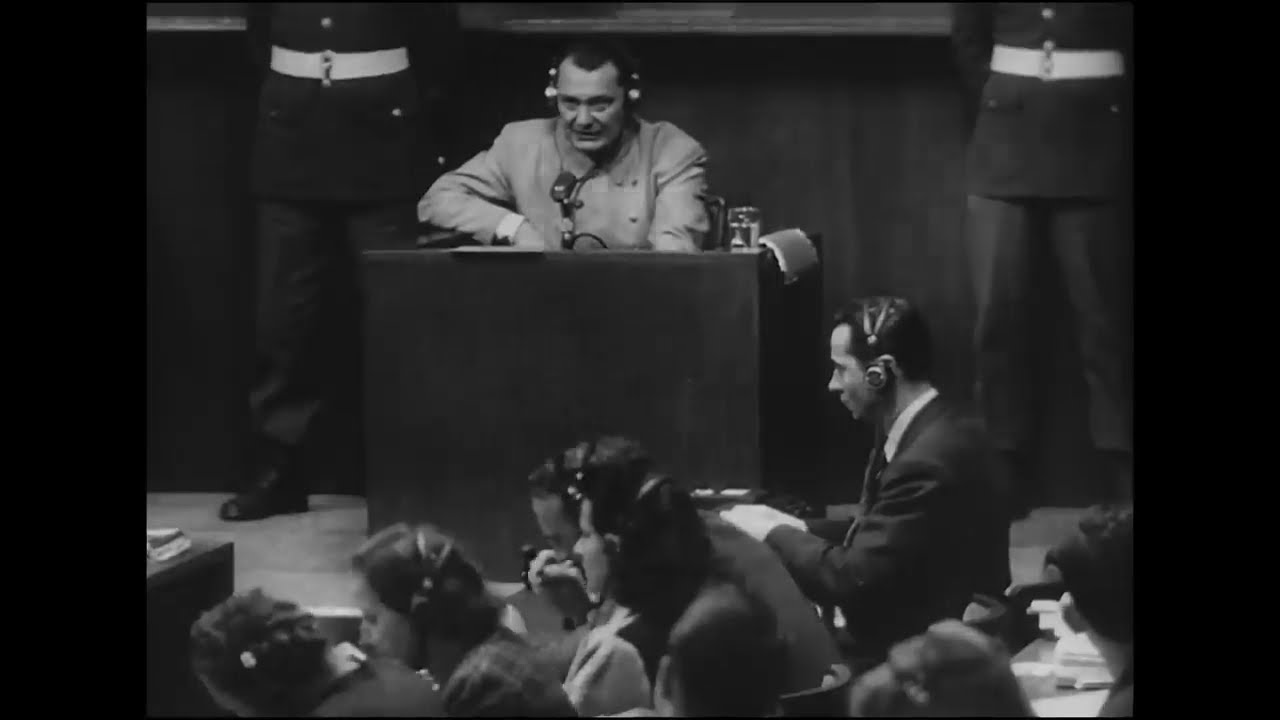
Regarding Colonel General Jodl, all of his decorations and medals were destroyed. Hermann Goering had many decorations and was captured wearing his distinctive neck assemblage of the Grand Cross of the Iron Cross, the Knight’s Cross, and the World War I Pour le Mérite, or Blue Max. The Americans destroyed all of these decorations as well as his World War I Iron Cross First Class.
However, Goering’s solid-gold Nazi Party badge, his diamond-studded pilot’s observer badge, and other decorations made from precious metals were not destroyed but instead defaced by scratching out or otherwise damaging them before they too were sent to the finance director to be sold, presumably for scrap.
Goering had many sets of his medals, and copies of his Blue Max, Grand Cross, and other decorations were recovered from his train at Berchtesgaden station or looted from his private property. These survived in collections around the world today.
Although not hanged at Nuremberg, Grand Admiral Karl Doenitz, former head of the German Navy, received ten years imprisonment at Nuremberg. His U-boat war badge with diamonds was taken from him, its swastika crudely excised, and this was also sent to the finance director for scrap jewelry.
Most of the executed men had left behind papers, letters, or diaries in their cells. These were gathered and sorted into categories, though some of this material subsequently disappeared. All uniforms in storage bearing Nazi insignia were burnt, while other clothing, personal possessions, and less precious jewelry were turned over to the relatives of the executed along with any cash up to 1,000 Reichsmarks.
All other cash and precious stones went to the finance director.
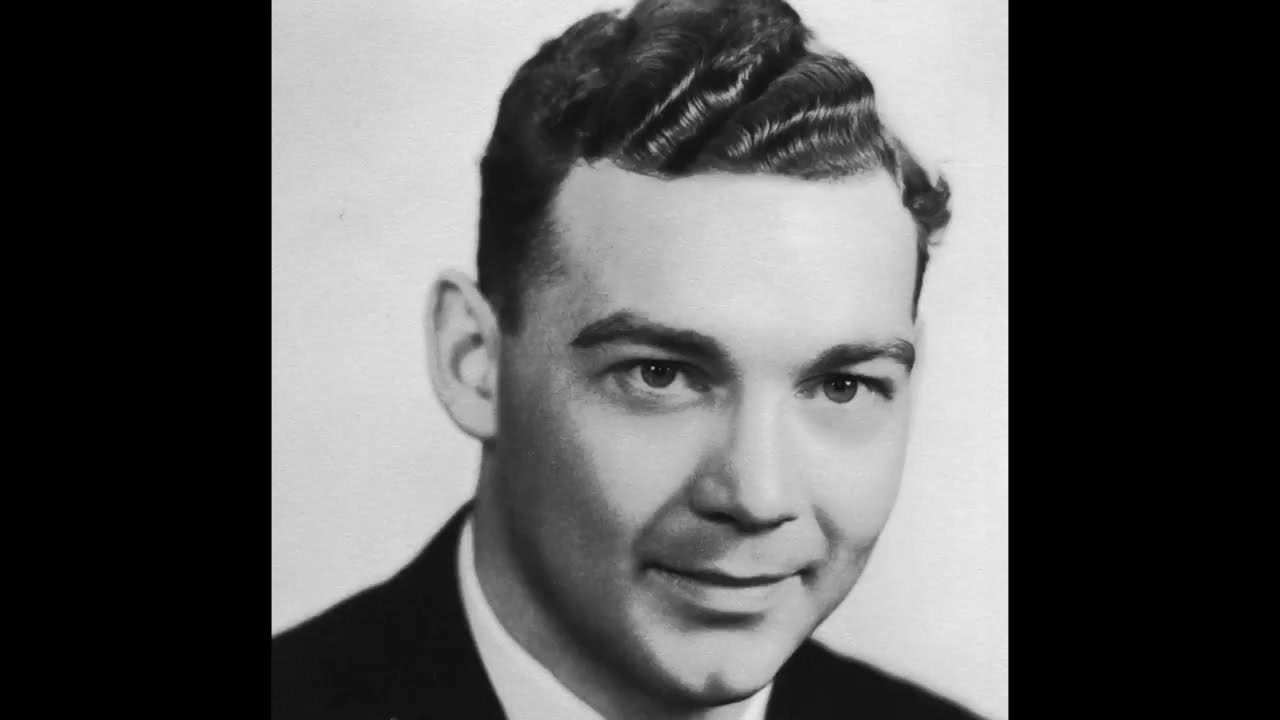
One man was missing from the cremations in October 1946. Robert Ley had been head of the German Labour Front under Hitler. The American psychologist at Nuremberg, Dr.
Douglas Kelley, thought that Ley was mentally ill, but before further tests could be made, Ley managed to hang himself in his cell on October 24, 1945.
The body was cremated, but in a bizarre move, Dr. Kelley had Ley’s brain smuggled out of the prison for study. A section of Ley’s brain tissue was found among Kelley’s papers in 2013, long after Kelley himself killed himself in 1958.
The operation to dispose of the Nazi leaders’ remains represents one of the most carefully guarded secrets of the post-war period. The U. S.
Army’s determination to prevent the bodies from becoming relics or shrines for future generations of Nazi sympathizers drove the extraordinary measures taken that October morning.
The false names, the secret cremations, the destruction of the urns, and the scattering of ashes in a Munich stream were all designed to ensure that no trace of the men who had orchestrated the Holocaust and plunged the world into war would remain for posterity.
Yet the story of what happened to their bodies, suppressed for years, has gradually emerged through declassified documents, eyewitness accounts, and the painstaking work of historians who have pieced together the final chapter of the Nuremberg story.
The executions themselves remain controversial. The botched hangings, the slow deaths by strangulation, and the inadequate gallows construction have raised questions about whether the proceedings descended from justice to vengeance. The involvement of John C.
Woods, a man with a questionable record and false credentials, has only added to the controversy.
But it is the disposal operation that remains perhaps the most extraordinary aspect of the entire Nuremberg saga. The careful photographing and labeling of the bodies, the stripping and coffining, the false identities, the secret convoy to Munich, the all-day cremations under armed guard, the urns with American names, the villa mortuary, and finally the scattering of ashes in the Schwabach stream—all of it constituted a meticulously planned and executed operation that few knew about and fewer still would speak of for decades.
The financial accounting of the operation adds another layer of the macabre. The sale of defaced Nazi decorations and precious metals to help offset the $4,500 cost of the executions suggests a bureaucratic pragmatism that seems almost surreal in the context of the historic events that had just concluded.
For the families of the executed men, the return of personal effects, clothing, and limited cash represented the final tangible connection to their relatives. The destruction of uniforms and insignia, the defacement of medals, and the sale of precious metals for scrap signaled the complete erasure of the Nazi leadership’s material legacy.
The discovery of Robert Ley’s brain tissue among Dr. Kelley’s papers in 2013, more than half a century after both men had died, serves as a reminder that the story of Nuremberg and its aftermath continues to yield surprises. The intersection of justice, medicine, and secrecy that characterized the post-war period remains a subject of intense historical interest.
As the world marks the anniversary of the Nuremberg executions, the question of what happened to the bodies of the Nazi leaders has finally been answered—not with the dignity of marked graves or public monuments, but with the cold efficiency of a secret military operation designed to erase them from history entirely.
The ashes of Goering, Keitel, Ribbentrop, Kaltenbrunner, Rosenberg, Frank, Frick, Streicher, Sauckel, Jodl, and Seyss-Inquart were carried by the waters of the Schwabach into the Isar and eventually into the Danube, flowing through the heart of Europe they had once sought to dominate. It was, perhaps, a fitting end for men who had brought destruction to the continent—their remains scattered across the lands they had devastated, leaving no trace, no shrine, no marker for future generations to find.