Lyndon B. Johnson spent much of his public life under the glare of television cameras and the scrutiny of Washington insiders. Behind the polished speeches and political battles was a private world that only a few people ever truly saw.
Among those few was Alice Glass, his longtime companion and confidant. For a quarter of a century, she was one of the most influential people in his orbit.
Their relationship unfolded quietly as Johnson climbed from ambitious Texas congressman to the most powerful man in the world. Long after their intimacy faded, Glass carried memories of a man far more complicated, tender, demanding, and vulnerable than the version history tends to preserve.
Alice Glass came from the small Texas town of Marlin. She was far from the stereotypical politician's mistress. She grew up in modest surroundings, attended college, and eventually moved to Austin, where she worked as a secretary to a state senator.
In 1931, she met publisher Charles E. Marsh. The connection was immediate and striking. Friends described her as unforgettable, tall, elegant, with luminous features and a presence that could quiet a room.
Marsh, wealthy and influential, built an entire estate for her in Virginia and enveloped her in a world of luxury. But beneath the lavish gifts and glittering parties, Alice remained sharp, perceptive, and quietly ambitious.
Those qualities were exactly what drew her to a young Texas congressman named Lyndon B. Johnson. When Johnson visited the Marsh estate, Alice believed she had met someone who was not just another politician. She once remarked that she thought she had found a politician whose dreams were for others rather than for himself.
It was the beginning of a bond that blended passion, companionship, and deep emotional intimacy. By 1938, the affair had quietly begun, a private flame burning behind the scenes of public life.
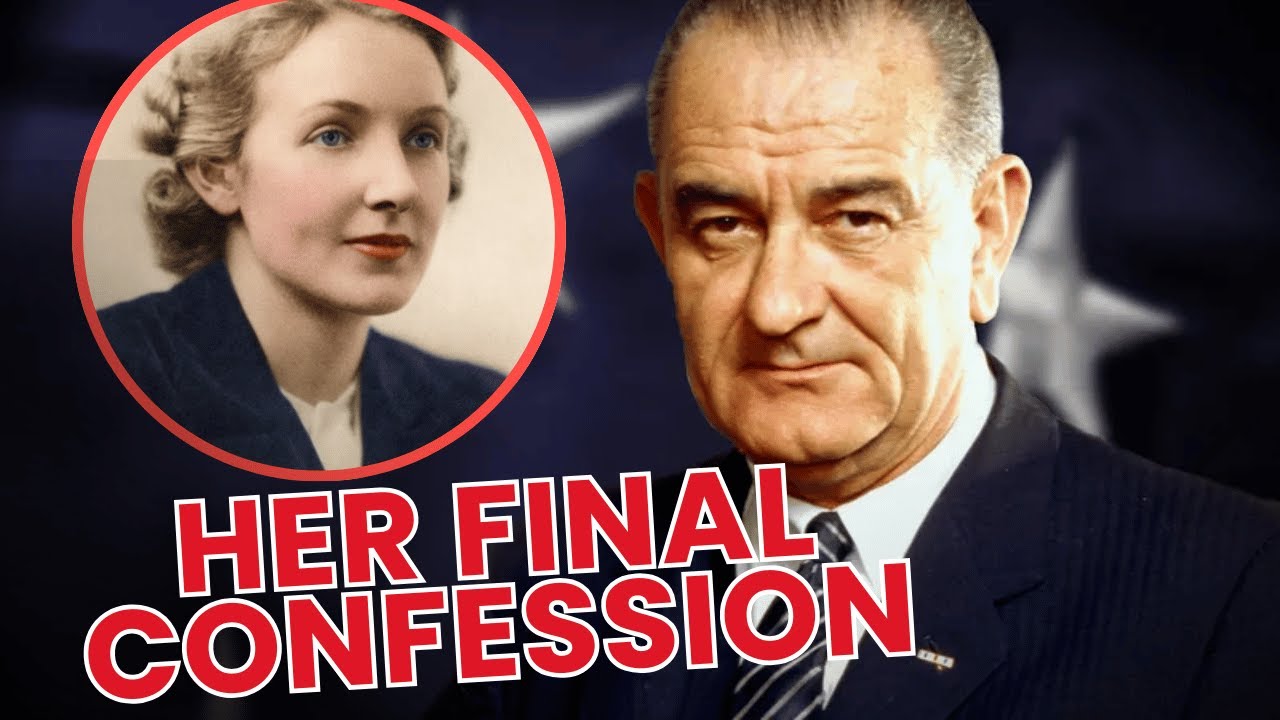
Their relationship was hidden, but it shaped Johnson's life for decades. Alice was not merely a romantic partner. She became a confidant, a sounding board for political decisions, a mentor in matters of presentation, and in many ways a grounding force for the intensely driven congressman.
Those who knew them in social circles later said that when Marsh was away, Johnson and Alice spent long stretches of time at his property. When Marsh was home, Johnson often arrived with his wife, Lady Bird, in an unspoken arrangement that preserved appearances.
One acquaintance remembered the secrecy with admiration. "They were unbelievably discreet. No one could have guessed that they were lovers. Nothing showed, nothing at all."
Alice brought refinement and worldly experience into Johnson's life. She taught him about music, culture, and elegance, areas where he and Lady Bird, by their own admission, were still learning.
It was not uncommon for Johnson to seek her advice on what to wear, how to speak, or how to present himself in Washington's competitive and image-conscious political sphere. Her political insight was equally valuable.
She had a natural instinct for people, motives, and the shifting tides of influence. Biographers have long noted that she helped Johnson think through major decisions in his early career, shaping his confidence and helping guide the persona he cultivated as he climbed the ladder of political power.
At the heart of that understanding is a striking observation from historian Robert Carroll. "He had a lot of affairs, but none of them seemed to have any impact or significance for the way he ran his professional life. But all of a sudden, I discovered there was one affair that he had for a long time, perhaps 25 years. She was valuable to him because he relied on her political advice, and no one had ever heard of her."
For Johnson, whose drive to power was unrelenting, Alice was the rare presence who soothed rather than stoked his ambition. Their conversations were private, but their consequences echoed through the choices he made in the earliest and most pivotal phases of his career.

Their emotional connection lasted far beyond the highs and lows of their early passion. Even after Alice married Charles Marsh in 1940, a marriage she had resisted for years, reportedly because she hoped to marry Johnson, the relationship with Lyndon did not fully disappear.
Her sister once said plainly that Lyndon was the love of Alice's life, adding that her devotion to him bordered on the overwhelming. The two continued exchanging letters for decades, maintaining a careful, discreet connection.
The bond endured not because it was easy, but because their lives had become intertwined in ways neither could fully walk away from. But as Johnson transformed from congressman to senator to president, their paths began to diverge morally and emotionally.
The Vietnam War was the breaking point. Alice was horrified by the conflict, viewing it as an unforgivable tragedy, and she placed responsibility squarely on Johnson.
The depth of her disillusionment became clear when she destroyed the letters he had written to her over the course of their long relationship. She did not want future generations, particularly her granddaughter, to know she had been tied to the man she believed bore responsibility for the war's devastation.
Her disavowal was final. After spending nearly half her life loving him, advising him, and believing in his potential, she now felt she could no longer reconcile the man she once knew with the president he had become.
That decision also reflected the profound disappointment of a woman who had once believed she saw greatness in him, not just political power but a moral force capable of elevating the country. Over time, Johnson's choices contradicted that hope, and the rift between them widened until it finally broke.
Alice Glass died in 1976, carrying with her the unspoken truths of a relationship that had shaped not only her life but, in subtle ways, American political history. Their story was one of passion, influence, conflict, and heartbreak woven into the private shadows of public power.
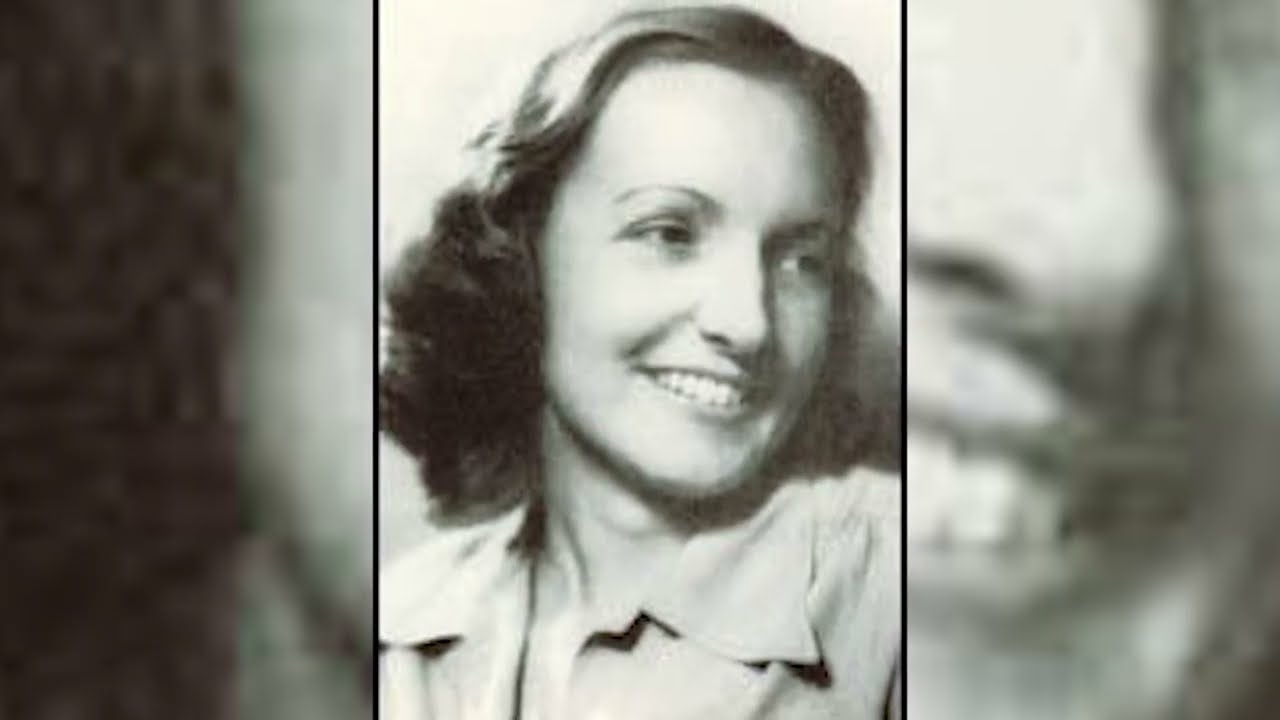
For 25 years, Alice lived with a version of secrecy that most people could hardly imagine. It was not just their meetings or carefully timed visits. It was the emotional burden of knowing the person she loved was also a rising public figure whose private life had to remain immaculate to the outside world.
She watched Johnson shift from idealistic congressman to relentless operator, from a man hungry to prove himself to a man who seemed at times consumed by the machinery of power. Through it all, she held the unspoken complexities of being both central and invisible, a partner whose presence shaped him but could never be acknowledged.
The secrecy took its toll. There were moments when Johnson leaned on her emotionally in ways she had not expected, moments when she became the refuge he sought from his own anxieties and insecurities. And there were other moments when she recognized the limits of their relationship, that while she could influence and comfort him, she could never join the life he was building in Washington.
Yet she stayed. She stayed because she believed in his potential, because she saw something in him that others often overlooked, and because their connection, private though it was, felt irreplaceable.
Behind the scenes, their relationship moved through phases of tenderness, conflict, frustration, and renewal. Johnson was a man of contradictions, brimming with both charm and insecurity, capable of great warmth and equally great distance.
Alice navigated those contradictions with a grace that surprised even those close to her. She knew how to soothe his worries, how to encourage his ambitions, and at times how to temper them. But she also learned how to step back when the pressures of his public life eclipsed the private world they had built together.
This balancing act meant their connection was always in flux. There were periods of intense closeness when he could write or call her with the sort of unguarded honesty he rarely shared with anyone else. And there were periods when weeks or months passed with little more than a polite message as political crises pulled him deeper into the unforgiving rhythms of Washington.
Those rhythms shaped the emotional landscape of their relationship. Alice understood she would never be the woman photographed beside him at state dinners or mentioned in profiles of his early career. But she also understood that what they had was something different, something that did not rely on public validation.
Still, the divide between their worlds grew more visible as Johnson's influence increased. The ambitious young congressman she once knew was slowly becoming the man she would later struggle to recognize, his ideals bending under the weight of responsibility, expectation, and political compromise.