For nearly 30 years, a mother mourned the daughter she believed she had lost to the chaos of war. On the other side of the world, that daughter grew up in Australia, always feeling like a piece of her identity was missing. Neither knew the other was still alive. Then, a single phone call changed everything.
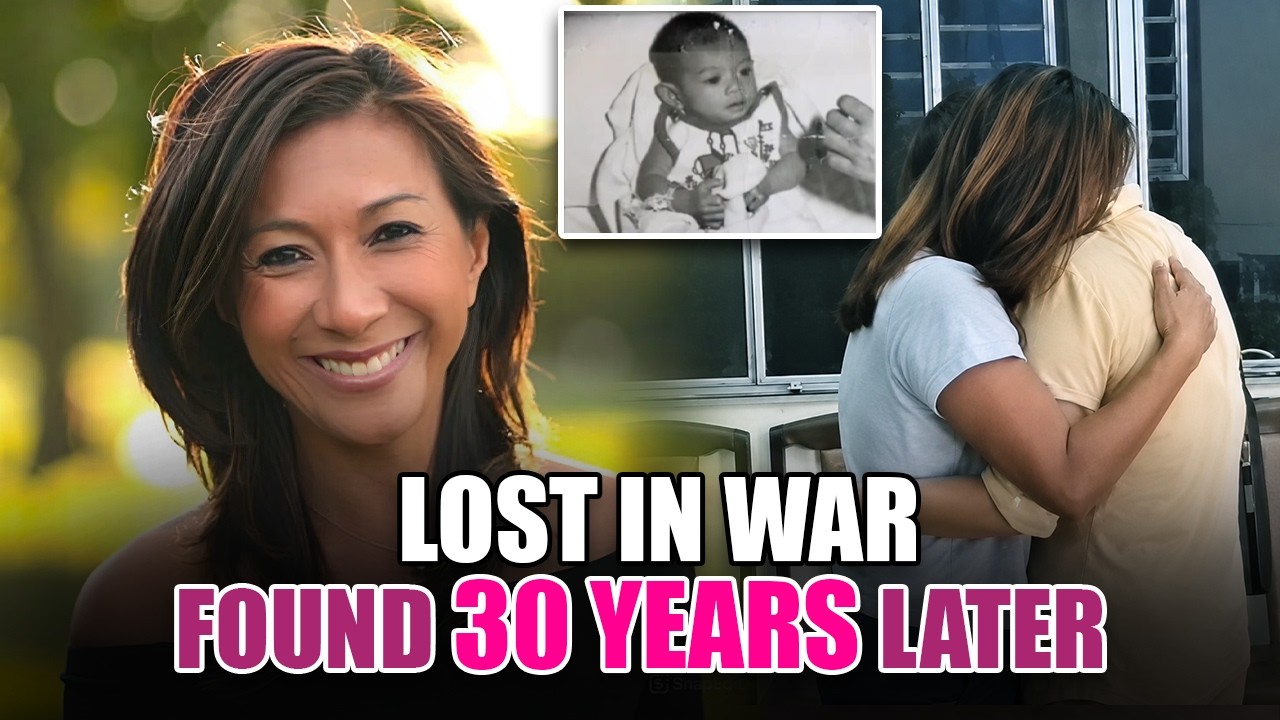
Catherine Turner’s story began during the fall of Saigon. She was born Cam Thu to a Vietnamese mother named Nga during a time of overwhelming uncertainty. The city was in chaos, with people crowding streets, government buildings, and airports, desperately searching for a way out before everything changed. Days after her birth, conflict erupted within the family, and little Cam Thu became seriously ill.
Faced with poverty and fear, Nga made the most painful decision of her life, placing her daughter in an orphanage out of love, hoping someone else might be able to save her. Nga could never have imagined that goodbye would last nearly 30 years. Only weeks later, Operation Babylift began. By an astonishing twist of fate, little Cam Thu narrowly avoided boarding the first flight, which crashed shortly after takeoff, killing many of the children and adults on board.
Instead, she left Vietnam on a later flight. That single change saved her life. Growing up in Australia as Catherine, she seemed accomplished and confident. She traveled the world, covered major events, interviewed influential people, and reported on some of the most important stories of her generation.
To many, she had it all. But success could not erase the unanswered questions. As a child, she noticed the curious glances and the questions that lingered: Why do you look different? Where do I belong?
At night, she would stare into a mirror and imagine that somewhere in the world there was a woman who had the same eyes, smile, and face. Something deep inside told her the story wasn’t over. She traveled to Vietnam, but it was only two years later that she returned with even stronger determination and an interpreter. Day after day, she followed every possibility.
Each lead felt like a thread connected to the past, but most led nowhere. Then, one ordinary afternoon, everything changed. They found a woman with the same name, date of birth, and information in the file. When the translator finally turned toward Catherine, her expression had changed.
The woman on the other end of the phone quietly explained that she still had the birth certificate she had received when her daughter was born. She had never thrown it away. It remained carefully folded among her most treasured possessions. There was no longer any doubt.
Catherine’s hands trembled on her lap as footsteps echoed outside. A small woman stepped inside and looked across the room. They simply stared. Nga recognized her daughter before anyone spoke a single word.
Catherine felt her own tears falling before she realized she was crying. They walked toward each other almost instinctively, and then, they embraced. After nearly 30 years of separation, the impossible suddenly seemed possible. Over the following days, Catherine met brothers, cousins, aunts, and relatives she never knew existed.
They welcomed her as though she had simply been away for a very long time, sharing stories and old family photographs. Instead of saying she was full, she accidentally announced she was fat, and the room burst into laughter. Even Catherine laughed until tears rolled down her face. After decades of separation, they were finally doing what families do best: sharing meals, teasing one another, and laughing over small misunderstandings.
By the time Catherine returned to Australia, she realized she had not come to Vietnam simply to search for her past. She had come to reclaim a part of herself that had been waiting there all along. She finally belonged to both worlds, a daughter shaped by two countries, raised by one mother’s sacrifice and another mother’s love.
A child who had survived a war, and a family that, against every imaginable odd, had finally found its way back to one another.