A legendary outlaw considering surrender sounds like the plot of a Hollywood film, but according to one account, Butch Cassidy once explored that very possibility. Weary of running and facing mounting pressure from law enforcement, Cassidy allegedly reached out to a prominent Salt Lake City attorney, hoping to negotiate a way out of the life he had led. The story, however, is steeped in historical debate, with questions about its authenticity lingering for decades. According to the account, Cassidy visited attorney Orlando Powers, who was well-known in Utah legal circles.
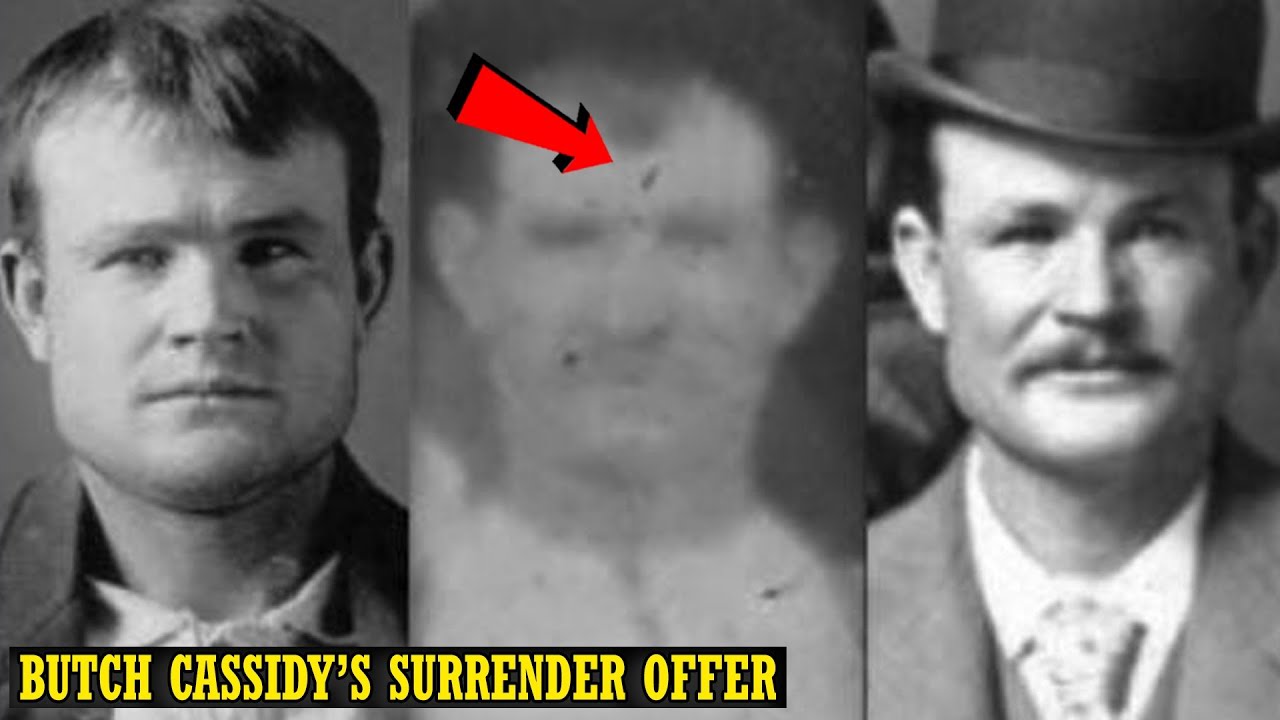
Seeking discretion, Cassidy reportedly asked if their conversation would remain confidential. After receiving assurance, he revealed his identity, saying, “My name is George Looy Parker, better known as Butch Cassidy. ” He explained that he was ready to leave his outlaw life behind, pointing to the grim fates of his Wild Bunch associates who had been killed or captured. Recognizing that it was only a matter of time before he met the same end, he reportedly told Powers, “Sooner or later, it’ll be my turn.
”
Powers, who was later appointed as a district court judge, listened as Cassidy outlined his predicament. The outlaw was aware of the many charges against him and the reward money on his head. He learned from the lawyer that the governor of Utah, Heber M. Wells, only had the authority to pardon crimes committed within the state.
Since Cassidy had never been convicted of a crime in Utah, a pardon would not clear his record or protect him from prosecution elsewhere. Powers was direct, advising Cassidy that his only realistic option was to keep moving. While the story is compelling, historians have scrutinized its origins. A key figure in the narrative is Charles Kelly, who included the account in his book *The Outlaw Trail*.
Kelly reportedly relied on an earlier account by Frederick R. Bechdolt, a novelist and short story writer. Interestingly, Bechdolt’s own story may have been sourced from a note found in a miner’s cabin that supposedly contained details of Cassidy’s intentions. However, questions about the note’s authenticity emerged when it was connected to Mark Hofmann, a forger who fabricated documents related to Mormon history.
Critics, including historian Buck Kelly, doubted the note’s legitimacy, suggesting it may have been created to support a version of events that had already been published. Further complicating matters, a separate account by William T. “W. T.
” Green, a rancher, placed the meeting between Cassidy and Powers in 1899. Green’s version included similar dialogue, but inconsistencies in details, such as Cassidy’s attire, led some historians to question whether the two accounts were truly independent or if one was borrowed from the other. Some researchers believed that Bechdolt’s story, published years later, may have been reworked by Kelly to fit his own narrative. Despite the uncertainty, the story has remained a point of fascination for historians and Western history enthusiasts.
Charles Kelly himself acknowledged the challenges of writing accurate history, comparing the task to mining for precious metals among unreliable sources. While it is possible that Cassidy genuinely sought a legal way out of his life of crime, there is no definitive proof that the meeting ever occurred. The lack of corroborating evidence, combined with the questionable origins of the primary source material, leaves the story in a gray area between fact and legend. What remains clear is that Butch Cassidy was a man who understood survival and reinvention.
Whether he truly attempted to surrender or whether the story was a product of storytellers’ imaginations, his legacy endures as one of the most intriguing figures of the American West.