Jimmy Page had already built a reputation as a highly sought-after session guitarist before joining the Yardbirds in 1966. When that band began falling apart two years later, he set out to build something heavier and more ambitious, recruiting Robert Plant, drummer John Bonham, and bassist John Paul Jones to complete the lineup. Their first rehearsals reportedly made it obvious that something special was happening. The group initially toured as the New Yardbirds, but after that name became a problem, they settled on Led Zeppelin.
Their debut album arrived in 1969 and was an immediate success, followed by Led Zeppelin II, which turned them into one of the biggest bands in the world. What made Zeppelin especially powerful was their live shows, which could stretch for hours with extended improvisation. By 1973, they played to 56,800 people at Tampa Stadium, breaking the attendance record previously held by the Beatles at Shea Stadium. By 1975, they filled the Pontiac Silverdome with 76,229 fans.
But beneath the enormous crowds and record sales, life inside the band was becoming complicated. Long stretches away from home, constant pressure, and growing substance use were taking their toll. Robert Plant struggled with self-doubt and criticism of his stage persona, while John Bonham’s homesickness reportedly fueled his drinking. In 1975, Plant and his wife Maureen were involved in a serious car crash while on holiday in Rhodes, Greece.
Plant suffered a broken ankle, while Maureen was badly injured and required a blood transfusion. The accident forced the band to stop touring, and it changed how Plant viewed his life. Jimmy Page’s heroin use had reportedly become increasingly serious from around 1975 onward, and by 1977, observers were noticing how thin and unwell he appeared. Bonham was struggling with substance use as well, creating a growing divide inside the group, with Plant and Jones reportedly more restrained than Page and Bonham.
Then came the tragedy that stopped everything. Just two days after the band’s July 1977 performance at the Oakland Coliseum, where Bonham and members of the support staff were arrested following an assault, Plant received devastating news: his five-year-old son, Karac, had died after becoming ill with a stomach virus. The rest of the tour was cancelled. Led Zeppelin disappeared from the road.
They eventually returned in August 1979 with two massive performances at Knebworth, drawing roughly 104,000 people to the first show alone. They recorded In Through the Out Door in 1978, which reached number one in both Britain and America. During a show in Nuremberg on June 27, 1980, Bonham suddenly collapsed on stage, forcing the concert to stop only a few songs in. Despite this, a North American tour was scheduled to begin in October 1980, and rehearsals were underway at Bray Studios in September.
On September 24, Bonham arrived for rehearsals after drinking heavily during the journey and continued drinking after reaching the studio. Later that day, the band stopped rehearsing and went to Page’s house, where Bonham went to sleep. The following day, John Paul Jones and tour manager Benji LeFevre discovered that he had died. The planned North American tour was cancelled.
On December 4, 1980, the surviving members announced that they could not continue as they had before, bringing Led Zeppelin to an end. There was no replacement drummer, no farewell tour, and no attempt to keep the name alive. After the breakup, the three surviving members took very different paths. Plant launched a solo career with Pictures at Eleven in 1982, deliberately experimenting with different styles, including a celebrated collaboration with bluegrass singer Alison Krauss that produced Raising Sand in 2007.
Page eventually released Outrider in 1988, his first and only solo album, and overcame his drug addiction. Jones threw himself into an extraordinary range of projects, working with artists including Foo Fighters and forming Them Crooked Vultures in 2009. Five years after the band ended, the surviving members stepped back into the spotlight at Live Aid in 1985. With an estimated 1.
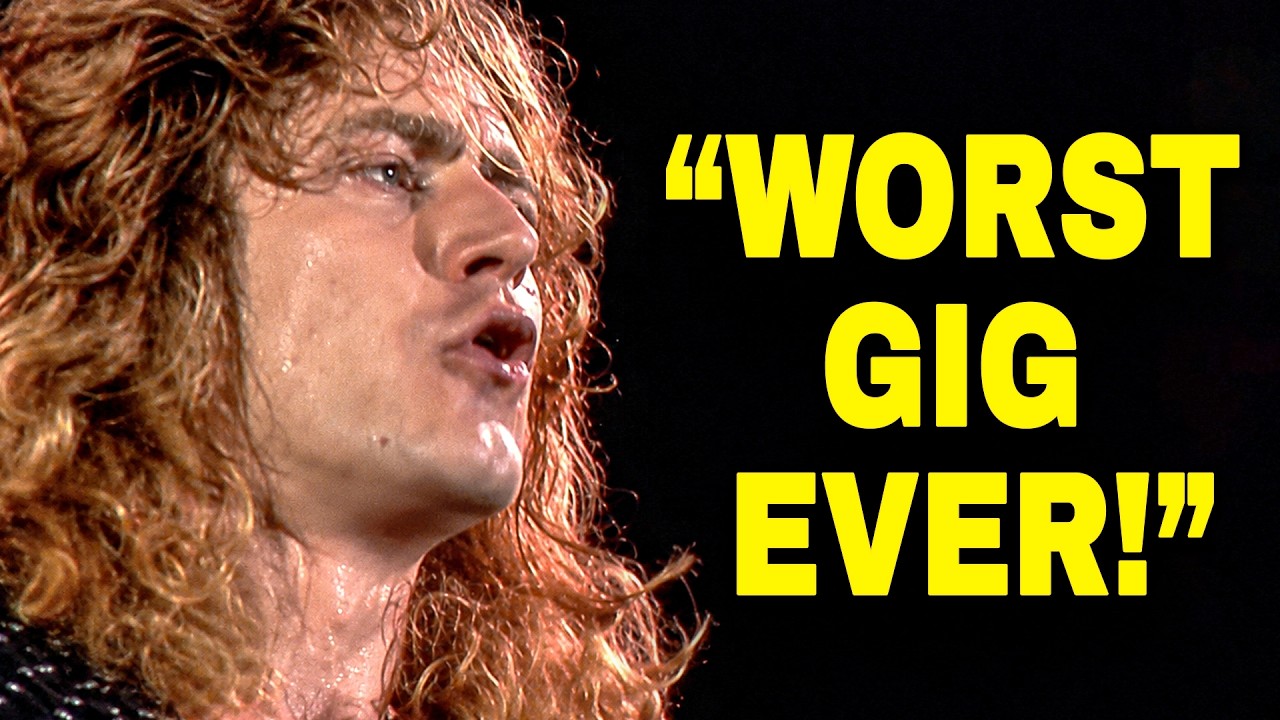
9 billion people watching around the world, expectations were enormous, but the reality was far less prepared than the audience realized. Plant had already performed three shows in a row before arriving in Philadelphia, leaving him exhausted and badly hoarse. He later admitted that his voice was essentially gone before the performance even began. Page was handed a guitar shortly before the band went on stage only to discover it was out of tune, and the monitors were malfunctioning, making it difficult for the musicians to hear themselves.
Jones had arrived in Philadelphia virtually on the same day as the performance, leaving the band with only about an hour to rehearse. With Bonham gone, Chic’s Tony Thompson was brought in on drums, while Phil Collins was also recruited after flying across the Atlantic on the Concorde. They had only about 20 minutes to prove Led Zeppelin could still work. They played “Rock and Roll,” “Whole Lotta Love,” and “Stairway to Heaven,” but musically the performance was uneven.
The reaction from the crowd was not nearly as harsh as the band’s own assessment, and for many viewers, simply seeing Led Zeppelin together again was unforgettable. But the band members were unhappy enough with the performance to keep the footage out of the official Live Aid DVD released years later. The surviving members reunited again for Atlantic Records’ 40th anniversary in 1988 with Bonham’s son Jason on drums, and finally came together for the 2007 Ahmet Ertegun tribute at London’s O2 Arena. That performance was widely celebrated, but even then, they refused to turn the reunion into a permanent comeback.
In the end, Led Zeppelin did not split because their audience had disappeared or because their success had dried up. They split because the person who had helped hold the band together was gone, and the remaining members understood that continuing without him would mean becoming something else entirely.