Joseph "Joe Beck" DiPalermo was born in 1907 and spent his life based in the Little Italy section of Manhattan. His early base was 246 Elizabeth Street, and he later moved to the Fourth Ward, to the Monroe Houses at 80 North Moore Street, described as a mob stronghold. He was known by the aliases Joe Becky and Joe Palmer.
DiPalermo was one of five brothers, all of whom were formally inducted into the Gagliano-Lucchese family of La Cosa Nostra. He allegedly rose to capo di decina status by the late 1940s and headed his own clan. His brothers Anthony, Steve, Peter, and Charles, also known as the Beck brothers, operated within his crew.
Joe Beck DiPalermo is considered one of the most significant members in the history of the Lucchese family. He was regarded as the dean of dope dealers nationwide and was one of the most notorious heroin merchants for over 60 years. His involvement spanned smuggling, wholesale distribution, and even retail distribution of heroin.
Over the years he also dealt in large quantities of cocaine, barbiturates, and any other drug he deemed worth his effort. His activities included bootlegging, narcotics, counterfeiting, large-scale thefts, smuggling, extortion, strong-arming, murder, and any other racket available.
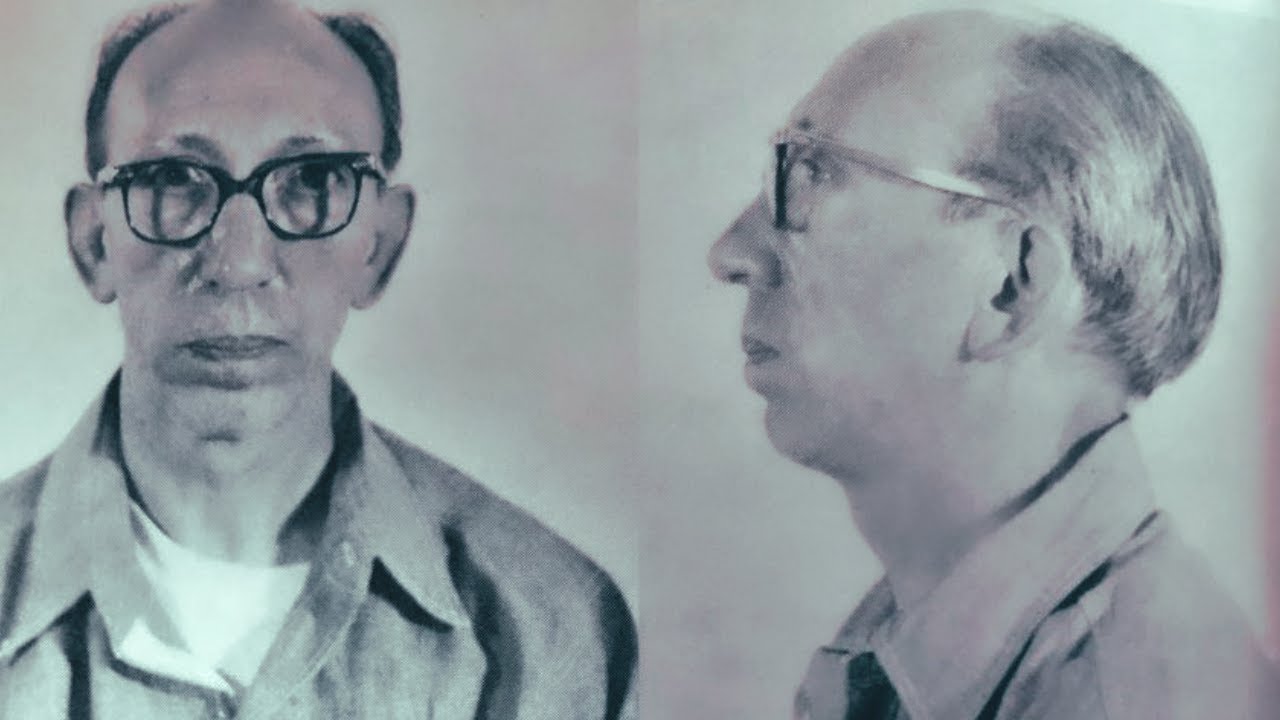
His yellow jacket, a record of his arrests, runs 14 pages. It includes a 1925 state charge for selling narcotics and a 1928 charge for possession of a weapon, a knife. In 1937 he was charged with transporting alcohol, and in 1938 with operating an illegal still and transporting untaxed alcohol. A 1939 charge involved possession of untaxed liquor.
In 1941 he faced a homicide charge by gunshot. In 1943 he was charged with an unregistered alcohol still, an OPA violation, and the sale of counterfeit gas coupons. In 1947 he faced internal revenue law violations involving alcohol tax and still parts. In 1950 he was charged with transportation of counterfeit American Express travelers checks and with transportation of forged securities. In 1951 he faced a charge of possession of counterfeit money.
In 1956 he was picked up by the Customs Service, questioned, and released. Several charges followed in 1958, including a heroin conspiracy federal narcotics charge for which he received 15 years and a $20,000 fine. That year also brought charges of accessory to a felony, aiding and abetting a fugitive, and a parole violation. In 1960 he faced an accessory to a misdemeanor charge, and in 1986 a narcotics conspiracy and sale charge.
The source notes that DiPalermo most certainly had arrests between the late 1960s and 1985 that could not be pulled up. It states he was arrested again for drugs in the late 1970s for a quaalude conspiracy with several other mafiosi, and again in 1986 with his brother Charlie. In all his years of activity, he was never known to have engaged in any legitimate business. He was described as strictly a hoodlum's hoodlum from the womb.

DiPalermo's longtime base of operations was a candy store and social club along Prince and Elizabeth streets. At 120 pounds and approximately five feet five inches tall, with the face and physique of a classic nerd, he could easily have been mistaken for a bookworm or drugstore clerk. His appearance belied his true nature as an extremely vicious, cunning, and voracious heroin merchant, contract killer, and dedicated mafioso of the first order.
He dressed as a top hoodlum as well, always completely color coordinated and jeweled up. A common outfit might be an all-electric-blue suit, tie, blue fedora, and blue snakeskin shoes, with a diamond watch and ring featuring a huge blue sapphire stone, driving a blue Cadillac. Another day he would be dressed in all canary yellow with a matching ring and stone, driving a canary yellow Caddy. He was seen numerous times in the neighborhood dressed this exact way, with a young chippy on his arm.
Joe Beck knew some of the most important mafiosi across New York City and the nation. His associates included not only his brothers Tony, P.D., and Charlie, who were his partners, but also Vito "Don Vitone" Genovese, a close friend and confidante. Other associates included Carmine "Lilo" Galante, a Bonanno underboss and top international heroin trafficker who was a close lifelong buddy.
He was also associated with Vincenzo "Vic" Cotroni and Giuseppe "Pep" Cotroni, two of the most important Canadian-based international heroin smugglers and a top supply source for DiPalermo. Angelo "Little Angie" Tuminaro was a sometime partner of Beck's and a top heroin smuggler of French Connection infamy. John "Big John" Ormento was a top and four-time convicted international heroin trafficker.
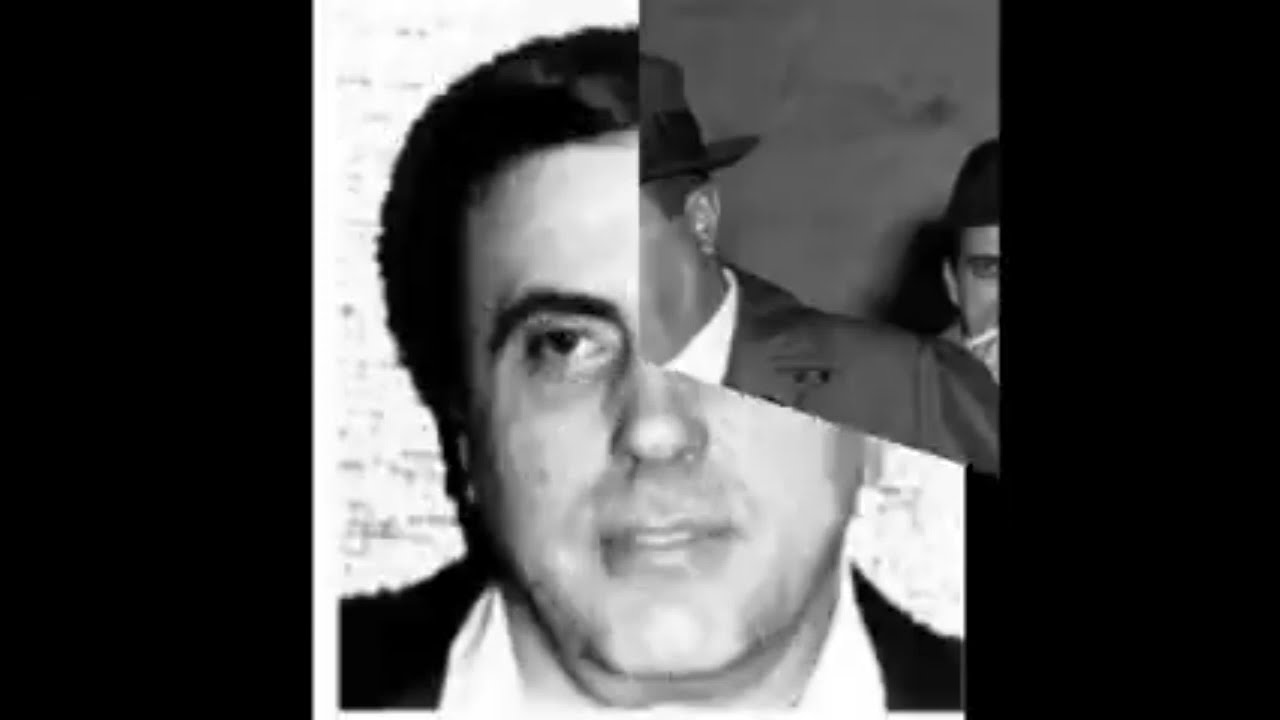
Anthony "Torti" Tortorello was a soldier in his regime, and Dominic "Crazy Dom" Truscello was a longtime soldier in his crew. Vincent "Jimmy Jones" Potenza was a soldier and possibly a crew member. Florio "Flo" Isabella was a Bonanno soldier, top heroin dealer, and friend of DiPalermo.
Other associates included Cosmo "Carly" DiPietro, a young Genovese protege and drug distributor who was later murdered. Giorgio "Georgie Gillette" Giuliati was a prolific bootlegger and counterfeiter, brother-in-law of Joe Adonis and a partner of DiPalermo. Ralph and Carmine Polizzano were young Genovese and DiPalermo proteges and key heroin mixers who hid the drug stash.
Angelo "Little Moe" Presenzano was an old Bonanno member and close associate. Alfred L. Walker Embarrado was an old-time Fourth Ward hood, friend, and drug dealer. Anthony Mira was a young protege, drug dealer, and vicious killer. Ralph "Rafee" Cuomo was related by marriage and a highly trusted minion. John "Johnny Brody" Sorrentino was a nephew by marriage and trusted aide. Salvatore "Sally Dogs" Lombardi was a Genovese capo and quaalude trafficking partner of DiPalermo.
DiPalermo and his partner and buddy Carmine Galante were suspected in the contract killing of anti-fascist editor and writer Carlo Tresca in New York City in 1944. It was a highly publicized murder that hit the front pages of newspapers across the world. DiPalermo was a suspected getaway driver while Lilo was a suspected actual shooter. They were never prosecuted for this killing.
In 1958, DiPalermo, Genovese, Ormento, and many other top mob figures went on trial, were convicted, and were sentenced to lengthy prison terms in the infamous heroin trial of that era. Joe Beck received 15 years, serving it in Atlanta Federal Penitentiary with Genovese, Valachi, and many others. This was the precursor to Joe Valachi turning informant after he slugged an innocent inmate with a steel pipe, killing him, thinking it was Joe DiPalermo he was attacking.
This series of events was monumental in the history of the American organized crime underworld. The honored society would never be the same and would never fully recover to its glory days of the post-World War II era through the 1950s, arguably the greatest period of stability and financial strength ever enjoyed by Cosa Nostra in this country.
Joseph "Joe Beck" DiPalermo was without a doubt the most conscientious of drug kingpins ever to walk the streets of New York City. He operated at the highest levels of the mob both domestically and internationally continuously over six decades. Only prison walls would occasionally interrupt his heroin dealings. Even at 85 years of age he was still at it, smuggling, mixing, diluting, packaging, and selling narcotics through his many minions all over New York City and beyond until his dying day. Joe Beck died at the age of 85 in 1992. New York's Little Italy and the Lucchese family would never be the same.