Field Marshal Erwin Rommel was already three days dead when the news reached the front lines of Lorraine, and the general who had spent two years studying him as the most dangerous commander in the German army never wrote a single word about it.
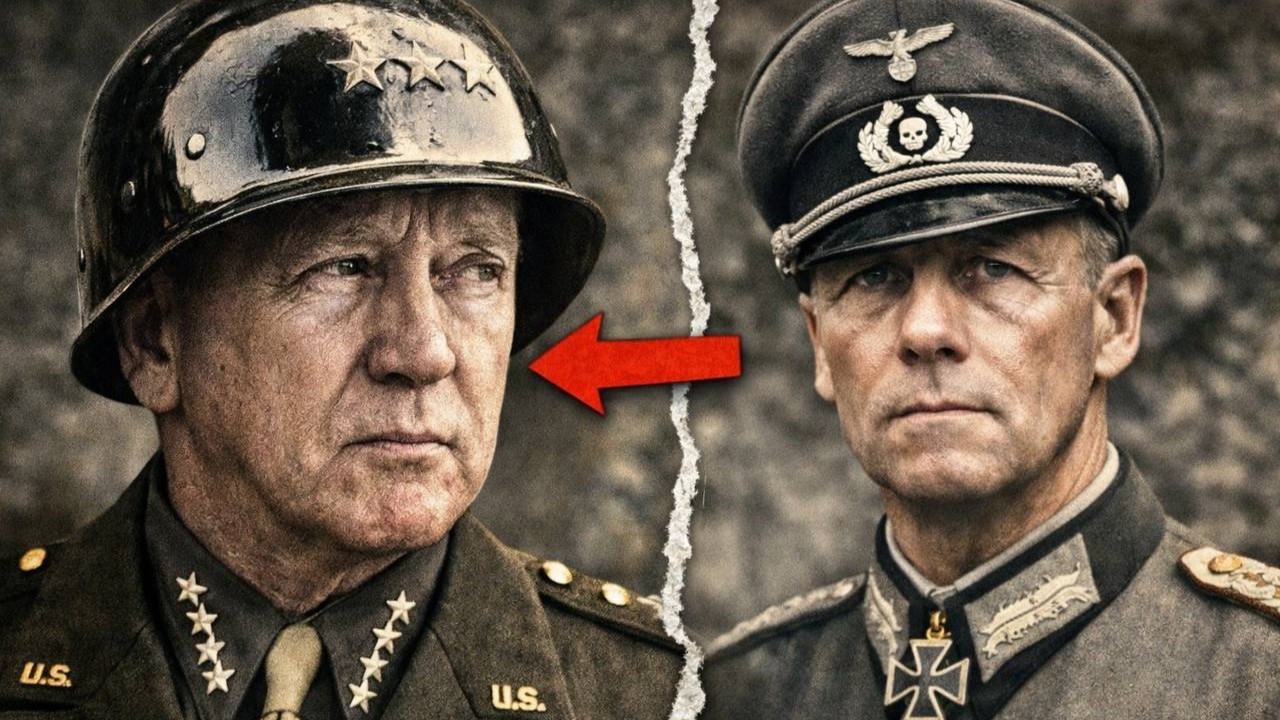
On October 14, 1944, in the small Swabian town of Herrlingen, two generals arrived from Berlin with an ultimatum. Rommel, the Desert Fox, hero of North Africa and the Reich’s most celebrated soldier, was handed a choice: face the People’s Court on charges of treason, with his wife and son certain to be punished, or end his life quietly and be remembered as a hero who died of wounds.
He chose the second. He said goodbye to his wife Lucie. He spoke with his fifteen-year-old son Manfred.
Then he put on his Afrika Korps uniform, the jacket that had become the symbol of his greatest victories, walked outside to a waiting car, and swallowed poison. Minutes later, one of Germany’s most famous commanders was dead.
The next morning, German radio told a different story. Rommel, the broadcasts said, had died from injuries suffered months earlier when an Allied aircraft strafed his staff car in Normandy. Not poison.
Not a pistol. Not a political execution carried out behind a closed door. The Nazi leadership moved with practiced speed: flags lowered, a state funeral arranged, military honors staged for the cameras, the fallen hero presented to the world as a martyr of the Reich.
The deception worked. Newspapers across Europe carried the wound story. Allied intelligence accepted it.
The version that reached the front lines in France was the version most people in 1944 believed. The truth would stay buried for years, until the war ended, the Reich collapsed, and the archives began to open.
But the question that has lingered among historians ever since is not how Rommel died. It is how George S. Patton reacted when he heard.
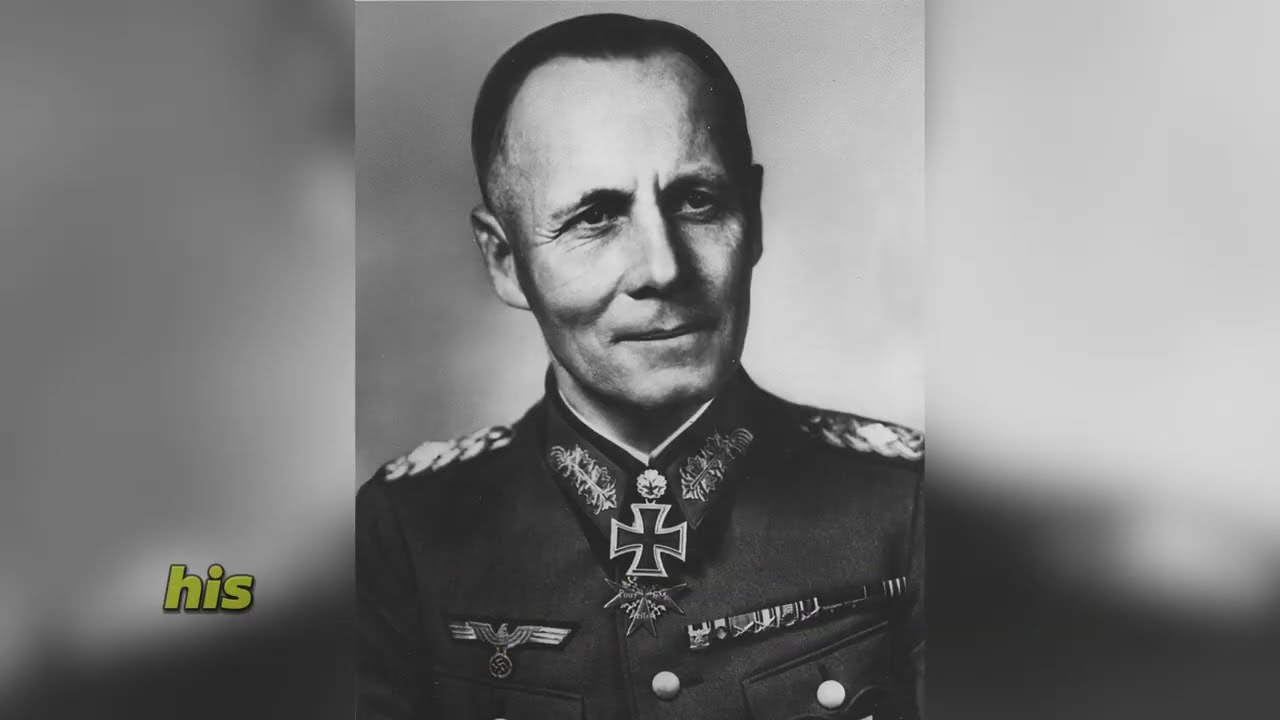
The answer, according to the surviving record, is that he barely reacted at all. Patton’s daily notes and diaries from October 1944 contain no special mention of Rommel, no reflection, no recorded statement, no pause. There is only the war in front of him, and the war in front of him was going badly.
October 1944 was among the darkest stretches of Patton’s entire campaign. The lightning dash across France had stalled in the mud of Lorraine. The Moselle River and the fortress city of Metz had stopped his Third Army cold.
Rain fell without letup. Armor sank to its axles. Fuel trucks could not keep pace with the advance, ammunition had to be rationed, and infantry units that had fought for weeks without rest were reaching the edge of exhaustion.
The cost was staggering. In October alone, more than 1,200 American soldiers were killed, over 6,000 wounded, and nearly 1,000 missing. Progress was measured in yards, sometimes in feet.
Day after day Patton ordered assaults on the forts of Metz. Day after day the forts held. His diaries from the period record shortages, failed attacks, frustration with higher command, and the mounting cost in lives, and almost nothing else.
In that reality, the reported death of a German general no longer on any battlefield became distant news. Important to newspapers, significant to politicians, but far removed from the blood and mud of Lorraine. Not something to pause over.
Just another piece of wartime information.
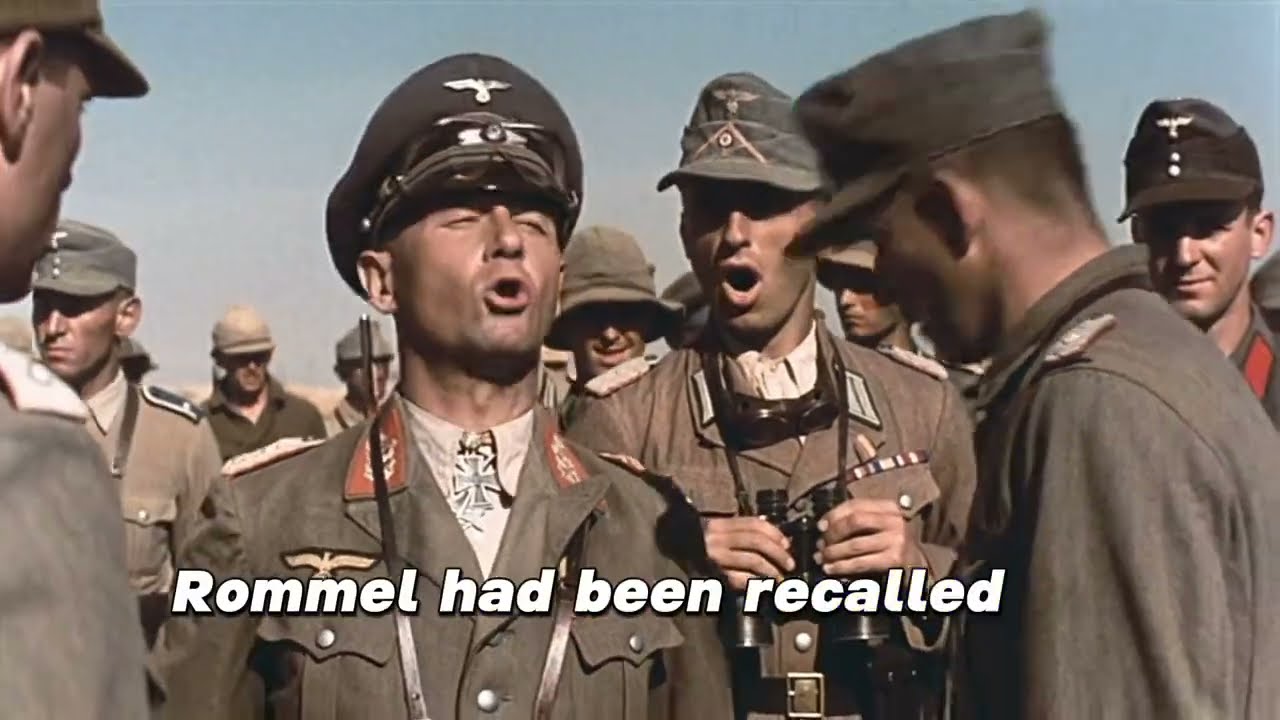
To understand why Patton’s silence seems so strange, one of the most durable legends of World War II has to be cleared away. For decades, films and popular history have portrayed Patton and Rommel as personal rivals, two brilliant commanders chasing each other across the North African desert like duelists, each obsessed with defeating the other.
The real war was different. Patton and Rommel never faced each other in battle. When Patton arrived in North Africa in late 1942, Rommel was already preparing to leave the front.
By the time Patton launched his major offensives, Rommel had been recalled to Germany. Months later, when Patton was racing across France, Rommel was recovering from severe wounds suffered in that July strafing attack in Normandy. Their armies fought different commanders, on different fronts, at different times.
What connected them was reputation. Long before American troops landed in Africa, Patton studied German tactics, read military reports, and followed the careers of enemy commanders. Rommel stood out, not as a Nazi symbol but as a battlefield commander who understood speed, movement, and surprise.
Officers on Patton’s staff later recalled that Rommel was one of the few German generals Patton genuinely respected.
One aide remembered Patton saying that Rommel fought war the way it should be fought: fast, aggressive, always pushing forward. Another recalled that Patton considered him the most dangerous German commander in the west, not because of ideology but because of skill. Patton wanted to beat him, not out of hatred but out of professional pride.
Victory over Rommel would have proved that American armor could match Germany’s best. That moment never came.
So when the news of Rommel’s death arrived in October 1944, it was not the death of a rival. It was the disappearance of a man Patton would never get to face, reported in a version that was itself a lie. And Patton had no time to sort truth from propaganda.
He had an army to keep moving and a fortress to break.

Years later, the truth about Herrlingen could no longer be hidden. Documents surfaced. Testimonies were recorded.
Officers who had stayed silent during the war began to speak. Rommel had not died of his wounds. He had been forced to take his own life, given a choice designed to protect the regime, not the man.
Historians would describe it as a political execution carried out behind closed doors. The state funeral had been theater. The public mourning had been carefully managed propaganda.
The image of the fallen battlefield hero was a constructed illusion.
With time, Rommel’s story became more complicated: a brilliant commander, a loyal officer, a man who served a regime that ultimately destroyed him. As for Patton, there is still no recorded reaction, no dramatic statement, no personal reflection in his diaries. Only silence.
And perhaps that silence says more than any speech could have. Two generals, both remembered, both studied, both shaped by war. But in October 1944, only one of them was still fighting.
Rommel had become a myth. Patton remained a commander in the field, paying the daily price of war in the mud of Lorraine.
That difference explains everything.