Elizabeth Bowes-Lyon was born in 1900 into the house of Strathmore and Kinghorne, a family wrapped in Scottish grandeur, rank, and servants. She grew up between St. Paul's Waldenbury in Hertfordshire and Glamis Castle in Scotland, the ninth of ten children. She and her younger brother David were the babies of the family and were treated accordingly, cherished and entitled in equal measure.
There were governesses, nurseries, and an invisible army of staff who made sure fresh flowers, polished silver, warm baths, and tidy rooms appeared as if by magic. Children raised in that world either notice the machinery beneath them or never do. Elizabeth belonged to the second group. Comfort was not a luxury to her. It was the natural order of things.
She was not considered the great beauty of the family. What she had was far more useful: warmth when she wanted it, wit when she needed it, and a gift for making people feel that being liked by her was an honor. As a girl she was lively, dramatic, affectionate, and sharp. She loved games, imitations, teasing, and performance. A sunny manner came naturally to her, but so did the will beneath it.
Her family were aristocrats, but not sovereigns. They were near power, old enough in blood to feel superior to many, but not at the absolute summit. That position can breed a delicious sort of ambition. Elizabeth grew up in a household proud of its lineage, its manners, and its place, and all of that made her ready to step upward if the chance ever came.
Her education was suitable for a girl of her rank, which is another way of saying it was decorative, disciplined, and carefully limited. She was taught at home by a governess. She learned French, music, manners, dancing, and the social graces that made a young woman pleasant company and a successful hostess. Nobody was preparing her for scholarship or public argument. Girls like Elizabeth were expected to marry well, manage households, and oil the machinery of high society with poise and wit. She learned how to read people, how to hold herself, and how to conceal effort behind a laugh. That last skill would become one of her great specialties.
Then the First World War arrived and rearranged the mood of her youth. On the day she turned fourteen, Britain went to war. Glamis Castle became a place of treatment and recovery for wounded men. The sheltered daughter of privilege suddenly moved through corridors filled with bandages, pain, missing limbs, and fear. She was too young to nurse in the formal sense, but she helped in the ways available to her. She served, visited, wrote letters, and saw suffering from close range.
The war did not turn her into a saint, but it did harden her. It taught her to perform steadiness under strain, to keep her face composed for the sake of others, and to treat crisis as something one met dressed properly and speaking clearly. Her brother Fergus was killed in 1915 at Loos. Other brothers were wounded or taken prisoner. Grief entered the house as telegrams, absences, and the terrible business of going on. She became very good at offering comfort while keeping her own center untouched.
When the war ended, society rushed back to pleasure with the hunger of people emerging from a storm cellar. Elizabeth entered that world at exactly the right age. She was not one of those reckless modern creatures who seemed to shred convention for sport. She was more dangerous than that. She looked respectable. She sounded reassuring. She could flirt without appearing cheap and laugh without seeming wild. The post-war marriage market among the aristocracy was a chessboard with flowers on it, and Elizabeth excelled at that kind of social maneuvering.
Somewhere in this atmosphere, she came properly into the orbit of Prince Albert, the second son of King George V and Queen Mary. Bertie, as his family called him, was not the dazzling one. That role belonged to his older brother Edward, Prince of Wales. Bertie was shy, dutiful, anxious, and burdened by a painful stammer that made public life feel like punishment.
Elizabeth saw him clearly. She understood that he was vulnerable, serious, and in need of someone who could steady him. She also understood that marriage to him would be an exchange. She would get position, proximity to the throne, and a life at the center of national pageantry. In return, she would have to give up ease, privacy, and much of her personal freedom. So when Bertie proposed, she refused him.
He proposed again, and still she hesitated. Whether the exact number of refusals was two or three became one of those courtship details polished by repetition, but the essential truth is beyond doubt. She made him wait. That waiting gave her power. It also allowed her to decide whether she could live the life naturally attached to him. In 1923, she accepted him.
Their wedding at Westminster Abbey in April 1923 was a turning point. On her way into the Abbey, she laid her bouquet on the grave of the unknown warrior in memory of her brother Fergus and the dead of the war. It was a perfect gesture, heartfelt and theatrical at the same time. The public adored it. Elizabeth understood that ceremony worked best when it seemed touched by private feeling.
As Duchess of York, she brought freshness to a family that often seemed raised by stone staircases. She was lively where they were stiff, approachable where they were guarded, and socially skilled in a way that made formal settings feel less severe. She was the one who softened Bertie, the one who humanized the dynasty. All of that had substance behind it, but it also had usefulness. The more she was seen as the warm one, the more room she had to shape things quietly.
Marriage to Bertie was affectionate, but it was never a simple story of a strong woman kindly rescuing a weak man. It was a partnership in which his dependence strengthened her position. Bertie adored her, relied on her judgment, and drew courage from her confidence. She knew this. One does not need cruelty to notice where influence lies. One simply needs intelligence.
Bertie struggled with speeches, and the stammer made every appearance a test. Elizabeth moved beside him like a polished shield. She encouraged, soothed, rehearsed, and helped arrange treatment that slowly improved his speaking. This has often been painted in tender colors, and it was tender in part. Yet it also revealed her instinct for management. If Bertie could not function in public life, her future inside the royal family would be far more limited. If he could, the horizon widened.
There was also the older brother, Edward. Charming, fashionable, impatient Edward, who glittered in public and horrified those around him in private. He loved excitement, admiration, and women who came with trouble folded into their gloves. To many people he looked romantic. To a practical woman like Elizabeth, he must have looked like a walking emergency.
In 1926, she gave birth to her first child, Princess Elizabeth. In 1930, a second daughter, Margaret, was born at Glamis. The family portrait now looked complete. Two little princesses, a dutiful prince, a charming duchess, and the growing sense that the York household offered something the rest of the royal family badly needed: ease, warmth, stability. That reputation would become one of Elizabeth's greatest assets and one of the grandest illusions of the twentieth century.
Stability is a lovely word. It can hide an immense amount of control. By the early 1930s, she had settled beautifully into royal life, but not because she had surrendered to it. She had begun shaping it around herself. She liked lovely things, proper service, excellent hospitality, and the flattering polish of well-run houses. Good linen, good food, good china, skilled staff, graceful rooms, flowers, and comfort were not indulgences to her mind. They were the correct conditions of life.
She also had a memory for slights, which would matter terribly later. In these early years it showed itself in small ways, in preferences fixed hard, opinions quietly kept, and the ability to freeze someone politely without seeming openly rude. She did not rage often. Rage is clumsy. Her sort of displeasure was colder. It withdrew warmth. It remembered. It smiled with less generosity. In a social world run on manners, that could be devastating.
As King George V grew older and the question of succession loomed more urgently, the contrast between his sons sharpened. Edward remained glamorous and unsettling. Bertie remained dutiful and anxious. Elizabeth watched all of it from a position that had become stronger every year. She had a husband who depended on her, children who anchored their image, and a public reputation that kept improving.
What is striking, looking back, is how early the essential Queen Mother was already visible before she ever wore a crown. The appetite for comfort was there. The steel under the sweetness was there. The sense of grievance waiting under politeness was there. The talent for emotional theater was there. Beneath the laughter, Elizabeth was learning the oldest and most useful lesson in any palace: that the person who looks easiest to underestimate is often the person who ends up running the room.
By the early 1930s, the York household and the Wales household had become two different answers to the same royal question. What did the monarchy need to survive the modern age? Edward offered glamour, spontaneity, and danger. Bertie and Elizabeth offered discipline, family life, and apparent reliability. That image grew more valuable with each passing year.
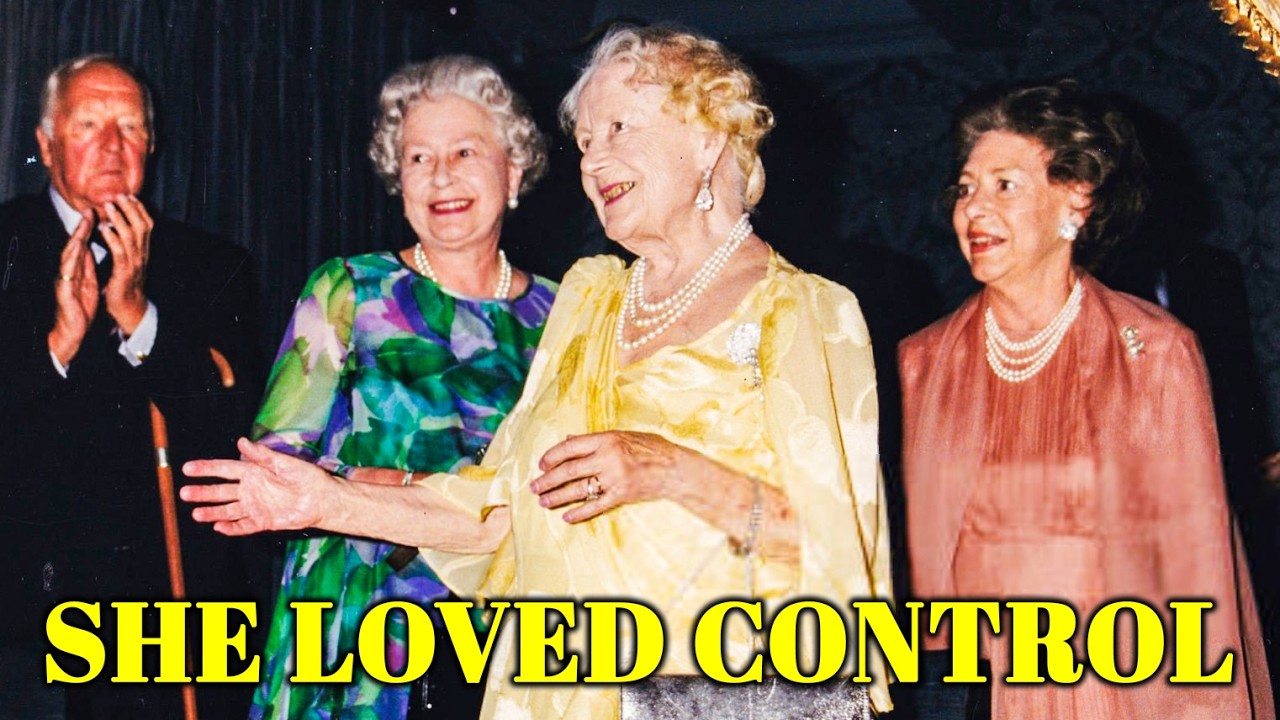
Elizabeth understood instinctively that people did not want their monarchy to seem too remote, but they also did not want it to seem vulgar, unstable, or emotionally out of control. She knew how to make grandness feel comforting. She could stand in a receiving line and give the impression that rank and friendliness had somehow made peace with each other. That was her genius. She made privilege look pleasant.
Then Wallis Simpson entered the story and every other royal irritation suddenly looked quaint. Wallis was American, clever, socially agile, and married to Ernest Simpson when she moved into the prince's circle. She had already been married once before. At first, those around Edward hoped she was simply another passing infatuation. But Wallis was different. She amused him, handled him, and crucially did not stand in awe of him. For a man exhausted by deference and addicted to admiration, that was an intoxicating combination.
Elizabeth disliked her quickly, and the dislike was mutual. It has often been wrapped in the language of constitutional concern, and yes, there was constitutional concern. There was also plain old human hostility, sharpened by class, nationality, rivalry, and insult. Elizabeth believed in the rules of the game because she was winning by them. Wallis had not played by those rules at all.
King George V died in January 1936. With that, the prince who had spent years behaving like a glamorous headache became King Edward VIII. Outwardly everything proceeded according to ritual. Inwardly dread spread through the palace like a draft under the door. Edward did not become a different man because he became king. That was the problem.
He remained impatient with paperwork, irritable with convention, and emotionally entangled with Wallis Simpson. He wanted the advantages of kingship without its disciplines. Elizabeth saw at once that the danger had shifted from future possibility to active emergency. Bertie suffered through the year as if each fresh development were another step toward a cliff he had never wanted to see. Elizabeth had fewer illusions. She was angry with Edward for putting them all in this position and angrier still that his selfishness threatened the monarchy.
The crisis deepened over the course of 1936. Wallis sought a divorce from Ernest Simpson. The British press kept remarkably quiet for a long while, but silence in newspapers does not mean silence in society. Prime Minister Stanley Baldwin stood firm. The king could not marry Wallis and keep the throne, not under the conditions then prevailing. Edward in turn decided that anyone who opposed the marriage was opposing his happiness, his honor, and his manhood.
By autumn and early winter, the crisis could no longer be contained. Edward would either abandon Wallis or abandon the throne. He chose Wallis. Bertie was devastated. He had not asked for the crown, had not been prepared for it in the emotional sense, and did not feel equal to it. That was precisely why the crown would fit him more honestly than it had fit Edward. Bertie understood burden. Edward understood appetite.
When Edward signed the instrument of abdication in December 1936, he freed himself and shackled everyone else. He would leave to pursue the woman he wanted. Bertie would become king. Elizabeth would become queen. From the moment of the abdication, her private anger settled into something cold and permanent. She also made a decision. If Bertie must be king, then he would not be a timid substitute for his glamorous brother. He would be made into a different sort of sovereign altogether: serious, dutiful, moral, family-centered, sacrificial, and steady.
The new king and queen moved quickly to establish the tone of the reign. Nothing about George VI was naturally effortless, so effort had to be hidden, supported, softened, and surrounded by ritual. Elizabeth created a climate around him. She controlled the temperature of rooms, the mood of engagements, the human texture of the court. Where he stiffened, she eased. Where he faltered, she filled the silence. Where he worried, she offered not merely comfort, but shape.
Meanwhile, Edward, now Duke of Windsor, drifted toward exile with Wallis Simpson, who became Duchess of Windsor after their marriage in 1937. Elizabeth wanted the couple kept at a distance, the whole embarrassing episode pressed to the edges of royal life as firmly as possible. The question of Wallis's style became a bitter dispute. Should she be treated as her royal highness, or denied that rank? George VI denied the title, and Elizabeth was intensely pleased by the snub.
This was one of the first clear signs of the quality that would define so much of her later life. She could dress revenge as principle and make it look almost noble. In fairness to her, principle was involved. The Duchess of Windsor had shattered every rule Elizabeth valued. But vengeance was there, too, bright as a pin beneath velvet. For the rest of her life, she showed no inclination to reconsider.
The coronation approached in 1937, and with it came an opportunity to turn humiliation into spectacle. The monarchy had taken a blow. The answer, as Elizabeth saw it, was not to shrink from ceremony, but to perform it more beautifully. Coronations are part religion, part theater, part political spell, and she valued every part of that mixture. George VI was deeply anxious, as he always was before great public moments, but he endured it with dignity. Elizabeth came into her own. She did not look like an interloper snatching at a destiny meant for someone else. She looked born to it.
At home, another transformation was underway. Princess Elizabeth was now heiress presumptive. Nobody could say with certainty that the king would have no son, but as matters stood, the little girl in the nursery had moved much closer to the future than anyone once expected. There was a great difference between the two sisters, and their mother saw it quickly. The older Elizabeth was composed, self-controlled, watchful, and eager to please. Margaret was vivid, naughty, funny, and more openly emotional. Their mother loved Margaret's sparkle, but she trusted the steadiness of her firstborn.
The late 1930s brought gathering danger from Europe. Edward had shown alarming softness toward aspects of the German regime and a grotesque lack of seriousness about the threat it posed. He visited Germany in 1937, met Hitler, and gave every impression of a man fatally attracted to strong men, uniforms, and the thrill of being courted by powers that understood vanity when they saw it. Elizabeth regarded this with disgust. The contrast between the brothers sharpened into something almost moral in her mind.
When war finally came in September 1939, it did not arrive as an abstraction in a red box. It arrived like an old fear stepping back through the front door. For Elizabeth, the memory of the First War had never vanished. Now she was queen. The whole meaning of her public life changed in an instant. War has a ruthless way of stripping people down to type. Elizabeth became clearer. All the qualities that had always sat inside her, the nerve, the pride, the discipline, the flair for symbols, and the appetite for importance, now fused into something the nation could read at a glance.
There was immediate discussion about the safety of the princesses. Plenty of sensible people thought it would be foolish to keep the king's daughters within reach of bombing. Elizabeth would not hear of it. The children would not go without her. She would not go without the king, and the king would never leave. The girls were instead moved to Windsor Castle for safety, but that was a world away from exile. The decision mattered symbolically. So did the fact that the king and queen remained in London.
Then came the real assault. France fell in 1940. The retreat from Dunkirk brought relief tangled with humiliation. The possibility of invasion became less a nightmare than a subject at lunch. And once the Luftwaffe turned in earnest toward British cities, London itself became a target, not in theory, but in flame. This was the period that made Elizabeth famous.
She visited bombed neighborhoods, hospitals, shelters, canteens, and factories. She wore practical clothes without giving up the polished elegance that reassured people she was still herself. She spoke to the bereaved and the dazed. She shook hands. She listened. She seemed tireless. Crowds loved her for it. She understood that in moments of collective trauma, people do not need a lecture from above. They need to feel observed, acknowledged, and somehow blessed by continuity.
Then Buckingham Palace itself was bombed. That moment in September 1940 did more for Elizabeth's wartime reputation than almost anything else. Several bombs fell on the palace while the king and queen were there. They were not killed, but the shock was real, the damage visible, and the news electrifying. Elizabeth's response was quick and unforgettable. She said she was glad the palace had been bombed because now she felt she could look the East End in the face.
It was one of those lines people remember because it crystallized a mood. The East End had suffered terribly under bombing. For the queen to say that she now felt properly entitled to meet the bombed poor carried an emotional force many found deeply moving. It suggested solidarity, humility, and shared suffering. It also revealed something else that was very Elizabeth. She understood the transaction of sympathy. Even in shock, she could turn experience into position.
The image of the bomb-damaged palace was deeply useful. It told the public that the monarchy had not retreated behind invulnerable walls. Those walls had been hit, too. The king and queen kept going. They inspected the damage, resumed duties, and stood amid broken glass and splintered masonry as though the old order itself had taken a blow and refused to bow.
There were, of course, limits to the legend. She was not living the life of an ordinary London woman under bombardment. She had staff protection, grand rooms, country retreats, and every comfort compatible with war. Yet it is also true that she performed danger rather than evaded it. And that performance mattered immensely. People saw that she stayed.
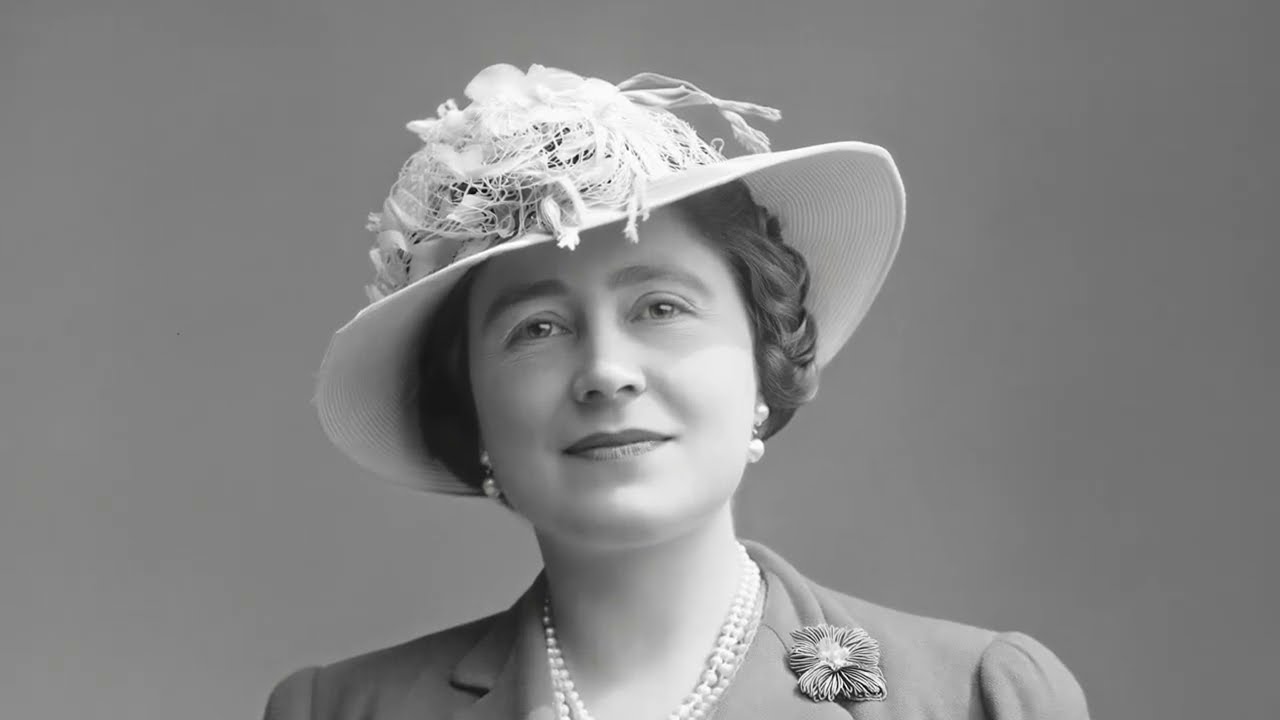
War also sharpened Elizabeth's hostility toward the Duke and Duchess of Windsor. The Duke's military appointment in France ended badly. His judgment was suspected, his connections looked dubious, and before long the couple were sent far away with the Duke posted as governor of the Bahamas. Officially, it was a posting. Unofficially, it was exile with a salary. Elizabeth had no objection to either half of that arrangement.
At home, she became more than the king's support. She became the keeper of tone. Courtiers, officials, ladies-in-waiting, guests, military figures, and politicians all moved through an atmosphere she influenced. She liked standards maintained despite war. Flowers still mattered. Order still mattered. Good manners mattered perhaps even more because in her view, civilization was one of the very things under attack.
George VI, for his part, grew into kingship through ordeal. He would never enjoy public speaking, but he came to master enough of it to move people. Precisely because the effort showed, his wartime broadcasts carried not the easy music of a natural orator, but the honest strain of a man forcing himself through fear for the sake of duty. The nation responded to that. Elizabeth knew it was one of their great assets.
By the middle years of the war, the old wound of the abdication had not healed. It had simply been built over with larger historical drama. But inside Elizabeth, the injury remained alive, fed now by contrast. Every bomb that fell on London, every speech Bertie struggled through, every anxious night, every public duty carried out under danger, made Edward's choice look more contemptible to her. He had escaped. They had stayed. He had chosen himself. They had chosen burden.
The end of the war in Europe in 1945 transformed the public mood overnight, though not the private burdens inside Buckingham Palace. Victory brought relief, tears, crowds, and noise. The King and Queen appeared on the balcony. So did their daughters. Winston Churchill joined them. The cheering below was not merely political or patriotic. It was emotional release aimed at every face that had come to symbolize endurance.
Britain after the war was tired, poorer, and in no mood to admire idle splendor for its own sake. There were shortages, rationing, bomb damage, national debt, and grief that did not vanish just because church bells rang. The 1945 Labour victory made that mood unmistakable. Elizabeth was never going to feel naturally at home in that atmosphere. She respected duty, seriousness, and national cohesion. She did not much care for leveling. She belonged to a world that thought hierarchy civilizing.
Her answer was not to retreat from display. It was to refine it. She believed deeply that the monarchy must remain visible, ceremonial, and beautiful, because without those qualities it would collapse into mere administration. The problem was that beauty cost money, and she did not have the soul of an economizer. Even in an age of austerity, she liked standards maintained. Fine surroundings, good service, proper entertaining, flowers, food, polished silver, graceful rooms, and staffs large enough to make life run smoothly were not in her mind decadent extras. They were part of what made monarchy monarchy.
Meanwhile, her daughters were no longer children in the simple nursery sense. Princess Elizabeth had grown into a serious, composed young woman, dutiful almost to a fault. Princess Margaret was beautiful, lively, quick, funny, and more inclined to test the edges of whatever room she entered. Their mother loved both, but not in identical ways. With the elder daughter, she shared a language of duty. Margaret was another matter. She was affectionate and difficult, funny and sharp, glamorous and troublesome.
Another figure was moving closer to the center during these years. Philip of Greece and Denmark, the tall, clever, restless naval officer who had begun to attract Princess Elizabeth's attention in earnest. Elizabeth was not instantly enchanted. She was too class conscious, too alert to background and breeding, and too protective of her daughter's position to greet him like a fairy tale answer. But Princess Elizabeth was determined. And for once, the daughter who usually embodied duty had found an emotional desire she would not easily surrender.
There was another problem running beneath all these family questions. The king's health was deteriorating. George VI had never been robust, and the years of strain, smoking, and relentless effort had taken their toll. Elizabeth saw it before the public did. He tired more easily. He looked older than his years. For a woman whose whole adult power rested in part on being necessary to a dependent husband, this was terrifying in several directions at once. She loved him, truly. She also needed him.
In the later 1940s, the monarchy began adjusting to a world in which its future clearly belonged to the young Princess Elizabeth and the man she intended to marry. The wedding in 1947 became a national event of huge emotional importance. A glamorous ceremony in a drab age, a white satin vision in a country still living with ration books. People wanted a fairy tale after war. The family gave them one.
As her daughter married and settled and the royal family moved into the uneasy balance of post-war Britain, Elizabeth seemed in some ways at the height of her powers. She was admired, experienced, publicly beloved, and now the matriarchal center of a dynasty that had survived scandal and war. Yet under that success lay a set of habits that would only grow stronger with time. She hated surrender. She hated being contradicted by people she considered lesser. She liked comfort very much indeed. She could be astonishingly generous in manner and surprisingly ungenerous in judgment.
In 1951, the truth forced itself through the velvet. The king's illness could no longer be treated as a private inconvenience. He underwent surgery for lung cancer, though the language around royal illness remained cautious and heavily managed. The operation was serious, the recovery uncertain, and the sight of him after it made plain to anyone with eyes that this was not a temporary wobble.
For Elizabeth, this period was a particular kind of torment because it mixed real devotion with something she could hardly confess even to herself. She loved her husband. Bertie had needed her from the beginning, and she had answered that need so completely that it had become the shape of her adult life. But because she had been so necessary, his decline threatened more than her heart. It threatened her place. She was queen because he was king. She was central because he relied on her.
Princess Margaret, meanwhile, had ripened into exactly the sort of royal problem her mother had always half expected and half feared. She was beautiful, captivating, funny, spoiled, and much more inclined than her sister to live by feeling. During the war and after it, one figure had become particularly important in the family household: Group Captain Peter Townsend, a decorated officer, equerry to the king, handsome in a grave way, and many years older than Margaret. He was married when their closeness began to attract notice, and by the time his marriage ended and the king's health was failing, the attachment between Margaret and Townsend had become the sort of thing that makes every corridor in a palace feel suddenly over lit.
Elizabeth did not care for it. In Margaret, she saw the dangerous pull of emotion against rule, the very pattern that had already thrown the family into disaster once before. Peter Townsend was not Wallis Simpson, of course. He was respectable, dutiful, and personally admirable in many ways, but he was divorced, and that single fact set off every alarm in a family still haunted by 1936.
Then, in February 1952, the arrangement she had clung to finally broke. The king died at Sandringham in the early hours of the morning, aged only fifty-six. George VI was gone, and even before the family could properly absorb the loss, Princess Elizabeth had become Queen Elizabeth II. Her mother had lost a husband and also, in the same moment, the primacy of her public role.
The new queen was far away in Kenya when the news reached her. She returned home transformed, not by any inner revelation, but by the terrible administrative speed of monarchy. She had left as a daughter. She came back as sovereign. For her mother, grief was mixed with immediate repositioning. She was no longer queen consort. She was dowager queen in effect, though the court would soon settle on the style that would define the rest of her life: Queen Elizabeth, the Queen Mother.
The widowed queen faced her husband's death with real sorrow. She had shared a deep and peculiar marriage with him, one built on affection, dependence, common purpose, and the endless joint management of his frailties. His death left a genuine personal emptiness, but it would be very unlike Elizabeth not to convert grief into role as quickly as possible. She withdrew for a time to Scotland, to the familiar emotional shelter of old places and family landscapes, but she did not remain secluded in some private fog for long.
And what a reinvention it was. As Queen Consort, she had been bound tightly to a nervous husband and the daily machinery of formal monarchy. As Queen Mother, she was still vastly important, but no longer burdened by the constitutional center. She could become something else: the cherished elder, the keeper of memory, the national matriarch, the surviving link to wartime courage, and quite usefully, a woman allowed indulgences that might have looked less charming in a reigning queen.
The public loved her almost at once in this new form. Widowhood softened her image while age made her seem less threatening. The smile that had once steadied bombed London now carried nostalgia. She became the monarchy grandmother, though in private she was never as simple as the image suggested.
There was also the question of money, and here the more selfish side of her character began to show with unusual clarity. Elizabeth had expensive tastes all her life. Widowhood did not inspire thrift. She developed an even more visible appetite for comfort, entertaining, racing, country houses, staff, hospitality, travel, and all the rich upholstery of high aristocratic life. She loved racehorses with sincere enthusiasm. She loved good food, good company, and the gracious excesses of a world she considered civilized.
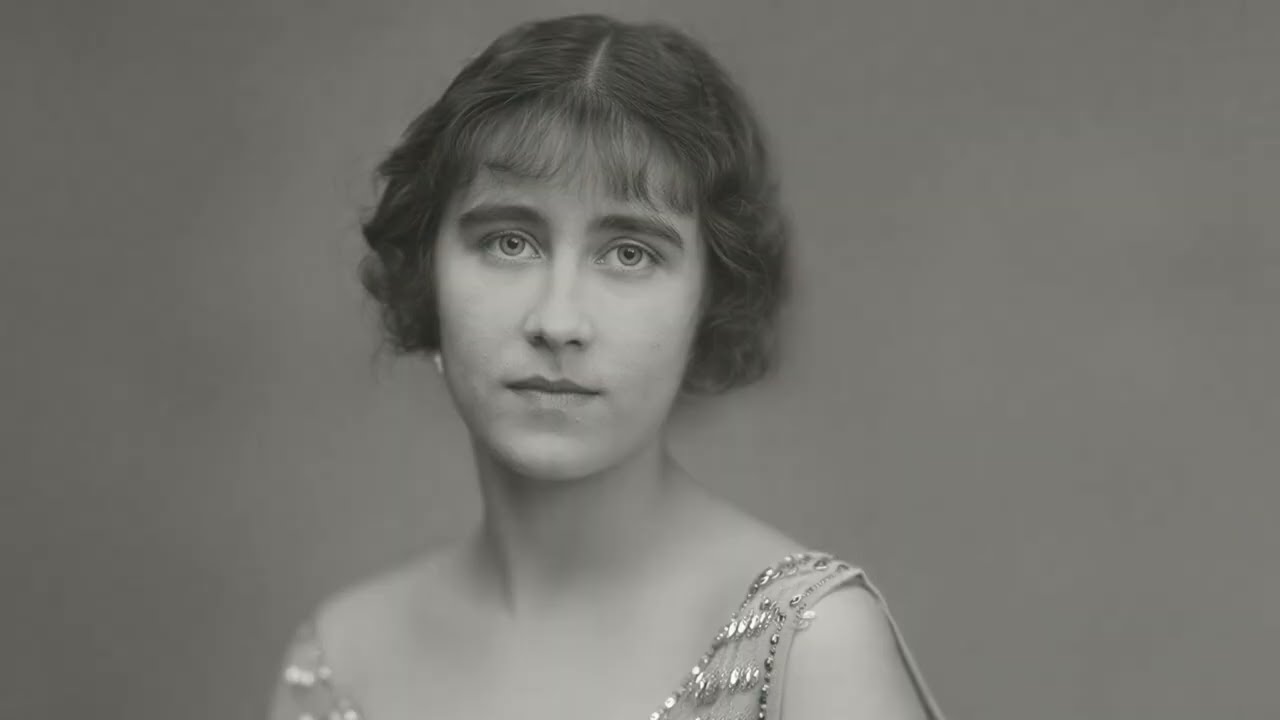
She also had a habit of overspending and drifting into debts that polite society preferred not to discuss too loudly. Bills accumulated. Household costs mounted. The style of life she considered proper was not a modest one. Because she was so beloved and because her image remained wrapped in wartime virtue, much of this was cushioned by family arrangements and the reluctance of the establishment to expose royal untidiness too directly.
Her relationship with the new queen was affectionate, close in many respects, and quietly complicated. The daughter had always been dutiful, self-controlled, and deeply respectful of parental authority. The mother had always been formidable. Now the daughter was sovereign. The Queen Mother offered advice, memory, and emotional support. She also carried enormous symbolic weight in her own right.
Then there was Philip, and with him an entirely different sort of tension. The Duke of Edinburgh was not built to float gently inside a maternal fog. He was intelligent, brisk, modern in instinct, impatient with fluff, and not naturally inclined to treat old court habits as holy relics. The Queen Mother, for her part, had a genius for preserving exactly those habits. She could charm him, spar with him, and accept him as her daughter's husband, but there were differences of style and instinct that never vanished.
The Peter Townsend matter now burst more openly into view and became one of the first major emotional crises of the new reign. Princess Margaret wanted him. The newspapers wanted the story. The government, the palace, and the church all wanted caution. The Queen Mother wanted order restored before the whole ugly issue began to resemble another abdication with better cheekbones.
Her position was shaped by more than abstract morality. She genuinely believed monarchy could not afford to wander again into a romantic tangle involving divorce and public defiance. She also disliked the thought of Margaret, with all her volatility, marrying in a way that might destabilize the carefully rebuilt family image. Townsend was sent abroad to Brussels in what looked very much like one of those elegant removals at which the palace excelled.
By 1955, Margaret publicly announced that she would not marry Townsend. The statement was dignified, dutiful, and quietly heartbreaking. She accepted the teachings of the church, the requirements of her position, and the burden of renunciation. The Queen Mother must have felt relief, certainly, but also vindication. Once again, the monarchy had demanded feeling be fooled away, and once again, feeling had been made to kneel.
Margaret went on to marry Anthony Armstrong-Jones in 1960, a dazzling and in many ways unsuitable choice, who became Earl of Snowdon. At first it all looked modern, glamorous, and daring enough to give the monarchy a little fashionable lift. Elizabeth was never likely to be entirely at ease with him. She could be charming to bohemian talent when it arrived well-dressed and useful, but she trusted steadiness more than brilliance, convention more than experiment, and ancestry more than novelty. In time, that marriage would decay into betrayal, loneliness, humiliation, and years of mutual damage.
Meanwhile, Elizabeth herself flourished. Widowhood suited her more than anyone had a right to say aloud, not because she did not mourn Bertie, she did, and sincerely, but the form of life that followed gave her pleasures that queenship, beside a sick and needy husband, had often restrained. As Queen Mother, she had freedom without obscurity, grandeur without the full constitutional burden, and all the indulgences of rank enhanced by public affection.
She bought the Castle of Mey in the far north of Scotland in 1952 and restored it with loving determination, creating for herself a private kingdom within the larger one. It was picturesque, remote, and deeply suited to her taste for old stone, old stories, and private comfort on an elegant scale. She liked refuge, but only the kind of refuge that still came with staff, flowers, silver, and views worth admiring through proper windows.
She also never stopped being socially exacting. Age did not mellow her standards. If anything, it freed them. She remained class-conscious in that almost way certain aristocrats mistake for common sense. She preferred the well-born, the well-managed, the properly turned out, the socially literate. She could be delightful to those she approved of and withering in ways almost too elegant to quote toward those she did not.
The Duke and Duchess of Windsor remained in the outer darkness of her affections. Nothing about the passing decades softened that. When the Duke returned to Britain for family funerals and formal occasions, the emotional chill was never far away. The Queen Mother did not revise history to comfort aging exiles. When the Duke of Windsor died in 1972, there were gestures of formal reconciliation because monarchy never entirely abandoned ceremony, especially around death. But Elizabeth did not become Wallis's friend and there is no reason to pretend she tried.
The decades rolled on and Britain changed around her with unnerving speed. Empire thinned into Commonwealth, deference weakened, television invaded the mystique of monarchy, and old country house assumptions looked steadily less universal. Through all this, the Queen Mother remained a living emblem of an earlier style. She wore hats like decorations. She smiled like memory itself. She moved through crowds with the confidence of someone who had been adored by several different Britains and saw no reason to apologize to any of them.
But the family underneath that picture was often less stable than the public liked to imagine. Margaret's marriage collapsed in misery and infidelity, ending in divorce in 1978. For the Queen Mother, this was bitter on more than one level. A daughter who had once been denied love on grounds of duty had ended up in a marriage fully acceptable on paper and deeply destructive in practice.
Then came the younger generation in full force, and with them a new set of troubles the Queen Mother never entirely understood because the age itself offended her instincts. She had always believed in privacy, discretion, hierarchy, and endurance. By the time Charles and Diana's marriage was unraveling in the 1980s and 1990s, public life had become confessional, intrusive, and hungry for emotional narratives.
Diana could not have been more different from the world that made the Queen Mother. Beautiful, shy, wounded, attention-drawing, and increasingly willing to let the public see what the palace preferred to bury, she represented a style of monarchy Elizabeth found deeply unsettling. At first, like many in the family, she welcomed Diana. But lineage was not enough. Diana brought feelings into the open, and open feeling in palaces has a way of becoming dynamite. The Queen Mother had spent her life turning distress into poise. Diana turned poise into confession.
Her grandson, Charles, had long enjoyed her affection and encouragement. She admired seriousness, old-fashioned pursuits, and people who treated rank as something weighty rather than casual. Charles, for all his difficulties, shared her taste for history, architecture, ritual, country life, and old-world atmosphere. Their closeness mattered. She offered him warmth and legitimacy from the older order.
As the years piled up, tragedy did, too. Margaret's health failed after strokes and chronic illness. The Queen Mother herself suffered losses, operations, falls, and the slow indignities of great age, yet she remained astonishingly visible. There was something almost defiant in her survival. She went on appearing at commemorations, race meetings, public events, and family rights, tiny and smiling, wrapped in color and memory.
That public affection reached almost absurd levels by her centenary in 2000. The idea of the Queen Mother turning one hundred was too perfect for sentimental Britain to resist. Here she was, born under Queen Victoria, still smiling into the age of mobile telephones and tabloids, still associated with wartime courage, old houses, and an England many people suspected had never quite existed except in her presence. The celebration was enormous.
Then 2002 arrived with cruel speed. In February, Princess Margaret died after years of decline. The loss shook the Queen Mother deeply. Whatever their tensions, Margaret had been the dazzling younger daughter, the funny one, the troublesome one, the child whose pain had always sat at an angle to royal order. Within weeks, on March 30, 2002, the Queen Mother died in her sleep at Royal Lodge, aged 101.
The country responded with the sort of emotion reserved for figures who have ceased to belong to their own biographies and entered national mythology. The lying in state drew vast crowds. The funeral was steeped in memory. It was not only Elizabeth Bowes-Lyon being buried. It was the embalmed idea of wartime monarchy, of stiff upper lips dressed as warmth, of old aristocratic confidence softened into grandmotherly charm, of a Britain that liked its grandeur smiling and its pain well-mannered.
The popular version of the Queen Mother is easy to understand. She was brave in war. She steadied a shy king. She gave the monarchy a human face. She loved horses, flowers, Scotland, and a good lunch. She smiled at crowds, remembered names, and seemed to make duty look festive. All of that is true.
What is also true is that she was spoiled from childhood and never meaningfully cured of it. She liked luxury not as an occasional treat but as a natural climate. She could be selfish in ways made easy by rank and hidden by charm. She could be spiteful, especially where old injuries were concerned, and almost magnificently unforgiving toward the Windsors. She was capable of real warmth, but she distributed it selectively.
She believed in duty, yes, but often as something other people should accept at full cost while her own appetites were treated with indulgence. She made courage look effortless because she worked hard at the performance. Yet the performance itself became a source of entitlement. She had suffered, therefore she deserved. That was one of the quiet engines of her life.
The really astonishing thing is that she made these qualities part of her success rather than the ruin of it. In a lesser woman, selfishness would have looked merely selfish. In Elizabeth, it became style. In a lesser woman, spite would have looked nasty. In Elizabeth, it became principle in a good hat. In a lesser woman, extravagance would have looked vulgar. In Elizabeth, it became continuity, tradition, the proper standard of great houses and national rituals.
She was not the saintly old darling of sentimental memory and she was not the monster of easy revision, either. She was much more interesting than both. She was a woman of appetite, rank, grievance, discipline, wit, and formidable emotional control. She could comfort a bombed city and freeze a family member in the same lifetime without feeling the two acts contradicted each other. She could defend monarchy with brilliance while also feeding on the privileges monarchy placed before her. She could seem soft while being made almost entirely of nerve. That smile people remembered first was never the whole truth. It was the velvet cover on a piece of iron furniture, polished daily, arranged beautifully, and never moved without a struggle.