Federal investigators recorded members of a New Jersey crime family watching HBO’s *The Sopranos* and recognizing themselves so completely that they said so aloud on a live FBI wiretap. The creator of the show, David Chase, publicly insisted for years that Tony Soprano was entirely fictional—a product of his imagination. The FBI recordings suggested otherwise. For decades, critics, academics, and film historians treated Tony Soprano as one of the greatest original character studies ever produced for television.
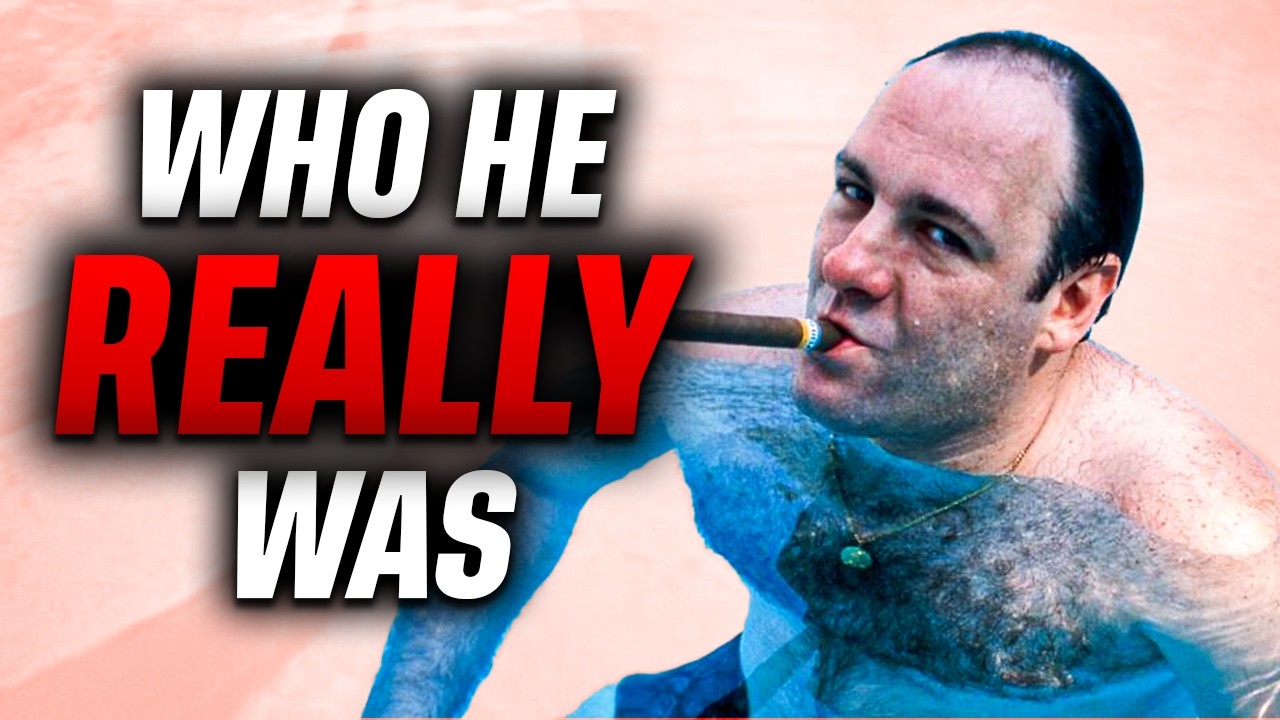
Chase supported that interpretation in interviews, describing the character as a composite invention. He spoke vaguely about growing up in New Jersey and about his difficult relationship with his own mother when pressed about sources. He never pointed to a specific person until the show’s legacy was already cemented. There was, however, a real man at the center of the story.
His name was Vincent Palermo, also known as Vinnie Ocean. He ran the DeCavalcante crime family out of New Jersey through the 1980s and 1990s. He operated legitimate businesses as cover, including a seafood distribution company. He had a volatile temper, a complicated home life, and the constant pressure of running a criminal organization.
According to people who knew him, the strain showed. The DeCavalcante family operated deliberately under the public radar. Built originally by Simone Rizzo DeCavalcante, known as Sam the Plumber, the organization focused on loan sharking, gambling, labor racketeering, and construction fraud. Sam ran a plumbing supply company in Kenilworth that gave him legitimate paperwork and a reason to be somewhere other than a social club.
He also served as a mediator between New York’s five major crime families, earning respect through judgment rather than headline-grabbing violence. When the FBI began wiretapping Sam’s office in the early 1960s, they collected hundreds of hours of conversation that became some of the most significant organized crime intelligence the federal government had ever obtained. Sam died in 1982, and the family passed through several leaders before coming under Palermo’s control in the late 1980s. Palermo was born in Newark in 1944 and grew up in the same working-class Italian neighborhoods that produced a generation of mob figures.
By his 30s he was a recognized earner. By the time he took over the family, he was running the most powerful criminal organization in New Jersey while remaining almost invisible outside law enforcement. His seafood business provided income documentation, cover, and access to restaurant and food service industries across the state. The FBI had been building a case against the DeCavalcante family for years.
By the mid-1990s they had extensive surveillance, informants, wiretaps, and financial records. In 1999, federal prosecutors moved. Palermo was arrested on charges including racketeering, conspiracy, and murder conspiracy. Facing the weight of the federal case, he made the decision that defined his legacy.
He cooperated with the government, became a witness, entered protection, and provided detailed information about the family’s operations and members. By the time Palermo was arrested, *The Sopranos* had already been on television for months. His soldiers watched the show. Federal investigators recorded them discussing its resemblance to their own operation.
One soldier was recorded essentially saying that the characters in the show were their guys, their situations, their conversations. David Chase was never subpoenaed and never required to explain his research. But several layers went into assembling Tony Soprano. Beyond Palermo’s criminal architecture, the character’s arc of power collapsing under its own weight closely paralleled the biography of Angelo Leonardo, a Cleveland crime boss who cooperated with prosecutors in the mid-1980s after decades of building an organization.
Chase also acknowledged in interviews that his own difficult relationship with his mother fed directly into the creation of Livia Soprano. And he had grown up in New Jersey, knowing from the inside how legitimate and criminal worlds bled into each other. The show was extraordinary television. It was also, in specific ways, a protection mechanism for the reality it depicted.
The therapy sessions, the anxiety, the family dynamics, and the philosophical rumination made Tony Soprano sympathetic to an audience of millions. What the show consistently pushed to the periphery was the human cost of the real family’s operations—the people destroyed by loan sharking, the workers exploited through labor racketeering, and violence that was rarely stylized or cinematic. The real DeCavalcante family did not end with a dramatic confrontation. It collapsed slowly, through courtrooms, sentencing hearings, and cooperation deals.
By the early 2000s the organization was effectively dismantled. Palermo is alive today somewhere in America under a new identity, with no interviews, no memoir, and no public presence. Fiction became famous. Reality was filed away in federal court documents.
Tony Soprano was assembled from a real boss’s operational reality, a real cooperator’s arc of collapse, and a creator’s personal memory of a New Jersey where violence and normalcy shared the same neighborhoods. David Chase told the world the character was imagined. The FBI recordings indicate otherwise.