Across New York City, a handful of unremarkable storefronts once served as the nerve centers of organized crime. Between the 1950s and the early 2000s, these social clubs looked ordinary from the outside. Inside, decisions were made that determined who lived and who disappeared.
Most of the buildings still stand today. The neighborhoods around them have changed, and the men who ran them are dead or imprisoned. No plaques mark what happened inside.
The Toyland Social Club sat at 94 Hester Street in lower Manhattan, between Chinese produce stands and tenement buildings. From the early 1970s until his semi-retirement in the late 1980s, Nicholas Marangello ran operations from a back room with a single table and folding chairs.
Marangello, known as Nikki Glasses, wore thick frames and spoke quietly. He controlled a piece of the Bonanno crime family and associated with its Sicilian faction. Men like Joey Massino and Anthony Sparrow, soldiers and capos, came and went. No one wrote anything down.
The club became a Bonanno nerve center during an era when the family bled from internal wars and federal infiltration. Marangello never allowed casual visitors. The sign outside said Toyland, but there were no toys inside, only conversations that decided fates.
By February 1977, FBI agents were photographing Marangello outside the club with other family members. Surveillance continued for years, capturing faces, license plates, and meeting times. Today, 94 Hester Street houses a Chinese restaurant, and tourists walk past taking photos of street art.
The Bergen Hunt and Fish Club operated from two connected brick storefronts at 98-04 101st Avenue in Ozone Park, Queens, from 1966 through 2005. Gambino family capo Carmine Fatico established the club after moving from East New York, seeking proximity to Kennedy Airport. Hijacking trucks became a primary income source.
The club's name had nothing to do with hunting or fishing. John Gotti joined the crew in the late 1960s, and by the early 1980s he effectively controlled the club. FBI agents watched constantly, with cameras mounted across the street and vehicles parked on surrounding blocks.
Gotti sat outside on warm days and held court on the sidewalk. On December 24, 1992, Thomas Uva and his girlfriend Rosemary robbed the club, one of several social clubs the couple targeted across New York. Later that same day, a vehicle pulled alongside their car in Ozone Park. Multiple gunshots killed both instantly. The murders were never officially solved.
The club continued operating into the 2000s under increasing federal pressure. By 2005, it closed. Today, the address houses a medical supply store and another business.
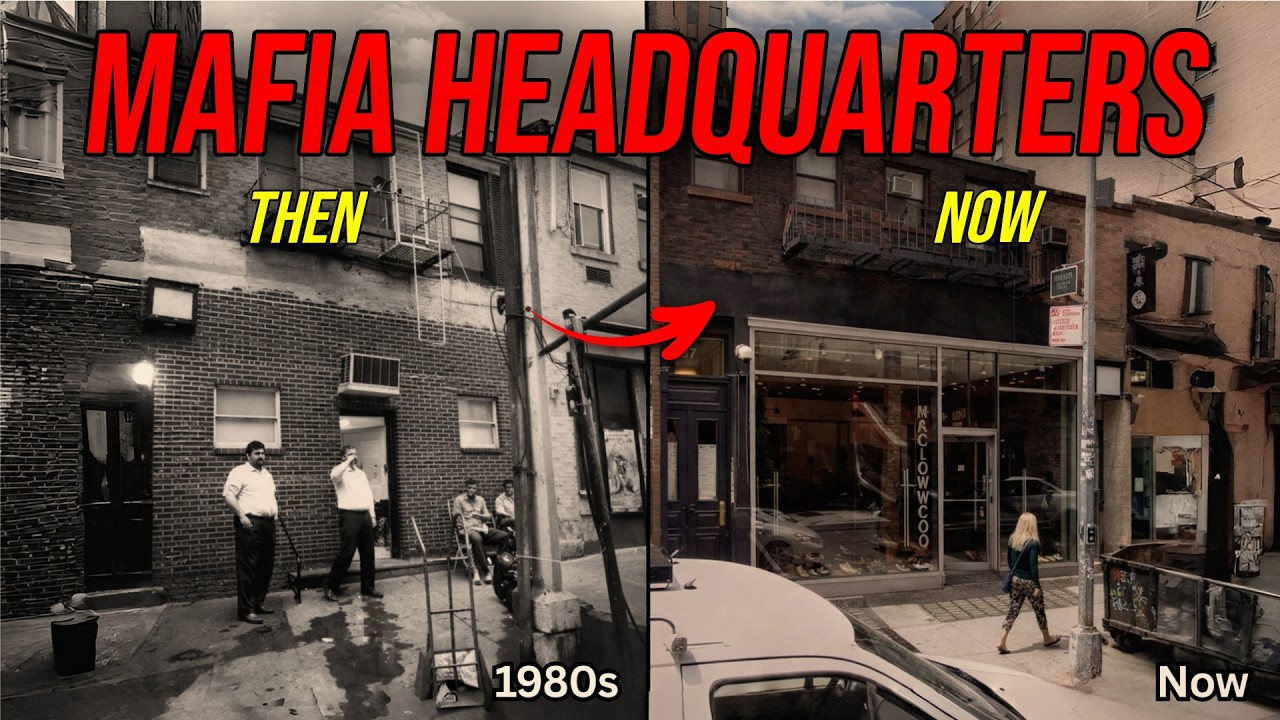
The Napoli and Nate Cafe stood at 165 Thompson Street in Greenwich Village, operating from the 1950s through the 1970s. The cafe offered nothing special, just potato chips, pretzels, and espresso. Thomas "Tommy Ryan" Eboli met there, as did Gerardo Catena and Mike Miranda, high-ranking Genovese family members.
They chose the grimy cafe over upscale restaurants because no one paid attention to it. It looked like a failing business barely surviving. Eboli served as acting boss of the Genovese family after Vito Genovese's 1969 death in prison, and the cafe became a regular meeting spot.
The FBI knew about the cafe and photographed men entering. On July 16, 1972, Eboli left his girlfriend's apartment in Crown Heights, Brooklyn, at approximately 1:00 a.m. and walked to his car. Five gunshots struck him, and he died on the street. The cafe continued for several years afterward before closing. Today, the original entrance no longer exists.
The Wimpy Boys Social Club at 7506 13th Avenue in Brooklyn served as headquarters for Colombo family capo Gregory Scarpa Sr. from the 1970s through the 1990s. Known as the Grim Reaper, Scarpa ran a violent crew from the address. The FBI suspected him of at least 80 murders, possibly more than 100.
Scarpa maintained a unique relationship with the FBI, serving as a top echelon informant while running his crew. FBI agent Lin DeVecchio handled him as a confidential source, a relationship that later became controversial. Accusers claimed DeVecchio leaked information that led to murders during the Colombo family war of the early 1990s.
In 1992, a female informant named Mary Bari was lured to the club and murdered there. Scarpa died of AIDS complications in 1994 while serving a prison sentence, and the club closed shortly after. Today, 7506 13th Avenue is a residential building with no sign of what occurred there.
The Palma Social Club at 416 East 115th Street in East Harlem was the daily headquarters of Anthony "Fat Tony" Salerno, who ran the Genovese family's 116th Street crew from the location. Salerno sat outside in warm weather, held meetings, and conducted business in plain sight.
By the late 1970s, the FBI placed a listening device inside the club. The bug remained undetected for months, and agents recorded hundreds of hours of conversations. Salerno discussed rackets, loan sharking, construction industry corruption, and labor union control.
In 1986, Salerno was arrested as part of the Mafia Commission trial, and prosecutors used evidence from the bug. He was convicted in November 1986 and sentenced to 100 years. He died in prison in 1992. The club closed in the early 1990s, and today the storefront sits empty or operates as a different business periodically.
The Ravenite Social Club at 247 Mulberry Street in Little Italy served as a Gambino family headquarters for over 30 years. Carlo Gambino used the club briefly in the late 1950s before surveillance increased and he stopped visiting regularly. Aniello Dellacroce took over management in the 1970s and became underboss, making the Ravenite his base of operations.
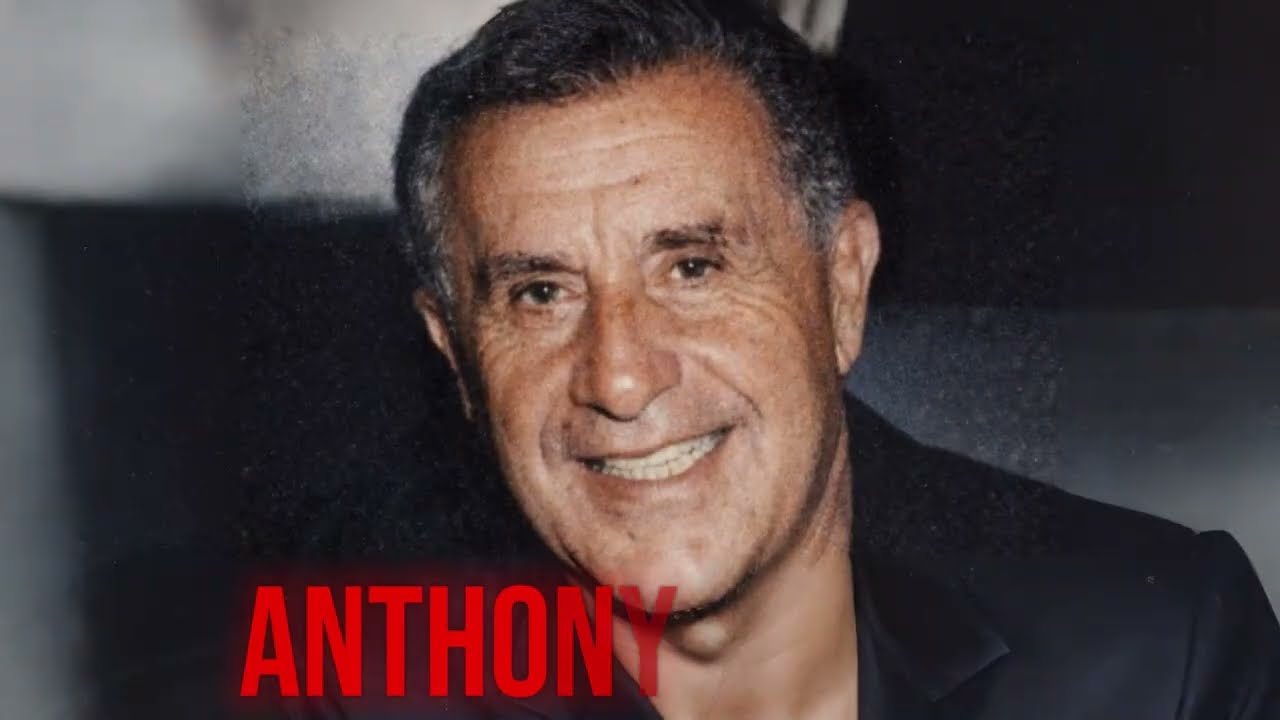
The club had rosette-tiled floors and simple furnishings. Men played cards, drank espresso, and discussed business in careful language. Dellacroce died of cancer on December 2, 1985. Within two weeks, Paul Castellano was murdered outside Sparks Steakhouse in Manhattan, and John Gotti became boss.
The Ravenite became Gotti's headquarters. He arrived every Wednesday evening and held meetings in an apartment above the club. The FBI bugged the apartment in 1989 and recorded conversations in which Gotti discussed murders and criminal operations, incriminating himself repeatedly.
On December 11, 1990, FBI agents raided the Ravenite and arrested Gotti, underboss Frank Locascio, and consigliere Salvatore Gravano. Gravano later became a government witness and testified against Gotti, who was convicted of racketeering and murder in April 1992 and sentenced to life without parole. He died in prison in 2002. Today, the building houses a men's clothing store called Descendant of Thieves.
The Veterans and Friends Social Club at 1468 86th Street in Bensonhurst operated as a Gambino family gathering spot from the 1970s through 1986. James Failla's crew used the club, and Frank DeCicco attended meetings there. DeCicco served as underboss under John Gotti and helped orchestrate Paul Castellano's murder on December 16, 1985.
The Commission, the governing body of New York's five families, never sanctioned the hit, and the Genovese and Lucchese families disapproved. On April 13, 1986, DeCicco attended a meeting at the club that ended around 4:00 p.m. He walked across 86th Street and approached a Buick Electra parked outside a car dealership.
The car belonged to another mobster. When DeCicco opened the passenger door and sat down, a bomb detonated. He died before reaching the hospital. The bomb was intended for Gotti, but he had changed plans at the last minute. Members working for Vic Amuso and Anthony Casso of the Lucchese family planted it. The club closed in the 1990s, and today the address houses a different business.
The Motion Lounge at 420 Graham Avenue in Williamsburg, Brooklyn, was run by Bonanno family capo Dominick "Sonny Black" Napolitano from the 1970s through 1981. His crew operated out of the neighborhood bar and upstairs apartment and conducted business throughout Brooklyn.
In 1976, an associate named Benjamin "Lefty" Ruggiero introduced a young jewel thief named Donnie Brasco to Napolitano. Brasco earned trust slowly over five years, attending meetings at the Motion Lounge and participating in criminal activities. But Donnie Brasco was FBI special agent Joseph Pistone, and the operation became one of the most successful mob infiltrations in history.
In July 1981, the FBI pulled Pistone out and informed the Bonanno family that Brasco was a federal agent. On August 17, 1981, Napolitano was called to a meeting. He gave his jewelry and keys to the bartender at the Motion Lounge and told him to hold on to them. He was led to a basement and shot multiple times. His body was found days later in Staten Island, both hands cut off, a symbolic message that he had shaken hands with an FBI agent. The lounge closed after his murder.
The Gemini Lounge at 4021 Flatlands Avenue in Canarsie, Brooklyn, operated as both a bar and a slaughterhouse from the 1970s through 1983. Roy DeMeo, a Gambino family soldier, ran the establishment. His crew specialized in car theft, loan sharking, pornography, and murder.
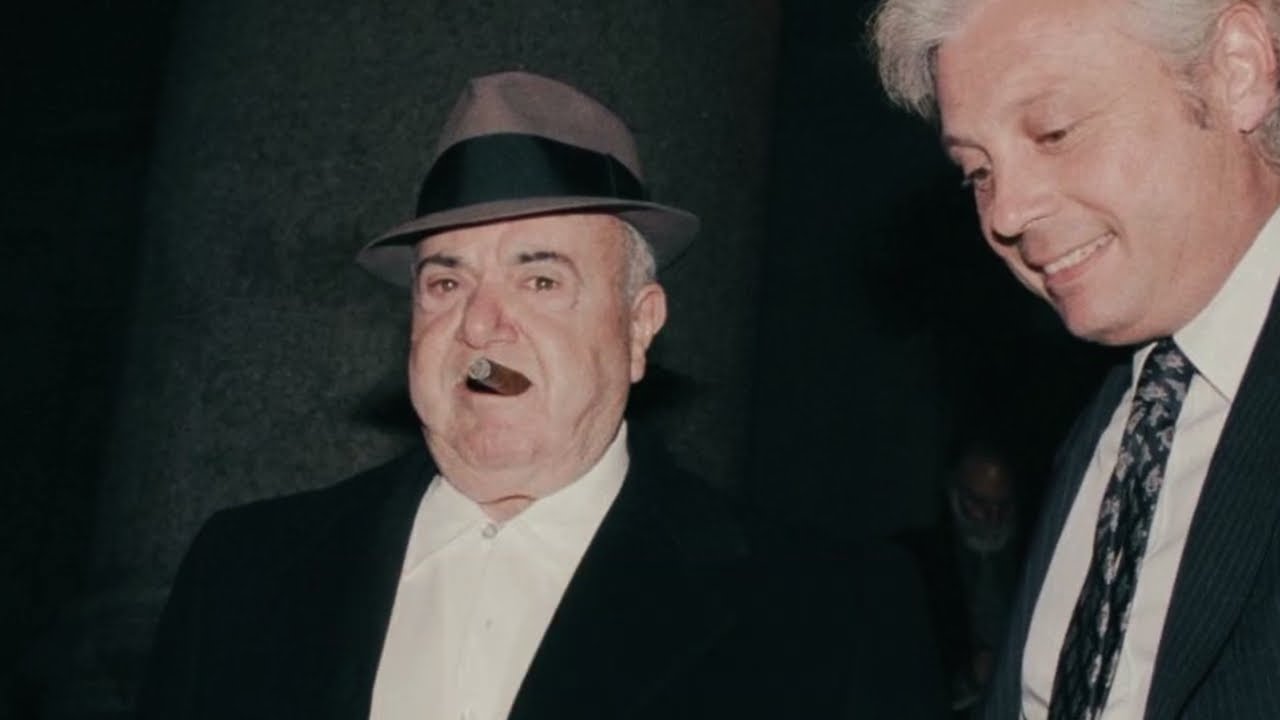
The real work happened in the apartment above the bar. DeMeo's crew developed a systematic method for killing and disposing of bodies known as the Gemini method. A victim was lured to the apartment, shot in the head upon entry, and immediately stabbed in the heart to stop blood flow. The body was stripped, placed in a shower, drained, and dismembered. Body parts were wrapped and disposed of in dumpsters, landfills, and the ocean.
The crew murdered dozens of people this way, possibly over 100 victims, most connected to criminal activities. Joseph Guglielmo, known as Joe the Dracula, handled many of the dismemberments. The FBI and NYPD investigated DeMeo for years but bodies did not surface and witnesses were too terrified to talk.
By 1983, Gambino leadership grew concerned that DeMeo's crew drew too much attention. On January 10, 1983, DeMeo was murdered, his body found in the trunk of his car at a bar parking lot in Brooklyn. The Gemini method was used against its creator. The lounge closed shortly after, and the building was eventually torn down. Today, the address is occupied by a different structure.
Across New York City, these locations tell the same story. Storefronts concealed violence. Clubs brokered power over espresso and playing cards. Rooms hosted plans for murders and millions of dollars in illegal operations.
The buildings remain mostly standing, but the neighborhoods have changed. Chinese restaurants, medical supply stores, and clothing boutiques now occupy former headquarters. Tourists walk past these addresses daily, most with no idea what happened inside.
No historical markers explain the significance. The city moves forward, the buildings age, and the stories fade. But between 1950 and 2005, these social clubs formed the infrastructure of organized crime in New York. They were offices without paperwork, headquarters without signs, and meeting rooms where decisions meant life or death.
The FBI photographed them all. Surveillance cameras captured thousands of images, and listening devices recorded hundreds of hours. Federal agents compiled evidence that eventually dismantled the five families' power structure.
John Gotti died in prison. Anthony Salerno died in prison. Roy DeMeo was murdered by his own family. Dominick Napolitano was killed for trusting the wrong person. Frank DeCicco was blown apart by a car bomb. Thomas Uva was shot in the street. Nicholas Marangello died in 1999. Gregory Scarpa died of AIDS.
The social clubs closed. The men disappeared into prisons or graves. The neighborhoods gentrified, property values increased, and coffee shops and yoga studios replaced gathering spots for killers. But the buildings remember. The walls absorbed decades of conversations, and the floors supported the weight of men who controlled the city's underworld.
Today, you can walk to each address and stand outside. Most show no indication of their history, but the addresses are real and the buildings are standing. For decades, these locations were the nerve centers of the most powerful criminal organization in American history.