Sawyer Sweeten was just 16 months old when his family moved to California, a relocation that placed him and his twin brother, Sullivan, directly inside the Hollywood machine. By the time the boys were toddlers, they had been cast on a new CBS sitcom, chosen not for their acting ability—which was nonexistent at that age—but for a very specific legal reason. California’s strict child labor laws limited infants to just 20 minutes of work per day, but children aged 16 months were legally permitted up to two hours. For producers juggling a 22-minute episode on a weekly schedule, using twins was the most practical way to maximize the limited filming time available.
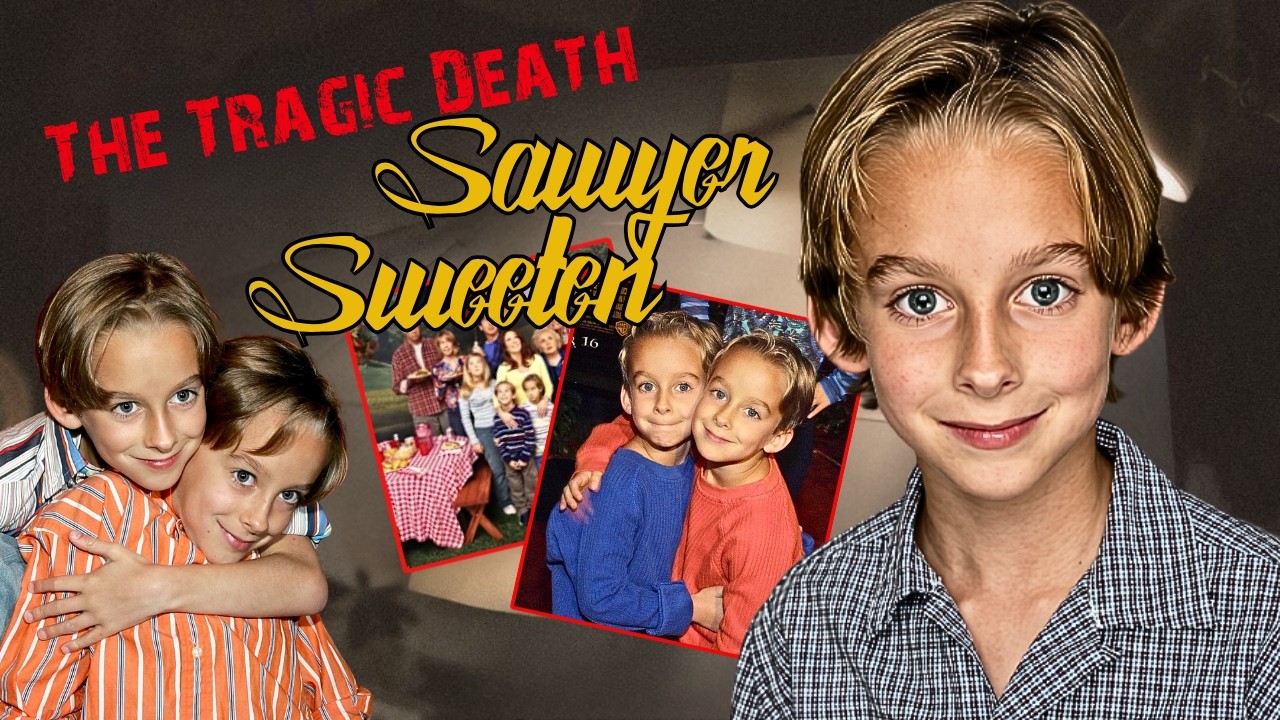
Sawyer was cast as Geoffrey Barone, while Sullivan played his twin brother, Michael, and their older sister, Madylin, was brought in to play their on-screen sister, Ally. The twins spent their earliest years on the set of “Everybody Loves Raymond,” a sitcom that dominated prime-time television and became a cornerstone of the multi-camera comedy era of the late 1990s and early 2000s. The show centered on Ray Barone, a sportswriter whose suburban life was perpetually complicated by his overbearing family living across the street. With no streaming platforms or social media to compete with, the major networks ruled cultural conversations, and this show was one of their biggest hits.
For the Sweeten children, the set was their world. They grew up surrounded by a crew of dozens who catered to their basic needs, from meals to naptime, all while a live studio audience laughed on cue. Their daily schedule was rigorous: arrive at the studio in the morning, study with an on-set tutor, film in the afternoon, and attend interviews in the evening. For a decade, this was the only life they knew.
The entertainment industry operates with a rigid focus on production schedules, profitability, and deadlines, and child actors are placed directly into this high-stakes system. California has historically maintained some of the strictest child labor laws in the United States, particularly for the entertainment industry, designed to prevent physical exhaustion and protect minors on set. While the rules are strict, they were not designed to nurture the psychological development of a child who does not yet understand what a career is. A 16-month-old has no cognitive awareness of a job, no legal capacity to consent to work, and no ability to grasp the concept of a television audience or a dramatic character.
The reality of casting children in Hollywood is purely practical. Producers did not choose the Sweeten twins because they possessed exceptional natural talent; they were chosen because they could work longer hours within the legal limits and because the production needed flexibility that a single infant could not provide. For the Sweeten twins, the routine ended abruptly when they were ten years old. The series concluded its run, and with it, the structured cycle of their childhood vanished overnight.
The transition from the set to the real world was not a gentle one. Sawyer and Sullivan had never known life outside the studio lot. They had no experience with a normal school day, no experience making friends outside of the cast and crew, and no sense of identity separate from the show. They went to years of continuous auditions after the show ended, but the industry that had once welcomed them had already moved on.
Casting directors did not see former sitcom stars; they saw has-beens, and the twins faced rejection after rejection for nearly a decade. The skills they had developed were useless in the real world, and the world they had been trained for no longer wanted them. Stripped of the identity they had been given as toddlers, they found themselves unable to adapt to the outside world, their only reference point for success gone. This collision of fame, identity, and the brutal realities of Hollywood’s labor system had a devastating conclusion.
Sawyer had been struggling with the consequences of this life for years. He had lost sight of who he was outside of the show, and his inability to find a new path forward left him in a dark place. On the morning of December 23, 2015, at the age of 19, Sawyer died by suicide. He shot himself in the head while standing on the porch of his father’s home in Texas.
He had been dealing with a series of personal struggles, including a recent breakup and ongoing unemployment, which compounded the lingering emotional and psychological void left by the abrupt end of his childhood career. His family confirmed his death, and the news sent shockwaves through the entertainment community, who had watched him grow up on screen. The aftermath of Sawyer’s death exposed the failures of an industry that profits from the labor of minors while offering them no long-term safety net. California’s child labor laws, while strict on paper, do nothing to address the emotional abandonment that occurs the moment a child is no longer marketable.
The Sweeten twins were raised to believe they were part of a family—both real and fictional—but the moment the cameras stopped, the family left. No one in the industry followed up with them. No one ensured they had the psychological tools to pursue a life outside of acting. The same system that had legally maximized their working hours as toddlers provided no support for their transition into adulthood.
The final known outcome of this story is tragic: a young man, unable to reconcile the person he was on screen with the person he had become off screen, took his own life at the age of 19. His brother Sullivan later opened up about the struggles they faced, stating publicly that the transition out of acting was devastating and that they had both felt lost without the rigid structure of the show. The wake of his death is a sobering reminder of the price often paid by child actors long after the applause fades and the lights go out.