On December 7, 1941, Pearl Harbor burned. A young Army Air Corps corporal named Jacob DeShazer heard the news while peeling potatoes. He threw a potato across the room and declared that Japan would pay.
Four months later, DeShazer got his chance. He volunteered for a secret mission to bomb Tokyo.
The mission succeeded, but his plane crashed in Japanese-held territory. He spent the next 40 months as a prisoner, 34 of them in solitary confinement. He was tortured and starved, and he watched fellow prisoners executed.
In that cell, something impossible happened. DeShazer asked for a Bible. As he read it, his hatred transformed into forgiveness.
In 1948, he returned to Japan, not as a warrior but as a missionary. The man who led the attack on Pearl Harbor would read his story and become his closest friend.
Jacob DeShazer was born on November 15, 1912, in West Dayton, Oregon. His family farmed wheat. He graduated from Madras Middle School in 1931 and lived an ordinary rural life.
By his own admission, he drifted from Christianity and considered himself an atheist. In early 1942, at age 29, he enlisted in the Army Air Corps. He could not qualify as a pilot, so he trained as a bombardier.
On April 18, 1942, DeShazer found himself aboard B-25 bomber number 16, known as Bat Out of Hell. The mission was to strike Tokyo and other Japanese cities. It was America's first offensive action after Pearl Harbor.
Sixteen bombers launched from the USS Hornet. The goal was not massive destruction. It was a message: You are not safe.
DeShazer's bomber was the last to launch. Its target was Nagoya. The crew dropped their bombs, but the task force had been spotted early, forcing the launch farther from Japan than planned. That meant less fuel for the return to China.
The bomber ran out of fuel over Japanese-occupied territory. The crew bailed out. DeShazer landed in a cemetery with an injured ankle. Japanese soldiers captured the men within 24 hours.
The crew was taken to Tokyo. Japanese authorities classified the Doolittle Raiders as war criminals because they had attacked the Japanese mainland.
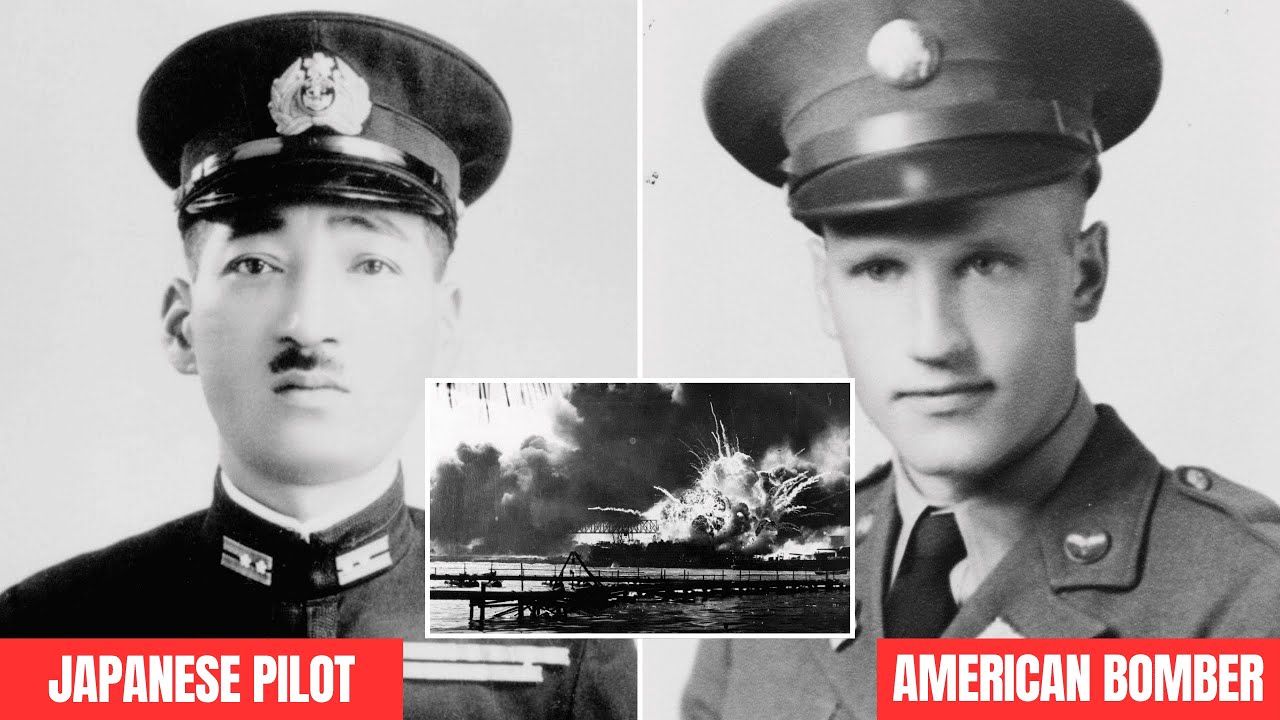
In October 1942, a military tribunal sentenced eight captured raiders to death. Three were executed by firing squad: Lieutenant William Farrow, Lieutenant Robert Hite, and Sergeant Harold Spatz, DeShazer's crewmates. Lieutenant Robert Meder would later die from malnutrition and mistreatment.
DeShazer's sentence was commuted to life imprisonment by Emperor Hirohito. He spent 40 months in captivity, 34 of those months in solitary confinement.
The conditions were brutal: severe beatings, starvation rations, and psychological torture. He watched his crewmates die. His hatred intensified. Every moment of suffering fueled his rage against his captors. He vowed that if he survived, he would find a way to make them pay.
After nearly a year, something unexpected occurred. A guard offered DeShazer a Bible, not permanently, just for three weeks. The guard warned him to read it carefully because he would not get it again.
DeShazer had nothing else. No books, no contact, no hope. He began reading. At first, it was just something to occupy his mind. But as he read through the Gospels, something shifted.
He came to the words of Jesus on the cross: Father, forgive them, for they know not what they do. The concept stunned him. Forgiveness for executioners, love for enemies. It contradicted everything he felt.
DeShazer kept reading. By the time he reached the book of Romans, he understood grace differently. In that solitary cell in 1944, Jacob DeShazer became a Christian.
His transformation was immediate and visible. He stopped cursing the guards. He greeted them kindly each morning despite his condition. He prayed for them. His entire demeanor changed.
The guards noticed. They could not understand how a book could produce such a transformation. Some began treating him better. A few brought him extra food.
DeShazer made a vow. If he survived the war, he would return to Japan, not as a warrior bringing vengeance, but as a missionary bringing the message that had saved him.
On August 20, 1945, American soldiers parachuted into the POW camp in Beijing where DeShazer was held. The war was over. He was free.
DeShazer returned to the United States, awarded the Distinguished Flying Cross and Purple Heart. But he was not the same angry young man who had volunteered for the Doolittle Raid. He enrolled at Seattle Pacific College to study theology. He married Florence Matheny in 1946.

In 1948, three years after his release, Jacob DeShazer sailed from San Francisco Bay back to Japan. This time, he was not a bombardier but a missionary.
He wrote a tract titled I Was a Prisoner of Japan, published by the Bible Meditation League. The tract told his story: how he had hated the Japanese after Pearl Harbor, how he had volunteered to bomb them, how he had been captured and tortured, how he had found faith in a prison cell, and how that faith had transformed his hatred into love.
The tract was distributed throughout Japan. Over 30 million copies were eventually printed in multiple languages. DeShazer stood at train stations and bus stops, handing them out freely to anyone who would take one.
Among those who received a copy in 1949 was a man named Mitsuo Fuchida.
Mitsuo Fuchida was born in 1902 in Nara Prefecture, Japan. He joined the Imperial Japanese Navy and became a skilled pilot. By 1941, he was a commander in the Naval Air Service.
On the morning of December 7, 1941, Fuchida led the first wave of aircraft that attacked Pearl Harbor. At precisely 7:49 a.m., he transmitted the code words Tora, Tora, Tora, the signal that complete surprise had been achieved.
Under his command, Japanese aircraft sank or damaged eight battleships, destroyed 188 aircraft, and killed 2,403 Americans. Fuchida became a national hero in Japan. He met Emperor Hirohito personally to brief him on the attack. He even painted a map of the attack from an aerial perspective and presented it to the emperor.
Fuchida barely survived the war. He was in Hiroshima consulting with military officials on August 5, 1945. He left the city on August 6, the morning the atomic bomb fell. He returned days later to search for friends and was exposed to residual radiation.
After Japan's surrender, Fuchida struggled with bitterness. His country had been defeated. His emperor had surrendered. Everything he believed in and fought for had collapsed. He retreated to farming, angry and disillusioned.
In 1949, while in Tokyo to testify at war crimes trials, someone handed Fuchida a tract at the Shibuya train station. The title caught his attention: I Was a Prisoner of Japan.
He read it. The story was of an American bombardier who had been tortured for 40 months, who had every reason to hate Japan, yet had returned to Japan with forgiveness.
Fuchida could not understand it. His own culture valued honor, duty, and sacrifice, but forgiveness for enemies was foreign to his worldview. The tract mentioned that DeShazer's transformation came from reading the Bible. Fuchida decided to investigate.
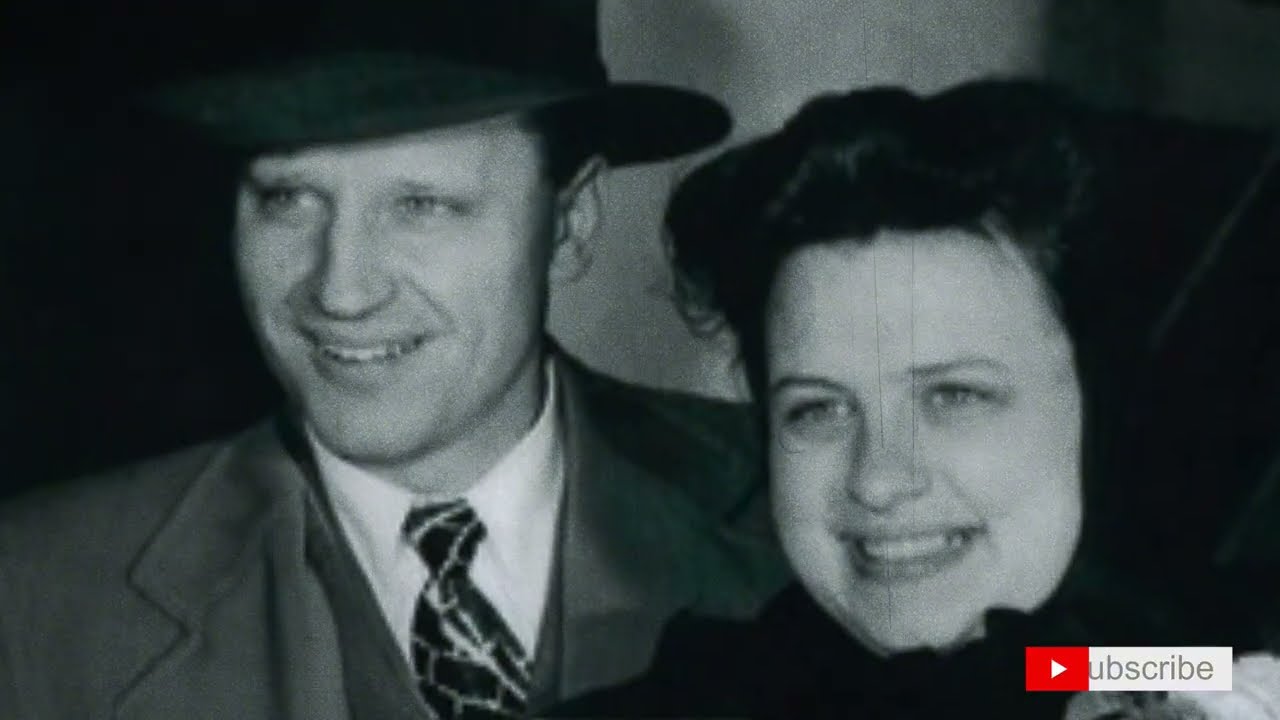
He bought a Japanese Bible and began reading. When he reached the Gospel of Luke and read Jesus' prayer from the cross, Father, forgive them, Fuchida was shaken. The same words that had transformed DeShazer struck him the same way.
In 1950, Mitsuo Fuchida became a Christian. That same year, Jacob DeShazer and Mitsuo Fuchida met face to face.
The man who bombed Pearl Harbor and the man who bombed Nagoya and spent 40 months tortured by Japanese guards shook hands. They spoke about their experiences. They discovered they shared something profound. Both had been transformed by the same message.
They became close friends. Over the following decades, DeShazer and Fuchida traveled throughout Japan together, speaking at churches, schools, and public gatherings. They shared platforms telling their stories side by side.
The audiences were often stunned. Former bitter enemies, now brothers, preaching the same message of reconciliation.
DeShazer moved to Nagoya in 1959, the very city he had bombed 17 years earlier, to establish a Christian church. He served there for years. Japanese people who remembered the bombing came to hear the American bombardier preach about forgiveness.
Fuchida traveled internationally, speaking throughout Asia and the United States. His testimony was powerful. The man who led the attack on Pearl Harbor now advocated for peace and reconciliation.
Their friendship was genuine. They corresponded regularly. When they appeared together, the bond between them was obvious. They were not performing reconciliation for audiences. They had actually become brothers.
Fuchida died in 1976 at age 73. DeShazer continued his missionary work in Japan until 1977, when he returned to Oregon after 30 years of service. Jacob DeShazer died on March 15, 2008, at age 95.
Jacob DeShazer's story demonstrates something essential about human nature: hatred can be transformed. He had every justification for permanent bitterness. He had been beaten, starved, and isolated for 34 months. He had watched his crewmates executed. If anyone had the right to lifelong hatred, it was DeShazer. Yet he chose differently. Faith gave him a framework for forgiveness that transcended his suffering.
Mitsuo Fuchida's story reveals a parallel truth: guilt can be resolved. He led an attack that killed thousands. After the war, he struggled with the weight of that. His culture offered no pathway to forgiveness for such actions. Christianity offered him what his own tradition could not, the possibility of redemption.
The friendship between these two men was not about forgetting what happened. DeShazer never forgot his captivity. Fuchida never forgot Pearl Harbor. But they both discovered that the past did not have to define their future.
They spent decades telling their story together. Audiences saw proof that reconciliation was not just theory. It was possible, practical, and powerful. If the man who bombed Pearl Harbor and the man tortured by Japanese guards could become brothers, then reconciliation between any enemies was possible.
Their legacy continues. Churches in Japan still teach about DeShazer and Fuchida. Their testimonies are still published. Their story remains evidence that hatred does not have to be permanent and that enemies can become family.
Jacob DeShazer returned to Japan in 1948 with every reason to seek revenge. Instead, he brought forgiveness. That choice changed not just his life, but the life of the man who had led the attack that started his war. And together, they changed countless others.