In December 1565, Joanna of Austria married the future Grand Duke of Tuscany, Francesco de' Medici. The event was extremely lavish, but behind the celebration lurked a dark future.
It was the beginning of a cold, loveless marriage. Francesco openly sneered at what he deemed his deformed, ugly wife, setting off a series of mysterious deaths that would haunt the Medici court for years.
Joanna of Austria was born on January 24, 1547, in Prague, then part of the Kingdom of Bohemia and now the capital of Czechia. At the time, it was one of the many constituent kingdoms of the Austrian branch of the House of Habsburg.
That noble line had originated in the Swiss Alps and had come to rule over Austria, Hungary, Bohemia, and Croatia by the time Joanna was born. Her father was Archduke Ferdinand of Austria, King of Hungary, Bohemia, and Croatia.
He is better known as Ferdinand I, the Holy Roman Emperor, though he only acquired that title in 1556, when Joanna was nine years old. Her mother was Anna of Bohemia and Hungary, daughter of Vladislaus II of Hungary and the penultimate king of the Jagiellon line.
It was owing to the death of Anna's brother, King Louis II, at the Battle of Mohács in 1526, that the Habsburgs inherited Hungary, Bohemia, and Croatia. Joanna's uncle was Charles V, King of Spain and ruler of the Spanish Empire.
In short, she was born into a family that ruled much of Europe and a growing continental empire around the world. Her family was also very large, but her arrival came at a terrible cost.
Her mother, already 43 and frail from years of childbirth, suffered a dangerous labor in an age of high infant and mother mortality. Three days after Joanna's birth, her mother succumbed to complications, leaving the newborn motherless.
Her father, consumed by the chaos of the Protestant Reformation and the brutal wars tearing through Europe, especially in Germany, had little time for his surviving children. He entrusted Joanna and several of her siblings to the care of nuns in Innsbruck, Austria.
There, amid the solemn halls of the convent, the young Archduchess was raised in an atmosphere that blended devout piety with rigorous scholarship. Yet her future had already been decided. Joanna was being groomed not for independence, but for marriage.
Throughout the earliest years of Joanna's life, both the Austrian and Spanish Habsburgs were involved in wars across Europe. The longest-running was in Italy, where France and Spain had been vying for domination since the mid-1490s.
In 1537, Cosimo I de' Medici had become the Duke of Florence. He would rule the city-state for nearly 40 years, and in 1569 he was able to claim the title of Grand Duke of Tuscany.
As the long and bloody Italian Wars drew to a close in 1559 with the Treaty of Cateau-Cambrésis between France and Spain, Cosimo grew restless. The shifting balance of power left him eager to forge new alliances that could secure his family's future.
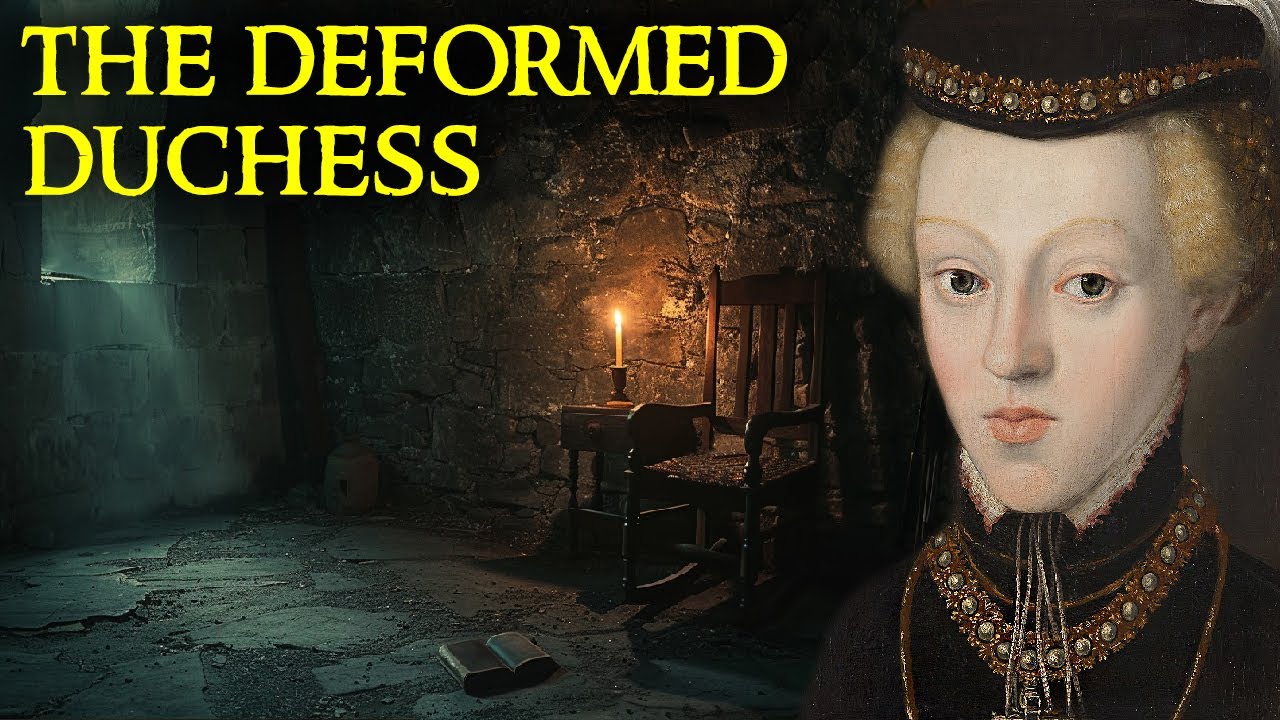
Across Italy, a sudden frenzy swept through the noble courts. Ambitious families, sensing opportunity, scrambled to marry their sons into the grand dynasties of Europe. One proposed union was to marry Joanna to Cosimo's eldest son and heir, Francesco.
As ever with such unions in early modern Europe, there were years of negotiations, and then they had to wait until the bride and groom were of an appropriate age. It was not until 1565 that Joanna was finally sent to Italy to wed Francesco.
The match gained momentum after her brother, Maximilian II, ascended the imperial throne in 1564 as Holy Roman Emperor. Unlike his father, Ferdinand I, Maximilian did not share the same close rapport with his Spanish cousin, King Philip II, and sought to strengthen his influence through new alliances in Italy.
The union of Joanna of Austria to Francesco de' Medici emerged as one of the most politically significant weddings of the 16th century. Numerous accounts survive of the 1565 wedding, penned in the days before, during, and after the lavish ceremony.
The event drew immense attention across Europe as dozens of aristocrats, ambassadors, and envoys descended upon Florence. One diarist who recounted the events was Johann Jakob Fugger, a member of one of the richest banking families in early modern Europe.
The marriage was preceded by a formal entrata, or entry into Florence. Joanna traveled into Italy with her sister, Barbara, who was to be married around the same time to Duke Alfonso II of Ferrara, as their brother solidified his new Italian alliances.
These were spectacular events. Artwork by figures like Giorgio Vasari, the famous Italian Renaissance art biographer, was set up for hundreds of meters along the way toward the main gates of Florence and into the city itself.
Florence's citizens turned out along the streets and were asked to dress in their best and most colorful garb before the wedding party made its way into the center of the city. It was all about spectacle and ensuring everyone knew who the future Grand Duchess of Tuscany would be.
At last, after passing beneath 12 towering arches, each a triumphal masterpiece celebrating victory joined with divine favor, Joanna reached the Grand Basilica di San Lorenzo, home to the illustrious Medici Chapel. There, on December 18, 1565, the 18-year-old Archduchess met Francesco de' Medici, then 24, in dazzling splendor.
Florence rejoiced, and the city glittered with festivals in her honor. Yet beneath the surface, shadows quickly gathered. The marriage that had promised glory for two great dynasties proved cold and joyless.
Joanna and Francesco, so magnificent in their ceremony, found little warmth in each other's company. Behind the marble walls of the Medici palaces, the young Archduchess's life in Florence unfolded in loneliness and quiet sorrow.
From the very start, the marriage was filled with conflict. The grandeur of their wedding could not disguise the deep cracks that soon appeared. His infidelity, their clashing tempers, and Joanna's fragile health all drove them apart.
Yet, bound by duty and the expectations of their rank, they fulfilled their royal obligation. Joanna endured pregnancy after pregnancy, each one more punishing than the last.
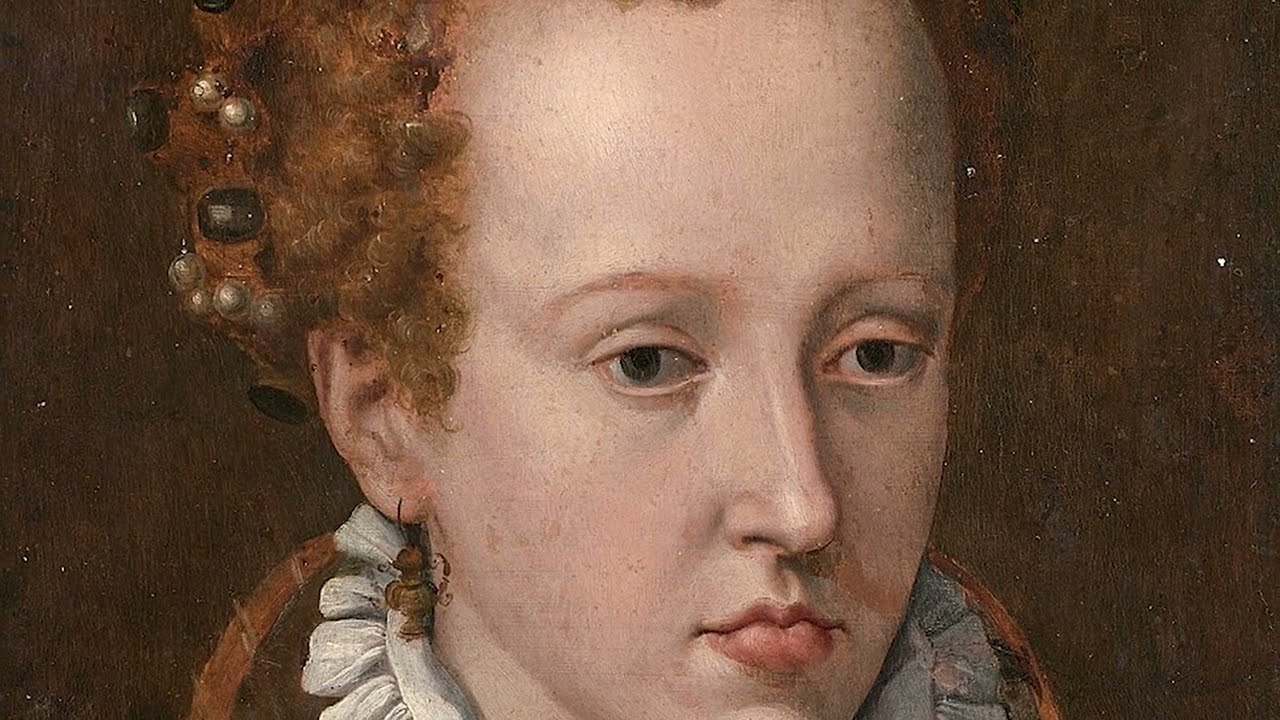
Her body bore the unmistakable scars of this suffering. Her hips and pelvis were deformed from repeated, grueling labor, the result of a congenital hip disorder and another severe condition that made childbirth excruciatingly dangerous. Despite this, she would go on to give birth to eight children.
In February 1567, Joanna's eldest daughter, Eleonora, was born. She would go on to marry Vincenzo Gonzaga, one of the last Gonzaga Dukes of Mantua, a leading state of northeastern Italy in the late medieval and early modern times.
Unfortunately, a succession of tragedies followed after Eleonora's birth. A son named Don Romolo was born in November 1568 and died two weeks later. Another daughter, Anna, was born on New Year's Eve 1569, lived into her teenage years, but died young in 1584.
The next two children, Isabella and Lucrezia, born in 1571 and 1572, both died in infancy. Both of Joanna's final children died in childhood or before even being born.
The exception to this trend was Marie de' Medici, born to Joanna and Francesco on April 26, 1575. Twenty-five years later, she famously married King Henry IV of France as his second wife. She was the mother of King Louis XIII.
Thus, through Marie, Joanna was the ancestor of each of the kings of France down to the time of the French Revolution at the end of the 18th century. Although Joanna was an ill woman herself, she was the mother of many royal lines that survived for hundreds of years across Europe.
As mentioned, Joanna's marriage to Francesco was troubled from the onset. He found her unattractive, and his coldness only deepened as her health worsened. Courtiers whispered cruelly about her hunchback, a reference to the visible sign of a severe scoliosis that had afflicted her from childhood.
This debilitating spinal deformity worsened over time and caused her great suffering. Her condition had even been discussed during the marriage negotiations between the Habsburgs and the Medici family.
In the high politics of dynastic unions, a woman's ability to bear children was everything, and Joanna's frailty raised doubts about whether she could fulfill that duty. Though artists painted her as every inch the noble bride, contemporary accounts from Italy tell a harsher truth.
As the years passed, her posture worsened. Her movements became labored, her walk marked by an uneven gait. This visible decline, combined with Francesco's vanity and ambition, drove an ever-widening rift between them, one that he ultimately filled with the presence of another woman.
It wasn't just her spinal deformity that made Joanna's marriage and life difficult. Her husband was notoriously unfaithful and made little effort to cover up the extent to which he cheated on his wife.
His most prominent mistress was Bianca Cappello, an Italian noblewoman from Venice, the daughter of a prominent noblewoman of the mercantile republic there, and a noted beauty. Bianca was married herself to Pietro Bonaventuri, a Florentine clerk employed by the Salviati family, one of the most important families within the Tuscany region.
She was consequently present at the Florentine court from 1563, after she arrived there following her marriage to Pietro. She and Francesco began a relationship in the late 1560s, after Joanna and Francesco were married.
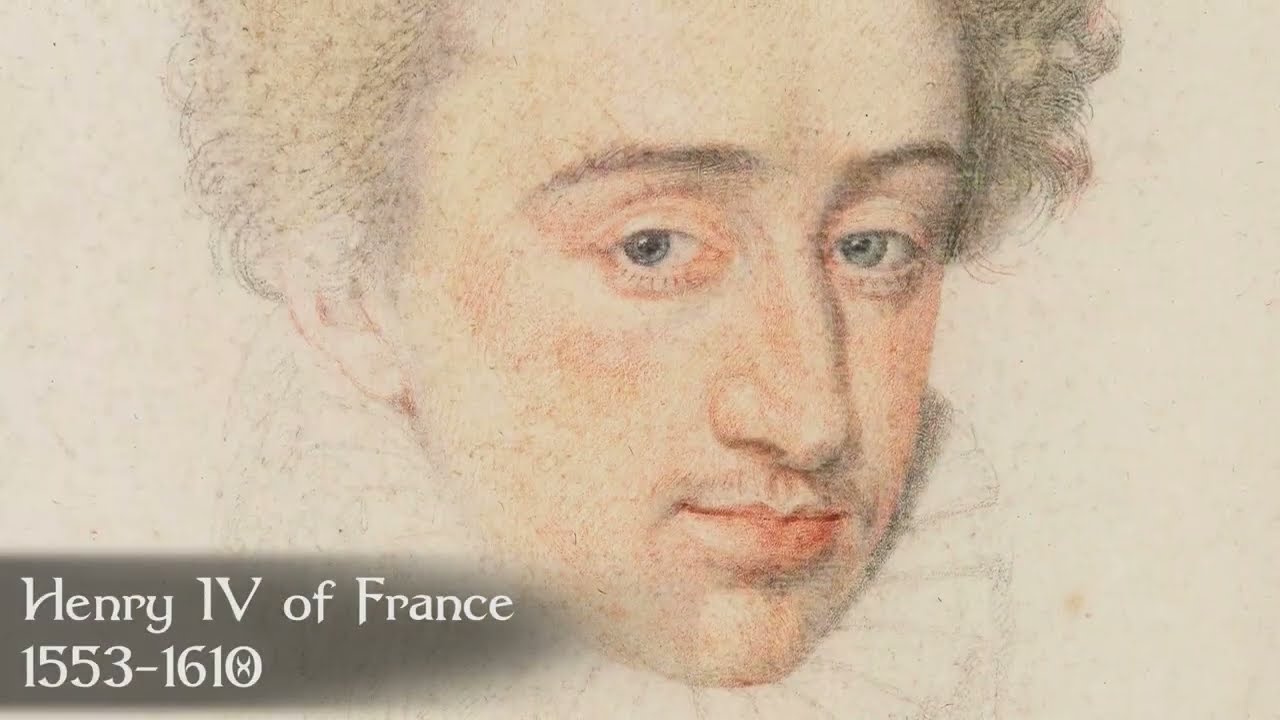
It became even more open in 1572, when Bianca's husband was killed in the streets of Florence, an incident possibly orchestrated by Bianca and Francesco. In April 1574, Cosimo I died at 54 years old. Francesco now became the Grand Duke, and Joanna the Grand Duchess.
But this new position only made things worse, and Francesco used his power to humiliate his wife. He installed his mistress, Bianca Cappello, in her own lavish apartments within a palace just steps away from the ducal household, an audacious act that shocked the courts of Europe.
While it was common enough for princes and kings of the age to keep mistresses, they at least observed the courtesies of secrecy. Francesco, however, made no such effort. He and Bianca paraded their affection openly, flaunting their liaison before Florence and before Joanna herself.
For the proud Grand Duchess, it was a public disgrace, a daily reminder of betrayal played out under the watchful eyes of an entire court. And things would only get worse.
At this point, Francesco still had no legitimate male heir to secure his line. No greater ambition haunted him, and Francesco grew desperate. Bianca, ever cunning, saw her opportunity.
In 1576, she bore him a son, Don Antonio de Medici, a child whose birth could have changed everything. Yet Francesco, bound by duty and pride, refused to recognize the boy. Antonio was his blood, but not his heir.
Against all odds, in 1577, Joanna gave birth to a long-awaited son, Grand Prince Philip de Medici. For a brief, glittering moment, it seemed the duchy's future and Joanna's own fragile standing had been secured. Bianca's dreams of rising beyond the role of mistress seemed crushed beneath the weight of that infant's cradle.
But fate was not finished with Joanna. On the morning of April 10, 1578, tragedy struck the Palazzo Vecchio. Joanna, once again heavy with child, this time her eighth, fell down a stone staircase within the Medici's majestic Florentine residence.
The fall was brutal. The shock brought on premature labor, and the infant did not survive. Through the long, harrowing hours that followed, Joanna herself lingered in agony. By the next day, the Grand Duchess was dead, her body broken by a ruptured womb. She was just 31 years of age.
Inevitably, whispers of foul play followed Joanna's untimely death. With her husband's notorious infidelity and his open devotion for Bianca Cappello, few could believe her fall was a mere accident. Rumors swept through Florence that she had been pushed, or that poison had played its part.
Yet the truth, stripped of courtly intrigue, may have been more tragic than sinister. Joanna had long suffered from a worsening scoliosis that twisted her spine and weakened her balance, a cruel affliction that may well have caused the fatal fall that ended her life.
It did little to soften public outrage when, only months after Joanna's death, Francesco secretly married Bianca Cappello, and soon after in 1579, brazenly proclaimed her the new Grand Duchess of Tuscany. To many, the sequence of events was far too convenient. Bianca's husband dead, Joanna gone, and now the mistress enthroned.
Yet their triumph was short-lived. In March 1582, Joanna's only surviving son, young Prince Philip, died suddenly at the age of four, extinguishing Francesco's line of legitimate heirs.
Then in 1587, tragedy struck again. Francesco fell violently ill and died on October 19. Bianca followed him to the grave the very next day. The double death stunned Europe and has been shrouded in mystery ever since.
Were they poisoned? Victims of courtly vengeance, possibly by his brother, Ferdinando, who succeeded as the new Grand Duke? Did disease, perhaps the dreaded malaria, claim them both? No one could say for certain.
But their passing marked a grim close to a haunting cycle of misfortune, a chain of deaths that had shadowed Joanna, her children, her husband, and his lover for over two decades.