The men who ran the machinery of the Third Reich did not all vanish when Berlin fell. Some were captured within days, some were hunted for decades across three continents, and some died peacefully in exile, never having answered for the gas chambers, the mass shootings, or the deportations that killed millions.
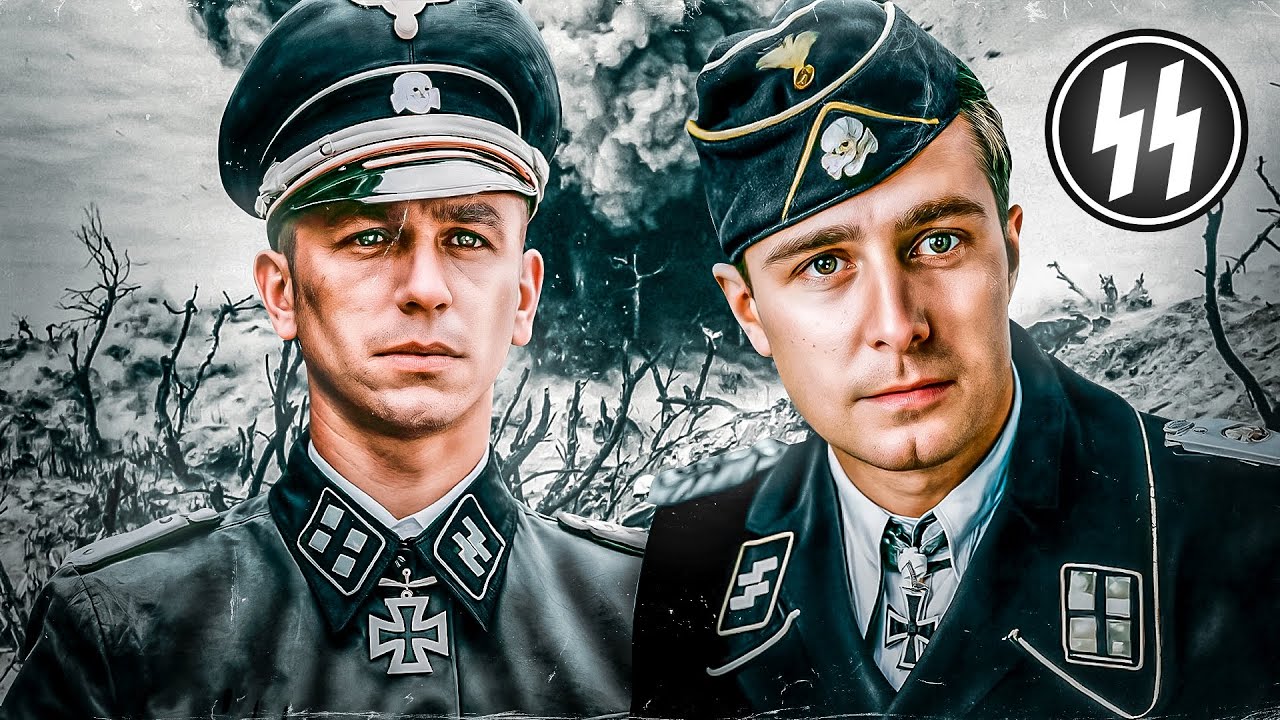
When Germany surrendered on May 7, 1945, the SS collapsed as an organization but not as a network. Its members scattered along escape routes that stretched from the Alps to Buenos Aires, from Damascus to Santiago. The pursuit that followed would consume seven decades and become one of the largest manhunts in modern history.
The first phase of that pursuit began in the ruins of the Reich itself. Adolf Hitler was dead by his own hand on April 30, 1945, his body burned in the garden of the Chancellery on orders from his inner circle. Joseph Goebbels and his wife Magda poisoned their six children and then killed themselves the following day.
Heinrich Himmler, the architect of the SS and the concentration camp system, tried to negotiate a separate peace with the Western Allies, was stripped of all authority by Hitler before the end, and was captured by British forces in May 1945. He bit into a cyanide capsule during a medical examination and died before he could be interrogated.
Hermann Göring, Hitler’s designated successor, surrendered to American forces rather than risk capture by the Red Army. He would stand trial at Nuremberg, where he defended the Nazi state with chilling lucidity before being sentenced to death. He cheated the gallows by swallowing poison in his cell on October 15, 1946, hours before his scheduled execution.
Martin Bormann, Hitler’s private secretary and one of the most powerful men in the Reich, disappeared in the chaos of Berlin’s fall. His wife Gerda attempted to flee with their nine children, posing as the director of an orphanage and dressing some of the children as orphans to cross into Italy. She reached South Tyrol, where a local Nazi official sheltered her and safeguarded sensitive documents she carried.
Allied intelligence located her, but she was not arrested. She was transferred to a military hospital in Merano, where she died of ovarian cancer on March 23, 1946, months before her thirty-seventh birthday.
For those who escaped the initial dragnet, the priority was distance. A United States Army Counter Intelligence Corps report sent to the president on July 3, 1946, stated that Nazi escape routes had been designed since at least 1944. The strategy was dubbed ODESSA, an acronym for Organization of Former SS Members.
Historians still debate whether it was a single coordinated operation or a loose collection of independent networks, but the routes themselves were undeniably real.
Argentina alone is estimated to have taken in at least three hundred military personnel of the Third Reich. Brazil, Paraguay, Chile, Bolivia, and several Middle Eastern states also became destinations. In total, roughly ten thousand people linked to the Nazi party left Germany before the end of 1945.

The favored path ran through the Alps into Italy. The first stop was usually South Tyrol, where fugitives found temporary refuge in Catholic monasteries, including the Teutonic Knights in Merano, the Capuchins near Bressanone, and the Franciscans around Bolzano. The route became known as the monastery route.
Priests provided documents confirming false identities, which allowed fugitives to obtain Red Cross passports with little scrutiny. Between 1945 and 1951, at least 120,000 such documents were issued.
The name Alois Hudal stands at the center of this history. The Austrian bishop openly expressed sympathy for the Hitler regime and later justified his actions by claiming that many of those he helped were innocent. He argued that providing them with false documentation was the right decision.
Among those he assisted was Adolf Eichmann, the man who organized the deportation of millions of Jews to the extermination camps.
Eichmann had been captured by American troops at the end of the war but concealed his identity as Otto Eckmann and was released. He obtained false papers to emigrate to Argentina under the name Ricardo Klement and settled in the Olivos neighborhood of Buenos Aires, where he worked at a Mercedes-Benz factory and rose to head a department. His son Klaus began a relationship with Sylvia Hermann, a young German woman whose father had survived Dachau.
Klaus made offensive remarks suggesting the Nazis had not finished exterminating certain groups. The relationship ended, but the following year Sylvia’s father heard Eichmann’s name mentioned during a war crimes trial in Frankfurt. Blind from beatings suffered at Dachau, he asked his daughter to investigate.
She obtained an address on Chacabuco Street and visited the house. A man denied being Klaus’s father, claiming to be his uncle. When Klaus appeared, he looked visibly startled and ordered her to leave.
As they walked out, Klaus said, “Thanks, father, I will make sure she gets home safely.” That single phrase confirmed the identity of the architect of the Final Solution.
Simon Wiesenthal, a Holocaust survivor who had endured Janowska, Kraków-Płaszów, and a death march to Mauthausen, spent the rest of his life tracking Nazi criminals. In 1953 a letter revealed to him that Eichmann had been seen in Buenos Aires. He passed the information to Israeli authorities.
In 1960, after Eichmann’s father died, Wiesenthal organized private detectives to photograph relatives. Eichmann’s brother Otto bore a striking resemblance to him, and no recent images of the fugitive existed. On February 18, Wiesenthal handed the photographs to Mossad agents, who used them to verify his identity.
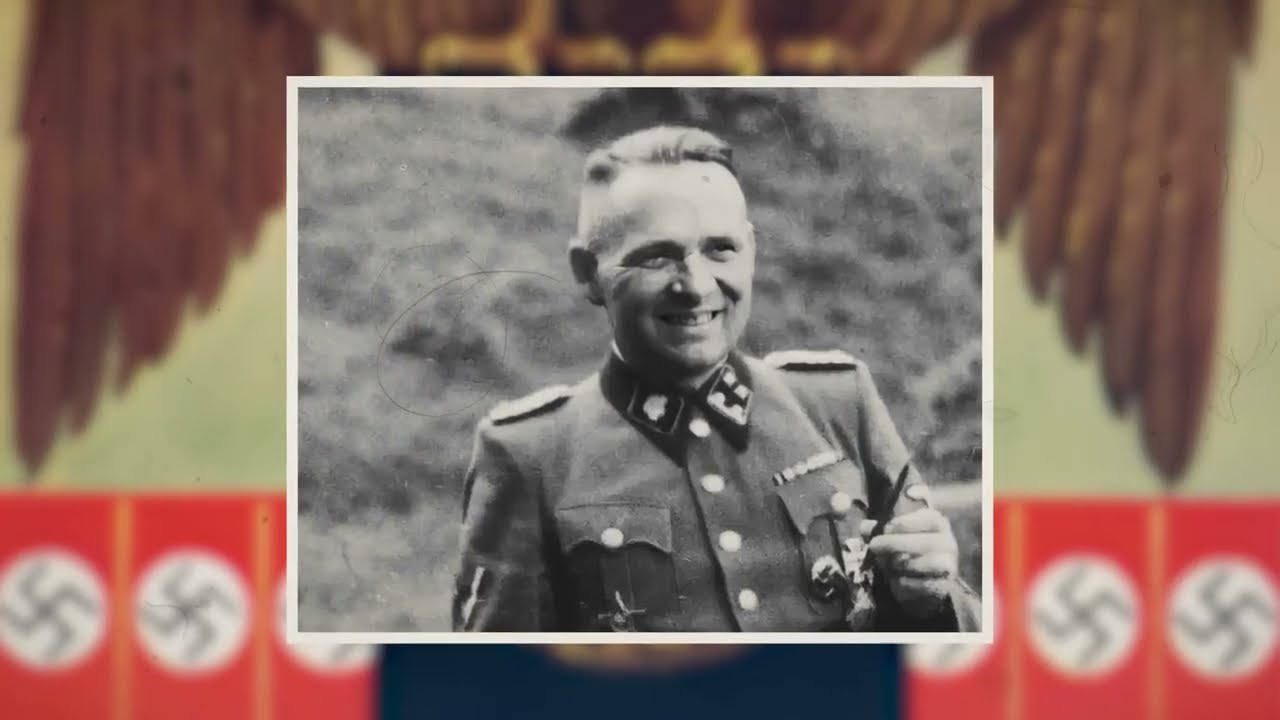 Argentina had a history of rejecting Nazi extradition requests, so Israeli Prime Minister David Ben-Gurion ordered a capture operation instead. In April 1960, eight agents traveled to Buenos Aires. On May 11, Eichmann was intercepted near his home on Garibaldi Street in San Fernando.
He was sedated, disguised as a flight attendant, and flown to Israel. His trial began on April 11, 1961, on fifteen charges including crimes against humanity, war crimes, and genocide. Shortly after midnight on June 1, 1962, he was executed at Ramla prison.
Not every target was taken alive. Herbert Cukurs, known as the Butcher of Riga, had been involved in the execution of at least thirty thousand Jews in Latvia. He fled to Brazil after the war and did not change his identity, presenting himself as a political refugee who had supposedly saved Jews during the Holocaust.
His egocentric behavior and proximity to the local Jewish community drew the attention of Mossad. In 1965, an undercover agent convinced him to travel to Uruguay with the promise of an aviation business. When Cukurs crossed the threshold of a rented house, a group of agents overpowered him.
He bit one so hard he nearly tore off a finger. A blow to the head with a hammer ended the struggle. Two silenced gunshots to the head killed him instantly.
His body was found inside a trunk on March 6, bearing multiple gunshot wounds and a shattered skull.
Others lived out their lives untouched. Josef Mengele, the SS doctor who conducted experiments on twins at Auschwitz, was captured by American forces in 1945 but released because his blood type had never been tattooed on his arm and he claimed to be a simple doctor named Josef Menning. He obtained a Red Cross passport under the name Helmut Gregor and sailed for Argentina in 1949.
He later moved to Paraguay, then Brazil. Mossad agents came close to finding him in the early 1960s but halted the operation for lack of certainty. In 1979, while swimming, he suffered a stroke and drowned.
He was never brought to trial.
Klaus Barbie, the Butcher of Lyon, was recruited by American counterintelligence after the war and helped to escape to Bolivia, where he lived as Klaus Altmann for three decades. He collaborated with military governments in Bolivia and Peru and was linked to the persecution of Che Guevara. His identity was confirmed in 1972 after he left fingerprints on photographs during an interview with a journalist.
A new democratic government in Bolivia finally allowed his arrest, and he was sent to France in 1983. In 1987 he was convicted of crimes against humanity and sentenced to life. He died in a Lyon prison four years later.
Alois Brunner, Eichmann’s chief collaborator, escaped to Syria via the monastery route and built a life in Damascus, where he ran an arms trafficking operation and advised the Syrian government. Damascus ignored extradition requests from Austria, West Germany, and the United States for decades. In 1996, the Syrian government removed him from his residence and locked him in an underground cell at the Muhajirun police station.
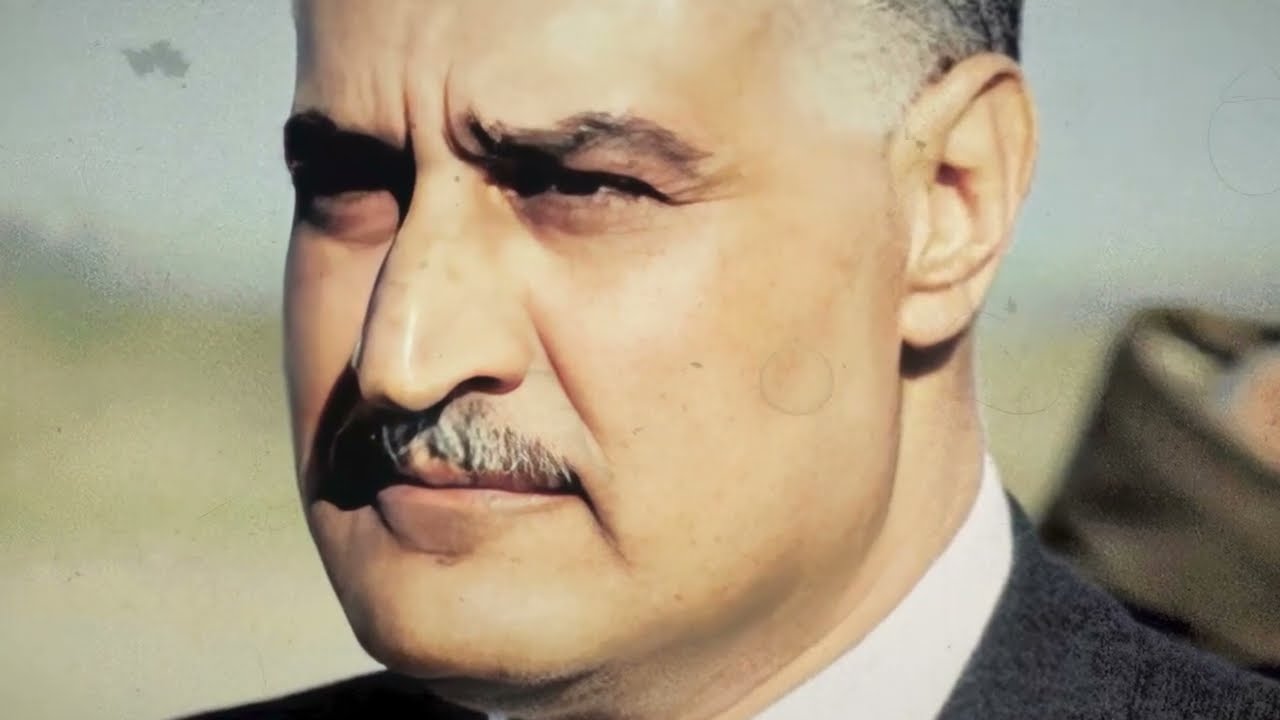 He is believed to have died there in 2010.
Franz Stangl, who commanded the Sobibor and Treblinka extermination camps and was responsible for the deaths of nearly one million people, escaped from an Austrian prison in 1948, reached Rome with Hudal’s help, and fled to Syria before moving to Brazil in 1951. He was arrested in 1967 and died of a heart attack in 1971 before receiving his sentence.
Walter Rauff, who designed the mobile gas chambers used to 𝓀𝒾𝓁𝓁 at least 97,000 people, escaped to Ecuador and then Chile. West Germany requested his extradition in 1963, but Chilean authorities rejected the request, arguing the crimes had prescribed under local law. He prospered in the food industry and died of a heart attack in 1984.
The pursuit did not end with the twentieth century. In 2018, Johann Rehbogen, aged ninety-four, was identified as a former guard at the Stutthof concentration camp and tried in a juvenile court in Münster because he had been under twenty-one at the time of the alleged crimes. In 2019, Bruno Dey, aged ninety-three, was convicted of complicity in the murder of more than five thousand people at an extermination camp.
These cases were possible because of a specialized team in Ludwigsburg, Germany. The Central Office for the Investigation of National Socialist Crimes has operated since 1958, identifying roughly thirty living suspects each year and transferring cases to regional prosecutors. Since the start of the twenty-first century, the office has produced six trials.
In 2013, it compiled a list of thirty former Auschwitz personnel who could be immediately tried. Only five faced justice. The others died or were deemed unfit to stand trial.
The men of the SS met different fates. Some were hanged. Some were imprisoned.
Some were assassinated. Some died in comfortable exile, surrounded by family, never having answered a single question about the people they killed. The networks that saved them were built on ideology, opportunism, and Cold War calculation.
The men who hunted them were driven by memory, grief, and an insistence that justice does not expire. That insistence remains, even as the last of the perpetrators pass from the earth and the work of remembrance falls to those who were never there.