DALLAS — The gunshots that killed President John F. Kennedy on November 22, 1963, ended one life in a fraction of a second, but they set in motion a slow, permanent restructuring of an entire American dynasty that historians and biographers are still only beginning to fully understand.
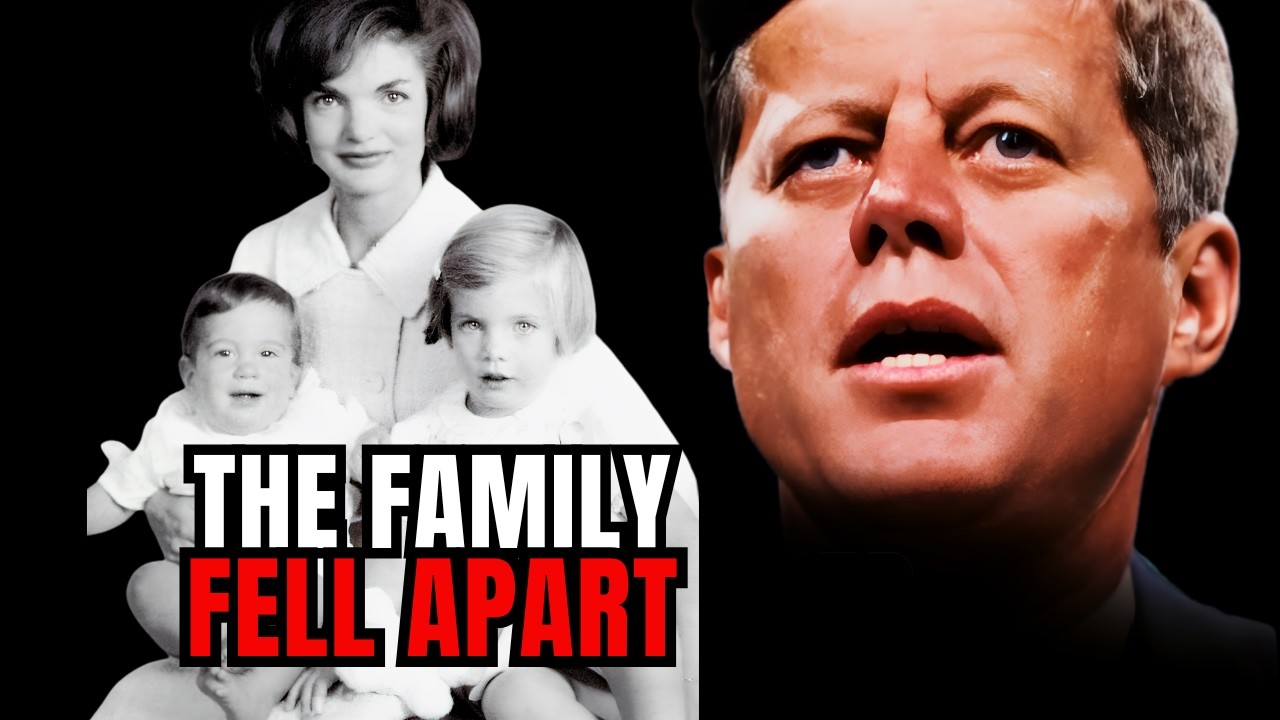
What happened to the Kennedy family after the assassination is not a simple story of mourning and recovery. It is a story about a family trapped inside its own mythology, forced to live publicly inside a grief that never fully ended.
By the time the funeral procession reached Arlington National Cemetery on November 25, 1963, the visible choreography of national mourning was already complete. The caisson had rolled past. The eternal flame had been lit.
Three-year-old John F. Kennedy Jr. had raised his small hand in a salute that would become one of the most reproduced images in American history.
But beneath the veil and beneath the cameras, Jacqueline Kennedy was already confronting a second catastrophe that no crowd could see. She understood, with absolute clarity, that the country was about to preserve her family as American royalty while the reality they would now inhabit would be far colder and more punishing than the myth.
The Kennedy family was never an ordinary family interrupted by tragedy. It was already a machine of ambition, discipline, secrecy, competition and performance, constructed deliberately by Joseph Kennedy Sr. The sons were raised to project force.
The daughters were raised to protect form. Weakness could exist, but it had to be managed. Vulnerability could exist, but it could never be allowed to define the family in public.
When the president was killed, what shattered was not just affection. It was a system organized entirely around forward motion. Campaigns, advancement, public energy, the sense that history was still opening in front of them — all of that momentum became haunted in an instant.
Publicly, the Kennedys still appeared almost supernaturally composed. Jackie in black. Bobby in controlled grief.
Ted stepping into view as if duty could absorb shock. The nation saw dignity and continuity under pressure. Privately, the family was being forced into a new arrangement none of them had chosen.
One brother was dead. Another was now carrying emotions too large to discipline. A third was about to inherit expectations he had not been built to bear.
And the children would grow up inside a legend far stronger than memory.
Once John F. Kennedy became a martyr, the family stopped belonging fully to itself. It became symbolic property.
Jackie was no longer simply a widow. She became the keeper of a slain presidency. Robert was no longer just a brother in mourning.
He became the vessel for unfinished meaning. Ted was no longer merely the youngest surviving brother. He became the remaining political body onto which dynasty, hope and pressure could be projected.
Caroline and John Jr. were no longer only children. They became heirs to an image before they were old enough to understand what an image costs.
The deeper issue was not simply loss. It was transformation under surveillance. The Kennedys could not grieve privately in any normal sense.
Their grief was instantly historical. Reporters watched it. Photographers aestheticized it.
Commentators converted it into national feeling. Every gesture acquired symbolic value. Every silence invited interpretation.
In ordinary families, trauma disorients the structure. In families like this, trauma also hardens it. People begin playing roles because roles are easier to survive than raw collapse.

Jackie understood that faster than anyone. In the days after the assassination, she mourned, but she also arranged. She staged.
She determined visual memory. She understood that if the country was going to consume this death — and it would — then someone had to shape the terms on which it was consumed. Journalist Theodore White was brought in.
Camelot was articulated. A presidency was lifted out of political contingency and sealed into emotional legend.
That was not sentimentality. That was strategy under extreme duress. Camelot was not just something Jackie gave America.
It was something she gave the family in order to survive what reality would otherwise have done to them.
Because reality was harsher. Reality was that Jackie had seen her husband murdered beside her. Reality was that her children would be raised without a father but with an audience.
Reality was that the Kennedy name would now attract not just admiration but a kind of fatal expectation, as if greatness and catastrophe had become fused.
After Dallas, Jackie’s transformation is often described as a retreat. That is too simple. She did not just withdraw.
She became harder, more deliberate, more suspicious of access, more exacting about control. Her later life — the move away from Washington, the marriage to Aristotle Onassis, the protective wall around her children, the careful distance from public sentimentalism — makes more sense if one understands that the assassination did not simply make her sad. It made her strategic in a new key.
Caroline and John Jr. were central to that discipline. They did not just lose a father.
They inherited a national fantasy. The country wanted them preserved as symbols of innocence inside tragedy. The famous images — the funeral salute, the children in the White House, the soft-focus memory of young Kennedy family life — would follow them for years.
But symbolic inheritance is not the same thing as emotional inheritance. Public memory gave them a father-shaped icon. It could not give them an ordinary childhood.
John Jr. spent much of his life under the pressure of resemblance. He looked like his father.
He moved through a culture that wanted that resemblance to mean destiny. Every appearance carried projection. Every choice was measured against a man he barely knew but could never escape.
He became, in effect, the nation’s favorite surviving son and one of its most burdened.
Caroline’s burden was quieter but no less real. She lived less theatrically, more protectively, often with greater reserve. But she too was raised within a structure where private identity had to coexist with public meaning.
She had to carry history without dissolving into it.
Nowhere was the pressure more intense than with Robert Kennedy. Bobby’s grief after Dallas was not passive. It was consuming.
By multiple accounts, he felt not only sorrow but guilt, helplessness and a disorienting sense that the family center had been ripped out. He had not simply lost a brother he loved. He had lost the figure around whom his own political and emotional life had been organized.
For years, Robert had been protector, strategist, enforcer and confidant. After the assassination, that role had nowhere stable to go. Before Dallas, he had often been seen as harder-edged and more combative.
After it, something in him deepened and darkened. He became more visibly moral, more openly haunted, more drawn toward suffering outside his own class and world.
Historians continue to debate how much of that shift came from grief and how much from prior development, but the broad movement is hard to miss. Loss stripped him. It radicalized his emotional vocabulary.
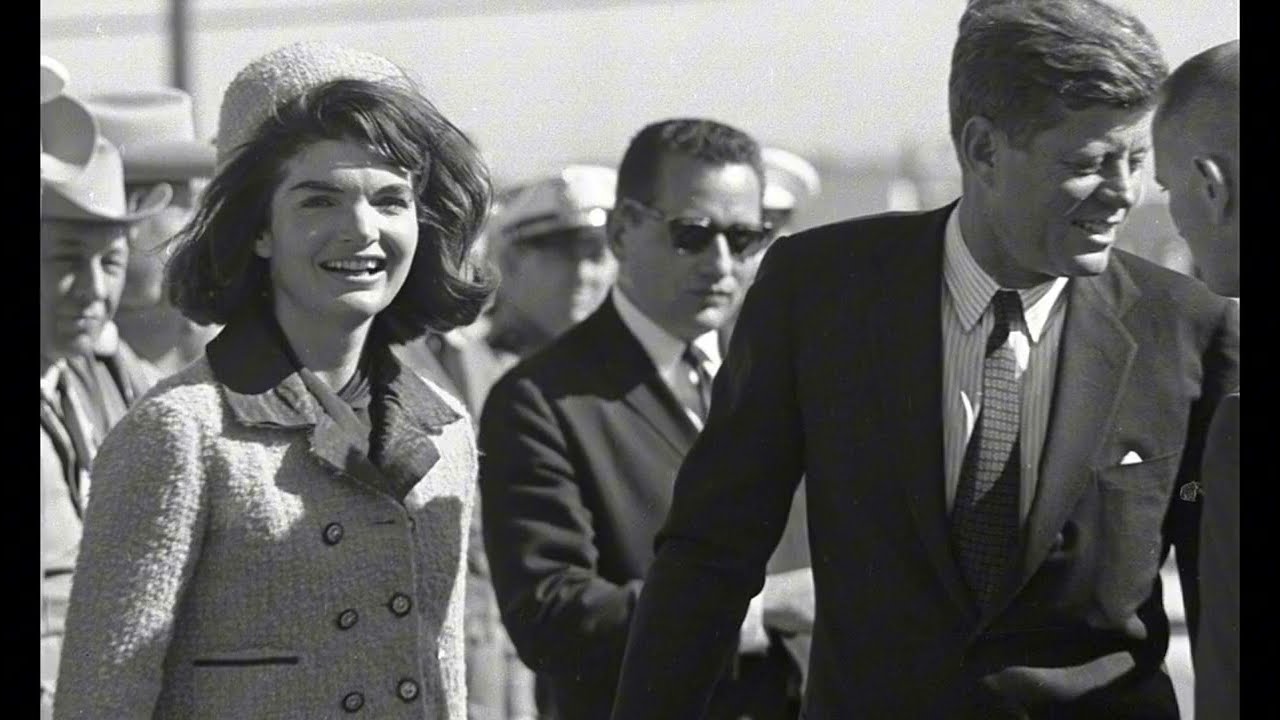 It made injustice feel less theoretical.
Robert Kennedy did not simply carry his brother’s legacy forward. He was changed by the necessity of carrying it. That distinction matters, because carrying a legacy is not only an honor.
It is a distortion. It can redirect ambition, intensify conscience and load every public decision with private ghosts.
When Robert ran for president in 1968, he was running through grief, through unfinished business, through a family trauma that had become national mythology. His politics became inseparable from bereavement. And then the family absorbed another assassination.
One brother murdered in 1963. Another brother murdered in 1968. By then, the idea of the Kennedy family had started to take on a darker aura in the American imagination, and not by accident.
Repeated loss does something terrible to narrative. It stops tragedy from feeling singular and starts making it feel patterned.
That is the psychological birthplace of what people later called the Kennedy curse. The phrase is sensational. The underlying reality is more serious.
Families who live under extreme visibility, competition, pressure and idealization often generate damage that outsiders turn into myth, because myth is easier to process than systems.
Addiction, recklessness, loneliness, impossible expectations, emotional inheritance, public exposure and unresolved grief are real forces. Curse is the glamorous word. Structure is the harder one.
After Robert’s death, the burden shifted again, settling most heavily on Ted Kennedy. Ted had always been the younger brother, the one within the structure rather than at its center. After 1968, that was no longer possible.
He became, by default and by expectation, the surviving political standard-bearer of the family.
That is often described as inheritance. It was also a form of pressure that may have been nearly impossible to carry cleanly. Ted was not being asked merely to be himself.
He was being asked to continue an interrupted family story under conditions of grief, comparison and public overinvestment.
The deaths had consequences. They changed family chemistry. They intensified dependence.
They magnified scrutiny. They likely made escape, self-medication, recklessness and compensatory behavior more tempting across the family system. Ted’s long career in the Senate was real.
His legislative achievements were real. But so was the shadow under which he operated.
Jackie saw more of that than most people understood. Her later insistence on privacy was not eccentricity. It was diagnosis.
She had watched the Kennedy name generate attention so intense it could devour ordinary boundaries. She knew myth did not only preserve. It also 𝓮𝔁𝓹𝓸𝓼𝓮𝓭.
It made people targets of projection. It made children into symbols. It made grief into spectacle.
John Jr. eventually entered media and public life with a lightness that often looked effortless. Yet even that lightness had pressure beneath it.
He was handsome, charismatic, almost genetically suited to public fascination. The culture loved him. The idea of him became entwined with renewal, with the fantasy that maybe one surviving branch of the family could carry beauty without collapse.
And then his death in 1999 hardened the old mythology all over again.
The assassination, in that sense, never stayed in 1963. It kept echoing forward. Every later Kennedy loss, 𝒔𝒄𝒂𝓃𝒹𝒶𝓁 or unraveling was interpreted through the original wound.
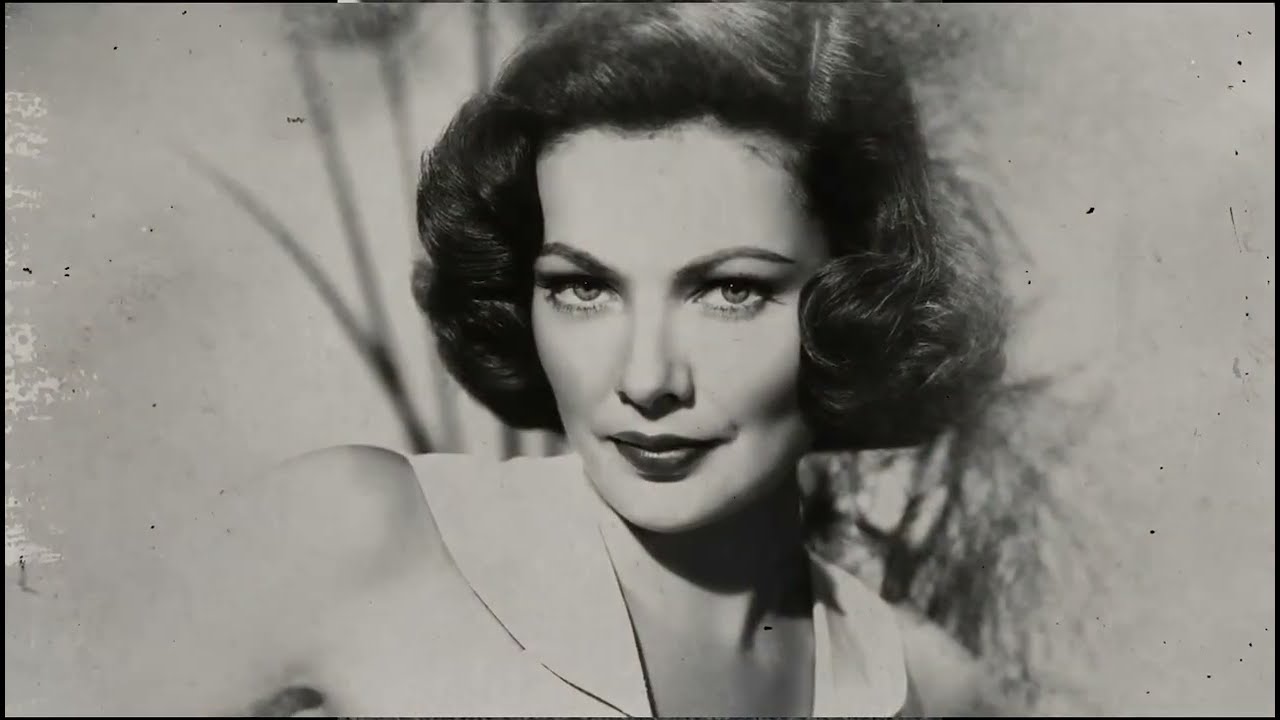 Once a family is mythologized through tragedy, future events do not arrive neutrally. They get pulled backward into the founding catastrophe.
The plane crash is no longer just a crash. The 𝒔𝒄𝒂𝓃𝒹𝒶𝓁 is no longer just a 𝒔𝒄𝒂𝓃𝒹𝒶𝓁. The addiction is no longer just addiction.
Everything begins to look like recurrence. Everything begins to confirm the legend of doom.
Caroline, in many ways, represents the opposite response. Less theatrical, more durable, more measured in public posture. Her adulthood suggests another path through family myth.
Not escape, exactly, but disciplined coexistence. She did not erase the name. She used it selectively, politically, ceremonially, sometimes diplomatically, but restraint itself became meaningful.
The deeper truth is that all of them were negotiating the same impossible equation. How do you preserve the meaning of the dead without letting the dead govern the living? How do you inherit a national symbol without becoming less than a person inside it?
How do you remain a family when history keeps rewarding your image more than your reality?
That is the real tragedy. Not only that the Kennedys suffered — many families suffer. It is that they suffered under conditions that converted suffering into narrative and narrative into expectation.
Their pain was repeatedly aestheticized. Their losses were repeatedly nationalized. Their private lives were repeatedly flattened into usable symbols: glamour, sacrifice, destiny, curse.
The result was a family that could still command admiration while carrying damage the admiration itself often made harder to process.
What happened to JFK’s family after his assassination was not simply that they kept enduring more tragedy. It is that the assassination changed the meaning of everything that came after. Jackie did not just become a widow.
She became the architect of memory. Caroline and John Jr. did not just become fatherless children.
They became custodians of inherited myth.
Robert did not just become a grieving brother. He became a man politically transformed by bereavement and then lost to the same violence that had already remade the family once. Ted did not just continue the family project.
He became the exhausted carrier of an interrupted dynasty.
And the family as a whole did not simply remain famous. It became a symbol of how glamour can conceal damage so successfully that the damage has to keep reappearing to be noticed at all.
The public story was always cleaner. Camelot broken, courage sustained, legacy continued. But the private structure was more unsettling.
The Kennedys after Dallas were living in the ruins of a myth even as they were tasked with maintaining it. They had to carry beauty and grief at the same time. They had to remain recognizable to the country while becoming unrecognizable to themselves.
They had to survive not only loss but interpretation.
That may be the darkest truth of all. The assassination did not only take JFK away from his family. It made sure his family would never again be allowed to live outside his shadow.
The country kept seeing grace. Inside the family, what often remained was management, endurance, performance and memory under pressure. The assassination did not simply end a presidency.
It restructured a dynasty. And the family that America kept admiring afterward was not living after the tragedy. It was living inside it.