Mary Pinchot Meyer was a prominent American socialite and painter whose life became intertwined with some of the most influential figures of her era, most notably President John F. Kennedy. Her mysterious murder in 1964 has fueled numerous conspiracy theories and remains officially unsolved.
Born on October 14, 1920, in New York City, she was the daughter of Amos Pinchot, a prominent lawyer and Progressive political activist, and Ruth Pickering Pinchot, a journalist. She attended Brearley School and graduated from Vassar College in 1942 with a degree in journalism.
Meyer first met John F. Kennedy at a high school dance in 1936, but their paths diverged for many years. After college, she married Cord Meyer, a decorated Marine Corps officer from World War II who later became a high-ranking CIA official. The couple divorced in 1958.
In the early 1960s, Mary rekindled her acquaintance with Kennedy through mutual friends, including journalist Charles Bartlett. According to Bartlett, Kennedy was in love with Mary Meyer and was certainly smitten with her.
White House visitor logs first recorded her visits in October 1962, often during Jacqueline Kennedy's absences. Meyer's intellectual curiosity and artistic background reportedly captivated Kennedy, and they engaged in deep discussions on topics such as nuclear disarmament and world peace.
Their affair allegedly continued until Kennedy's assassination in November 1963. Some have speculated that her influence even extended to his policy decisions.
Timothy Leary, a former Harvard psychologist and proponent of psychedelic drugs, claimed in his 1983 autobiography "Flashbacks" that Mary Pinchot Meyer had introduced John F. Kennedy to LSD. Leary recounted that Meyer approached him to discuss her vision of using psychedelics to foster global peace.
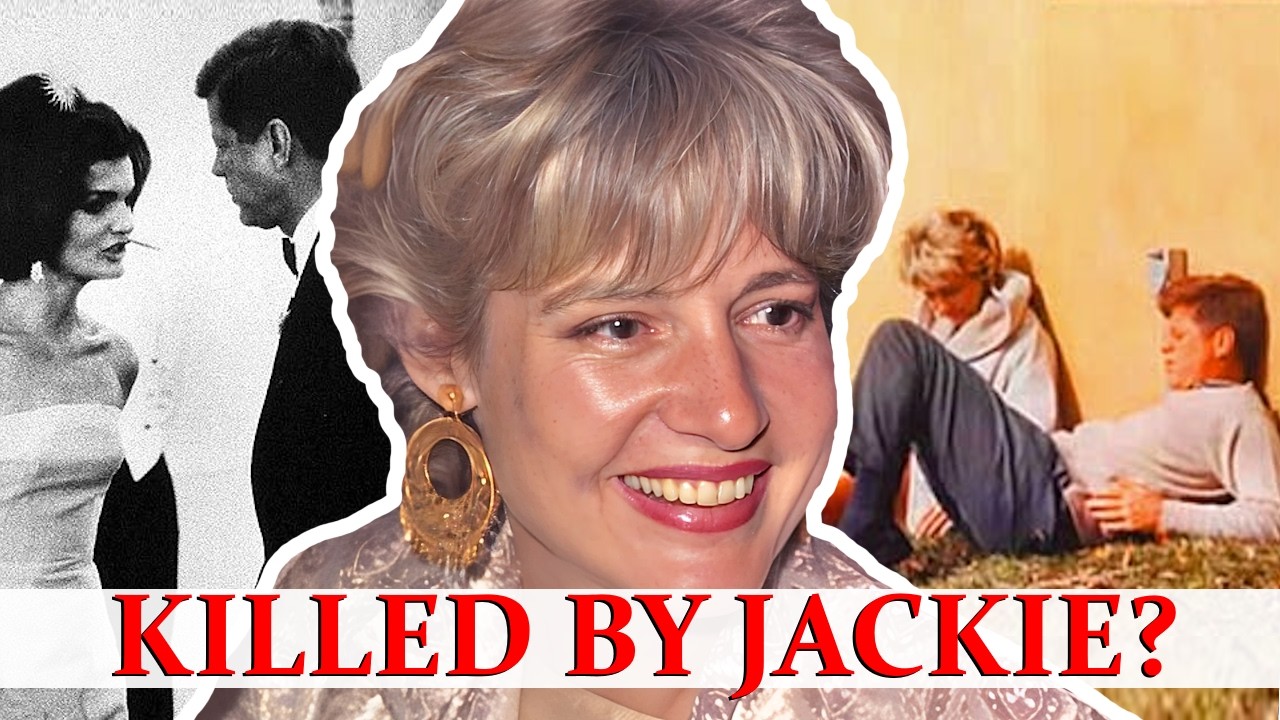
According to Leary, Meyer told him she had a friend who was a very important man, that he was impressed by what she had told him about her own LSD experiences, and that he wanted to try it himself. Meyer reportedly visited Leary multiple times at his Millbrook estate, where they discussed the potential of psychedelics to expand consciousness among the world's leaders.
No concrete evidence exists to prove that Kennedy experimented with LSD. Still, the allegations stirred significant controversy and further solidified Meyer's image as an enigmatic and influential figure.
Meyer's murder on October 12, 1964, triggered an immediate search for her personal diary, which allegedly contained sensitive information about her affair with Kennedy and possibly classified details related to the CIA. Ben Bradlee, Mary's brother-in-law and executive editor of the Washington Post, later recalled in his memoir "A Good Life" that James Jesus Angleton, the CIA's counterintelligence chief, broke into Meyer's art studio the night of her death, desperately searching for the diary.
Bradlee and his wife, Antoinette "Tony" Pinchot, eventually discovered the diary. After reviewing its contents, they concluded that its revelations were too dangerous for public release and handed it over to Angleton, who assured them it had been destroyed. Many believe the diary was never truly destroyed and that the CIA preserved its contents, leading to ongoing speculation about what secrets it held.
On October 12, 1964, Mary Pinchot Meyer was shot twice, once in the head and once in the back, while walking along the Chesapeake and Ohio Canal tow path in Georgetown. Henry Wiggins, a mechanic working nearby, reported hearing a woman scream followed by gunshots and saw a man standing over her body.
Ray Crump Jr., a 25-year-old African-American man, was arrested shortly after and found soaking wet near the scene. Despite being charged with her murder, the case against Crump was weak. There was no physical evidence linking him to the crime, no weapon, no fingerprints, and no blood stains.
His defense attorney, Dovey Roundtree, successfully argued that Crump's small stature and the lack of evidence made it implausible for him to have committed the crime. He was acquitted in July 1965, leaving Meyer's murder officially unsolved and fueling countless conspiracy theories ever since.

The circumstances of Meyer's murder have led to numerous conspiracy theories, many suggesting CIA involvement given her intimate relationship with Kennedy and her ex-husband's position within the agency. Some speculate that Meyer possessed sensitive information that posed a threat to powerful individuals.
Author Peter Janney, in his book "Mary's Mosaic," posits that her murder was a CIA operation to silence her. While these theories are largely speculative, the combination of her connections and the mysterious nature of her death continues to intrigue researchers and conspiracy theorists alike.
Beyond her relationship with Kennedy, Meyer was well connected within Washington's elite circles. Her sister, Antoinette "Tony" Pinchot, was married to Ben Bradlee, the executive editor of the Washington Post. Through her marriage to Cord Meyer, a high-ranking CIA official, she became acquainted with numerous intelligence and political figures.
These connections provided her with a unique vantage point into the inner workings of Washington, further deepening the mystery surrounding her life and death.
Mary Pinchot Meyer's life was profoundly shaped by personal tragedies that left an indelible mark on her relationships and outlook. In 1938, during her senior year at Brearley School, her sister Rosamond Pinchot, a promising actress, died at just 33 years old. This tragic event devastated the Pinchot family and contributed to their father Amos's descent into alcoholism and depression.
In 1956, Mary faced another heartbreaking loss when her 9-year-old son Michael was struck and killed by a car while playing near their home. The grief from Michael's death strained her marriage to Cord Meyer, ultimately leading to their divorce in 1958.
These personal tragedies deeply influenced Mary's introspective nature and artistic pursuits. According to Alina Cohen's article on Artsy.net, Mary's abstract paintings became a refuge through which she processed her grief. Her sorrow may have also drawn her closer to John F. Kennedy, who experienced similar personal losses, including the death of his infant son Patrick in 1963. This shared pain added depth to their connection, which many believe extended far beyond an affair.
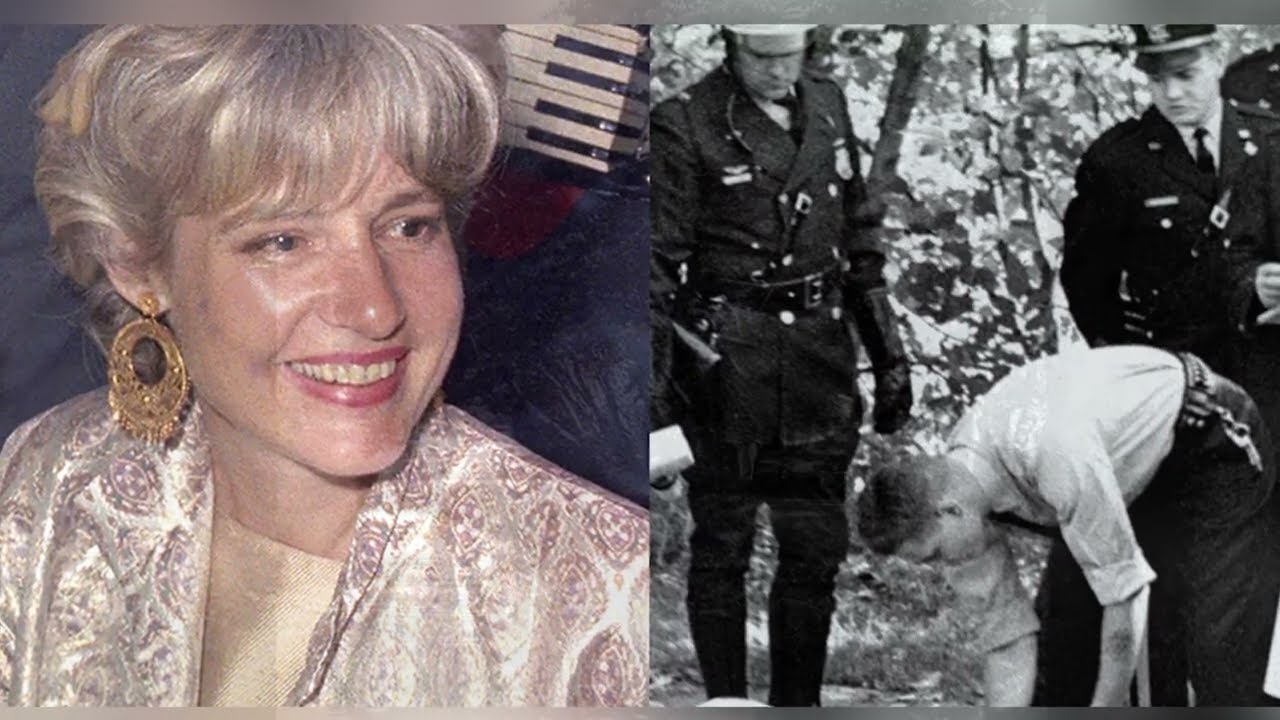
The theory that Mary Pinchot Meyer was killed by the CIA remains one of the most discussed aspects of her life. Given her intimate connections to both Kennedy and the CIA through Cord Meyer, many speculate that her murder was orchestrated to silence her.
Peter Janney argues that Meyer had uncovered details of the CIA's role in Kennedy's assassination and was planning to expose them, making her a target for elimination. Although these claims are contentious, the CIA's immediate actions following her death, particularly James Jesus Angleton's frantic search for her diary, lend credence to the theory for many.
In 2016, a previously unknown letter from John F. Kennedy to Mary Pinchot Meyer was auctioned for nearly $889,000. Written on White House stationery and never sent, the letter expressed Kennedy's longing for Meyer and his wish to see her.
"Why don't you leave Suburbia for once, come and see me either here or at the Cape next week or in Boston the 19th," Kennedy wrote. This love letter provided tangible proof of their intimate connection, adding a deeply personal dimension to the often speculated affair, as reported by Harper's Bazaar.
The letter's existence reaffirmed the significance of Meyer's relationship with Kennedy and further fueled public fascination with their clandestine romance.
One of the most controversial theories about Mary Pinchot Meyer's murder is the possibility of Jacqueline Kennedy's involvement or at least her knowledge of it. Jackie and Mary, neighbors in Georgetown since the 1950s, were acquaintances, but Meyer's affair with JFK reportedly created tension between them.
A chilling coincidence adds intrigue. On August 24, 1959, Life Magazine featured a photo of Jackie walking along the Chesapeake and Ohio Canal tow path, the same spot where Mary was murdered five years later on October 12, 1964.
Many believe Mary's death was not random, especially as she openly questioned the official JFK assassination narrative and conducted her own investigation. Some theorists suggest Jackie, aware of Mary's knowledge, either had forewarning or chose not to intervene.
The rapid destruction of Mary's diary by CIA official James Jesus Angleton raises further questions. Was it just to protect JFK's legacy, or was there a deeper secret? While no direct evidence implicates Jackie, the eerie timing and Mary's dangerous inquiries keep this theory alive.