Judith Exner was not a showgirl who clawed her way up from nowhere. She was born in 1934 and raised in the Los Angeles area, the daughter of a wealthy architect who helped design the city's skyline. She grew up close to money and celebrity, refined and soft-spoken, with dark eyes and a quiet elegance that whispered rather than shouted.
That class was her currency in a world of powerful men. But privilege offered no protection. By 18 she had married the actor William Campbell, a chaotic union that ended in divorce and left her drifting through the Hollywood social scene by her early twenties. She was young, beautiful, and naive, a dangerous combination in 1950s Los Angeles.
The apex predator of that world was Frank Sinatra. In 1959 he was not just a singer but a power broker, the only man who could walk into the White House and a mafia social club on the same day and be treated like a king in both. Sinatra wanted to legitimize himself, to become the bridge between the grit of the mob and the glamour of the Kennedy political machine.
He needed a gift for the men he wished to impress. He could not present a cheap stripper to a Harvard man and senator. He needed someone who could sit at a state dinner, someone who knew which fork to use. Sinatra looked at Judith Campbell and saw an asset. He saw the perfect bait.
The trap was set in the winter of 1960. Sinatra invited Judith to Las Vegas at the height of the Rat Pack era, when the Sands Hotel was the center of the universe. She believed she was simply part of his inner circle. She did not know she was being auditioned.
On February 7, 1960, Sinatra brought her to a table in the Copa Room, where Senator John F. Kennedy sat radiating charisma. He was in the middle of his presidential campaign, exhausted, his back in constant pain, hungry for distraction. When Sinatra introduced them, the connection was immediate.
JFK was disarmed by her demeanor. She was not starstruck. She treated him like a man, not a monument. For Kennedy, surrounded by sycophants and political sharks, Judith felt like a breath of fresh air. They spent the next day together and talked for hours. He asked for her number.
Judith believed she had found a romance, not a one-night stand. She saw the war hero and the intellectual. She did not see the womanizer who viewed mistresses as a utility for his high-stress life. She fell in love, not with the president, but with Jack.
Sinatra was not finished. One month later, in March 1960, he invited Judith to Miami Beach and told her there was someone else she should meet, a very important friend who could help and protect her. Trusting him implicitly, she boarded the plane and checked into the Fontainebleau Hotel.
The introduction happened in Sinatra's suite. The man waiting was shorter and sharper than Jack, wearing silk suits that cost more than a car, his eyes cold and observant. Sinatra introduced him as Sam Flood. Judith did not know his real name was Sam Giancana.
She did not know he was a major Chicago Outfit figure, part of the post-Capone machinery that ran on fear and money, a man who controlled the labor unions Kennedy needed to win. To Judith, Sam Flood was simply a wealthy, powerful, slightly dangerous businessman. And strangely, he was charming.
Giancana was smitten for the same reason Kennedy was: her class. In the mafia, a classy dame was the ultimate status symbol, proof you had risen above the gutter. He sent her rooms full of flowers and treated her with an old-world respect that contrasted with the rough men around him.
By the spring of 1960, the triangle was complete. Judith Exner was sleeping with the Democratic nominee for president and being courted by the head of the American mafia. This was not merely a sex scandal. It was the Cold War, and Castro had already consolidated power in Cuba.
The CIA panicked, and the mafia hated Castro for closing their Havana casinos. The two had a common enemy, and covert efforts against Castro were accelerating. The lines between the government and the underworld were blurring, and standing in the middle of that blur was Judith Exner.
She later described slipping through Washington like someone who was not supposed to exist on any official schedule. She would laugh and be intimate with Kennedy, then fly to Chicago, where a limousine driven by a man with a bulge under his jacket took her to the Armory Lounge, Giancana's headquarters.
She was the only person in the world with the private phone numbers of both men in her address book. For Kennedy, she was a release and a curiosity. He knew she knew Giancana and asked about him with detached interest, fascinated by the gangster lifestyle as a dark mirror of his own power.
For Giancana, she was leverage. He knew she was seeing Kennedy, and Sinatra had made sure of that. By sharing a mistress with the future president, Giancana was buying insurance, embedding himself in the fabric of the presidency. If the feds came for him, he could point to her.
But there was a more immediate use: the satchels. As the 1960 election approached, Judith later testified that her role changed. She was asked to carry things. It started innocuously, an envelope here, a package there. She was the perfect courier.
Who would stop a stunningly beautiful woman in high fashion traveling first class? She did not look like a bag man. She looked like a movie star. The police did not search her. The Secret Service waved her through. She described carrying large leather satchels, heavy satchels, and never looked inside.
She was trained by her upbringing to be polite, to not ask questions, to be helpful. She wanted to help Jack win. She wanted to help Sam, who was so generous. She convinced herself she was a patriot, a vital part of the campaign machinery.
Historians have debated for decades what was in those bags. Was it cash? Almost certainly, as the mob funneled money into the Kennedy campaign to buy influence in key states like West Virginia and Illinois. Was it intelligence? Very likely, messages about the Castro plots and the union arrangements.
She was blind to the fact that she was being used. She believed that when Jack looked at her with those blue eyes, he saw her. She did not realize that to him she was a utility, a safe line of communication that could not be tapped by the Russians or the Republicans.
As 1960 wore on, the pressure mounted. The election was razor thin. The plots to kill Castro were ramping up. The FBI, led by the paranoid and powerful J. Edgar Hoover, was watching everyone. Hoover hated the Kennedys as reckless amateurs, and he hated the mob.
He had bugs in Giancana's parlor and taps on the phone lines. It was only a matter of time before Hoover heard a female voice he recognized, a voice that called the White House and the Chicago underworld. Judith was walking a tightrope over a canyon of sharks, and she was the only one not looking down.
The election of November 1960 would change everything. Once Kennedy was in power, the dynamic would shift. The candidate needs the mobster to win. The president needs the mobster to disappear. And the woman who connected them would become a loose end.
On January 20, 1961, John F. Kennedy stood on the steps of the Capitol and told the world the torch had been passed to a new generation. It was the inauguration of Camelot. Judith was in Washington for it, invited by the president-elect himself, wearing gowns that cost a year's salary for an average family.
To her, the victory felt personal. She had carried the bags. She had relayed the messages. She believed with a naive and terrifying sincerity that she was part of the team that had saved America. But the moment Kennedy swore the oath, the dynamic of the triangle shifted violently.
He was no longer Jack, the ambitious senator who needed favors. He was the president of the United States, and a president cannot owe favors to a man like Sam Giancana. The tragedy of 1961 is that Judith was the only one who did not know the rules had changed.
For the first year of the administration, her life became a blur of jet fuel and secrets. She would wake in Los Angeles, fly to Washington, and be whisked through the side gates of the White House. She would slip into the private residence or the Oval Office and find Jack, often in pain.
His back agony was masked by a cocktail of amphetamines and steroids. He needed distraction. They would have lunch and sleep together. It was intimate, but it was also transactional, because after the romance the questions would start. How is our friend in Chicago? Is Sam happy?
Judith would answer truthfully, describing Sam's moods, complaints, and demands. She became the unauthorized ambassador to the underworld. Then the requests came. I need you to take something to Sam. The satchels returned, but now the stakes were infinitely higher.
The CIA's Operation Mongoose, the secret war to overthrow Fidel Castro, was in full swing. The agency was desperate, hiring mafia hitmen to poison Castro's milkshakes and blow up his cars. The link between the CIA and the mafia was tenuous and illegal. They needed a cutout.
Judith Exner carried the secrets of the Cold War in her designer luggage. She flew from Washington to Chicago with envelopes that likely contained intelligence, money, or instructions for the mob's assets in Cuba. She would land at O'Hare and be driven to the dark heart of the Chicago Outfit.
But in Chicago, the mood was darkening. Giancana was not celebrating Camelot. He was seething, and the reason was Robert F. Kennedy. Jack's younger brother had been appointed Attorney General, a moral crusader who hated the mob with a fiery, puritanical passion.
Bobby launched a get-Hoffa squad, ramped up FBI surveillance, and declared war on organized crime. Giancana felt betrayed. He had helped Jack win, delivering the union vote in Illinois, the state that swung the victory. He believed he had bought immunity.
Instead, the brother of the man he put in the White House was trying to put him in jail. I have a double-crosser in the White House, Giancana would scream at Judith over dinner at the Armory Lounge. His charm was evaporating, revealing the brutal killer beneath.
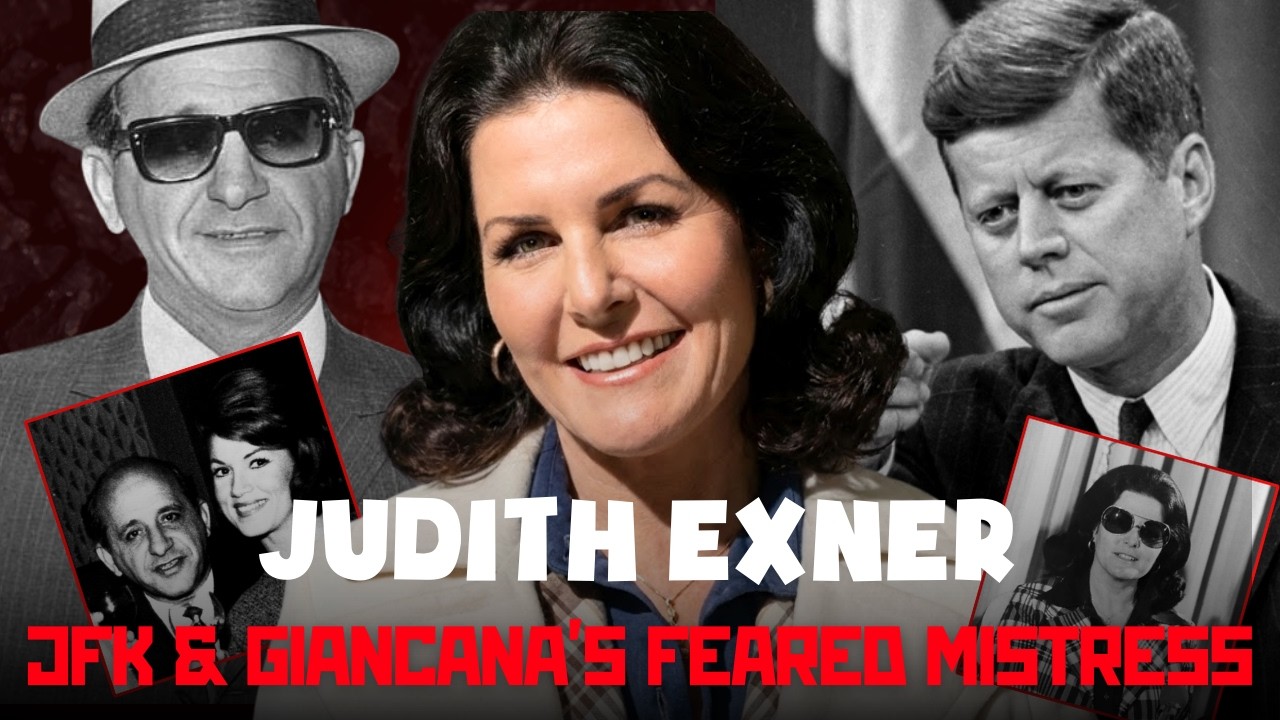
He would slam his fist on the table, making the silverware jump. You tell your boyfriend to call off his dog. You tell Jack to leash Bobby, or I'm going to go public. Judith was caught in the crossfire, the messenger being shot from both sides.
When she returned to Washington, she tried to relay Sam's anger. Kennedy would listen, his face unreadable, that famous detached cool masking his calculations. He would soothe her, telling her Bobby was just doing his job and to tell Sam to be patient.
He was using her to stall a monster. He was using her body and her heart as a sandbag to hold back the flood of mafia rage while he figured out how to solve the Giancana problem. And while this played out in hotel rooms and limousines, a third set of eyes was watching.
J. Edgar Hoover was the spider at the center of the web. He sat in his office surrounded by files, nursing a deep hatred for the Kennedy brothers. He knew they wanted to force him out. He needed leverage so powerful the president would be afraid to touch him.
Hoover's agents had tracked Giancana for years, with bugs in his social clubs and microphones planted in black bag jobs. In late 1961, the surveillance logs began to show a pattern that made analysts' blood run cold: a Los Angeles number connecting Giancana's house to the White House switchboard.
Calls to O'Hare in Chicago. Calls to the White House. Calls to the Fontainebleau Hotel in Miami. Dozens of calls showed up in surveillance summaries, enough to make officials panic about what the pattern implied. Hoover realized he had struck gold.
He did not arrest Judith. He did not warn the Secret Service that the president was sleeping with a mob mole. He waited and let the evidence pile up. He wanted the dossier thick enough to choke a dynasty.
For Judith, the pressure became unbearable. In Washington she was the president's lover, privy to the vulnerable side of the most powerful man on Earth. In Chicago she was the moll subjected to the terrifying mood swings of a gangster who realized he had been played.
The glamour was fading. The travel was exhausting. The secrets were heavy. She began to notice cars parked down the street from her apartment. She heard clicks on her phone line. She felt eyes on her in restaurants. Paranoia seeped into her life like black water.
In late 1961, Judith was staying at the Ambassador East Hotel in Chicago when Giancana came to see her. He was drunk and furious about a new FBI raid on his gambling operations. He pulled a gun and placed it on the table, a heavy black pistol, and stared at her with dead shark eyes.
You tell Jack, he hissed, that I can put a bullet in his head just as easily as I put him in that chair. Judith froze. She was not looking at a lover anymore. She was looking at an assassin. She realized she was not just a messenger. She was a hostage.
If she left him, she knew too much. If she stayed, she was in the line of fire. She flew back to Los Angeles shaking and tried to call Jack, wanting to tell him it had gone too far. But the president was busy. The Berlin Wall was going up. The Vietnam War was brewing.
Just relax, Judy, his aides told her. Take a pill. She was alone. The two most powerful men in America were using her to fight a proxy war, and neither of them cared if she survived it.
In early 1962, the pressure snapped into something official. Hoover decided it was time to play his card. He did not go to the press, which would destroy the country. He went to the Attorney General, Robert Kennedy, with a memo that was short, dry, and devastating.
It detailed the phone calls and laid out the triangle: the president, the girl, the mobster. It was a politely worded blackmail note. Hoover was essentially saying, I know. And because I know, you can never fire me.
Robert Kennedy read the memo and must have felt the floor drop out from under him. His crusade against the mob, his brother's presidency, and the entire Kennedy legacy were hanging by a thread named Judith Campbell. The reaction was swift, cold, and absolute.
There was no goodbye conversation. The machinery of the state simply severed the limb. Judith picked up the phone to call the White House, as she had dozens of times before. The president is unavailable, the operator said. When will he be free? The president is unavailable.
She called Evelyn Lincoln, Jack's secretary and her friend. Please don't call here again, Judith, Evelyn said, her voice trembling. Click. The silence was deafening. One day she was the insider. The next day she was a ghost.
She drove to the White House gate, desperate and confused. The guard stopped her. Her name was gone from the list. She had been decommissioned, but she had not been set free. The FBI agents who had been watching from the shadows stepped into the light.
Hoover unleashed the full weight of the bureau on her. If he could not destroy the president, he would destroy the evidence, and Judith was the evidence. Cars parked openly in front of her house. Agents followed her to the grocery store, standing inches behind her in the checkout line.
They broke into her apartment while she was out, leaving cigarette butts on her floor just to let her know they had been there. They were trying to break her mind. Judith Exner, the former queen of the shadows, was now a hunted animal.
She had lost Jack. She was terrified of Sam. And the United States government had just declared war on her sanity. The golden age was over. The nightmare had begun.
When Washington cut her off, it did not just end a relationship. It rewrote her reality overnight. For Judith Exner, the spring of 1962 was defined by silence. Just weeks before, she had been the secret queen of Camelot. Now she was a pariah.
The sudden excommunication by John F. Kennedy was surgical in its precision. No explanation, no apology, just a dial tone. But if the White House went silent, the rest of her world got terrifyingly loud.
Hoover had used Judith as leverage to secure his job and neutralize the Kennedy brothers, but he was not a man who left loose ends. He knew a scorned mistress with knowledge of CIA-mafia collusion was a ticking time bomb. He could not kill her, but he could discredit her.
He could terrorize her, make her look so unstable and criminal that if she ever spoke, no one would believe her. The surveillance began as a nuisance and quickly escalated into psychological torture. FBI agents did not just watch her. They hunted her.
They parked sedans in front of her Pacific Palisades home day and night. When she left her driveway, a car pulled out and tailgated her bumper to bumper. When she went to a restaurant, agents sat at the adjacent table and stared without ordering food.
They intimidated her dates and frightened her friends. They tapped her phone lines so aggressively the connection would crackle and pop. Sometimes she would pick up the receiver and hear breathing or laughter. They wanted her to know. We own you. You have no privacy. You have no safety.
Inside her apartment, Judith began to unravel. She was 28 years old, accustomed to being pampered and protected. Now she lived in a fishbowl of fear. She became paranoid. She stopped eating. She lost weight. Her glamorous life shrank to the four walls of her bedroom.
The cruelest twist was that as the government squeezed her, she had nowhere to turn but back to the darkness. The only person powerful enough to push back against the feds was Sam Giancana. He was furious about the FBI harassment, but not out of chivalry.
He saw it as an extension of the government's war on him. He saw Judith as his property. They're doing this to get to me, he told her. He offered protection, sending his own men to watch her house, burly enforcers standing on the lawn, staring down the FBI agents in the street.
Her life became a surreal standoff between the Department of Justice and the Chicago Outfit, played out on the manicured streets of Los Angeles. She was the trophy in a war of egos. But Giancana's protection came with a price.
He was no longer the charming Sam Flood who sent flowers. He was bitter, feeling betrayed by the Kennedys, and he began to take that anger out on Judith. He saw her as a symbol of the double cross, the woman who had slept with the man trying to destroy him.
His proposals of marriage became demands. Marry me, he would say, his voice low and dangerous. I can protect you. Nobody touches Mrs. Sam Giancana. It was not a romantic offer. It was an offer of ownership, a final act of dominance over JFK.
When Judith refused, terrified of being legally bound to a mobster, Giancana's mood turned black. He began to threaten her. He hinted that she knew too much. He reminded her of what happened to people who talked. She was now trapped in a pincer movement.
The FBI wanted to destroy her credibility, and the mafia wanted to ensure her silence. Then came November 22, 1963. Judith was in her apartment when the news broke. The president had been shot. Dallas, the motorcade, the grassy knoll.
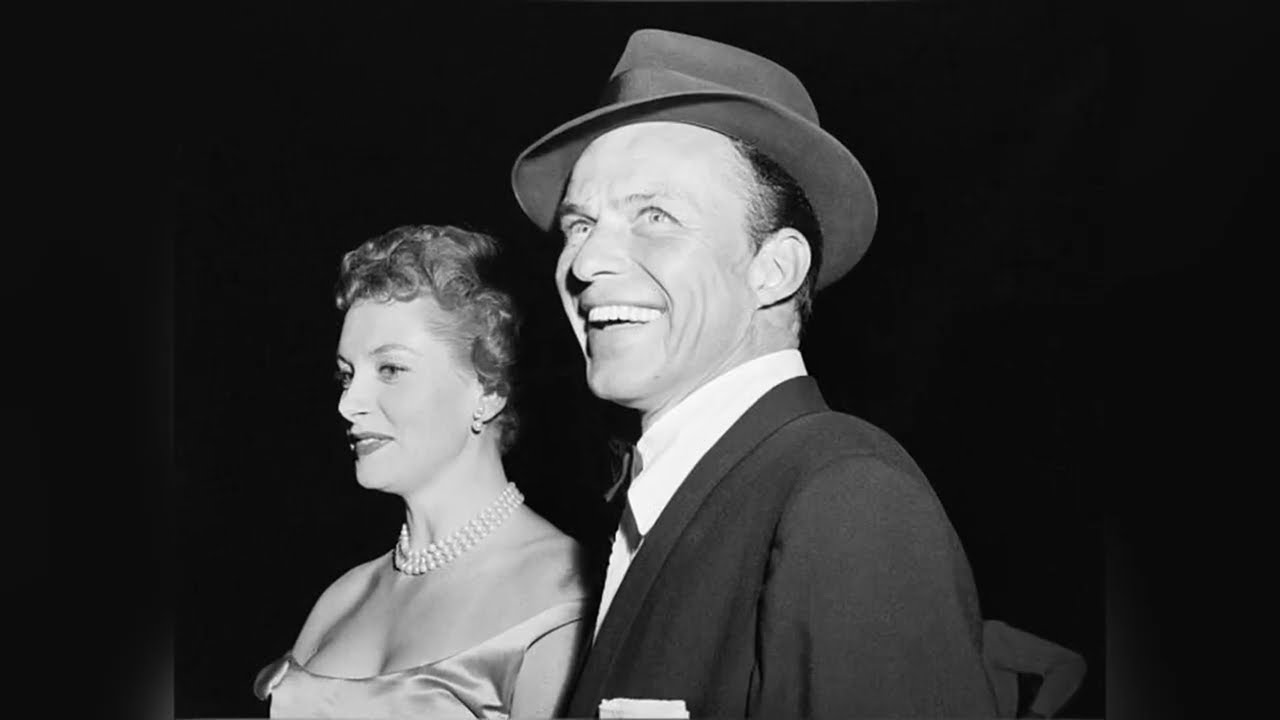
When Walter Cronkite took off his glasses and announced that John F. Kennedy was dead, Judith collapsed. Her grief was complicated, a suffocating mix of sorrow for the man she had loved and terror for herself. She knew the secrets. She knew the connections.
She feared the same shadow network behind anti-Castro plots and organized crime might now be circling her, whether or not the connections were as direct as people later claimed. In her mind, the assassination was not a mystery. It was a receipt coming due.
She believed instantly and terrifyingly that the mafia had done it, or the CIA, or both. And she knew she was the living link between the victim and the suspects. The months following the assassination were the darkest of her life.
She expected a bullet every time she stepped out the door. She watched as Jack Ruby, a mob associate, silenced Lee Harvey Oswald on live television. To the public it was chaos. To Judith it looked like a cleanup operation, a hit to close the loop.
She went into deep hiding. She moved. She changed her number. She fell off the social radar completely. The party girl of the Rat Pack era vanished. She was a ghost, haunting the edges of American history. But the ghosts of the past refused to stay buried.
In the late 1960s and early 1970s, the world began to change. Watergate shattered Americans' faith in their government. Investigative journalists dug into the CIA's dirty laundry. Slowly, the name Judith Campbell began to surface in classified files.
The FBI surveillance never truly stopped. Hoover kept the file open, wanting to make sure she never wrote a memoir. He leaked rumors to the press that she was a mob moll, ensuring that if she ever tried to tell her story, she would be dismissed as a criminal's girlfriend.
Judith fell into poverty. The architect's daughter, the president's mistress, was living paycheck to paycheck, isolated and depressed. She tried to find work, but the FBI would visit potential employers, whispering that she was a security risk. She became unhirable.
Then, in 1975, the past kicked down her door. Senate investigators pulled old surveillance threads back into daylight, and her name resurfaced in a way she could not ignore. Judith Exner was dragged back into the light at 41, her youth eroded by stress and illness.
She faced a terrifying choice. The mafia was still powerful. Sam Giancana was still alive. If she testified, she broke the code of silence. If she refused, she faced prison for contempt of Congress. But before she could testify, a message was sent.
On June 19, 1975, just days before he was scheduled to appear before the same committee, Sam Giancana was in his basement kitchen in Oak Park, Illinois, frying sausages and peppers. He felt safe, insulated by routine and the illusion that nobody would dare strike him at home.
Someone he knew, someone he trusted enough to turn his back on, walked into the kitchen, put a .22 caliber pistol to the back of his head, and pulled the trigger. Then they turned him over and shot him six more times in the face and neck. It was a ritual slaughter, a message.
Judith saw the news. She knew the message was for her too. But something in her snapped. Perhaps it was the years of fear, or the anger at being used, or the realization that she was already dead in the eyes of the world. She had nothing left to lose.
She defied the threat. She walked into the Senate hearing room, sat down, adjusted the microphone, and did the one thing no one expected the party girl to do. She told the truth. She confirmed the affair with Kennedy and the relationship with Giancana.
She admitted to carrying the envelopes. She laid bare the secret infrastructure of the Kennedy presidency. The reaction was a nuclear explosion of public opinion. But it was not the vindication she deserved.
The American public in 1975 was still mourning Camelot. They worshipped the memory of JFK. They did not want to hear that their hero was an adulterer who colluded with murderers. They turned on the messenger.
The press destroyed her. They called her a mafia moll. They mocked her appearance. They dissected her sex life. They ignored the political implications of her testimony, the CIA-mafia plots and the election rigging, and focused entirely on the scandal.
It was a slut-shaming campaign of national proportions. Judith Exner stood alone in the center of the storm, vilified by the left for tarnishing JFK, vilified by the right for her criminal connections, and hunted by the remnants of the mob.
She had broken the biggest secret of the 20th century, and her reward was total annihilation. As 1975 came to a close, she retreated again, battered and bruised. She had survived the FBI, the mafia, and the Senate, but she had lost her reputation. She was now a punchline.
The tragedy of this period is that while the world obsessed over who slept with whom, they missed the bigger picture. Judith Exner had handed them a key to understanding the assassination of JFK, the corruption of the CIA, and the rot at the heart of American democracy. The world threw the key away.
She returned to her small apartment, the curtains drawn, the phone unplugged. The Senate had their testimony, but the haunting would last for the rest of her life. The girl who once carried satchels of cash for the president now carried the weight of history, and it was crushing her.
When Judith Exner walked out of the Senate hearing room in 1975, she believed she had finally purged the poison. She had told the truth. She had connected the dots between the CIA, the mafia, and the Kennedy White House. She expected the world to see her as a victim of a government conspiracy.
Instead, she was crucified. The America of the mid-1970s was a country in an identity crisis, but one thing remained constant: the canonization of John F. Kennedy. To the public he was still the martyred prince of Camelot.
To suggest that this saintly figure not only cheated on Jackie but did so with a mob moll was heresy. The press did not treat Judith like a whistleblower. They treated her like a virus. Headlines screamed The Mafia Moll and JFK's Dark Secret.
They did not analyze the intelligence implications of her story. They analyzed her morality. She was slut-shamed on a national scale. Comedians made jokes about her. Respected journalists dismissed her as a delusional fame-seeker trying to cash in on a dead man's legacy.
The actual content of her testimony, the election rigging, the assassination plots against Castro, the satchels of cash, was buried under an avalanche of salacious gossip. Judith had broken the code of silence, but society punished the messenger, not the perpetrators.
She retreated into a life of aggressive isolation. She moved to Newport Beach, living under an assumed name, terrified that a reporter or hitman would find her. The FBI, despite the exposure of their harassment, kept her file active. She was a woman without a country.
The liberals hated her for tarnishing Kennedy. The conservatives hated her for her criminal connections. The mob wanted her dead. Then the physical toll began to manifest. The stress of 20 years of looking over her shoulder had ravaged her body. She developed terminal breast cancer.
It was a slow, agonizing decline. Her beauty, once the currency that bought her access to the Oval Office, faded into the gaunt, hollow-eyed look of a survivor. She lived in a small, cluttered apartment, surrounded by stacks of documents, smoking cigarettes, watching the world move on.
But as she faced her own mortality, Judith realized she had one more card to play, one final secret she had held back even from the Senate. In 1975 she had told the truth about the politics, but she had lied about the intimacy, trying to preserve a shred of dignity for herself and for Jack.
She had insisted their relationship was purely romantic, unconnected to the darker business dealings. But as the cancer ate away at her, and as she watched history continue to whitewash JFK's image, her resolve hardened. She owed nothing to a man who had discarded her like a used napkin.
In 1988 she gave a series of explosive interviews to journalist Kitty Kelley, and later to investigative reporter Seymour Hersh. She dropped the final veil. She admitted she was not just a girlfriend. She was pregnant.
In the winter of 1962, just before the FBI memo ended the affair, Judith discovered she was carrying John F. Kennedy's child. It was the ultimate complication. A love child between the president and the mistress of a mafia don would have destroyed the presidency.
Judith described the cold, terrifying efficiency with which the problem was handled. There were no sentimental discussions about the future, only logistics. She could not go to a regular hospital. The risk of exposure was too high. She could not ask Jack for help directly.
So, in a twist that encapsulates the horror of her existence, the president of the United States allegedly turned to the mafia to clean up his mess. According to Judith, it was Sam Giancana who arranged the abortion.
The leader of the free world needed to terminate a pregnancy to save his political career, and the only apparatus capable of doing it quietly was the Chicago Syndicate. Judith was flown to a hospital, possibly arranged through mob-connected doctors, and the procedure was done.
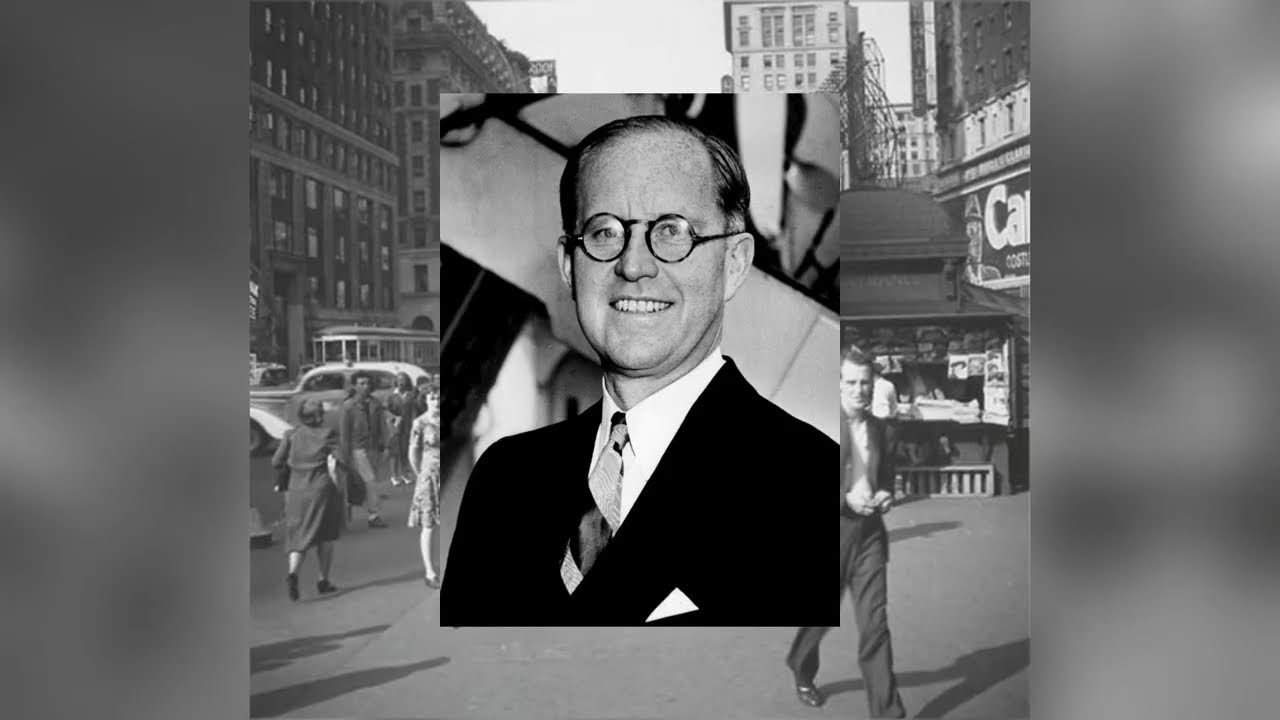
It was the ultimate violation. Her body had been the playground for these men. Now it was the crime scene. The abortion broke something in Judith that never healed. It was not just the loss of the child. It was the realization of her total lack of worth in their eyes.
To Jack, the pregnancy was a PR crisis. To Sam, it was a favor he could hold over the president's head. To Judith, it was a tragedy she had to bear alone in a recovery room paid for with dirty money.
When she revealed this in 1988, the backlash was even fiercer than in 1975. Kennedy loyalists attacked her with renewed viciousness. They called her a liar. They demanded medical records that no longer existed. But Judith did not care anymore.
She was not speaking to the court of public opinion. She was speaking to the historical record. I don't want to go to my grave with people thinking I was just a party girl, she told reporters, her voice raspy and weak. I was important. They needed me, and they destroyed me.
The revelation of the pregnancy fundamentally shifted the narrative for historians. It was no longer just about satchels of cash. It was about the absolute moral vacuum at the center of Camelot. It painted JFK not as a dashing hero but as a reckless narcissist who used women as disposable commodities.
It painted Sam Giancana not just as a killer but as a fixer for the establishment. And it painted Judith Exner as the tragic heroine of a Greek drama, a woman who was literally hollowed out by power.
As the 1990s approached, Judith's health failed completely. She was nearly blind and in constant pain. She lived on a small pension, struggling to pay for medication. The woman who had worn Chanel in the Oval Office now worried about the electric bill.
Yet in those final years, a strange thing happened. The anger faded, replaced by a weary clarity. She stopped hating Jack. She stopped hating Sam. She realized they were all victims of the same machine, a machine built on secrets, lies, and the ruthless acquisition of power.
Jack was killed by it. Sam was killed by it. And Judith was slowly dying from it. She spent her days watching the news, seeing a new generation of politicians, and recognizing the same patterns: the smiles, the handshakes, the hidden agendas.
She knew that somewhere in some hotel room or back channel, there was another Judith Exner being courted, being used, being set up to take the fall. She became a symbol of the collateral damage of history, the person who gets run over when the titans clash.
But she refused to be silent. Even from her deathbed, she continued to grant interviews and clarify details, fighting for her version of the truth. They thought I was dumb, she said in one of her final recordings.
They thought because I was pretty, I didn't see what was happening. But I saw everything. I saw the fear in their eyes. They were the ones who were afraid. I was the only one who wasn't afraid to love.
The revelation of the abortion was the final nail in the coffin of the Camelot myth. It stripped away the last vestiges of romance and left only the cold, hard machinery of power. Judith Exner had proven that the personal is political, and the political is deeply, violently personal.
By the late 1990s, Judith was a shell. The cancer had spread to her bones. She was alone save for a few loyal friends. She had no children, the ghost of the unborn Kennedy baby haunting the what-ifs of her life. She had no fortune. The money had vanished long ago.
But she had her name. She had reclaimed it from the tabloids. She was not just the mistress. She was Judith Campbell Exner, the woman who survived the two most powerful men of the 20th century. She was the one left standing to tell the tale.
On September 24, 1999, inside a sterile room at the City of Hope National Medical Center in Duarte, California, the 20th century quietly exhaled one of its most volatile secrets. Judith Campbell Exner took her final breath. She was 65.
She was ravaged by terminal breast cancer, nearly blind, and financially destitute. There were no state funerals. There were no flags at half-mast. The two men who had defined her life, John F. Kennedy and Sam Giancana, had both exited in violent explosions of gunfire decades earlier.
Judith, the woman who had bridged their worlds, exited in silence. But the silence of that hospital room was heavy with irony. The woman dying in that bed, relying on the charity of friends to pay her medical bills, had once worn diamond earrings given to her by the Godfather of Chicago.
She had sat in the Oval Office laughing with the leader of the free world while nuclear missiles were moved across the globe. She had touched the absolute zenith of American power, and she died in the absolute nadir of American poverty.
In the year before her death, popular culture delivered one final stinging insult. In 1998, HBO released the movie The Rat Pack, a glossy, nostalgic look at Sinatra and his crew. In the film, Judith was portrayed as a party girl, a vapid accessory passed around by powerful men.
Judith watched it from her sickbed, reportedly devastated. Once again, Hollywood had reduced her complex, terrifying existence to a caricature. They saw the dress, but not the scars. They saw the sex, but not the satchels.
While Hollywood mocked her, history was quietly beginning to vindicate her. Later document releases supported parts of her story while leaving other claims disputed, which is why the debate never really died. The phone logs were real. The surveillance reports were real.
The memos from J. Edgar Hoover to Robert Kennedy explicitly using Judith as leverage were real. Investigative journalists and historians, once skeptical of the mob moll's tales, began to realize that Judith Exner was not a liar. She was a reliable witness to the Kennedy presidency's dark underbelly.
Without her testimony, the extent of the CIA-mafia collusion in the plots to assassinate Fidel Castro might have remained a rumor. She provided the human link of physical proof that the White House and the underworld were not enemies but bedfellows.
Her legacy forces us to rewrite the history of the 1960s. It shatters the binary of good versus evil that defined the Cold War. We can no longer look at JFK as the pure, idealistic knight of Camelot fighting the forces of darkness.
We must see him as he was, a pragmatic, ruthless operator willing to get into bed with murderers to achieve his political goals. And we must see Sam Giancana not just as a criminal aberration but as a tool of the American establishment, a patriot in the twisted logic of the deep state, until he became inconvenient.
And Judith? Judith was the collateral damage of this unholy alliance. Her story is a brutal case study in the commodification of women by power. To JFK, she was a release valve, a safe harbor for his secrets and his lust. To Giancana, she was a trophy and a bargaining chip.
To the FBI, she was a weapon to be used against the president. To the Senate, she was a witness to be squeezed. To the press, she was a woman to be shamed. At no point did any of these powerful institutions treat her as a human being.
She was a living conduit. And when the conduit was no longer needed, it was cut. The tragedy of Judith Exner is that she had the capacity for love in a world that only understood leverage. She loved Jack Kennedy.
She believed until the very end that he had loved her in his own broken way. She defended him even when she exposed him. She refused to hate him for the abortion, for the abandonment, for the ruin of her life.
I don't regret loving him, she said in one of her final interviews. I regret trusting the people around him. It is a distinction that breaks the heart. She never understood that the people around him and the man himself were part of the same machine.
So what is the final verdict on Judith Campbell Exner? She was not a villain. She was not a saint. She was a mirror. She reflected the true face of power in the American century.
When we look at her story, we do not see a scandalous woman. We see the reflection of a government willing to rig elections. We see the reflection of an intelligence agency willing to hire hit men. We see the reflection of a society eager to consume the bodies of women and then discard them when they become inconvenient.
Judith Exner died with nothing, but she left us everything. She left us the truth. In the end, the messenger of the devil was the only one who told the truth about the angels.
The satchels are gone. The phone lines are dead. The Sands Hotel has been imploded and rebuilt. But the ghost of Judith Exner remains standing in the doorway between the Oval Office and the Armory Lounge, reminding us that the distance between the penthouse and the gutter is much shorter than we think.
She walked that path so we would know where the bodies are buried. And for that, history owes her not an apology, which is too late, but an acknowledgement. She was the woman who carried the weight of the world in her handbag, and it broke her back.