In November 2009, the Hyatt hotel chain went public, marking a major milestone for the family behind it. The company sold 38 million shares at $25 each, a move that came 30 years after the Pritzkers, the family that controlled it, had first taken the business private. The initial public offering was the culmination of decades of quiet wealth-building that began long before the Hyatt name was ever attached to a hotel. The family’s story starts with a much earlier generation.
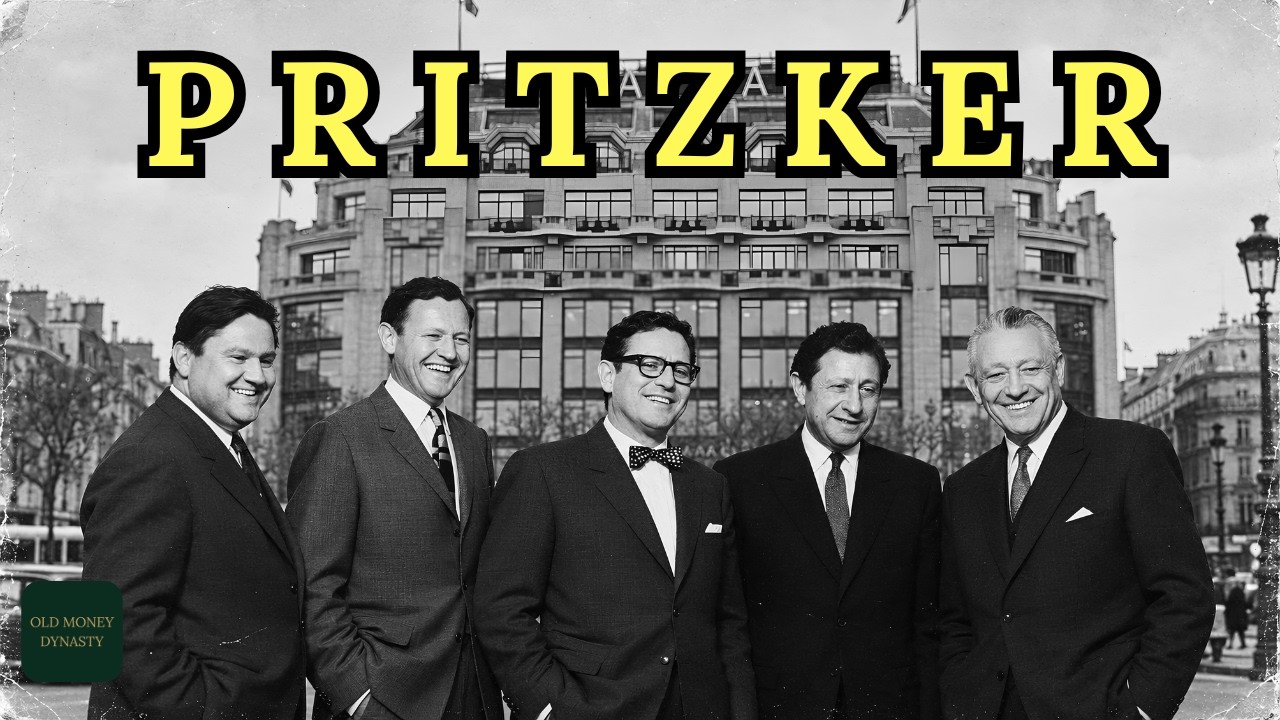
Decades before the skyscrapers and the hotel atria, the Pritzker name was tied to a simple Chicago coffee shop. A popular story, which the family has never confirmed, claims that the original idea for the Hyatt chain was sketched out on a napkin at a place called Fat Eddie’s. The tale, which first appeared in an unsourced Wikipedia article in 2007, has since grown into a beloved piece of corporate lore, even though no one can prove it actually happened. The family’s rise was built on a series of complex financial maneuvers and a strict code of secrecy.
By the late 20th century, the Pritzkers controlled a vast and diverse empire. You could fly on their airline, read their newspapers, buy concert tickets through their services, and even chew their gum. They kept their name off most of these businesses, preferring to let the companies operate under their own identities. A portion of every deal, however, was set aside for the family’s trusts, the central engine of their collective wealth.
When Fortune magazine finally profiled the family in the 1980s, they were reluctant subjects. Robert Pritzker, speaking for the family, said, “If I don’t cooperate, I can’t squawk if you get it all wrong. ” His brother Jay, the architect of much of the empire, echoed this wariness. The family’s wealth was so vast and so carefully managed that it created a public relations problem, one they tried to solve with a rare open letter.
In it, they explained that the trusts were not intended to be a source of individual wealth, but rather a tool for the family’s collective good. The sheer size of the fortune, however, led to a very public and bitter family feud. The dispute centered on the treatment of the trusts, which were designed to distribute wealth unevenly. Two of Jay Pritzker’s children, who had been born years after their older siblings, felt they had been unfairly left out.
They were the youngest of the generation, and the age gap was dramatic. Their lawyers argued that the trusts had been drained of hundreds of millions of dollars, while the children of the other siblings had seen their accounts grow. “I’m deeply hurt by their lawsuits,” their father said at the time, adding that the allegations were entirely false. The family’s lawyers responded that the actions taken were “entirely proper” and authorized by the terms of the trust agreements.
They argued that the younger generation had been treated fairly, pointing out that the rule that “sorted children by age” had always been the family’s policy. The legal battle dragged on for over a year. The defendants, including the family matriarch and other trustees, issued a statement that read, “All of the transactions at issue were authorized by the terms of the relevant trust agreements. ” The fight was a stark departure from the family’s usual silence, and it eventually went to court, where the case was dismissed.
The judge’s ruling was a clear victory for the trustees, but the family’s pain was far from over. The judge noted that a trustee’s duty is to run the trust for the benefit of the beneficiaries and nobody else, and that while the case was over, the wounds would take longer to heal. Despite the legal victory, the damage was done. The two family members who sued were awarded a settlement of $9.
5 million, a fraction of what they had claimed they were owed. Their lawyers, however, argued that the settlement was less about the money and more about the principle. The case became a cautionary tale about the perils of immense wealth and the dangers of a family business built on secrecy and generational inequality. The story eventually became a case study taught in engineering schools, not for its financial lessons, but for a separate, more tragic event: the 1981 collapse of two walkways at the Hyatt Regency in Kansas City, a structure the family owned.
The collapse, which killed 114 people, was the deadliest structural failure of its kind in American history. The family’s name was dragged through the courts for years afterward, and while they were found not liable for the design flaw, the tragedy became forever linked to the family’s name. The final reckoning came not in a courtroom but in the quiet years that followed, as the family slowly sold off its assets and retreated from the public eye, leaving behind a legacy forever marked by both incredible success and profound tragedy. In a final letter to a magazine, one of the family members wrote, “You are news.
I’d bet most of the people who sleep in these hotels have no idea it was ever somebody’s first name. “