The Hollywood version of the Wild West is built on a simple image: two gunslingers facing each other on a dusty street, hands hovering near their holsters, and the fastest draw winning the duel. But the men who actually survived gunfights in the Old West, like Wyatt Earp, operated on a completely different philosophy—one that prioritized composure over speed. Had you described the classic cinematic standoff to Earp in Tombstone, Arizona, in 1881, he likely would have rejected it entirely. For Earp, the movie obsession with pure speed wasn’t just a mistake; it was a mindset that could get a man killed.
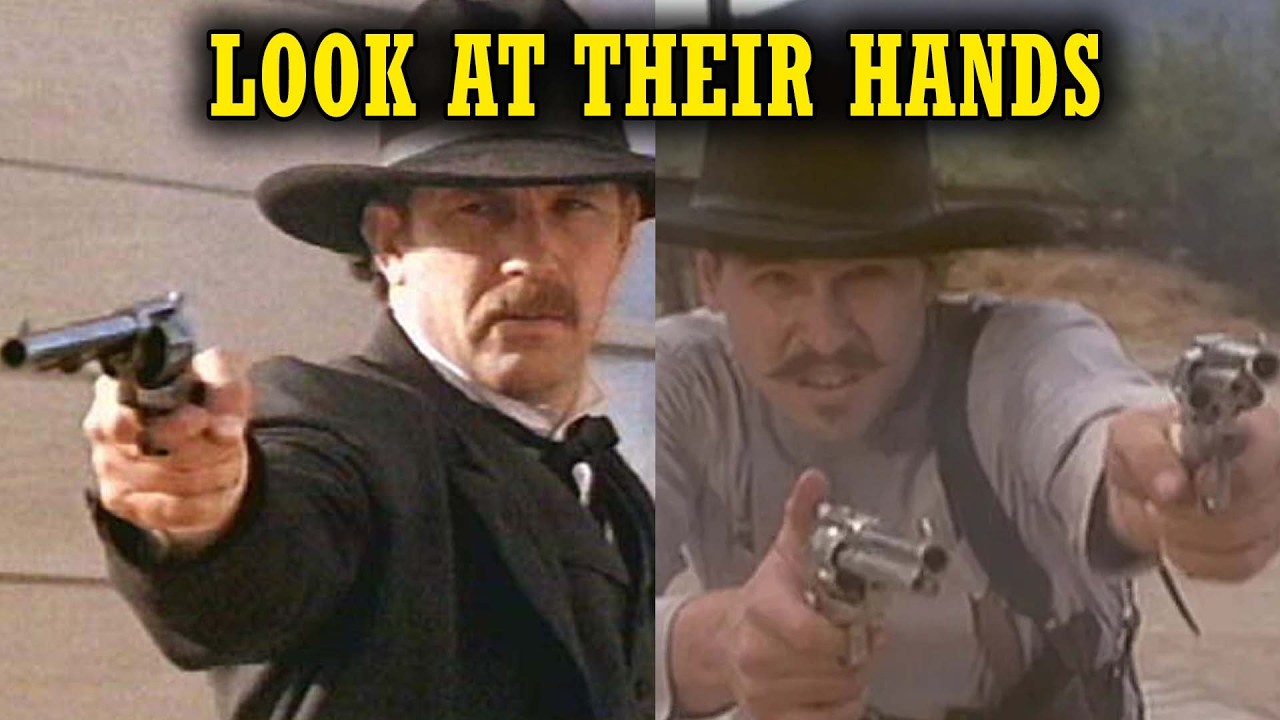
The real code of the frontier lawman is often summarized in a phrase attributed to Earp: “Take your time, but do it quickly. ” On the surface, it sounds contradictory. But in practice, it reflected a calculated and disciplined approach to conflict. Biographers who interviewed Earp late in his life, including Stuart Lake who conducted lengthy interviews with him in the late 1920s, noted that Earp placed pure speed at the bottom of his list of priorities in a confrontation.
According to this account, Earp believed the worst mistake an inexperienced man could make was moving hastily. Under real stress, the body doesn’t react the way people expect. The heart rate spikes, vision narrows, and fine motor control deteriorates. Anyone trying to move as fast as possible in that state is prone to fumbling, snagging their clothing, or firing prematurely and missing entirely.
Earp’s advantage, according to this narrative, was not superhuman reflexes. It was an extraordinary emotional steadiness under pressure. The idea was that acting first mattered less than aiming accurately. While his opponents rushed and lost control of their movements, Earp was said to remain unhurried, steady, and precise.
Historian Casey Tefertiller, author of “Wyatt Earp: The Life Behind the Legend,” studied this pattern in Earp’s career. Tefertiller’s research suggests that Earp’s ability to remain composed and walk away from deadly confrontations was the result of this deliberate approach, not luck or sheer speed. The pattern Tefertiller describes is one where impatient opponents lose their accuracy because they are in a hurry, while Earp remained in control of the situation. The comparison often drawn is to a skilled craftsman.
A carpenter who rushes his cuts ruins his material. A hunter who reacts too quickly misses his target. This philosophy was not about being the fastest or the most reckless. It was about understanding that a gunfight was not a test of courage but a test of control.
While a casual observer might see speed as the key skill, a more experienced eye would point to the importance of composure. The myth of the quick draw and the reality of aimed fire were two very different things in the frontier era, and Earp’s survival was a testament to which one actually worked. The legend of the O. K.
Corral and the gunmen of the Old West has been romanticized for over a century, but the truth behind how these men actually handled their weapons reveals a far more strategic and less glamorous reality than what audiences see on screen.