In August 1943, American forces had just taken Messina, completing the conquest of Sicily ahead of schedule. General George Patton, a brilliant battlefield commander, had done exactly what he was trained to do: aggressive maneuver, rapid exploitation, and personal leadership at the front. It was everything West Point taught about winning battles.
Then Patton walked into a field hospital and slapped a soldier he believed was malingering. He called the man a coward. Days later, he did it again at another hospital.
General Dwight Eisenhower, the supreme Allied commander, received the reports. He had a choice. Patton believed he was acting according to a hard tradition of battlefield leadership that West Point culture had reinforced. Eisenhower chose differently.
He did not court-martial Patton. He did not publicly disgrace him. But he sidelined him, made him apologize, and kept him out of combat command for months while the invasion of France was being planned.
That decision in August 1943 was not just about two soldiers in field hospitals. It was about whether the offensive spirit the academy had taught both men could survive modern coalition warfare. For the rest of the war, Eisenhower would choose political necessity over the kind of military doctrine Patton trusted, alliance management over battlefield purity, and strategic compromise over everything both men had learned about how generals should lead.
West Point taught a specific kind of warfare: personal courage, aggressive offensive action, and leadership through force of personality. The curriculum glorified battlefield commanders who led from the front and accepted no excuses.
George Patton, class of 1909, embodied those principles. A cavalry officer and tank warfare pioneer, he commanded Seventh Army in Sicily in 1943, and his methods reflected the command culture he had absorbed. Lead from the front. Push subordinates relentlessly. Move faster than the enemy can react.
It worked. Sicily fell ahead of schedule. Then came the slapping incidents.
The first soldier was Private Charles Kuhl, diagnosed with psychoneurosis anxiety. Patton found him in a hospital tent, called him a coward, and slapped him with his gloves. The second was Private Paul Bennett, with a similar diagnosis. Patton screamed at him, slapped him twice, and pulled his pistol.
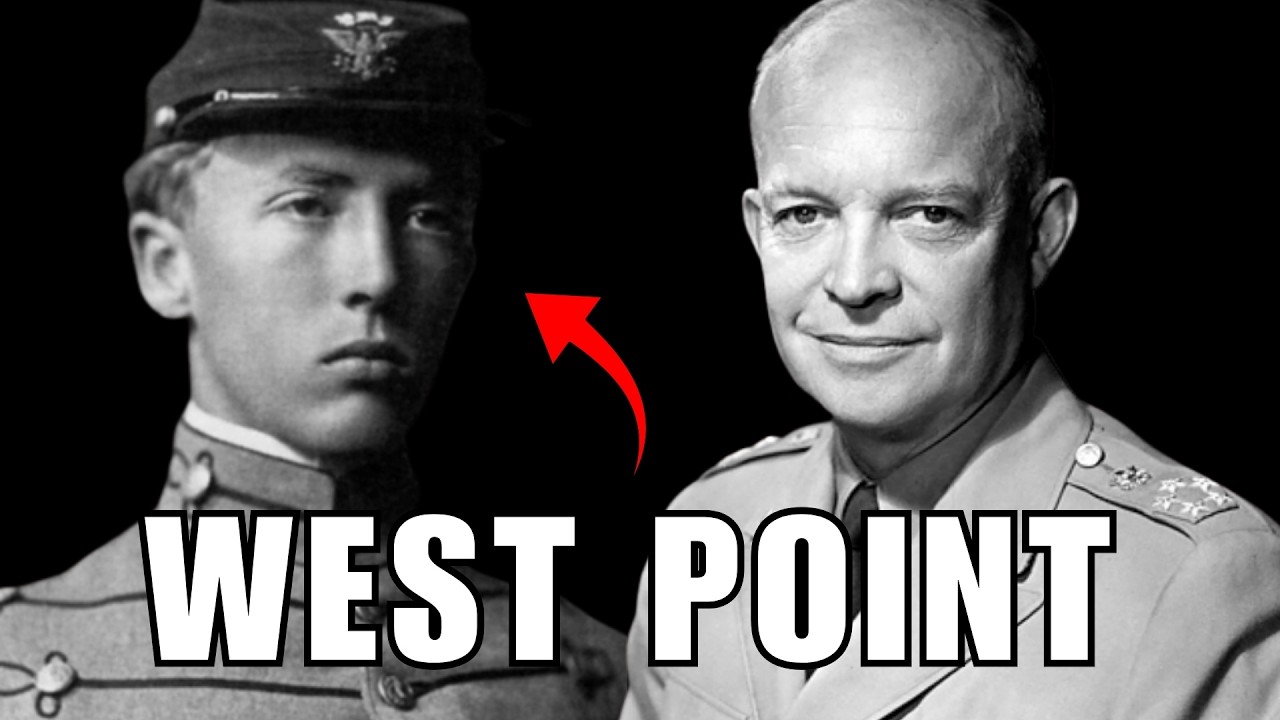
Patton believed he was preventing cowardice from spreading. The tradition of aggressive battlefield leadership he trusted supported that view. Medical staff reported both incidents to Eisenhower.
Eisenhower had to decide whether to follow the offensive spirit both men had learned or set it aside for other considerations. He chose to set it aside.
Eisenhower did not disagree with aggressive battlefield leadership. He disagreed with applying it this way in 1943. Wars were no longer won by battlefield commanders alone. They were won by coalitions, political support, public opinion, and Allied unity. The slapping incidents threatened all of it.
American newspapers would destroy Patton if the story got out. Congress would demand his removal. British allies would question American discipline. Churchill might lose confidence in Eisenhower's judgment. And Eisenhower needed Churchill, Roosevelt, congressional war funding, and American public support.
West Point had prepared them to command armies. It had not prepared them to manage coalitions. But Eisenhower commanded Allied forces in a global war, and political considerations determined what military operations were possible.
So he made his choice. Privately, he wrote Patton a devastating letter. He ordered him to apologize to every division in Seventh Army and made clear that one more incident would end his career. Publicly, he buried the story, keeping it from reporters and protecting Patton from consequences.
Then he sidelined him. Patton kept his rank and kept his command on paper. But when planning began for D-Day, Eisenhower gave invasion command to Omar Bradley. He used Patton as a deception asset, making the Germans think Patton would lead the invasion when he actually commanded nothing. It was the most humiliating assignment possible for a successful general.
Eisenhower did it anyway, because he had learned what the academy had not taught. Keeping political support mattered more than rewarding battlefield success. Managing public opinion determined what operations could happen. And coalition warfare required setting aside the offensive tradition both men had absorbed.
Patton spent months bitter and angry, convinced Eisenhower had compromised military principles for political expediency. He believed Eisenhower had chosen coalition politics over the kind of military doctrine Patton trusted.

The decision Eisenhower made in Sicily became a template. In Normandy in August 1944, Patton was finally unleashed with Third Army. Everything the academy taught about mobile warfare he executed perfectly. Third Army advanced faster than any American force in European history.
Then he publicly criticized Montgomery, complained about supply priorities, and made statements contradicting Eisenhower's official positions. The offensive tradition Patton embodied suggested that battlefield success earned authority. Patton's results were undeniable.
Eisenhower could not accept that logic, not because Patton was wrong. On many points he was right. But public statements made coalition management harder. It was the same choice as Sicily: suppress the military truth, manage the politics, keep the alliance together.
In December 1944, during the Battle of the Bulge, Patton performed brilliantly. He turned Third Army 90 degrees in 48 hours and relieved Bastogne. Then Montgomery took temporary command of American forces on the northern shoulder.
Eisenhower needed coordination. Patton erupted, wanting to attack immediately and believing hesitation cost American lives. The aggressive tradition both men had learned agreed: no hesitation, attack when the enemy is off balance. Eisenhower said no. Political agreement with Churchill mattered more.
The pattern repeated in spring 1945, as Germany collapsed. Patton wanted to drive to Berlin. It was tactically sound and strategically obvious, everything the academy taught about exploitation. Eisenhower said no. Berlin was in the Soviet occupation zone, and alliance unity mattered more.
Patton wanted to keep Third Army intact after Germany's surrender and prepare for what he believed was coming with the Soviets. Eisenhower began demobilization under political pressure, as Americans wanted soldiers home.
Patton publicly compared Nazi Party members to Republicans and Democrats and said denazification was destroying Germany. Eisenhower relieved him in October 1945.
Every decision Patton made followed the principles he trusted. Every decision Eisenhower made set them aside. After Sicily, that pattern shaped the war's final year.

Patton died on December 21, 1945, from injuries suffered in a car accident 12 days earlier. He had been writing a memoir, planning to argue that coalition warfare had corrupted military judgment and that the principles he valued should have guided Allied strategy.
His widow, Beatrice, edited the manuscript and removed most criticisms of Eisenhower and Allied leaders. The book appeared in sanitized form as "War as I Knew It." What Patton really thought, the public never read.
Eisenhower became president. He is remembered as the general who held the alliance together and won the war. But the consequences of the choices he began making after Sicily became visible in the years that followed.
Berlin fell to the Soviets. Germany was divided. Eastern Europe came under Soviet occupation. Cold War divisions lasted for decades.
Patton had believed he saw what was coming and wanted to act before Soviet control became permanent. Everything he had learned about strategic foresight supported him. Eisenhower chose political agreements over military action and believed maintaining the alliance mattered more than problems force could not solve.
Whether Eisenhower's choices contributed to what followed is still debated. So is whether the principles both men learned could have changed outcomes, and whether coalition unity was worth the strategic price.
What is certain is that after Sicily, Eisenhower learned that modern war required setting aside what both men had been taught about battlefield command, aggressive action, and military purity. Those principles could not be applied cleanly in coalition warfare.
He set them aside in August 1943 when he sidelined Patton. He kept setting them aside until Germany surrendered. The pattern started with two soldiers in field hospitals. It escalated to decisions about Berlin, Soviet occupation zones, and postwar political arrangements.
Patton's writings suggest he believed Eisenhower had compromised the principles he valued most. Eisenhower won the war by setting aside half of what both men had learned.
Both were shaped by the same institution. Both learned the same traditions. Both became great generals. But after Sicily, only one of them kept following what the academy had taught. The other had to learn something West Point never prepared him for: that winning a coalition war required making choices the offensive tradition said great commanders should never make.
Patton represented what West Point taught perfectly: aggressive, uncompromising, tactically brilliant. Eisenhower represented the reality those teachings crashed against: political, diplomatic, willing to sacrifice military purity for strategic necessity.
Whether his choices were right, whether the outcomes could have been different, and whether the principles deserved to be set aside remain unanswered questions. What we know is that the decision Eisenhower made in August 1943 to sideline Patton after Sicily, despite his battlefield brilliance, became the pattern he followed for the rest of the war. And the pattern Eisenhower established after Sicily shaped some of the most consequential decisions of the war's final year.