Ernst Kaltenbrunner was never the most famous name of the Third Reich. He was not Himmler, not Heydrich, not Göring. Yet when the war ended and prosecutors at Nuremberg assembled their cases against the surviving leaders of Nazi Germany, his name stood out as the man who had held the machinery of terror itself.
Kaltenbrunner was the head of the Reich Security Main Office, the RSHA. That organization controlled the Gestapo, the SD, the Kripo, and the entire apparatus of Nazi surveillance, arrest, torture, and extermination. After the assassination of Reinhard Heydrich in 1942, Kaltenbrunner stepped into the shoes of one of history's most feared killers and ran that empire of darkness until Germany's collapse.
Even now, his name is less well known than those of the generals and politicians who sat beside him in the dock at Nuremberg. This is the story of who he truly was, how he rose, what crimes were carried out under his authority, how he tried to save himself as the Reich crumbled, and what became of him when the Allied judges passed their verdict.
Ernst Kaltenbrunner was born on October 4, 1903, in the small town of Ried im Innkreis in Upper Austria. The Austria he was born into was a place of fading grandeur, a vast multi-ethnic empire already in the early stages of its slow decline.
His father, Hugo Kaltenbrunner, was a lawyer and a respected member of the provincial bourgeoisie. His mother, Theresia, was the daughter of an Austrian civil servant. Together they raised Ernst and his siblings in a solidly middle-class household where duty, discipline, and propriety were core values.
The Kaltenbrunner home was not a hotbed of radical politics in Ernst's earliest years. It was simply the home of a provincial Austrian professional family, with no outward sign that its eldest son would one day control the terror apparatus of an empire far larger and more murderous than the one that had presided over his birth.
Young Ernst was, by all accounts, physically imposing from an early age. He grew tall and broad-shouldered, with a lean, angular face marked by high cheekbones and deep-set eyes beneath a prominent brow. His most distinctive feature was a set of vivid dueling scars on both cheeks, acquired during his student years when fraternity dueling was still common among Austrian university men.
Those scars remained with him for life, giving him a menacing, almost theatrical appearance that virtually everyone who met him remarked upon. Allied interrogators after the war described him as physically intimidating even in defeat, a large man whose scarred face and cold gaze projected an air of contained violence even when he was attempting to cooperate.
His height, reportedly around six feet two inches, made him tower over many of his SS colleagues. In the culture of the SS, where physical presence and the projection of strength were prized, Kaltenbrunner's appearance served him well.
After completing his early schooling in Linz, where the family had moved when Ernst was a boy, he followed his father into the law. He enrolled at the Graz University of Technology in 1921 to study law and chemistry.
Linz is a name worth noting in the context of Austrian Nazi history. It was also the city where Adolf Hitler had grown up, walking the same streets and attending schools in the same provincial capital. Whether Kaltenbrunner ever reflected on this coincidence is not recorded, but it was Linz that shaped both of them in their formative years.
The German nationalist sentiment that pervaded Linz in the late nineteenth and early twentieth centuries was the air that young men like Kaltenbrunner breathed. By the time he reached university age, he was already developing political views that would draw him toward the most extreme expression of that nationalist tradition.
At Graz, Kaltenbrunner was a competent, if not exceptional, student, eventually earning his law degree in 1926. But it was his extracurricular activities that defined his university years. He became deeply involved in the German nationalist fraternities that dominated student life at Austrian universities in this period.
These organizations combined the social rituals of the dueling corps with an increasingly explicit commitment to pan-German nationalism, and by the mid-1920s with the emerging ideology of National Socialism. It was in these circles that the young Kaltenbrunner absorbed the foundational ideas that would guide his entire subsequent career.
Those ideas included a belief in German racial superiority, a virulent anti-Semitism that attributed every social and economic ill to Jewish influence, the conviction that Austria's destiny lay in union with a greater German Reich, and a readiness to use violence as a political tool. These were not abstract philosophical positions for Kaltenbrunner. They were the lived beliefs of his social world, reinforced daily by the company he kept and the organizations he joined.
His formal entry into the Nazi movement came in 1930, when he joined the National Socialist German Workers' Party and received party membership number 300,179. Austria in 1930 was a country in deep crisis, buffeted by the Great Depression and divided between a conservative Catholic establishment and a powerful Social Democratic movement, with the Nazis representing a third force of growing menace.
For Kaltenbrunner, joining the party at this relatively early stage was not yet the obvious choice it might appear in retrospect. The Austrian Nazi Party was still a minor political organization in 1930, operating largely in the shadow of its German counterpart and regarded by many Austrians as a dangerous foreign import. That he joined in this early period speaks to the depth of his ideological commitment.
The following year, in 1931, Kaltenbrunner took the additional step of joining the SS, Heinrich Himmler's elite paramilitary organization. His SS number was 13,039, a relatively low number that reflected his early entry into an organization that would eventually number in the hundreds of thousands.
For a young Austrian lawyer with nationalist convictions, a physically imposing presence, and the kind of cold, calculating intelligence that impressed Himmler's recruiters, the SS was a natural home. He was exactly the type of man Himmler wanted: educated, ideologically committed, physically formidable, and willing to do whatever the organization required. By the end of 1931 he held the rank of SS-Sturmführer and continued to advance steadily.
The political situation in Austria through the early 1930s was one of mounting tension and episodic violence. The Austrian government under Chancellor Engelbert Dollfuss grew increasingly authoritarian, and by 1933 and 1934 it was moving to suppress both the Social Democrats and the Nazis with equal determination.
The Austrian SS was officially banned by the government in 1933 but continued to function underground. Kaltenbrunner became one of its most important figures in the region around Linz and Upper Austria, organizing cells, recruiting members, maintaining communications with the German SS across the border, and engaging in the clandestine political violence that characterized the Nazi underground.
This was genuinely dangerous work. Members of the illegal SS faced arrest, imprisonment, and in some cases physical beatings at the hands of the Heimwehr paramilitaries. In May 1934, Kaltenbrunner's luck ran out. He was arrested by Austrian authorities for plotting against the state and accused of organizing an effort to acquire explosives and overthrow the government.
He was imprisoned for six months, spending a period of late 1934 and early 1935 behind bars before his release. The experience does not appear to have moderated his views or dampened his commitment to the Nazi cause. If anything, imprisonment seems to have hardened him, reinforcing his conviction that the Austrian government was a corrupt and illegitimate obstacle standing between his people and their rightful union with Germany.
Upon his release, he immediately resumed his underground activities, continuing to build the SS network in Upper Austria and serving as one of the key links between the Austrian movement and the Nazi leadership in the Reich.
The year 1934 was also the year of the disastrous Austrian Nazi Putsch of July 25, in which a group of SS men stormed the Federal Chancellery in Vienna and assassinated Chancellor Dollfuss. The Putsch failed. The plotters were captured or killed, Germany hastily disavowed any involvement, and the surviving conspirators were tried and executed.
Kaltenbrunner was not directly involved in the Vienna Putsch, but he was deeply enmeshed in the Upper Austrian component of the wider uprising attempt. The failure forced him to operate with even greater care in the years that followed.
It was during these years of underground activity that Kaltenbrunner formed some of the most important relationships of his career. He cultivated connections with the SS leadership, with Himmler's apparatus in Munich, and with the SD, the Sicherheitsdienst, which under Reinhard Heydrich was becoming the intelligence and surveillance arm of the SS empire.
He also married during this period. In 1931 he had wed Elisabeth Eder, an Austrian woman of similar social background, and together they would eventually have three children. The marriage provided him with a degree of social respectability even as his political activities became increasingly radical and dangerous. Elisabeth was herself committed to the Nazi cause, and the Kaltenbrunner household functioned as a meeting point for local SS and party members throughout the years of underground activity.
The Anschluss of March 1938, when German troops marched into Austria and incorporated it into the Reich, transformed Kaltenbrunner's life overnight. From being a senior figure in an illegal underground organization, he suddenly became a major political and security figure in the expanded German Reich.
Within weeks of the Anschluss, he was appointed higher SS and police leader for the Danube region, placing him in command of all SS and police forces in Austria. This was a position of enormous power. The higher SS and police leaders were Himmler's personal representatives in their regions, standing above the regular police hierarchy and answering directly to the Reichsführer SS himself.
His promotion to the rank of SS Gruppenführer came quickly, and he was also appointed State Secretary for Security in the Austrian administration, giving him formal governmental authority to match his SS power.
In these dual capacities, Kaltenbrunner presided over the immediate post-Anschluss terror in Austria with a thoroughness that impressed even his superiors in Berlin. Political opponents of every stripe were arrested: Social Democrats, Communists, Monarchists, Catholic Conservatives who had opposed union with Germany, journalists, intellectuals, anyone who might pose a challenge to the new order.
The jails of Vienna and the provincial capitals filled rapidly with the enemies of the Reich, and the Gestapo, which now extended its reach across Austria under Kaltenbrunner's supervision, began its work of interrogation and processing.
But it was the treatment of Austria's Jewish population that was perhaps the most brutal immediate consequence of the Anschluss. It was in Vienna that Adolf Eichmann first developed the bureaucratic techniques of forced emigration and dispossession that would later be applied to Jews across all of occupied Europe.
In Vienna, the scenes that followed the Anschluss were horrific. Jewish men and women were seized from their homes and offices and forced to scrub pavements and gutters with toothbrushes while crowds of Austrians looked on and jeered. Jewish-owned businesses were looted or seized. Synagogues were vandalized.
The violence was spontaneous and organized simultaneously, drawing on years of pent-up anti-Semitic resentment that the Nazi movement had carefully cultivated. Kaltenbrunner did not personally direct every act of violence, but he created the environment in which such violence was permitted and encouraged, and he ensured that the formal apparatus of terror was in place to handle the systematic persecution that followed.
During the Kristallnacht pogrom of November 9 and 10, 1938, Austria was among the worst-affected regions. Under Kaltenbrunner's authority, Austrian Jews suffered the same destruction of synagogues, the same mass arrests, the same beatings and killings that occurred across the Reich.
Kaltenbrunner's office coordinated with Eichmann's apparatus to facilitate emigration through extortion. Jews could leave, but only if they surrendered virtually all their property and assets. Tens of thousands of Austrian Jews did manage to escape in this way before the borders closed entirely. Those who remained behind would face a fate far more terrible than even the horrors of 1938 had suggested.
Kaltenbrunner served as higher SS and police leader for the Danube region from March 1938 until his appointment as head of the RSHA in January 1943, a period of almost exactly five years. Under his authority, the Mauthausen concentration camp, located near the town of the same name in Upper Austria, was established in August 1938, just months after the Anschluss.
Mauthausen was not primarily a camp for Jewish prisoners, at least not in its early years. It was conceived as a camp for the so-called asocial elements of society, political prisoners, criminals, homosexuals, and the various categories of people the Nazi state had designated as enemies or undesirables.
What made Mauthausen particularly terrible, even by the standards of the concentration camp system, was its granite quarry, where prisoners were forced to carry enormous blocks of stone up 186 steps, known as the stairs of death, under conditions of deliberate brutality designed to work them to death in the minimum possible time. The SS guards at Mauthausen engaged in practices of sadism so extreme that even within the broader camp system, Mauthausen acquired a reputation for particular horror.
Kaltenbrunner, as the senior SS figure in the region, was directly involved in the establishment and early operation of the camp, and it fell under his authority throughout his tenure as higher SS and police leader.
By 1941 and 1942, as the Final Solution was being implemented across occupied Europe and the murder machinery was operating at full capacity, Kaltenbrunner was deeply embedded in the regional execution of genocidal policy. Mass shootings of Jews in the territories of the former Soviet Union were conducted by the Einsatzgruppen, the mobile killing units that followed the Wehrmacht into the East.
While the Einsatzgruppen were operationally under the command of the RSHA in Berlin, their actions were known to and supported by every senior SS figure in the Reich. Kaltenbrunner was not ignorant of what was happening. He was part of the system that was doing it, and his regional authority in Austria meant that the deportations of Austrian Jews to the death camps of the East were carried out under his oversight.
Historians have long grappled with the precise nature of Kaltenbrunner's personal responsibility during this period. He was not yet the head of the RSHA, not yet the man at the top of the entire terror apparatus. He was a powerful regional figure, one of Himmler's key lieutenants in Austria, deeply involved in the terror but not yet its supreme administrator.
The answer became clearer after January 30, 1943, when Heinrich Himmler summoned Kaltenbrunner to Berlin and informed him that he was to take over the Reich Security Main Office from the assassinated Reinhard Heydrich.
To understand the significance of the position Kaltenbrunner was now assuming, it is necessary to understand what the RSHA actually was and what it had become under Heydrich. The Reich Security Main Office had been created by Heydrich in September 1939 by merging the security police, which included the Gestapo and the criminal police or Kripo, with the SS Security Service or SD.
The result was a unified intelligence and security apparatus of extraordinary power and reach, the central nervous system of the Nazi state system of surveillance, terror, and mass murder. The RSHA was divided into several major departments, each with a distinct but overlapping function.
Amt 1 handled personnel matters for the entire security apparatus. Amt 2 dealt with administrative and economic issues. Amt 3 was the SD Inland, the internal security intelligence service that monitored the mood of the German population and identified potential sources of political opposition within the Reich itself.
Amt 4 was the Gestapo, the secret state police, responsible for identifying, arresting, interrogating, and disposing of all political enemies of the regime. Amt 5 was the Kripo, the criminal police, which handled conventional criminal investigations but was increasingly integrated into the political terror system. Amt 6 was the SD Ausland, the foreign intelligence service. Amt 7 handled ideological research and documentation.
Under Heydrich, the RSHA had become one of the most powerful organizations in the entire Third Reich, and Heydrich himself had become one of the most feared men in Nazi Germany. He was brilliant, cold, calculating, and utterly ruthless, possessed of an administrative genius that allowed him to build the RSHA into a genuinely efficient instrument of terror.
He had organized the Wannsee Conference of January 20, 1942, at which the systematic murder of all European Jews was formally coordinated across the relevant agencies of the Nazi state. He had overseen the Einsatzgruppen operations in the Soviet Union. He had organized the occupation terror in Czechoslovakia, where he served as Deputy Reich Protector and earned the nickname the Butcher of Prague.
His assassination by Czech paratroopers trained in Britain on May 27, 1942, near Prague, followed by his death from his wounds on June 4, created a power vacuum in the RSHA that was not filled for several months, during which Himmler himself nominally oversaw the organization's operations.
The choice of Kaltenbrunner as Heydrich's successor was not the most obvious one from an organizational standpoint. Kaltenbrunner lacked Heydrich's administrative brilliance and his experience with the complex intelligence bureaucracies of the RSHA. He had been primarily a regional security figure, not a central apparatus man. Several other candidates, including Walter Schellenberg, who headed the foreign intelligence service, were considered more capable from a purely organizational perspective.
But Himmler chose Kaltenbrunner for reasons that had as much to do with political calculation as with administrative talent. Kaltenbrunner was, above all, absolutely loyal to Himmler personally. He had none of the independent ambition that had sometimes made Heydrich a somewhat dangerous subordinate, and he could be trusted to run the RSHA as Himmler's instrument rather than building it into an independent power base.
He was also a brutal and committed ideologue with no squeamishness about the full range of the RSHA's activities. His background in Austria gave him a perspective on certain aspects of Nazi security work, particularly the management of political opposition in a country that had not always been reliably pro-Nazi, that was genuinely valuable.
Kaltenbrunner was formally appointed as Chief of the Security Police and the SD on January 30, 1943, exactly ten years to the day after Hitler's appointment as Chancellor of Germany. He was simultaneously promoted to the rank of SS Obergruppenführer und General der Polizei, one of the highest ranks in the SS hierarchy.
He was 39 years old, and he now commanded an organization of approximately 50,000 employees with tentacles reaching into every corner of occupied Europe and the authority to arrest, imprison, torture, and kill on a scale that no individual below Himmler himself could match.
One of the first things that became clear when Kaltenbrunner took command of the RSHA was that he operated the organization in a fundamentally different mode than Heydrich. Heydrich had been an innovator and a builder, constantly expanding the reach and capabilities of the security apparatus and actively involving himself in the fine details of its most important operations.
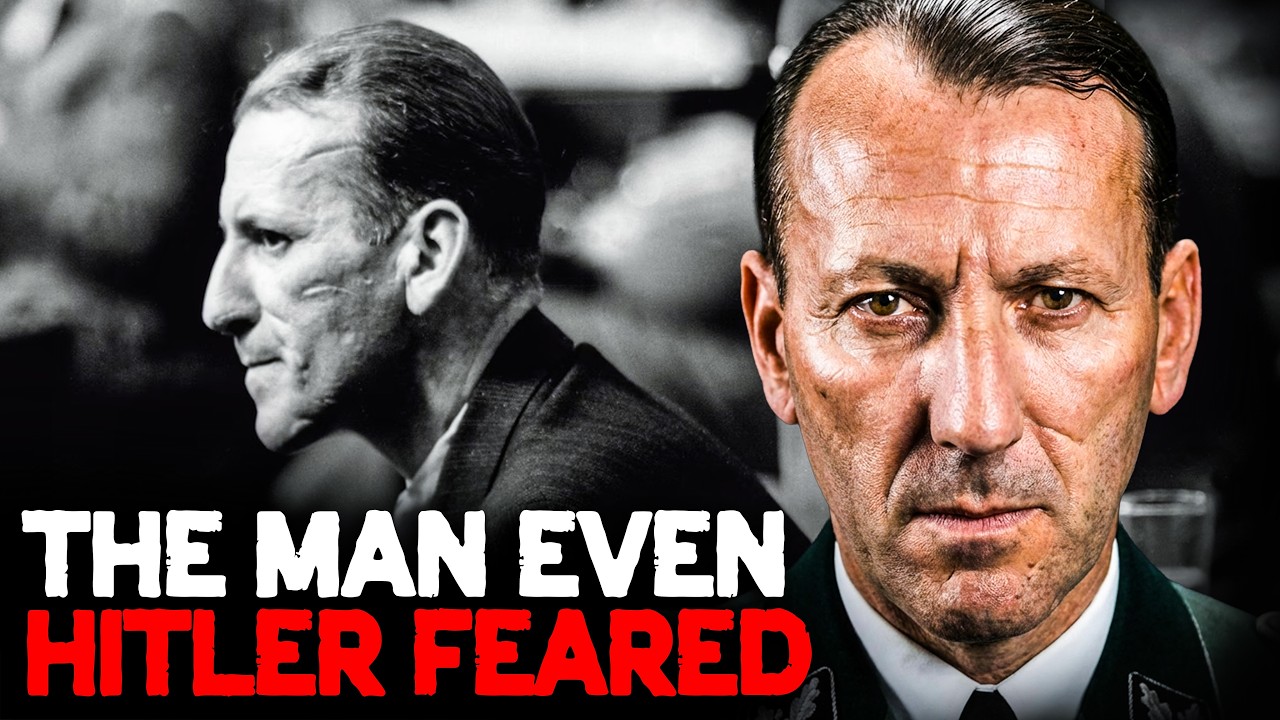
Kaltenbrunner was more of a consolidator and an implementer. He understood the value of what Heydrich had built and was determined to use it to the maximum possible extent, but he was less interested in bureaucratic innovation than in the practical application of terror. Where Heydrich had been calculating and strategic, Kaltenbrunner was more direct, more brutal in his approach, and more personally involved in the physical details of the violence.
His working style also differed from Heydrich's in another significant way. Kaltenbrunner was a heavy drinker, a trait that his colleagues and subordinates noticed from early in his tenure and that became more pronounced as the war went on. He consumed prodigious quantities of alcohol, particularly schnapps, and held his briefings with the characteristic bluntness of a man who had little patience for the niceties of bureaucratic procedure.
Several of his subordinates later testified at Nuremberg that Kaltenbrunner ran the RSHA with a combination of personal brutality and organized ruthlessness that made it, if anything, an even more effective instrument of terror than it had been under the more intellectually brilliant Heydrich. He did not need to be the smartest man in the room. What he provided was the will and the authority to ensure that the apparatus kept functioning, kept killing, and kept delivering the results that Himmler and Hitler demanded.
The Gestapo, Amt IV of the RSHA, was the centerpiece of Kaltenbrunner's terror empire. Under its chief, Heinrich Müller, known as Gestapo Müller, the Gestapo had grown into a vast surveillance organization with offices in every city and major town of the Reich and its occupied territories.
The Gestapo's methods were brutal and systematic. Suspects were arrested in the middle of the night, transported to the nearest Gestapo headquarters, and subjected to what the organization euphemistically called enhanced interrogation, meaning torture, carried out in the soundproof cells of police buildings across Europe.
The Gestapo relied heavily on informants, maintaining a vast network of ordinary citizens who reported on their neighbors, colleagues, and even family members. Historians have shown that the Gestapo was actually relatively small in terms of its professional staff, relying far more on the voluntary cooperation of the civilian population than on its own investigative capabilities.
What gave it its power was not sheer numbers, but the combination of legal impunity, the willingness to use torture, and the knowledge among the population that denunciation could mean death.
Under Kaltenbrunner, the Gestapo's operations against political enemies of the regime were intensified and broadened. Any sign of organized opposition to Nazi rule was met with the full force of the apparatus. The network of concentration camps overseen by the SS Totenkopfverbände received the Gestapo's prisoners in their thousands.
The special courts, operating under SS supervision, handed down death sentences with a frequency that increased through 1943 and 1944 as German military fortunes declined and the regime became increasingly paranoid about internal dissent. Under Kaltenbrunner's direct authority, the number of executions carried out in German prisons and concentration camps rose dramatically. The guillotine at Plötzensee Prison in Berlin was worked overtime in 1943 and 1944, and Kaltenbrunner received personal reports on the executions being carried out under his authority.
But it was in the implementation of the Final Solution that Kaltenbrunner's authority was most catastrophically exercised. The mass murder of European Jews had been initiated before he took over the RSHA, with the Einsatzgruppen operations in the Soviet Union beginning in June 1941 and the death camps of Operation Reinhard, Treblinka, Sobibor, and Belzec opening for operation in late 1941 and early 1942.
Auschwitz-Birkenau, the largest of the killing centers, had been expanded in 1942 to handle the mass deportations now being organized across all of occupied Europe. Kaltenbrunner inherited this machinery in full operation, and his role was not to create it but to sustain and extend it through the period when Germany's military decline was making the regime increasingly desperate to complete the genocide before the war was lost.
At the center of the bureaucratic management of the Final Solution within the RSHA was Amt IV B4, the section of the Gestapo specifically dedicated to the so-called Jewish question, headed by Adolf Eichmann. Eichmann was a middle-level SS bureaucrat who had developed a remarkable expertise in the logistics of Jewish deportation, having run the Central Office for Jewish Immigration in Vienna during Kaltenbrunner's tenure there.
Eichmann's expertise was organizational. He understood how to coordinate the enormous complexity of rounding up Jews across a dozen different countries, arranging transportation through the already strained German railway system, negotiating with local collaborators, and delivering the deportees to the camps with a minimum of delay and at maximum efficiency.
Under Kaltenbrunner, Eichmann continued to run Amt IV B4 with the same cold administrative competence, reporting to Kaltenbrunner through Gestapo chief Müller and receiving his instructions and authorizations through the same chain of command.
Documents produced at the Nuremberg trials demonstrated beyond any reasonable doubt that Kaltenbrunner was fully informed of the activities of Eichmann's section and that he personally authorized and approved the deportations organized from 1943 onwards. His signature appeared on hundreds of documents related to the management of Jewish populations across occupied Europe, and witnesses testified to his direct personal involvement in decisions about deportation, about the treatment of prisoners in the camps, and about the use of camp inmates for forced labor in German industry.
He was not a man who could claim ignorance of what was happening. He was the man who was making it happen.
The question of how many people died as a direct result of operations that Kaltenbrunner personally authorized is impossible to answer with precision, but the numbers involved in the deportation programs that operated under his authority between January 1943 and the end of the war in May 1945 run into the millions.
The great deportation of Hungarian Jews alone sent approximately 437,000 people to Auschwitz in the space of less than two months in the spring and early summer of 1944. The deportations from Greece, from Italy after the German occupation of September 1943, from the remaining Jewish communities of France and Belgium and the Netherlands, from Romania and Bulgaria and Slovakia, were all coordinated by Eichmann's office within Kaltenbrunner's RSHA.
The bureaucratic distance between the man who signed the orders and the gas chambers where the victims died was real, but it did nothing to diminish the moral or legal responsibility for what happened.
Kaltenbrunner was also personally involved in the management of the concentration camp system in ways that went beyond the routine administrative relationship between the RSHA and the camps. He visited concentration camps on multiple occasions, including visits to Mauthausen, the camp in his home region of Upper Austria that had been established under his earlier authority.
Witnesses testified at Nuremberg that Kaltenbrunner was present at Mauthausen during the demonstration of various execution methods, including gassing with carbon monoxide, and that he watched these demonstrations with the detached interest of a man inspecting an industrial process. Whether every detail of this testimony was accurate became a matter of contention at trial, but the broader pattern of his relationship with the camp system was clear. He was not a remote administrator who preferred not to know. He was a man who wanted to see the machinery working.
One of the most revealing episodes in Kaltenbrunner's tenure as RSHA chief concerned his attitude toward the prisoners held by the Gestapo during the latter stages of the war. As Germany's military situation deteriorated through 1943 and into 1944, the Gestapo's prisons were increasingly full of a mixed population that included not only Jews and political opponents of the regime, but also foreign nationals, prisoners of war held on dubious legal pretexts, resistance fighters, and various categories of people who had fallen foul of the Nazi security apparatus.
The question of what to do with these prisoners as the Allied armies advanced became increasingly urgent. In some cases, Kaltenbrunner's orders were to execute the prisoners before they could be liberated. In others, prisoners were evacuated in the appalling death marches that became one of the characteristic horrors of the final phase of the war, with thousands of concentration camp inmates forced to march through winter conditions without food or adequate clothing, dying by the thousands along the roads of a collapsing Reich.
The Sonderbehandlung order, which in the SS's characteristic use of bureaucratic euphemism meant special treatment, and which in practice meant execution without trial, was applied on Kaltenbrunner's authority to thousands of individuals throughout his tenure. Western Allied airmen shot down over Germany and suspected of being spies or saboteurs, Soviet prisoners of war in the special camps designated for officers and commissars, foreign workers who had engaged in acts of resistance or sabotage, captured members of resistance networks across occupied Europe: all of these categories of prisoner could be subjected to Sonderbehandlung at Kaltenbrunner's direction.
The documentation showing his personal signature on such orders was extensive enough to be essentially irrefutable at Nuremberg.
The SD, the Sicherheitsdienst, in its domestic arm under Walter Schellenberg's eventual control within the RSHA's Amt 6, provided another dimension of Kaltenbrunner's power. The SD was responsible for gathering intelligence both within Germany and abroad, and while its work was less immediately violent than the Gestapo's, it fed the terror machine with the intelligence that enabled the Gestapo to identify and arrest its victims.
The SD's reports on public opinion within Germany, compiled through an extensive network of informants and correspondents across the Reich, were among the most accurate sources of information about the actual state of German morale that the Nazi leadership possessed. Kaltenbrunner received these reports regularly and had a direct line to Himmler for the most significant findings.
Perhaps nowhere was the intersection of SD intelligence and Gestapo terror more dramatically illustrated than in the aftermath of the July 20, 1944, assassination attempt against Hitler. On that day, Colonel Claus von Stauffenberg placed a briefcase bomb under a conference table at the Wolf's Lair, Hitler's military headquarters in East Prussia. The bomb exploded, but Hitler survived, shielded by the heavy conference table from the worst of the blast.
The failure of the assassination triggered the most intensive and brutal wave of repression in the history of the Third Reich, and Kaltenbrunner was at the absolute center of it. Within hours of the failed assassination, he was in direct contact with Himmler and Hitler, directing the RSHA's response to what the Nazi leadership immediately and correctly identified as a wide-ranging conspiracy involving hundreds of senior military officers, diplomats, and civilian officials.
The Gestapo rounded up suspects with extraordinary speed. Thousands of people were arrested in the days and weeks following July 20, and the interrogations that followed were conducted with a brutality that went beyond even the Gestapo's normal standards. The conspirators were tried before the People's Court under the ferocious judge Roland Freisler, who subjected them to theatrical abuse and humiliation before pronouncing death sentences.
The executions were carried out by hanging from meat hooks with piano wire, and Hitler ordered them to be filmed so he could watch the recordings. Kaltenbrunner personally supervised aspects of the investigation and prosecution, and his reports to Hitler on the progress of the arrests and the information being extracted from the prisoners kept him in daily contact with the Führer throughout the critical weeks of the purge.
By the time the reprisals were complete, nearly 5,000 people had been executed in connection with the July 20 conspiracy, and the German military's capacity for any further organized resistance to Hitler had been effectively destroyed.
The year 1944 was the year of Hungary, and it was the Hungarian deportations that would provide some of the most damning documentary evidence against Kaltenbrunner at Nuremberg. Hungary had been a German ally since 1941, and its government had resisted German pressure to deport its Jewish population to the death camps.
Hungary's approximately 700,000 Jews, the largest surviving Jewish community in German-dominated Europe by 1944, had been subject to various forms of discrimination and persecution under Hungary's own anti-Semitic laws. But they had not been subjected to the systematic deportation and murder that had killed millions of Jews in Poland, the Soviet Union, and the other occupied territories.
Then, in March 1944, Germany occupied Hungary directly, deposing the government of Admiral Miklós Horthy and installing a puppet regime under Döme Sztójay. The invasion removed the last obstacle to the deportation of Hungarian Jews, and Eichmann's deportation teams, operating under Kaltenbrunner's overall authority, moved into Hungary with breathtaking speed.
The deportations began on May 15, 1944, and proceeded with a thoroughness and efficiency that was shocking even by the standards of the already appalling Final Solution. In less than eight weeks, between May 15 and July 9, 1944, approximately 437,000 Hungarian Jews were deported to Auschwitz-Birkenau.
The trains ran four times a day at peak operation, each carrying thousands of people in cattle cars without adequate food, water, or sanitation on journeys that lasted several days. The majority of those who arrived at Auschwitz were selected for immediate death in the gas chambers on the platform at Birkenau, with only a small proportion retained for forced labor.
The scale and speed of the Hungarian deportations pushed the killing machinery at Auschwitz to its absolute limit, and the crematoria were working around the clock to dispose of the bodies. The Sonderkommando, the Jewish prisoners forced to operate the gas chambers and crematoria, later testified to the extraordinary pressure under which they worked during this period, with bodies sometimes burning in open pits when the crematoria capacity was exceeded.
Kaltenbrunner's direct role in the Hungarian deportations was documented at Nuremberg through a combination of his own correspondence, the testimony of Eichmann's subordinates, and the records of meetings between Kaltenbrunner and Hungarian officials during the spring and summer of 1944. He met personally with Eichmann to discuss the progress of the deportations, and he received regular reports on the numbers deported.
When Horthy, under intense pressure from neutral governments and the International Red Cross, attempted to halt the deportations in July 1944, it was Kaltenbrunner who worked to circumvent his orders and continue the operation as long as possible. The deportations were finally stopped on July 9, primarily because of Horthy's personal intervention and international pressure, including a personal appeal from Pope Pius XII. But by that point, the majority of Hungary's provincial Jewish community had already been murdered.
The operations of the Einsatzgruppen, the mobile killing units of the RSHA that had operated in the occupied Soviet territories since the beginning of Operation Barbarossa in June 1941, also fell under Kaltenbrunner's authority as RSHA chief.
By the time he took over in January 1943, the peak of the Einsatzgruppen killings was past. The largest single massacre, the murder of approximately 33,771 Jews at Babi Yar outside Kiev on September 29 and 30, 1941, had occurred before his tenure, as had dozens of other mass shootings across Ukraine, Belarus, and the Baltic states that together had killed somewhere between 1.5 and 2 million Jews.
But the Einsatzgruppen continued to operate under his authority through 1943 and into 1944, pursuing the remaining Jewish communities in the occupied East, engaging in anti-partisan operations that frequently involved the mass murder of civilian populations, and conducting the general policy of racial and political terror that characterized German occupation in the East.
The Einsatzgruppen reports, meticulous tabulations of the number of people killed, organized by category, were compiled and distributed by the RSHA, and Kaltenbrunner received them throughout his tenure. They described, in the cold bureaucratic language of the SS, the systematic murder of hundreds of thousands of people. Kaltenbrunner knew exactly what they contained.
He also knew what was happening in the concentration camps that were under his authority through the RSHA's connection to the camp inspection apparatus. While the camps themselves were administratively under the SSWVHA under Oswald Pohl, the RSHA's Gestapo had jurisdiction over the political prisoners in the camps and received regular reports on conditions, deaths, and the overall management of the prisoner population.
Kaltenbrunner was not ignorant of the death rates in the camps, of the systematic use of starvation and overwork to kill prisoners, of the medical experiments conducted on camp inmates by SS doctors, of the gas chambers operating at Auschwitz and the other killing centers. He was embedded in the information flow of the camp system and shared responsibility for its operations.
The medical experiments conducted in the concentration camps deserve particular mention. At Auschwitz, the SS physician Josef Mengele, known as the Angel of Death, conducted experiments on prisoners, including the infamous experiments on twins, with a complete disregard for the suffering of his subjects. At Dachau, prisoners were subjected to experiments involving high-altitude and low-pressure conditions, hypothermia experiments conducted in ice water, and experiments with malaria and other infectious diseases. At Ravensbrück, female prisoners were subjected to surgical experiments designed to test bone and nerve grafting techniques.
These experiments were conducted with the knowledge and sometimes the active support of the SS medical hierarchy, and the results were sometimes shared with civilian researchers in German universities and research institutes. Kaltenbrunner, as a senior figure in the SS hierarchy with broad authority over the concentration camp prisoner population, was part of the system that permitted and facilitated these experiments, even if he did not personally direct them.
Throughout all of this, what was the internal life of Ernst Kaltenbrunner? The historical record gives a partial answer. He was not a man given to philosophical reflection or moral anguish. His correspondence is not marked by the tortured rationalizations that some other Nazi leaders employed to give their actions a veneer of ideological necessity.
He was, in the language later used to describe Adolf Eichmann, utterly banal in his approach to his work, treating mass murder with the same matter-of-fact professionalism that any bureaucrat might bring to any large administrative task. He drank heavily. He worked long hours. He enjoyed the perquisites of his senior status. And he carried out his duties with the thoroughness of a man who believed entirely in what he was doing.
He also had a private life that coexisted with his professional horror in the way characteristic of so many senior Nazis. His marriage to Elisabeth had been a stable, if not particularly warm, domestic arrangement. But during the war years he developed a long-term relationship with a mistress, Gisela von Westarp, a woman of aristocratic background with whom he fathered twin boys in 1945.
This relationship eventually led to his separation from Elisabeth, and it was with Gisela that he would spend the final weeks of the war. The banality of this domestic drama, the affairs and the children and the domestic rearrangements, set against the backdrop of the industrial murder over which he presided, is one of the most disturbing aspects of the Kaltenbrunner story.
His relationship with Himmler and Hitler during his years as RSHA chief was more complex than the simple image of a loyal subordinate might suggest. He was loyal to Himmler certainly, but there were areas of friction between the two men, and Kaltenbrunner was not above using his direct access to Hitler to advance his own position and agenda, sometimes in ways that bypassed Himmler and caused tension in their relationship.
He cultivated a direct reporting relationship with Hitler, regularly providing the Führer with personal briefings on intelligence matters and security operations. This access gave him a degree of independent influence that made him more than simply Himmler's instrument. By the latter stages of the war, Kaltenbrunner had become a figure of genuine independent power within the Nazi hierarchy, not merely an executor of others' decisions, but a genuine actor in his own right.
The specific organizational structure of the Gestapo, as it operated under Kaltenbrunner's ultimate authority, helps explain both its effectiveness as an instrument of terror and the complexity of assigning individual responsibility within a bureaucratic system of mass criminality.
The Gestapo was not a monolithic institution. It was a federation of regional offices, the Staatspolizeistellen or Stapos, located in the major cities of the Reich and the occupied territories, each with its own complement of professional investigators, clerical staff, and informant networks, each responsible to the central Gestapo apparatus in Berlin through a chain of command that in theory ran directly to Heinrich Müller and through him to Kaltenbrunner.
In practice, the regional offices exercised considerable discretion in their day-to-day operations, responding to local conditions and priorities while conforming to the broad policy directives that came from Berlin. The regional Gestapo offices maintained their own prisons, or more precisely their own holding facilities, known as Polizeigefängnisse, or police prisons, where suspects were held for interrogation before being transferred to the regular prison system or to concentration camps.
It was in these facilities, located in ordinary buildings in city centers across Europe, that the Gestapo conducted the interrogations that were its primary tool for extracting information and confessions. The methods used were not officially sanctioned as torture by the formal regulations of the German legal system, but the Gestapo had been granted what it called verschärfte Vernehmung, enhanced interrogation authority, which in practice meant the systematic use of physical and psychological abuse to break prisoners.
Sleep deprivation, beatings, stress positions, threats against family members, mock executions: all of these were standard tools of Gestapo interrogation, and they were used routinely against thousands of prisoners in facilities across the Reich and occupied Europe.
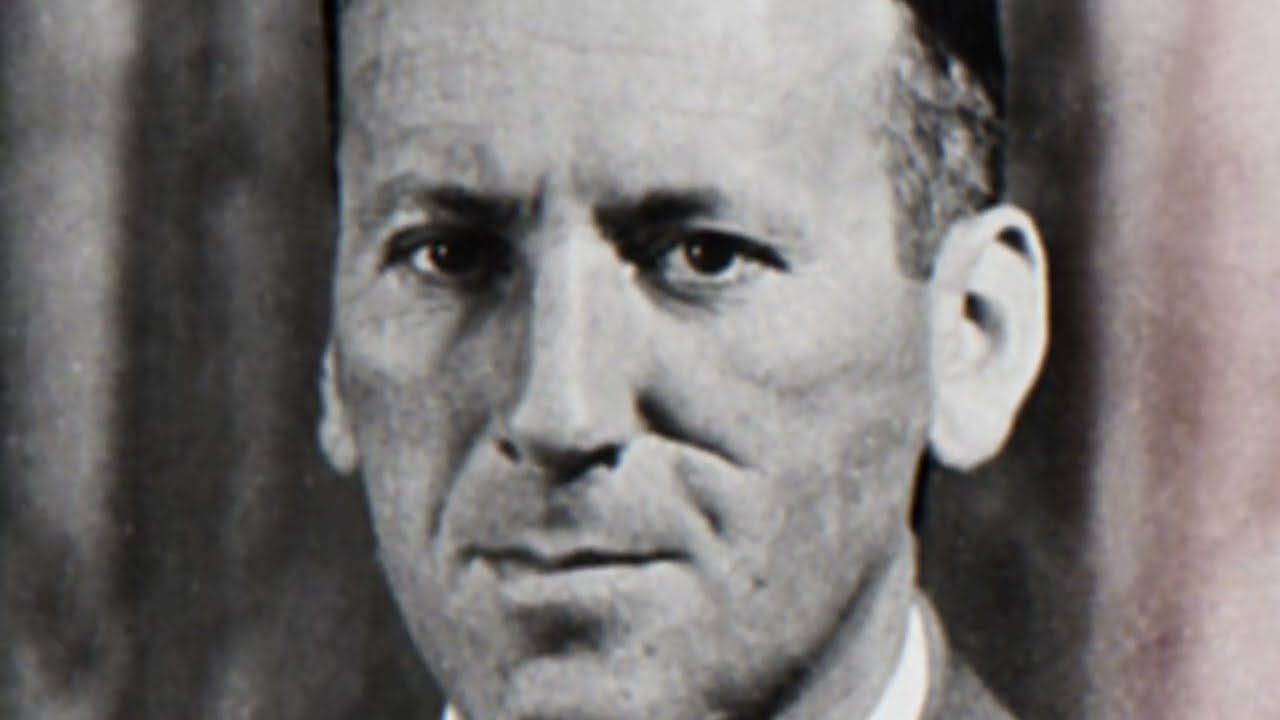
The relationship between the Gestapo and the general population of the Reich has been the subject of considerable historical debate. The traditional image of the Gestapo as an omnipresent surveillance organization that monitored every citizen's movements and conversations has been substantially revised by historians, particularly by Robert Gellately's work in the 1990s, which demonstrated that the Gestapo was actually quite thinly staffed and relied very heavily on voluntary denunciations from the general public for most of its investigative leads.
The Düsseldorf Gestapo office, for example, which was responsible for a city of approximately half a million people, employed fewer than 50 professional investigators. The Gestapo in Würzburg, covering a large rural region, had similarly small professional staff. These offices could not have maintained the surveillance of their populations through their own operational capacity.
What gave them their effectiveness was the willingness of ordinary citizens to report on their neighbors, colleagues, and family members for a bewildering variety of reasons: ideological commitment, personal grievances, competitive advantage, or simply the desire to avoid being reported themselves.
Kaltenbrunner was fully aware of this dynamic and used it deliberately. The RSHA's propaganda materials produced by the SD's domestic intelligence apparatus regularly emphasized the citizen's duty to report suspicious behavior to the appropriate authorities, and the regime's messaging made clear that failure to report known or suspected enemies of the state could itself become a criminal offense.
This created a climate of mutual suspicion that, even in the absence of a physically omnipresent surveillance apparatus, effectively prevented the kind of open discussion and organized opposition that might otherwise have developed as Germany's military situation deteriorated. The terror was real, but it was in significant part self-generating. The regime did not need an informant on every street corner when enough citizens were voluntarily performing that function.
The SD's domestic intelligence reports, which Kaltenbrunner received and which provided the basis for much of the intelligence he delivered to Hitler and Himmler, are themselves historically significant documents. Known as the Meldungen aus dem Reich, or Reports from the Reich, they compiled information from the SD's network of informants across Germany about the state of public morale, reactions to military news, attitudes toward various regime policies, and the overall psychological condition of the civilian population.
These reports were surprisingly candid. They reported accurately on growing war-weariness, on popular anxieties about Allied bombing and the progress of the war in the East, on criticisms of the party leadership and the management of the war effort. They provided the Nazi leadership with a genuine intelligence product about the mood of their own people.
One of the most operationally significant of the RSHA's activities under Kaltenbrunner was its management of the Sicherheitsdienst's foreign intelligence operations. Amt 6, the SD's foreign intelligence section, was headed from 1944 by Walter Schellenberg, a young and brilliant intelligence officer who had risen rapidly through the SS hierarchy and who was in many ways the antithesis of Kaltenbrunner in personal style: charming, cosmopolitan, politically sophisticated, and genuinely interested in the complex intelligence work that Kaltenbrunner found secondary to the direct application of terror.
Schellenberg maintained a network of agents across neutral and enemy countries, collected intelligence on Allied military preparations, attempted to cultivate sources within enemy governments, and ran a series of deception and infiltration operations against Allied intelligence services.
The relationship between Kaltenbrunner and Schellenberg was one of the more complex personal dynamics within the senior RSHA leadership. Schellenberg was aware that Kaltenbrunner did not fully trust him, and he was correct to sense this. Kaltenbrunner regarded Schellenberg's elaborate intelligence operations with a degree of skepticism, preferring the direct brutality of the Gestapo's methods to the subtleties of foreign intelligence work, and he was suspicious of the contacts that Schellenberg maintained with foreign nationals and neutral intermediaries.
For his part, Schellenberg was privately contemptuous of what he saw as Kaltenbrunner's crude approach to the complexities of intelligence work, and after the war he wrote a memoir that portrayed his former chief in unflattering terms.
One specific operation that illustrated both the scope of the RSHA's foreign intelligence activities and the tensions within the organization was Operation Bernhard, the large-scale counterfeiting operation in which concentration camp prisoners, primarily skilled Jewish craftsmen selected from various camps, were forced to produce forged British bank notes, American dollars, and other foreign currencies in a workshop set up within block 19 of the Sachsenhausen concentration camp.
The operation was intended both to generate foreign currency for SS operations and to destabilize the economies of enemy nations by flooding them with convincing forgeries. The technical execution was extraordinarily sophisticated. The Bank of England notes produced by the Sachsenhausen prisoners were of such high quality that many of them circulated for years after the war before being identified as forgeries.
The broader question of the RSHA's involvement in financial crimes and economic exploitation has received less attention in popular accounts than the directly murderous aspects of its activities, but it was economically significant. The confiscation of Jewish property organized through the RSHA's cooperation with financial authorities generated billions of Reichsmarks for the German state and for the SS.
The gold and jewelry and artworks and savings of murdered Jews passed through elaborate bureaucratic processes of confiscation and monetization that funded significant portions of the SS's operational expenses. The so-called Aktion Reinhard operations, the murder of the approximately 2 million Jews of occupied Poland, generated an enormous quantity of confiscated property that was processed, sorted, and redistributed through the RSHA-connected apparatus.
The gold teeth extracted from murdered Jews at Auschwitz and other camps were melted into gold bars and deposited with the Reichsbank. The clothing and personal belongings of the dead were sorted and redistributed to German civilians or sold through official channels.
Kaltenbrunner was aware of all of this. The financial exploitation of the victims was not incidental to the murder program. It was an integral part of the system, and the RSHA's role in coordinating the seizure and processing of victim property was one of the documented charges against Kaltenbrunner at Nuremberg.
The network of subcamps and satellite facilities that grew up around the major concentration camps during the war years also fell within the broader authority of the RSHA. By 1944, the Mauthausen concentration camp alone had nearly 50 subcamps scattered across the Austrian and Bavarian Alpine regions, each providing labor to local industrial enterprises.
The subcamps were typically located adjacent to quarries, factories, construction sites, or other facilities where the German war economy required large quantities of unfree labor. The working conditions were almost universally brutal: twelve-hour or longer shifts, inadequate food and clothing, accommodation in temporary barracks or underground facilities, and the constant threat of violence from the SS guards who oversaw the labor. Death rates in the subcamps were high, and the deaths were routinely attributed to accidents, heart failure, or escape attempts to avoid the paperwork associated with officially recognized executions.
The RSHA's role in the management of foreign workers, the millions of people from occupied countries who were brought to Germany as forced laborers under the direction of Fritz Sauckel's labor mobilization program, also intersected regularly with Kaltenbrunner's operations. Acts of resistance or sabotage by foreign workers were referred to the Gestapo, who handled them with characteristic brutality. Workers who were deemed insufficiently productive could be designated as asocial and transferred to concentration camps.
The Nacht und Nebel, or Night and Fog decree, originally issued by Hitler in December 1941 but implemented through the RSHA and the military judiciary, represents another significant operation that falls under the broader umbrella of Kaltenbrunner's authority. The decree provided a mechanism for the disappearance of political opponents and resistance fighters from the occupied territories of Western Europe, primarily France, Belgium, the Netherlands, and Norway.
Under this decree, selected prisoners were transferred from their original places of detention into Germany without notification to their families or their governments. Once within Germany, they simply vanished into the prison system. No information about their fate was provided to their families, who were left in a limbo of uncertainty that was itself a deliberate instrument of psychological terror. Hundreds of people disappeared under the Night and Fog decree, and many of them were eventually executed in German prisons.
In the occupied Soviet Union, the RSHA's operations went far beyond the work of the Einsatzgruppen. The security police also established a network of local collaborators, recruiting Soviet citizens who were willing to serve as informants, auxiliary police, or in the SD's regional offices. The management of this collaboration network was a complex operational challenge involving the constant assessment of the reliability of people who had their own complex motivations for working with the occupiers.
The Sonderkommando Dirlewanger, named after its notorious commander Oskar Dirlewanger, was a unit that operated under the broader authority of the SS anti-partisan apparatus and whose crimes in Poland, Ukraine, and Belarus were so extreme that they attracted criticism even from other SS officers. Dirlewanger's unit, composed largely of convicted criminals including murderers and rapists who were released from prison to serve in it, conducted anti-partisan operations with a ferocity that reduced entire villages to ash and murdered civilian populations wholesale.
The specific chain of command connecting Kaltenbrunner to Dirlewanger's worst excesses is complex and was contested at trial, but the broader pattern of his knowledge and implicit sanction of extreme violence in anti-partisan operations is well documented.
As the Allied armies closed in on Germany from east and west through 1944 and into 1945, the role of the RSHA and its chief underwent a significant transformation. The terror apparatus that had been built to suppress opposition and implement the racial policies of the regime now took on an additional function: maintaining the will to fight among a German population and military that was increasingly aware that the war was lost.
Kaltenbrunner's Gestapo was tasked not only with identifying spies and political opponents, but with enforcing a kind of compulsory optimism, hunting down anyone who expressed defeatist sentiment, predicted German defeat, or suggested that the war should be ended through negotiation.
The special courts and people's courts continued to function and indeed intensified their work in this period, executing thousands of German citizens, soldiers, and foreign workers for offenses that ranged from actual acts of resistance to remarks made in private conversation that had been reported by informants.
The flying courts-martial that operated in the final months of the war, sentencing deserters and alleged cowards to summary execution, were a manifestation of this last-gasp terror. Kaltenbrunner's RSHA worked in parallel with these military courts, providing intelligence about the identities of suspects, coordinating arrests, and ensuring that the execution orders were carried out with maximum speed and visibility. The bodies of those executed were sometimes left hanging from lampposts or trees with signs identifying their alleged crimes in a deliberate attempt to intimidate others into continued compliance.
One of the most significant and yet least understood aspects of Kaltenbrunner's activities in the final period of the war was his increasingly active engagement in what might be called diplomatic intelligence operations. Through the SD foreign intelligence service under Walter Schellenberg, Kaltenbrunner was aware of and involved in various secret contacts between Nazi representatives and Western Allied intelligence figures, most notably through the operations of SS Brigadeführer Karl Wolff in Italy and through Schellenberg's own contacts in neutral Sweden and Switzerland.
These contacts were driven by the increasingly desperate hope among some elements of the SS leadership that a separate peace with the Western Allies might be achievable, premised on the idea that the Western powers would eventually prefer a negotiated settlement with Germany to allowing Soviet power to expand across all of Central and Eastern Europe.
Kaltenbrunner's own relationship with these back-channel negotiations was characteristically ambiguous. He was simultaneously a fervent believer in the Nazi ideology that made any negotiated peace conceptually difficult, a loyal subordinate of Hitler who was ostensibly committed to the Führer's policy of fighting to the last, and a calculating political operator who understood that the war was lost and was at least partially aware that some kind of accommodation with the West might be the only path to his personal survival.
He was aware of Schellenberg's contacts with Swiss-based American intelligence figures, including Allen Dulles of the Office of Strategic Services, and he at various points both supported and undermined these contacts, depending on how they related to his own position and the shifting dynamics of the Nazi leadership.
The final weeks of Mauthausen's operation as a functioning concentration camp provide one of the darkest chapters in Kaltenbrunner's direct personal responsibility. In the spring of 1945, as the American army advanced from the West and it became clear that the camp would be liberated within days or weeks, the SS authorities at Mauthausen faced decisions about what to do with the tens of thousands of prisoners who remained alive.
The options were essentially three: allow the prisoners to be liberated, execute them to prevent their testimony about conditions in the camp, or attempt to march them away from the advancing armies. All three of these options were pursued to varying degrees at Mauthausen and its subcamps. Some prisoners were executed in the final weeks. Others were marched in the death marches that killed thousands through exhaustion, cold, and the bullets of SS guards who shot those who could no longer keep up. And some managed to survive until liberation.
On April 28, 1945, the last major mass execution at Mauthausen took place when 33 Dutch Secret Service agents who had been imprisoned in the camp were executed by shooting. This execution was carried out under orders that traced back through the RSHA to Kaltenbrunner himself. Within days of this final killing, Kaltenbrunner had fled the camp system that had operated under his authority, seeking refuge in the Austrian Alps as the Reich collapsed around him.
The broader sweep of what had happened under Kaltenbrunner's authority between January 1943 and May 1945 is staggering in scale. During this period, the RSHA under his direction processed the deportation and murder of hundreds of thousands of Hungarian Jews. The Einsatzgruppen operations in the East continued to kill. The concentration camp system expanded and continued to operate. The Gestapo arrested, interrogated, and sent to their deaths hundreds of thousands of political prisoners across occupied Europe.
The total number of people killed in operations for which Kaltenbrunner bore direct command responsibility is impossible to calculate with precision, but it certainly runs into the hundreds of thousands and may well exceed a million. This was the legacy that would follow him into the Nuremberg courtroom.
What makes Kaltenbrunner's story additionally significant from a historical perspective is the light it sheds on the specific mechanics of how the Holocaust was administered. The genocide of the European Jews was not carried out by a small group of fanatics operating outside the normal structures of the German state. It was implemented through the bureaucratic machinery of the German government through a series of carefully organized administrative processes involving dozens of agencies and hundreds of thousands of individual participants at every level.
Kaltenbrunner sat near the top of this administrative pyramid, and the documents that passed through his office provide historians with an extraordinarily detailed window into the mechanics of industrial mass murder.
Consider, for example, the correspondence relating to the so-called bullet decree, the Kugel Erlass of March 1944, which Kaltenbrunner personally signed. This decree ordered that recaptured escaped prisoners of war who were not British or American, primarily Soviet and Polish officers, were to be delivered to Mauthausen concentration camp and executed by shooting.
The decree was issued in response to the great escape from Stalag Luft III in March 1944, when 76 Royal Air Force officers escaped through a tunnel and 73 were recaptured. On Hitler's personal orders, 50 of those 73 were executed, an act that violated the Geneva Conventions protections for prisoners of war and that would later be the subject of its own war crimes prosecution. The bullet decree extended this policy of executing recaptured escaping prisoners to all non-Anglo-American prisoners, and it was implemented through Kaltenbrunner's RSHA. The documentation showing his signature on the implementing orders was among the most compelling evidence presented at his trial.
The RSHA also played a central role in the persecution and murder of specific other groups that the Nazi ideology had identified as enemies or subhumans. Roma and Sinti people were subjected to systematic persecution and deportation to the death camps, with the Zigeunerlager, the Roma camp at Auschwitz-Birkenau, housing thousands of prisoners who were eventually murdered in a series of mass killings.
People deemed mentally or physically disabled had been subjected to the T4 euthanasia program since 1939, and while this program was formally ended in August 1941 following protests from the Catholic Church, the killing of disabled people continued in modified form throughout the war.
Homosexual men were arrested by the Gestapo, sent to concentration camps, and subjected to brutal treatment including forced medical procedures supposedly designed to change their sexual orientation. Jehovah's Witnesses, who refused on religious grounds to serve in the German military or participate in Nazi rituals, were arrested and imprisoned. All of these persecutions were administered through the RSHA's apparatus, and all of them continued under Kaltenbrunner's authority.
The autumn of 1944 brought a development that had significant implications for Kaltenbrunner's position within the Nazi hierarchy. Growing evidence emerged that Himmler himself was engaging in unauthorized contacts with Allied representatives, driven by his own delusional conviction that the Western Allies would deal with him as a political interlocutor once Hitler was out of the picture.
Himmler's various back-channel contacts, which included negotiations through Count Bernadotte of Sweden in the final weeks of the war, were conducted without Hitler's knowledge and represented a fundamental betrayal of the Führer's stated position of fighting to the last. When these contacts became known to Hitler in late April 1945, it triggered his final explosion of rage against those who had betrayed him, and Himmler was dismissed from all his positions in the final days of the regime.
Kaltenbrunner's relationship with this development was complex. He was himself engaged in various efforts to explore what possibilities might exist for his own survival, but he was also among those who informed Hitler of Himmler's contacts, contributing to the Reichsführer SS's disgrace. This act of informing on his own superior was consistent with the political calculation that had characterized Kaltenbrunner's career. He identified where power lay and acted accordingly, even when that meant undermining those who had sponsored his rise.
In the final chaos of the regime, with Hitler raging in his Berlin bunker and the Soviet army fighting its way through the streets of the city, Kaltenbrunner was in Austria, nominally still holding his position as RSHA chief but with the organization disintegrating around him. He was not in Berlin for the final days.
He had received instructions to establish a final Alpine redoubt from which the Nazi regime would continue to fight, the mythological Alpenfestung that Allied intelligence had feared and that turned out to be largely a fantasy. Kaltenbrunner went through the motions of helping to organize this resistance, but it is clear that he knew the game was over and was primarily concerned with his own survival.
He dissolved his RSHA command structure in the final days, ordering the destruction of documents and the dispersal of his staff, and retreated with his mistress Gisela von Westarp into the Salzkammergut, the lake district of Upper Austria, where he planned to disappear into the mountains and wait for the storm to pass.
On May 7, 1945, Germany's unconditional surrender was formally signed, first at Reims and then ratified at Berlin. The war in Europe was over. The Nazi regime, which had promised a thousand-year Reich, had lasted twelve years. Hitler was dead by his own hand in the Berlin bunker. Himmler would swallow a cyanide capsule on May 23 after being captured by British soldiers near Lüneburg. Göring had surrendered to American forces.
Somewhere in the Austrian Alps, Ernst Kaltenbrunner was trying to become someone else. His plan was not particularly sophisticated. He took on the false identity of a Dr. Ernst Unterhuber, a physician, and retreated to a remote mountain hut in the Alps near Altaussee, a picturesque lake town in the Salzkammergut that had been used as a storage location for much of the art looted by the Nazis from across occupied Europe, including the contents of the Führer Museum that Hitler had planned to build in Linz.
He grew a beard. He stayed away from populated areas. He hoped that in the chaos of the immediate post-war period, when millions of displaced persons were moving across Europe and the Allied forces were overwhelmed with the task of processing prisoners and maintaining order, a single man could disappear.
He was wrong. The Allied forces were searching for senior Nazi officials with considerable determination, and the names of the top RSHA officials were at the top of every list. American Counter Intelligence Corps agents were working through their network of informants in the Austrian Alpine region, and Kaltenbrunner, despite his disguise and his remote location, was not as invisible as he had hoped.
On May 12, 1945, just five days after Germany's surrender, American CIC agents, acting on a tip, tracked down the mountain hut where Kaltenbrunner was hiding. They found him there with Gisela von Westarp and several other companions. He initially attempted to maintain his false identity as Dr. Unterhuber, but the identification was quickly broken. His enormous physical presence, his distinctive scarred face, and the documents found in the hut made any sustained deception impossible.
Ernst Kaltenbrunner, the highest-ranking surviving SS official, was under arrest. His capture was reported immediately to Allied Command, and he was transferred to the facilities where the most senior Nazi prisoners were being held, eventually being transported to Nuremberg, where the planning for the first and most important of the postwar trials was already well advanced.
The physical condition in which Kaltenbrunner was captured was notable. He had suffered what appeared to be a minor stroke or cerebrovascular incident during the final weeks of the war, and he complained of severe headaches and general ill health throughout the period immediately following his capture. Whether this was genuine or a calculated attempt to win sympathy and perhaps delay his prosecution was debated by the medical staff who examined him, but the general consensus was that his health complaints were at least partially real, a consequence of the enormous stress and physical privation of the final weeks combined with his chronic heavy drinking.
The historical record gives almost no window into his inner life at this moment. His written communications from the period immediately following his capture were brief and unrevealing. He did not, unlike some of his fellow prisoners, begin writing extensive memoirs or engage in the kind of philosophical reflection that might give historians insight into how he viewed his own actions. He was, to the end, a man who expressed himself through action rather than introspection.
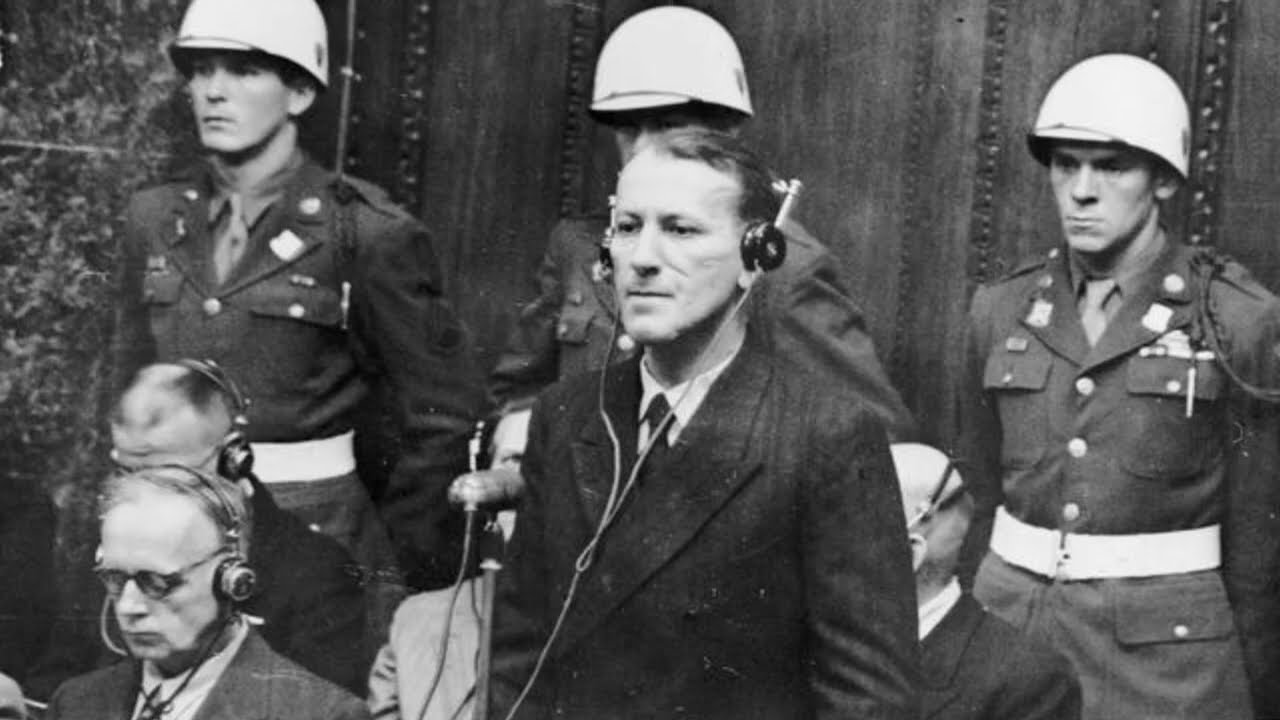
He was also, it quickly became clear, a man who was going to contest the charges against him with whatever legal weapons were available to him.
The trial at Nuremberg, which began on November 20, 1945, presented the major Nazi war criminals with a choice. They could acknowledge their guilt and plead for mercy. They could argue that they had been following orders and therefore bore no personal responsibility, the defense that would become immortally associated with the name of Adolf Eichmann in a later trial. Or they could contest the factual basis of the charges themselves, denying their own knowledge and involvement as thoroughly as possible.
Kaltenbrunner chose the third approach, and he pursued it with a doggedness that surprised some of the Allied prosecutors, who had expected the evidence against him to be so overwhelming that any serious defense would be impossible.
The International Military Tribunal at Nuremberg was one of the most ambitious legal proceedings in human history. Twenty-four of the most senior surviving leaders of the Nazi regime were indicted on four counts: conspiracy to wage aggressive war, crimes against peace, war crimes, and crimes against humanity.
The tribunal itself was a joint enterprise of the four major Allied powers, the United States, Great Britain, France, and the Soviet Union, and it was presided over by a panel of eight judges, two from each nation, with one judge and one alternate from each country. The chief prosecutors were Robert H. Jackson of the United States, Hartley Shawcross of Great Britain, François de Menthon and Auguste Champetier de Ribes of France, and Roman Rudenko of the Soviet Union.
Among the 21 defendants who were ultimately present for trial, Kaltenbrunner occupied a unique position. He was the highest-ranking SS officer in the dock, since Himmler, who ranked above him, had committed suicide in British custody in May 1945. He was also, in many ways, the defendant against whom the evidence of direct personal involvement in the administration of mass murder was most concentrated and most specific.
The other SS-related defendants, men like Wilhelm Frick, who had been Reich Minister of the Interior, or Hans Frank, the Governor-General of occupied Poland, could claim at least some bureaucratic distance from the actual killing machinery. Kaltenbrunner could not. He had run the organization that had done it.
His co-defendants at Nuremberg were a remarkable group of men who, between them, represented virtually every important aspect of the Nazi regime. Hermann Göring, the former Luftwaffe commander and self-styled second man of the Third Reich, dominated the proceedings with his intelligence, his bulk, and his theatrical alternation between grandiosity and calculated charm.
Rudolf Hess, Hitler's former deputy, sat in silent and apparently deranged isolation, claiming to have lost his memory. Joachim von Ribbentrop, the foreign minister who had helped negotiate the Nazi-Soviet Pact, was nervous and querulous. Wilhelm Keitel, the head of the Wehrmacht High Command, sat rigidly military in his bearing, even as the evidence against him mounted.
Alfred Jodl, his operational counterpart, was more intelligent and more inclined to challenge the prosecution. Albert Speer, the armaments minister, cultivated a pose of post-war repentance that won him a more favorable response from the tribunal than many of his co-defendants. Alfred Rosenberg, the ideological theorist of the party, seemed genuinely bewildered by the implications of the ideas he had spent his career promoting. Julius Streicher, the pornographic anti-Semite who had edited the virulently Jew-hating newspaper Der Stürmer, was regarded by his fellow defendants with contempt.
And then there was Kaltenbrunner, towering over many of the others physically, his scarred face impassive, his large hands folded on the defense table, listening through his headphones to the simultaneous translation of the proceedings with the contained attention of a man who understood that his life depended on every word. His defense counsel was Kurt Kauffmann, a German lawyer who faced the extraordinary challenge of defending a client against a mountain of documentary evidence and the testimony of dozens of witnesses.
The trial ran from November 20, 1945, to October 1, 1946, with Kaltenbrunner's individual examination and cross-examination taking place in the spring of 1946. The core of his defense was a systematic denial of knowledge and responsibility.
He claimed that he had been essentially an intelligence gatherer rather than an operational commander. His role, he insisted, was to compile and provide information to Hitler and Himmler, not to direct operations. The Gestapo's actions, the deportations organized by Eichmann's section, the operations of the Einsatzgruppen, the management of the concentration camps: all of these he claimed had been conducted by subordinates who operated with a degree of independence that meant he could not be held responsible for their actions.
He had signed documents, yes, but he claimed not to have understood their full implications in many cases. The orders had passed through his desk, but the initiative and the final authority had been with others.
The prosecution proceeded to demolish this defense with methodical precision. Document after document bearing Kaltenbrunner's signature was introduced into evidence, each one relating to some aspect of the mass murder or persecution over which the RSHA had presided. Letters ordering the execution of prisoners, reports on the progress of deportations, instructions about the treatment of particular categories of detainee, authorizations for the use of Sonderbehandlung.
The documents were so numerous and so specific that they made a mockery of Kaltenbrunner's claim to have been merely an information provider. No one who was merely gathering intelligence needed to personally sign orders for the execution of dozens of specific individuals.
Perhaps the most dramatic moment in Kaltenbrunner's trial came with the testimony of Friedrich Winkler, a former officer of the Austrian police who had served under Kaltenbrunner's command and who provided first-hand testimony about his superior's direct involvement in atrocities in Austria.
There was also the testimony of Rudolf Höss, the former commandant of Auschwitz, who had been captured and was providing extraordinarily detailed testimony about the operations of the death camp. Höss's testimony established the factual basis for what had happened at Auschwitz with a clinical precision that was devastating: the selections on the platform at Birkenau, the gas chambers capable of killing 2,000 people simultaneously, the crematoria, the Sonderkommando forced to drag bodies from the chambers and extract gold fillings from the teeth of the dead before loading them into the furnaces.
Höss himself would be tried separately before a Polish court and hanged at Auschwitz in April 1947, but his testimony at Nuremberg provided context for the mountains of documentary evidence that connected Kaltenbrunner to the killing machine.
The cross-examination of Kaltenbrunner by the American prosecutor John Harlan Amen was one of the most relentless and effective passages in the entire trial. Amen confronted Kaltenbrunner document by document, forcing him to either acknowledge his signature or claim that documents were forgeries.
Kaltenbrunner at various points attempted to argue that documents bearing his name had been signed by subordinates acting in his name without his knowledge, that certain documents had been altered or fabricated, and that his actual authority had been much more limited than the documentary record suggested. The tribunal found these arguments unpersuasive.
When Amen produced a letter signed by Kaltenbrunner ordering the execution of recaptured Allied prisoners of war in violation of the Geneva Convention, and Kaltenbrunner attempted to deny his own signature, the exchange became one of the defining moments of the trial, a confrontation between a mass murderer and the evidence of his crimes that left no room for ambiguity.
There was also a health crisis in the middle of the trial that temporarily removed Kaltenbrunner from the proceedings. In late November 1945, shortly after the trial began, he suffered what was described as a cerebral hemorrhage, a bleeding into the brain consistent with his history of hypertension and heavy drinking, that required his hospitalization. He was absent from the trial for several weeks while his fellow defendants proceeded without him, returning to the courtroom in early 1946 when his condition had stabilized sufficiently.
When Kaltenbrunner finally took the witness stand in his own defense in April 1946, he maintained his position of denial with a consistency that many observers found extraordinary in the face of the evidence. He acknowledged that he had been the head of the RSHA. He acknowledged that he had signed some documents. He maintained that his role had been primarily informational, that he had not directed operations, that he had not known the full extent of what was happening in the camps and under the other programs for which the RSHA bore responsibility.
He stated that he had opposed certain actions when he was aware of them, though he could provide no convincing documentation of such opposition. He portrayed himself as a loyal subordinate who had carried out his duties within the framework of the legal authority he had been given, not a criminal who had willfully organized murder. The tribunal was not persuaded.
On September 30 and October 1, 1946, the judges read out their verdicts. Of the 21 defendants present, three were acquitted: Hjalmar Schacht, the financier; Franz von Papen, the politician; and Hans Fritzsche, the radio propagandist. The remaining 18 were found guilty on various combinations of the four counts.
Kaltenbrunner was found guilty on counts three and four, war crimes and crimes against humanity. The tribunal's judgment on him was unambiguous. Kaltenbrunner was RSHA chief from January 1943 until the end of the war. He was directly responsible for an enormous number of murders, tortures, and other crimes.
The specific evidence cited in the judgment included his role in the Hungarian deportations, the bullet decree and the execution of escaped prisoners of war, his oversight of the concentration camp system, the operations of the Einsatzgruppen under his authority, and the general operation of the Gestapo and SD under his command.
The sentences were pronounced on October 1, 1946. Twelve of the defendants were sentenced to death by hanging: Hermann Göring, Joachim von Ribbentrop, Wilhelm Keitel, Alfred Rosenberg, Hans Frank, Wilhelm Frick, Julius Streicher, Fritz Sauckel, Alfred Jodl, Arthur Seyss-Inquart, Martin Bormann, who was sentenced in absentia, and Ernst Kaltenbrunner.
Three defendants received life sentences: Rudolf Hess, Walther Funk, and Erich Raeder. Baldur von Schirach received 20 years, Albert Speer 20 years, Konstantin von Neurath 15 years, and Karl Dönitz 10 years. The three acquitted defendants were released.
Kaltenbrunner received the sentence of death with the same controlled demeanor he had maintained throughout the proceedings. He was returned to his cell in the Nuremberg prison to await the execution, which was scheduled for October 16, 1946.
In the days that followed the sentencing, some of the defendants sought to make final statements, to write memoirs or letters, to find some way of placing their actions in a context that might be understood by posterity. Göring famously cheated the hangman by swallowing a cyanide capsule smuggled into his cell on the evening of October 15, dying before he could be executed. When the guards discovered his body the following morning, they found that they were one short for the scheduled executions.
The hangings began in the early hours of October 16, 1946, in the gymnasium of the Nuremberg prison. The executions were carried out by the American Army Master Sergeant John C. Woods, who had been selected for the task as an experienced military executioner. The proceedings were witnessed by a small group of Allied officials, journalists, and military representatives, and later described by those present as a grim and somewhat chaotic affair.
The gallows had been constructed hastily, and the drop calculations had not been optimally calibrated, with the result that several of the hangings did not result in the clean cervical fracture that was supposed to cause instantaneous death. Some of the condemned men died slowly by strangulation rather than quickly by hanging, and the accounts of witnesses described scenes of considerable physical suffering.
Ribbentrop was first. He ascended the gallows steps with the appearance of a man in a dream, making a brief final statement about his hope for peace between Germany and the Allied nations. Then came Keitel, who was emotional and shaken. Then Kaltenbrunner.
He walked to the gallows with a steadiness that observers described as remarkable, his large frame upright, his scarred face composed. When asked if he had any final words, he made a brief statement that was characteristically defiant and self-serving. He claimed that he had served the German people and had done his duty as a German officer. He expressed no remorse, no acknowledgement of the suffering he had caused, no recognition of the enormity of the crimes for which he was being executed.
He was hanged at 2:45 in the morning on October 16, 1946. He was 42 years old.
The question of Kaltenbrunner's place in the broader history of the Nazi regime has been debated by historians ever since. He is, in some ways, a paradoxical figure. He was among the most powerful and directly culpable of all the Nazi criminals, yet he has never achieved the infamy in popular historical memory that attaches to names like Himmler, Heydrich, or Eichmann.
This relative obscurity reflects several factors. He was not, like Heydrich, endowed with the kind of biographical drama and intellectual complexity that makes for a compelling historical narrative. He was not, like Eichmann, the subject of a celebrated trial that gave rise to profound philosophical reflections on the nature of evil and bureaucratic complicity. He was simply a brutal man who ran a brutal organization with cold efficiency, and the very banality of his approach to mass murder has made him somewhat harder to fit into the historical narratives that popular memory prefers.
But his significance cannot be overstated. The RSHA, under Kaltenbrunner's direction, was the organizational heart of the Holocaust and the Nazi terror more broadly. It was the RSHA's apparatus that identified, tracked, arrested, deported, and killed the victims of the regime.
It was Kaltenbrunner who held this apparatus together through the final period of the war, when Germany's military position was increasingly desperate and the temptation to shut down the killing machinery in order to save resources or improve Germany's diplomatic position was at its strongest. He did not shut it down. He kept it running until the very end, and thousands of people died in the final weeks and days of the war under the authority of a man who had already been effectively defeated in the field.
The story of Ernst Kaltenbrunner also raises profound questions about the nature of personal responsibility within bureaucratic systems of mass murder. He was not a monster in the cartoonish sense that popular culture sometimes depicts Nazi criminals. He was a lawyer, a husband, a father, a man who went to university and studied law and worked his way up through professional hierarchies with the same kind of ambition and calculation that drives careers in many fields.
The ideology that animated him, the racial anti-Semitism and the pan-German nationalism and the belief in the right of the strong to dominate the weak, was extreme in its conclusions but drew on a broad cultural tradition that had deep roots in European thought. The organizational capacity that he brought to the direction of mass murder was not qualitatively different from the organizational capacity that is applied in every large institution to the management of complex operations.
What made him a criminal of the first magnitude was not some exotic personal characteristic that set him apart from ordinary humanity. It was the combination of a brutal ideology fully embraced, a willingness to use violence as an instrument of policy without moral restraint, and the organizational position that gave his decisions the force of life and death over millions of people.
He made choices throughout his career, freely and repeatedly, that moved him in the direction of greater complicity in greater crimes. The joining of the SS in 1931, the underground work in Austria that helped prepare the ground for the Anschluss, the terror against Austrian Jews and political opponents after 1938, the acceptance of the RSHA command in 1943, the continuing operation of the deportation machinery in 1944 and 1945 even as the military situation made the genocide increasingly purposeless by any rational calculation. Each of these was a choice, and each took him deeper into the machinery of murder.
The broader context of the RSHA and its crimes also illuminates the historical debate about whether the Holocaust was primarily the result of a long-standing ideological plan on the part of Hitler and the Nazi leadership or whether it developed through a more contingent series of decisions and escalations driven by the specific circumstances of the war.
Kaltenbrunner's career actually supports both views in different ways. His personal ideology was clearly formed from his earliest adult years, and the anti-Semitism that drove his actions as RSHA chief was not something that developed late or in response to wartime conditions. It was present from the beginning. But the specific form that the Holocaust took, the industrial killing of millions through gas chambers and deportation trains, was the result of organizational decisions made in specific historical circumstances by specific individuals, and Kaltenbrunner was one of those individuals.
The legacy of the Nuremberg trial itself, including the trial of Kaltenbrunner and his co-defendants, has been the subject of extensive debate among international lawyers and historians. The defense arguments made by the defendants, particularly the claim that they were being tried under laws that did not exist at the time the crimes were committed, raised genuine questions about the legality of the proceedings that have never been entirely resolved.
The response of the prosecutors, that the crimes committed by the Nazi regime were so fundamental a violation of the universal principles of human dignity and justice that no positive law was required to justify their prosecution, established the foundation for what became the international legal framework of crimes against humanity and genocide that emerged from Nuremberg.
In this sense, the trial of Kaltenbrunner and his co-defendants was not merely the judgment of specific individuals. It was the establishment of a new legal order premised on the idea that certain crimes are so extreme that they transcend the normal boundaries of national jurisdiction and demand accountability before an international tribunal.
The physical evidence of the crimes for which Kaltenbrunner was executed has never been entirely erased. Mauthausen, the concentration camp that was established under his authority and operated in his backyard, now functions as a memorial and museum. The stairs of death, those 186 steps up which prisoners were forced to carry granite blocks, still stand. The gas chambers and the crematoria are preserved as monuments to what happened there. Hundreds of thousands of tourists visit each year, many of them Austrian schoolchildren for whom a visit to Mauthausen is part of their civic education.
The salt mines near Altaussee, where thousands of works of looted art were stored and where Kaltenbrunner spent his final days as a free man, have also been the subject of historical investigation and commemoration. His personal archive was largely destroyed in the final days of the war when he ordered the burning of RSHA documents as the American armies approached, but enough survived in filing cabinets that were not reached in time, in copies held at other locations, and in the memories of surviving witnesses to provide the basis for the historical record that now exists.
The trials of his subordinates, which continued for years after the main Nuremberg proceedings, added additional dimensions to the picture. The Einsatzgruppen Trial held by an American military tribunal at Nuremberg from September 1947 to April 1948 tried the commanders of the mobile killing units that had operated in the Soviet Union and established the responsibility of the RSHA hierarchy for their crimes. The subsequent Nuremberg proceedings, including the High Command Trial and the Ministries Trial, filled in additional details of the broader system of which Kaltenbrunner's RSHA had been the central instrument.
His children from his marriage to Elisabeth grew up in post-war Austria carrying a name that was infamous throughout Europe. His twin sons with Gisela von Westarp, born in the final months of the war, grew up knowing that their father had been hanged as a war criminal at the age of 42. The consequences of Kaltenbrunner's choices extended far beyond the millions of direct victims of the regime he helped to run. They extended to his own children, to the communities that had to live in the aftermath of the crimes, and to the broader question of how an entire society comes to terms with the discovery of what it has done and what it has allowed to be done in its name.
Austria's relationship with its Nazi past has been complicated by the post-war mythology of Austria as Hitler's first victim, occupied against its will by German forces, which obscured the enthusiastic participation of many Austrians in the Nazi regime and in the Holocaust. Kaltenbrunner, Austrian-born and bred, who had built his career in the Austrian SS and who had presided over the post-Anschluss terror in his home country before rising to lead the RSHA, was an inconvenient reminder of Austrian complicity that did not fit well into the victim narrative.
It was not until the 1980s and the controversy surrounding Kurt Waldheim, the former UN Secretary-General and Austrian presidential candidate whose wartime service in the German army became a major international scandal, that Austria began to undertake a more honest reckoning with its Nazi past. That reckoning is still ongoing.
The broader question of what the Kaltenbrunner story tells us about the capacity for evil within ordinary social and political institutions is perhaps the most disturbing dimension of his legacy. He was not a madman, not in any clinically meaningful sense. He was not driven by the kind of psychotic compulsion that popular culture sometimes attributes to mass killers. He was an ideologically committed, organizationally capable, personally brutal man who rose through a criminal system to its apex and used the power he achieved there to implement policies of extermination with cold efficiency.
The system that produced him, that rewarded his particular combination of brutality and organizational loyalty, that gave him the opportunity to translate his ideology into action on a mass scale, was a political and social system that had been created by human beings making human choices.
When the Allied prosecutors at Nuremberg asked the question of how civilized Germany had descended into the particular barbarism of the Nazi period, they were asking a question that remains unanswered in any complete sense. The specific mechanisms through which an educated, cultured, economically sophisticated nation committed genocide have been studied by historians, psychologists, sociologists, political scientists, and philosophers for eight decades, and the resulting literature is vast.
But the figure of Kaltenbrunner, the lawyer's son from Ried im Innkreis who died on a gallows in Nuremberg at the age of 42, having personally directed the murder of hundreds of thousands of people and been part of the system that killed millions more, stands as a concrete reminder that the question is not merely academic. It concerns the fundamental capacity of human beings for self-deception, for moral disengagement, for the transformation of ideology into action, and for willing participation in systems that commit crimes on a scale that challenges the capacity of ordinary imagination to comprehend.
He had started as a provincial lawyer's son with political convictions and professional ambitions. He had ended as one of the worst criminals in recorded history, hanging on a gallows in an occupied German city in the small hours of an autumn morning, having left behind him a record of death and terror that will never be forgotten as long as there are people who study the history of the twentieth century's most terrible years.
His story is a warning and an education, and it is one that the world continues at its peril to need.