The persecution of Europe's Jews under Adolf Hitler remains one of the most consequential questions in human history. It is a story rooted in centuries of European history, in the psychology of a bitter man, and in the fertile soil of post-war humiliation, economic despair, and political chaos. It is a story about ideology and hatred, but also about fear, propaganda, scapegoating, pseudoscience, political opportunism, and the fragility of civilized society when its institutions are captured by extremism.
To understand why Hitler persecuted the Jews, one cannot simply start with Hitler himself. He did not invent antisemitism. He inherited it, sharpened it, industrialized it, and gave it the full power of a modern state. The raw material was already there, centuries old, embedded in the culture, religion, and political folklore of European society.
Antisemitism took its most enduring and deadly forms in the Christian European world of the medieval period. For much of the Middle Ages, Jews across Europe lived as a legally distinct and marginalized group. They were frequently barred from owning land, excluded from guilds and many professions, and forced to live in designated areas known as ghettos. In many regions, they were compelled to wear distinctive clothing or badges.
The theological basis for medieval Christian antisemitism was the accusation of deicide, the charge that the Jewish people bore collective responsibility for the death of Jesus Christ. This hostility generated centuries of preaching, art, literature, and popular culture that portrayed Jews in demonic terms. The so-called blood libel, the false claim that Jews murdered Christian children for ritual use, emerged in 12th century England and spread across the continent, triggering massacres, expulsions, and executions for centuries.
Jews were also blamed for the Black Death and accused of poisoning wells. In 1348 and 1349, as the plague ravaged the continent, entire Jewish communities were wiped out in retaliatory massacres from Spain to Poland. These events reflected a deeply embedded cultural prejudice that existed at every level of European society.
The Protestant Reformation of the 16th century did not improve matters. Martin Luther began his religious career with some moderate statements about Jewish people but ended it writing some of the most virulently antisemitic texts in the German language. In 1543, Luther published a pamphlet titled On the Jews and Their Lies, which called for the burning of synagogues, the destruction of Jewish homes, the confiscation of Jewish religious books, and the prohibition of rabbinical teaching. This document would be cited enthusiastically by Nazi propagandists four centuries later.
By the 18th and 19th centuries, the nature of antisemitism began to shift. The Enlightenment and its aftermath brought formal legal emancipation to Jewish communities across much of Western Europe. The French Revolution declared Jews to be citizens with equal rights in 1791, and emancipation spread through the German states, Austria, and eventually most of Europe. For the first time in centuries, Jewish people could participate fully in public life, attend universities, enter professions, and rise in economic and cultural standing.
In many cases, they did so spectacularly, becoming prominent in medicine, law, journalism, banking, the arts, and academia. This rapid rise in visibility and influence, far from reducing antisemitism, paradoxically intensified it among those who resented the change. The 19th century saw the emergence of what scholars call racial antisemitism, a new and more dangerous form of the old hatred.
Where medieval Christian antisemitism had been primarily theological, racial antisemitism argued that Jewishness was a biological condition, an inherited racial characteristic that could not be changed even by conversion to Christianity. This new ideology drew on pseudoscientific theories of race that proliferated in 19th century Europe, themselves entangled with the misapplication of Charles Darwin's theories of natural selection to human societies in a movement known as social Darwinism.
Thinkers like the Frenchman Arthur de Gobineau and the German-British writer Houston Stewart Chamberlain argued that history was fundamentally a story of racial conflict. They claimed the so-called Aryan race was locked in an eternal struggle for survival against what they characterized as corrupting inferior races, with the Jews at the top of the list of enemies. This racial theory dressed up ancient hatreds in the language of science, biology, and national destiny. Because Jewishness was now defined as racial rather than religious, the age-old escape route of conversion was no longer available.
This was the intellectual environment into which Adolf Hitler was born on April 20, 1889, in the small Austrian town of Braunau am Inn. He was the fourth of six children born to Alois Hitler, a mid-ranking customs official, and his wife Klara. Alois was a stern, domineering figure who harbored ambitions for his son's future in the civil service. Hitler resisted these plans intensely, dreaming instead of becoming an artist.
The clash between father and son was bitter and unresolved when Alois died suddenly in January 1903. Hitler was 13 years old. His mother Klara, whom he adored with an intensity that bordered on the pathological, died of breast cancer in December 1907 at the age of 47. Her death devastated Hitler, and he carried a photograph of her with him until the day he died. By several accounts, the Jewish doctor who had treated her, Eduard Bloch, went out of his way to provide care that Klara could not afford, and Hitler thanked him personally.
Hitler's radicalization into antisemitism did not happen overnight. It appears to have accelerated significantly during his years in Vienna. He arrived there in 1907 hoping to be admitted to the Academy of Fine Arts, which he believed was his true calling. He was rejected twice, in 1907 and again in 1908, a humiliation that he never fully recovered from psychologically.
With his mother dead, his artistic dreams crushed, and no profession to fall back on, Hitler spent the years between roughly 1908 and 1913 drifting in Vienna, living in homeless shelters and cheap hostels, surviving on the occasional sale of watercolor paintings and postcards. These were years of profound failure, poverty, and resentment, and also years of intense political self-education.
Vienna in the early 20th century was a boiling cauldron of nationalist, racial, and political ideologies. It was also a city with a large and highly visible Jewish population. The mayor at the time was Karl Lueger, a charismatic and enormously popular politician who had built his career on a platform of Christian social populism and virulent antisemitism. Hitler attended Lueger's public speeches and was deeply impressed by his political style and his skillful use of antisemitic rhetoric as a political mobilizing tool. Hitler would later describe Lueger as the greatest German mayor of all time.
Hitler also immersed himself in the antisemitic press and pamphlet literature that circulated freely in Vienna. Publications like the Ostara pamphlets promoted a bizarre mixture of racial theory, occultism, and antisemitism that portrayed history as a cosmic struggle between the heroic Aryan master race and a coalition of inferior races led by the Jews. By the time he left Vienna for Munich in May 1913, Hitler was already developing the core elements of the worldview he would later expound in Mein Kampf.
Historians have long debated whether Hitler's antisemitism was sincere or primarily a cynical political tool. The evidence strongly suggests it was both. His private conversations, diaries, and table talk reflect a consistent and obsessive hatred of Jewish people that goes far beyond what would be necessary for political calculation. At the same time, Hitler was a supremely calculating politician who understood precisely how antisemitism could function as a mobilizing tool and a scapegoat mechanism. The two dimensions reinforced each other.
To fully understand Hitler's antisemitism, one must also understand the catastrophic context of Germany's defeat in World War I. Germany's collapse in November 1918 was genuinely traumatic for millions of German citizens, particularly for soldiers who could not understand how a war fought to a stalemate on foreign soil had ended in such sudden and humiliating defeat. Within days of the armistice, the German military establishment began promoting what would become known as the Dolchstoßlegende, or stab-in-the-back myth.
The claim was that Germany had not been defeated on the battlefield but had been betrayed from within by socialists, communists, defeatists, and Jews. This myth had essentially no basis in historical reality. Germany lost the war because it ran out of men and resources in the face of an alliance that included the enormous industrial capacity of the United States. But the myth was politically convenient and psychologically satisfying, and it spread like wildfire through German nationalist circles.
The stab-in-the-back myth was catastrophic because it prevented Germany from honestly reckoning with the reasons for its defeat and instead directed the desire for revenge inward against internal enemies. In the conspiratorial worldview of the far right, those internal enemies were always ultimately traceable to one source: the Jews. Never mind that over 100,000 Jewish soldiers had served in the German army and 12,000 had died for their country. In the paranoid logic of the narrative, the visible success of Jewish people in journalism, banking, and trade was reframed as evidence of sinister manipulation.
Hitler absorbed this mythology completely and made it central to his political message. When he joined the tiny German Workers Party in Munich in 1919, soon to be renamed the National Socialist German Workers Party, or NSDAP, he found a political home that shared his obsessions. His speaking ability was genuinely extraordinary. Those who heard him in the beer halls of Munich in the early 1920s described being swept up in the emotional force of his delivery. The target of his anger in speech after speech was always the same: the Jews, portrayed as the invisible hand behind Germany's defeat, the Weimar Republic's weak democracy, the hyperinflation, the unemployment, and the humiliation of the Treaty of Versailles.
It was in this period between 1919 and 1923 that Hitler first attracted serious national attention, culminating in the disastrously misconceived Beer Hall Putsch of November 1923. The putsch failed completely. Sixteen Nazis and four police officers were killed in the confrontation at the Feldherrnhalle. Hitler was arrested, tried for treason, and sentenced to five years in Landsberg prison. He would serve only nine months before being released, but his time in prison proved unexpectedly productive.
With the help of his devoted deputy Rudolf Hess, Hitler dictated what would become Mein Kampf, a rambling, repetitive, and deeply revealing combination of autobiography, political manifesto, and paranoid racial fantasy. In it, he lays out his ideology in his own words with a clarity that leaves no room for doubt about his intentions. Hitler believed that history was fundamentally a struggle between races and that the German people faced an existential threat from what he described as the Jewish race.
He portrayed the Jews not merely as a foreign people or a different religion but as a parasitic entity, a biological threat to the racial purity and vitality of the Aryan host. He wrote that the Aryan is the Prometheus of mankind and that the preservation of Aryan blood was humanity's highest obligation. He was explicit that the removal of Jewish influence from German life was not merely a political preference but a biological necessity for the survival of civilization itself.
The racial theory in Mein Kampf was pseudoscience dressed in the language of respected academic disciplines. Hitler drew on the eugenics movement, which had been gaining academic and political respectability in Europe and America since the late 19th century. He drew on the social Darwinist tradition that applied Darwin's concept of natural selection to human societies. He drew on the work of racial theorists like Hans F. K. Günther, whose 1922 book Racial Typology of the German People provided a supposedly scientific framework for racial classification.
The ideology had several interlocking components. The first was the concept of racial purity. The second was the conspiracy theory of a unified, globally coordinated Jewish conspiracy working to undermine Aryan civilization from within. The third was the existential framing that transformed persecution from a choice into a necessity. If Jews were not merely different but actually dangerous, then eliminating their influence was not oppression but self-defense. The fourth component was Lebensraum, or living space, the idea that Germany needed to expand eastward into Eastern Europe and the Soviet Union.
This ideological framework came with Hitler when he finally achieved power on January 30, 1933, when President Paul von Hindenburg appointed him chancellor of Germany. The first phase of Nazi persecution, roughly from 1933 to 1935, was characterized by legal and economic measures designed to exclude Jewish people from German public life. The very first national action came just two months after Hitler took power.
On April 1, 1933, the Nazi party organized a nationwide boycott of Jewish-owned businesses, calling on Germans to refuse to patronize Jewish shops, doctors, lawyers, and other professionals. Stormtroopers stood outside Jewish businesses with signs reading "Kauft nicht bei Juden," or "Do not buy from Jews," and photographed those who ignored the boycott. The boycott was only partially successful commercially, but it served an important psychological and political function. It made antisemitism a public collective act and normalized the idea of treating Jews as a separate and hostile group.
Just one week later, on April 7, 1933, the Nazi government passed the Law for the Restoration of the Professional Civil Service, which provided the legal basis for dismissing Jews and political opponents from government jobs. This law was quickly followed by a series of similar measures. Jewish lawyers were disbarred. Jewish journalists were fired. Jewish professors were removed from their university positions. Jewish doctors were expelled from the national health insurance system.
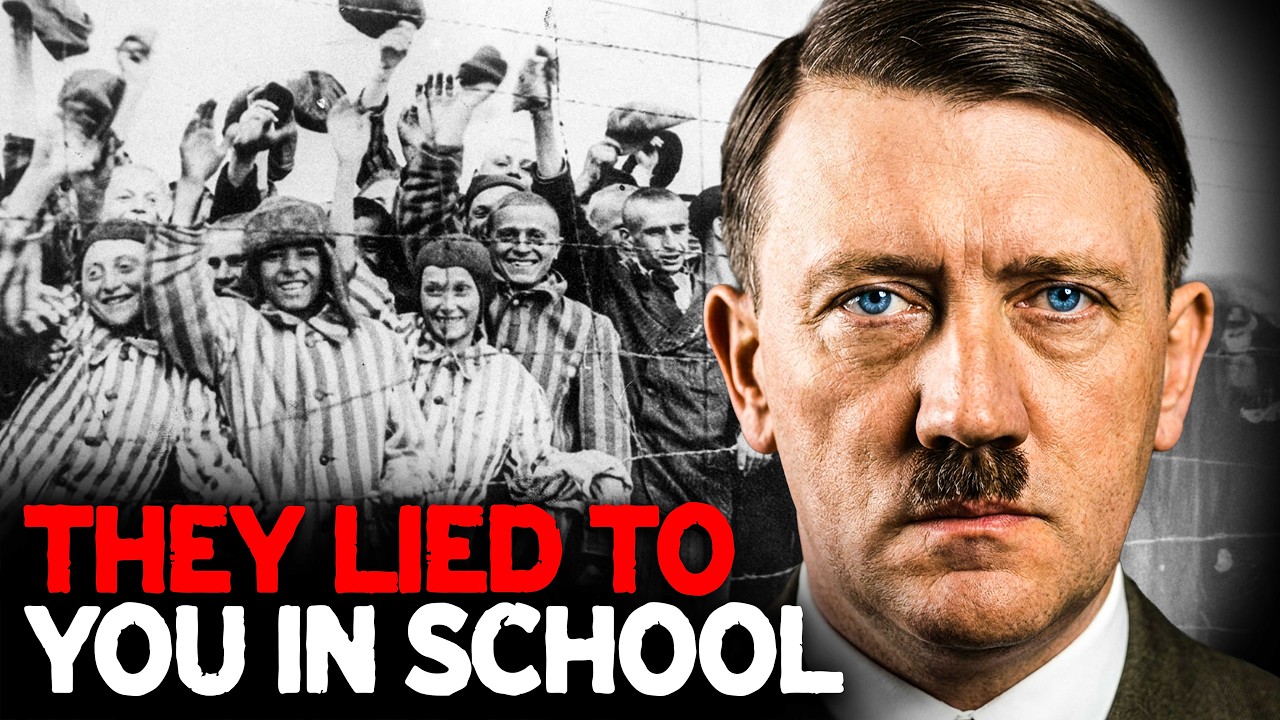
These measures affected hundreds of thousands of people. Between 1933 and 1938, approximately 150,000 Jews left Germany, roughly a quarter of the pre-Nazi German Jewish population of around 525,000. Those who stayed often did so out of deep attachment to their German identity and a belief that things could not possibly get worse. They were profoundly wrong.
The year 1935 marked a significant escalation with the promulgation of the Nuremberg Laws, announced by Hitler at the annual Nazi party rally in September of that year. The laws formalized the exclusion of Jews from German citizenship and prohibited marriage and sexual relations between Jews and non-Jewish Germans. The Reich Citizenship Law created two categories of people: Reich citizens of German or related blood, and subjects, a lesser category that included Jews. Only Reich citizens had full political rights.
The Law for the Protection of German Blood and German Honor prohibited marriages and extramarital relations between Jews and non-Jewish Germans, prohibited Jews from employing German women under 45 in their homes, and prohibited Jews from displaying the German flag. A supplementary decree issued in November 1935 defined who exactly was a Jew for legal purposes, establishing a complex classification system based on the number of Jewish grandparents a person had.
The Nuremberg Laws encoded racial antisemitism into German law. They transformed Jews from citizens into a legally inferior caste and drew a hard biological boundary around the Jewish community. For the tens of thousands of Germans who had converted from Judaism generations earlier, or who had only one Jewish grandparent, the laws were a brutal and disorienting shock. Suddenly, they were defined not by their beliefs or their service to Germany, but by their blood.
The persecution did not proceed according to a fixed pre-planned blueprint. The Nazis were improvising to a significant degree, responding to internal party pressures, public reactions, international criticism, and economic realities. The radical wing of the movement, represented by figures like Julius Streicher and the SA Brown Shirts, constantly pushed for faster and more extreme measures. The more cautious wing, represented by figures in the economic establishment, pushed for moderation. Hitler navigated between these pressures, using the most radical elements to continuously ratchet up the pressure while maintaining just enough control to prevent international boycotts from seriously damaging Germany's rearmament program.
Throughout this period, the propaganda machine built by Joseph Goebbels was working continuously to reshape the consciousness of ordinary Germans. Goebbels controlled the radio, the press, the cinema, the theater, and the visual arts. Films like Der Ewige Jude, released in 1940, presented grotesquely dehumanizing caricatures of Jewish people, comparing them to rats and insects. Children's books like Der Giftpilz, or The Poisonous Mushroom, taught young Germans that Jews were dangerous and evil. School curricula were redesigned to incorporate racial theory and antisemitism as fundamental subjects.
The effect of this sustained propaganda campaign was complex. Some Germans were true believers. Others were passive conformists who went along with the persecution because resistance was dangerous and the benefits of compliance were tangible. A smaller minority resisted, hid Jewish neighbors, or helped people escape. But the overall effect was to create a society in which antisemitism was normalized and in which the psychological distance necessary for ordinary people to participate in or tolerate mass murder was steadily constructed.
The year 1938 brought the first major explosion of organized violence against Jews in Germany and Austria, which had been annexed by Germany in the Anschluss of March 1938. The pretext was the assassination of a German diplomat in Paris. On the night of November 9 and 10, 1938, Nazi stormtroopers and ordinary civilians attacked Jewish communities across Germany and Austria. Synagogues were burned, Jewish businesses were smashed and looted, and Jewish homes were broken into.
Around 100 Jewish people were killed in the immediate violence, though the actual number was probably higher. Around 30,000 Jewish men were arrested and sent to concentration camps, primarily Dachau, Sachsenhausen, and Buchenwald, where they were subjected to brutal treatment and released only on condition that they agreed to immigrate and surrender their property. The streets were littered with broken glass from shattered shop windows, which gave the event its name: Kristallnacht, the Night of Broken Glass.
Kristallnacht was a watershed. It demonstrated that the Nazi regime was willing to use large-scale organized violence against Jewish people, not just legal and economic discrimination. It created a financial windfall for the Nazi state because the Jewish community was fined 1 billion Reichsmarks, supposedly to pay for the damage, while any insurance money paid out to Jewish property owners was confiscated by the state. In the 12 months following the pogrom, over 100,000 Jews left Germany and Austria. But the window for escape was rapidly narrowing.
The question of why ordinary Germans participated in or tolerated the persecution of their Jewish neighbors has occupied historians for decades. The political scientist Hannah Arendt, herself a Jewish refugee from Germany, coined the phrase "the banality of evil" to describe the phenomenon by which ordinary people can commit or facilitate extraordinary horrors, not through malice or fanaticism, but through bureaucratic routine, careerism, and the abdication of moral judgment.
The historian Christopher Browning, in his 1992 study Ordinary Men, examined the case of Reserve Police Battalion 101, a unit of middle-aged German policemen ordered to shoot Jewish civilians in Poland in 1942. These were not fanatical SS ideologues. Their commanding officer explicitly gave them the option to opt out of the killing. Only a handful did. The vast majority went along with the murders in part because of group conformity, peer pressure, and what Browning calls the normalization of extreme behavior through its repetition.
These findings do not excuse what happened. They explain it. And the explanation is more disturbing in some ways than the idea of a nation uniquely possessed by evil, because it suggests that what happened in Germany could under the right conditions happen elsewhere. The conditions that enabled the Holocaust were built over years of deliberate political effort: the dismantling of democratic institutions, the elimination of press freedom, the use of propaganda to dehumanize a target group, the creation of legal frameworks that normalize discrimination, and the incremental escalation of persecution.
The evidence strongly suggests that Hitler was not simply a cynical opportunist who used antisemitism as a political tool while remaining personally indifferent to it. The testimony of those who knew him well, the documentary record of his private statements, and the pattern of his decision-making all point to an antisemitism that was genuinely and obsessively felt. Hermann Rauschning, a Nazi official who broke with the party, quoted Hitler as saying that if the Jew did not exist, we would have to invent him. In context, this suggests the reasoning of someone who believes so completely in a conspiracy that he feels its discovery and destruction is his historical mission.
The evidence for Hitler's sincere antisemitism is also found in the timing and costs of his decisions. As Germany began losing the war in late 1942 and early 1943, the resources devoted to the extermination of the Jews were maintained and in some cases intensified even when military considerations clearly argued for redeploying them elsewhere. In Hungary in 1944, when the Wehrmacht desperately needed every available train to resist the Soviet advance, Hitler insisted on using the Hungarian rail network to transport Hungarian Jews to Auschwitz. Over 400,000 Hungarian Jews were murdered in a matter of weeks in the middle of a military crisis that was costing Germany the war.
Historians and psychologists have proposed several theories about the specific factors within Hitler's psychology that drove this obsession. One focuses on the relationship between his failures in Vienna and the antisemitism he encountered there. In this reading, his rage at his own inadequacy found a convenient external object in the Jewish people who were visibly successful in the fields of culture and commerce that he could not access. Another theory focuses on his wartime trauma. Hitler served in World War I as a regimental messenger, was wounded twice, and was temporarily blinded in a British gas attack in October 1918. He was in a military hospital when Germany surrendered, and there is evidence that his antisemitism intensified significantly in the immediate aftermath of the war.
Some historians, including Bridget Hamann, have argued that Hitler's antisemitism was more moderate in Vienna than he later claimed in Mein Kampf, and that it was really the experience of Germany's defeat and the Weimar Republic's political chaos that radicalized him fully. Whatever the precise psychological mechanism, the result was a worldview of remarkable internal consistency. Hitler believed with the conviction of a religious zealot that the Jewish people were the source of all evil, the hidden hand behind capitalism and communism simultaneously, the force responsible for Germany's military defeat and the biological threat to Aryan civilization's survival. The conspiracy theory was perfectly constructed to be unfalsifiable.
It is also vital to examine the specific economic dimension of the persecution, because antisemitism in Germany was not purely ideological. It also served very concrete material interests. Throughout the period of Nazi rule, the persecution of Jews was accompanied by what Germans called Arisierung, or Aryanization: the forced transfer of Jewish-owned businesses, properties, and assets into the hands of non-Jewish Germans. Jewish business owners were first pressured to sell their enterprises at far below market value, then eventually forced out of business altogether. Jewish homes, art collections, bank accounts, and personal valuables were seized.
Estimates suggest that German Jews were stripped of approximately 60 percent of their total wealth between 1933 and 1939, with much of the rest lost in the subsequent years of total persecution. This economic plunder provided direct material benefits to the Nazi state, which was funding an enormous rearmament program. It also provided tangible rewards for ordinary Germans who acquired Jewish businesses, apartments, or personal property at knockdown prices, giving them a concrete material stake in the continuation of the persecution.
The economist Götz Aly, in his 2005 study Hitler's Beneficiaries, argues that the economic benefits of Jewish persecution were essential to maintaining popular support for the Nazi regime by funding generous welfare programs and military pay. Whether or not one accepts Aly's full argument, the material dimension of the persecution was clearly real and significant.
The political dimension was equally important. Antisemitism served as an extraordinarily powerful political tool because it provided what sociologists call a negative integrator, an external enemy whose supposed threat could unite an otherwise divided population. Germany in 1933 was profoundly divided between communists and social democrats, Catholics and Protestants, rural conservatives and urban workers. By defining the Jew as the common enemy of all real Germans, Hitler could construct a sense of national community that bridged these divisions and directed popular anger outward rather than at the Nazi regime itself.
The Jewish community in Germany was small, roughly 1 percent of the total population. It was highly visible and culturally successful, which made it easy to portray as disproportionately powerful and thereby threatening. It lacked reliable political allies, and it could be connected to a broader international network of supposed Jewish power through conspiracy theories that were already widely believed. A small, successful, and isolated minority portrayed as secretly powerful and globally connected is an almost ideal target for a scapegoating political strategy.
The role of the German churches is an aspect of the story that is often glossed over but is essential to understanding how the Holocaust became possible. Germany was a Christian country with a roughly equal split between Lutheranism and Catholicism, and the churches were among the most powerful institutions in German civil society. Had they spoken out clearly and collectively against the persecution from its beginning, it is at least possible that the escalation to genocide might have been slowed or complicated. Instead, the record of the German churches in the Nazi period is, with notable exceptions, one of accommodation, complicity, and silence.
The German Protestant churches were deeply divided. A significant faction, the German Christians movement, enthusiastically embraced Nazi ideology and attempted to purge Jewish Christians from church membership and remove the Old Testament from the Bible. A smaller faction, the Confessing Church, resisted the Nazi takeover of the Protestant churches and produced the Barmen Declaration of 1934. But even within the Confessing Church, opposition to the regime's treatment of Jews was limited and focused primarily on Jewish converts to Christianity rather than on a principled defense of Jewish people. Its most prominent figure, Pastor Martin Niemöller, who spent seven years in concentration camps, was himself an antisemite of the traditional Christian variety who had initially supported Hitler.
The Catholic Church's position was shaped by the concordat it signed with Hitler's government in July 1933. In exchange for the church's political neutrality, the Nazi government agreed to respect the church's educational institutions and religious orders. From the Nazi perspective, the concordat gave the regime enormous international legitimacy. From the Catholic perspective, it secured institutional protections that turned out to be substantially illusory. Pope Pius XI issued an encyclical in 1937, Mit brennender Sorge, that criticized Nazi racial ideology, but it did not specifically mention Jews.
The significance of the churches' response goes beyond institutional history. It tells us something profound about how antisemitism was embedded in the very foundations of European Christian culture. The churches had been the primary transmitters of anti-Jewish theology for 15 centuries. When Hitler escalated from legal discrimination to organized violence, the theological framework for condemning the persecution was genuinely underdeveloped. Some individual clerics did speak out and paid for it, including Maximilian Kolbe, a Polish Franciscan priest who died in Auschwitz in 1941, and Dietrich Bonhoeffer, a German Lutheran pastor executed in April 1945 for his involvement in the resistance. These were genuine acts of moral heroism, but they were exceptions.
The international dimension of the persecution is also crucial, because the story of why the Jews were persecuted is not only a story about Germany. It is also a story about the world's failure to respond adequately when escape was still possible. During the 1930s, as the situation of Jewish people in Germany grew increasingly desperate, the doors to immigration in most countries were either closed or being closed. In July 1938, 32 nations gathered at a conference in Evian, France, to discuss the refugee crisis. Country after country, including the United States, Britain, France, Canada, and Australia, found reasons to severely limit Jewish immigration.
The most notorious example of this failure was the case of the MS St. Louis, a German ocean liner that sailed from Hamburg in May 1939 carrying 937 Jewish refugees who had received Cuban immigration papers. When Cuba refused to honor those papers, the ship was turned away. It then sailed along the Florida coast and applied for entry to the United States, which also refused. Canada refused as well. The ship was eventually forced to return to Europe, where the passengers were distributed among Britain, France, Belgium, and the Netherlands. Of those who returned to mainland Europe, an estimated 254 were eventually murdered in the Holocaust.
The failure of Evian and the turning away of the St. Louis were not lost on Hitler, who cited them as evidence that the world did not actually care about the fate of the Jews. Whether or not this argument was entirely accurate, it was not entirely wrong. The international response removed what might have been the most effective brake on the escalation of persecution: the threat of serious international consequences.

The invasion of Poland in September 1939 represented the next major turning point. The conquest of Poland brought approximately 3 million Polish Jews under German control, making the Jewish population subject to Nazi rule almost 10 times larger overnight. The initial German response was to concentrate the Jewish population into sealed urban ghettos, walled-off sections of major cities where Jews were forced to live in conditions of extreme overcrowding with inadequate food, medicine, and sanitation.
The largest was the Warsaw Ghetto, established in late 1940, which by 1942 held over 400,000 people in an area of about 1.3 square miles. Conditions were deliberately designed to be lethal. Starvation, disease, and cold killed tens of thousands each year. The monthly food ration allocated to ghetto residents provided fewer calories than the human body needs simply to maintain basic metabolic function. The ghettos concentrated the Jewish population for administrative control, served as a source of forced labor, and for a significant faction of the Nazi leadership were a slow-motion extermination mechanism.
The invasion of the Soviet Union in June 1941, codenamed Operation Barbarossa, represented a further and catastrophic escalation. The war in the east was conceived from the beginning as a war of racial annihilation. Before the invasion began, Hitler told his generals that the war against the Soviet Union was to be a war of destruction. The orders issued to the army included the infamous Commissar Order, which required the immediate execution of all captured Soviet political commissars in direct violation of international law.
Following closely behind the advancing German armies were special mobile killing units called Einsatzgruppen, totaling around 3,000 men drawn primarily from the SS and police. Their mandate was the systematic shooting of Jews, Soviet officials, Roma people, and anyone else designated as an enemy of the Reich. By the end of 1941, within six months of the invasion's beginning, the Einsatzgruppen and the military units that assisted them had murdered approximately 500,000 people, the vast majority of them Jews.
The most notorious single massacre of this period occurred at Babi Yar, a ravine on the outskirts of Kiev in Ukraine. Between September 29 and 30, 1941, members of Einsatzgruppe C, assisted by German police units and Ukrainian auxiliary police, shot 33,771 Jews. The victims were ordered to assemble with their luggage and valuables, marched to the ravine, ordered to undress, and then shot in groups at the edge of the pit. The operation took two days. Babi Yar was not an isolated incident but one of thousands of similar mass shootings carried out across the occupied Soviet Union.
The sheer scale of the killing confronted the SS leadership with what they described as operational challenges, meaning primarily the psychological cost to the executioners and the inefficiency of shooting hundreds of thousands of people one by one. It was this combination of the scale of the killing program, the bureaucratic drive for efficiency, and the ideological imperative to murder every Jew in German-controlled Europe that led to the decision to build dedicated extermination facilities using poison gas.
The exact timing and decision-making process that led to what the Nazis called the Final Solution remains somewhat unclear in the historical record, partly because the Nazis deliberately avoided committing certain decisions to paper. What is clear is that by late 1941, the decision had been made and the machinery of industrial murder was being constructed with remarkable speed. The Wannsee Conference, held on January 20, 1942, in a Berlin suburb, was not the meeting at which the decision to murder the Jews was made. Rather, it was an administrative coordination meeting at which senior SS and government officials representing 15 agencies met to coordinate the implementation of the Final Solution.
The meeting was chaired by Reinhard Heydrich, the head of the SS Security Service. Adolf Eichmann, Heydrich's expert on Jewish affairs, prepared the minutes. The conference discussed the scope of the operation, which Heydrich identified as encompassing 11 million Jews in Europe, including those in countries not yet under German control. The minutes of the Wannsee Conference, discovered by historians after the war, are one of the most chilling documents in existence, not because they are filled with explicit descriptions of murder but because of precisely the opposite. They discuss the mass killing of millions of people in the calm, antiseptic language of bureaucratic administration. The word killing is never used. Euphemisms like evacuation, special treatment, and final solution do the work instead.
The extermination program relied primarily on a network of six dedicated extermination camps built in occupied Poland: Auschwitz-Birkenau, Treblinka, Sobibor, Belzec, Chelmno, and Majdanek. These were different from the earlier concentration camps like Dachau and Buchenwald, which had been primarily designed to terrorize and exploit political prisoners. The extermination camps were built for one purpose: to kill people as quickly and efficiently as possible. Treblinka, Sobibor, and Belzec were pure extermination facilities where the only path from arrival to death was measured in hours. Auschwitz-Birkenau, the largest and most notorious, combined a labor camp with an extermination facility, with arriving prisoners selected on the platform.
The technology of mass killing evolved over the course of the war. The initial experiments with gas had taken place in Germany itself in the context of the T4 program, a systematic murder of disabled people that had begun in 1939 with Hitler's direct authorization. Carbon monoxide was initially used in sealed vans and gas chambers, but Zyklon B, an insecticide that produces hydrogen cyanide gas when exposed to air, was found to be more reliable and was adopted at Auschwitz after experiments on Soviet prisoners of war in September 1941. The gas chambers at Auschwitz-Birkenau could kill 2,000 people at a time in a matter of minutes. At the peak of the killing program in the summer of 1944, Auschwitz was murdering over 10,000 people per day.
The total number killed in the Holocaust is estimated at approximately 6 million Jews, representing roughly two-thirds of the pre-war Jewish population of Europe, along with 5 to 6 million non-Jewish victims, including Roma, Slavic civilians, Soviet prisoners of war, political prisoners, homosexuals, and people with disabilities. Behind every statistic was an individual human being: a child who would never grow up, a parent who would never see their children again, a scholar whose books would never be written, an artist whose paintings would never be painted.
One of the most important and often overlooked aspects of understanding why the Holocaust happened is the question of knowledge. The myth that ordinary Germans knew nothing about the mass murder of the Jews was a convenient postwar story, but it has been substantially demolished by historical research. The Einsatzgruppen shootings in the east involved tens of thousands of executioners, witnesses, and support personnel. Letters home from soldiers serving in the east described the massacres in varying degrees of detail. The deportation of Jews from cities across Germany, Austria, and the occupied territories was conducted publicly, with Jews assembled in town squares and loaded onto trains in plain sight of their neighbors.
By 1942 and 1943, most Germans were aware that the Jews who had been deported were not merely being resettled in camps in the East, as official propaganda claimed. The SS itself tracked public knowledge of the killings through its internal reports, which noted with concern that people in certain regions were discussing the fate of deported Jews with alarming specificity. The historian Robert Gellately and Daniel Jonah Goldhagen have both argued from very different methodological perspectives that the level of public knowledge of and complicity in the persecution was far higher than the postwar narrative of ignorance suggested. Many historians have contested aspects of Goldhagen's argument, but the fundamental point that the Holocaust required the active participation or passive acquiescence of millions of ordinary people, not just a fanatical elite, is now well established.
Jewish resistance to the Nazis took many forms and was more widespread than is commonly recognized. Armed resistance occurred in the Warsaw Ghetto Uprising of April and May 1943, when the surviving inhabitants of the ghetto, reduced from nearly half a million people to under 60,000 by deportations to Treblinka, rose up with improvised weapons against the German forces sent to liquidate the ghetto under the command of Mordechai Anielewicz. The Jewish Combat Organization held out for nearly a month against a far superior German military force, an act of extraordinary courage that stunned the German military command. The uprising was ultimately crushed, and Anielewicz and most of the fighters died, but its symbolic significance was enormous.
Armed uprisings also occurred in the extermination camps themselves. At Treblinka in August 1943, prisoners who had obtained weapons and explosives set fire to the camp, and approximately 250 people managed to escape during the chaos, though most were recaptured and killed. At Sobibor in October 1943, a group of prisoners led by Soviet prisoner of war Alexander Pechersky killed 11 SS guards and led a mass breakout. Approximately 300 people escaped, of whom about 50 survived the war. At Auschwitz-Birkenau in October 1944, members of the Sonderkommando, the prisoners forced to operate the crematoria, staged an uprising using explosives smuggled in by female prisoners who worked in a munitions factory. They destroyed one of the four crematoria before the uprising was crushed.
There was also non-armed resistance of many kinds: maintaining cultural and religious life underground, keeping secret schools in the ghettos, and writing diaries and hiding archives to ensure that the truth would be known to future generations. One of the most important acts of resistance was the work of Emanuel Ringelblum and his secret archive in the Warsaw Ghetto, known as Oyneg Shabes. Ringelblum organized a team of writers, historians, teachers, and ordinary people to document Jewish life under Nazi occupation, collecting thousands of testimonies, documents, newspapers, and artifacts, and hiding them in metal containers buried under the ghetto. Most of the participants were murdered, but the archive survived and became an irreplaceable historical record.
Outside of the ghettos and camps, tens of thousands of Jews survived the war by hiding, often at enormous risk to themselves and the people who sheltered them. In the Netherlands, where the Jewish community was nearly 90 percent destroyed, the Frank family's concealment in the secret annex in Amsterdam was one of thousands of similar attempts to survive. Anne Frank's diary, discovered after the war and published in 1947, became one of the most widely read documents of the Holocaust. The family was hidden for more than two years before being betrayed to the Gestapo in August 1944. Anne died of typhus in Bergen-Belsen in February or March 1945, just weeks before the camp was liberated. Her father Otto, the sole survivor of the family, devoted the rest of his life to ensuring that Anne's diary was published and read.
The rescuers honored by the state of Israel with the designation Righteous Among the Nations came from every country and every social background. Raoul Wallenberg was a Swedish diplomat posted to Budapest in 1944 who issued thousands of protective passports to Hungarian Jews, designating them as Swedish subjects awaiting repatriation. He worked obsessively, sometimes standing in the rain beside deportation trains, handing out protective documents, and confronting SS officers directly. When the Soviets arrived in January 1945, Wallenberg was arrested, apparently on suspicion of being an American spy, and was never seen again. Soviet documents later revealed that he died in Lubyanka prison in Moscow in July 1947.
Oskar Schindler was a German industrialist and Nazi party member who saved approximately 1,200 Jews by employing them in his factories in Kraków and later Brünnlitz, eventually spending his entire fortune on bribes and black market supplies to keep his workers alive. Schindler was a deeply flawed and morally complicated figure, a womanizer and a war profiteer. But somewhere in the process of employing Jewish workers, he developed a personal commitment to their survival that overrode all other considerations. His factory manager, Itzhak Stern, later said that Schindler simply could not stand to see innocent people being killed.
These individual stories of rescue and resistance matter not just as inspiring exceptions to the general horror, but because they demonstrate that choice was possible. The executioners, the bureaucrats, the bystanders, and the collaborators all made choices. The choices were constrained by fear, pressure, conditioning, and the mechanics of totalitarian control, but they were choices nonetheless. The Holocaust was made by human decisions at every level, and it could therefore have been prevented by different human decisions at multiple points along the way.
Heinrich Himmler, the head of the SS, was in many ways the most important single figure in the actual execution of the Holocaust. Born in Munich in 1900 to a devout Catholic family, Himmler had an unremarkable early career as an agronomist before joining the Nazi party in the early 1920s. He rose through the party ranks primarily through administrative ability, organizational talent, and complete personal loyalty to Hitler. By 1929, he had been appointed leader of the SS, then a small bodyguard unit, and over the following years he built it into one of the most powerful and feared organizations in history, encompassing the Gestapo, the Waffen-SS military force, the concentration camp system, and the entire apparatus of racial persecution.
Himmler was in some ways an even more committed racial ideologist than Hitler himself. He was genuinely fascinated by racial theory, genealogy, and what he believed to be the mystical heritage of the Aryan race. He sponsored archaeological expeditions looking for evidence of ancient Aryan civilization and maintained a personal collection of books on racial science. His personal manner was almost comically mundane, the mild-mannered, bespectacled chicken farmer who organized industrial murder with the same methodical efficiency he might have applied to agricultural planning.
Himmler's Posen speech, delivered to senior SS officers in October 1943, is one of the most chilling documents of the Nazi period precisely because of its matter-of-fact tone. In this speech, Himmler explicitly acknowledged that the Jews were being exterminated, describing it as a difficult page in our history that can never be written. He praised the psychological strength of the SS men who had carried out the killings while remaining decent, using the word anständig, or decent, to describe men who had just murdered millions of people. This speech demonstrated the degree to which the leaders of the genocide had convinced themselves that what they were doing was not merely permissible but heroic and necessary.
Reinhard Heydrich, who chaired the Wannsee Conference, was perhaps the most feared man in the Third Reich after Hitler and Himmler. He headed the Reich Main Security Office, which encompassed the Gestapo, the criminal police, and the intelligence service. Tall, blonde, and athletic, he was the physical embodiment of the Aryan ideal that the Nazis preached, an irony made particularly sharp by the persistent rumor that he had a Jewish great-grandfather. Heydrich was assassinated in Prague in June 1942 by Czech and Slovak resistance fighters trained and parachuted in by the British Special Operations Executive. The Nazi reprisal was savage: the village of Lidice was entirely destroyed, its male population shot, its women and children sent to concentration camps, and the village itself leveled to the ground.
Adolf Eichmann, who organized the logistics of the deportation system, escaped to Argentina after the war under the false name Ricardo Klement, where he lived quietly for over a decade before being located by Israeli intelligence. In May 1960, a Mossad team abducted him in a Buenos Aires suburb and transported him to Israel, where he was tried in Jerusalem in 1961. The trial put the testimony of Holocaust survivors before a global audience for the first time at such scale. Eichmann was found guilty of crimes against humanity, crimes against the Jewish people, and war crimes, and was hanged in May 1962, the only person ever executed by the state of Israel.
Julius Streicher, whose newspaper Der Stürmer had spread the most vicious antisemitic propaganda throughout the Nazi period, was captured by American forces in 1945. He was tried at Nuremberg and was one of the 12 defendants sentenced to death. His defense was essentially that he had only written and spoken, not killed anyone directly, but the tribunal found that his years of inflammatory propaganda had constituted incitement to genocide. He was hanged in October 1946.
Joseph Goebbels, who had built the propaganda apparatus that normalized antisemitism in German society, remained in the Führerbunker in Berlin until the very end. When it became clear that Germany was defeated and Hitler had committed suicide on April 30, 1945, Goebbels and his wife Magda made the decision to kill their six children rather than allow them to grow up in a world without National Socialism. The children, aged 4 to 12, were sedated and then poisoned. Goebbels and Magda then died themselves.
Hermann Göring, the head of the Luftwaffe, who had signed the authorization for Heydrich to organize the Final Solution in July 1941, was captured by American forces in May 1945 and became the most prominent defendant at the Nuremberg trials. He was found guilty of all four counts against him, including crimes against humanity and genocide, and was sentenced to death by hanging. The night before his scheduled execution in October 1946, he bit on a cyanide capsule that had been smuggled into his cell, evading the gallows.
The question of whether the persecution of the Jews was in any sense inevitable once Hitler came to power, or whether different choices at different moments might have led to different outcomes, is both a historical and a moral question. The evidence suggests that the escalation from discrimination to genocide was not inevitable. In 1933, the Nazi regime was new and fragile, and its leaders were testing the limits of what they could do without triggering domestic or international resistance. A different response from the German military, the German churches, the German business community, or the democratic governments of Europe and America might have constrained the escalation. A more generous international refugee policy might have allowed a larger proportion of German Jews to escape before the war made escape impossible.
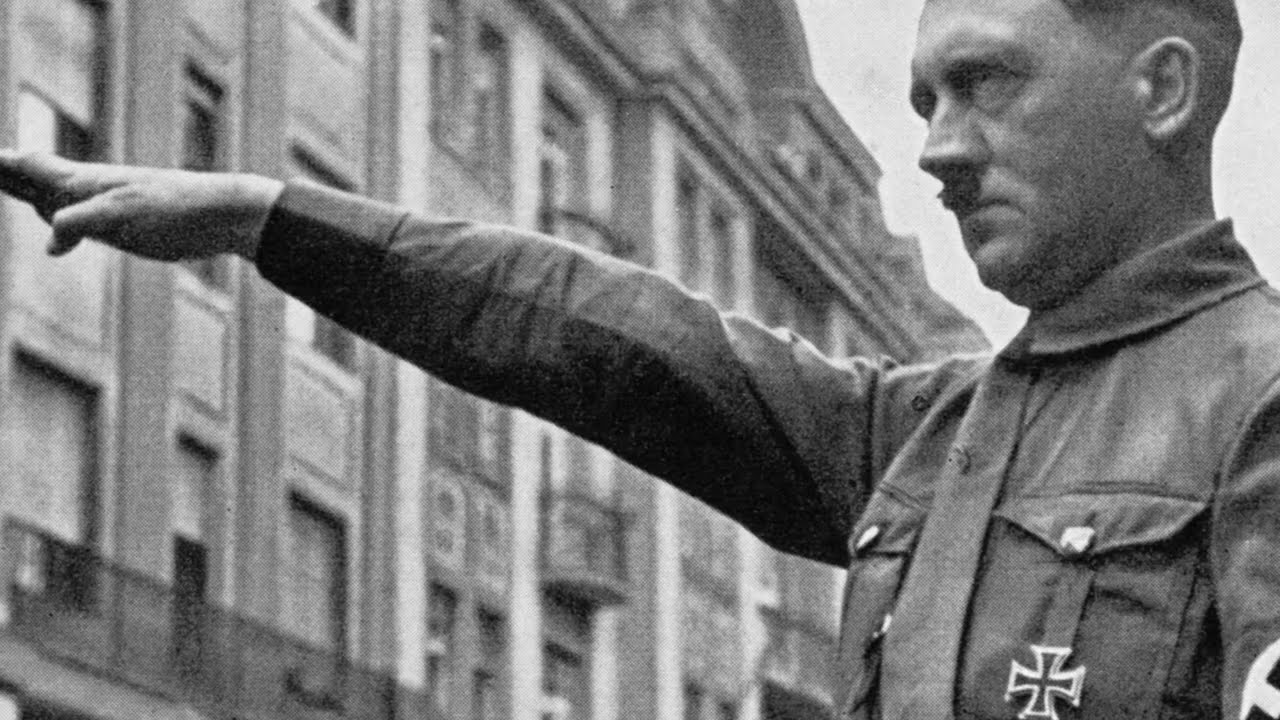
The liberation of the camps in the spring of 1945 revealed the full horror of what had been done. American troops who entered Dachau on April 29, 1945, were confronted with scenes of skeletal survivors, piles of corpses, and the evidence of systematic industrial murder. General Dwight Eisenhower, who visited the newly liberated Ohrdruf camp, ordered that film cameras record everything they saw because he anticipated that the world might someday refuse to believe what had happened. He was prescient. Holocaust denial began almost immediately after the war and has never entirely disappeared.
The Nuremberg trials, conducted between November 1945 and October 1946, were the most important judicial response to the crimes of the Nazi era. Twenty-four senior Nazi leaders were indicted on charges including crimes against peace, war crimes, and crimes against humanity. The trials established important legal precedents, including the principle that there was no defense of following orders for crimes against humanity. Twelve defendants were sentenced to death and executed. Seven received prison sentences. Three were acquitted. The Nuremberg principles became the foundation of international humanitarian law and the conceptual basis for subsequent international criminal tribunals.
Not all perpetrators were caught or punished. Thousands of former Nazis, including some who had participated directly in the killing program, managed to escape justice through various means. The rat lines escape networks, often using South American and Middle Eastern destinations, helped former SS men obtain false documents and passage out of Europe. Some found refuge in the United States, Canada, and Australia, where they lived out their lives in obscurity with the assistance of governments more interested in recruiting their expertise, particularly in intelligence and rocketry, than in prosecuting their crimes.
The case of Klaus Barbie, the Gestapo chief of Lyon, known as the Butcher of Lyon, is particularly egregious. Barbie was recruited by American intelligence after the war, used as an informant, and then helped escape to Bolivia in 1951 with US assistance. He lived there under a false name until journalists tracked him down in 1972, and he was not finally extradited to France and brought to trial until 1987, when he was 83 years old. He was convicted of crimes against humanity and died in prison in 1991.
The hunt for Nazi war criminals was driven primarily by the tireless work of individuals like Simon Wiesenthal, a Holocaust survivor from Austria who dedicated his life to documenting and publicizing the cases of escaped perpetrators. Wiesenthal's Vienna-based documentation center tracked down over 1,100 Nazi war criminals over the course of his long career, including the identification of Eichmann in Argentina. Wiesenthal died in 2005 at the age of 96, having spent more than half a century pursuing justice.
Germany's reckoning with the crimes committed in its name has evolved over decades. In the immediate postwar years, many Germans engaged in what historians call a collective amnesia about their participation in or knowledge of the regime's crimes. Former Nazis were quietly reintegrated into the Federal Republic's professional and political life. The Cold War created pressure to quickly rehabilitate West Germany as a reliable NATO ally. Konrad Adenauer, the Federal Republic's first chancellor, was personally untainted by Nazism and negotiated a reparations agreement with Israel in 1952, but he also staffed his government with former Nazis.
The real confrontation with the Nazi past came gradually, driven in part by a younger generation that had not grown up under Nazism. The Frankfurt Auschwitz trials of 1963 to 1965 brought detailed testimony about the camp's operations before a West German audience for the first time. The student movements of the late 1960s confronted the older generation with demands for accountability. The gradual emergence of Holocaust survivor testimony in memoirs, films, and the Shoah testimonial project organized by filmmaker Claude Lanzmann ensured that the personal human reality of the Holocaust remained vivid for succeeding generations.
Germany today has gone further than perhaps any other country in its formal acknowledgement of its crimes. Holocaust education is mandatory in German schools. Holocaust denial is a criminal offense. The government maintains dozens of memorial sites and provides substantial ongoing funding for Holocaust research, education, and commemoration. Willy Brandt's famous kneefall in Warsaw in December 1970, when the German chancellor spontaneously fell to his knees before the memorial to the Warsaw Ghetto Uprising, was one of the most powerful symbolic acts of national contrition in history.
The question of how a civilized society produced the Holocaust remains one of the most disturbing and important questions in human history, precisely because it cannot be dismissed as an aberration unique to Germany. The ingredients that made the Holocaust possible are not uniquely German phenomena. They are features of human social psychology that can be activated under the right conditions in any society.
The political scientist Zygmunt Bauman, in his 1989 study Modernity and the Holocaust, argued that the Holocaust was not a breakdown of modernity but one of its products. The same rationalized bureaucratic organization, the same application of scientific and technical thinking to social problems, and the same disenchantment of the world that had produced the great achievements of modern civilization also created the tools and the moral framework that made industrial genocide possible. The Holocaust was not a medieval pogrom. It was a modern bureaucratic operation planned in conference rooms, administered through government departments, and carried out with the technical resources of the most advanced industrial state in Europe.
The sociologist Gregory Stanton has identified what he calls the stages of genocide, a framework developed through the study of multiple 20th century genocides. Stanton identified 10 stages that typically precede and accompany genocide: classification, symbolization, discrimination, dehumanization, organization, polarization, preparation, persecution, extermination, and denial. Looking back at the history of the Nazi persecution of the Jews, all 10 of these stages are clearly present and progressing in roughly this order. Stanton's framework suggests that genocide is not a sudden eruption but a process that unfolds in stages over time, and that intervention at any stage before the final one can prevent the catastrophe.
The memory of the Holocaust has become one of the central reference points of contemporary Western moral and political culture. The phrase "Never Again," which originated in Jewish commemorative language after the war, has been adopted as a universal aspiration. Holocaust memorial days are observed in dozens of countries. Holocaust museums and memorial sites have been established across Europe, North America, and Israel. The Yad Vashem Memorial in Jerusalem, established in 1953, maintains the most comprehensive archive of Holocaust documentation in the world, including the names of approximately 4.8 million of the 6 million murdered Jews.
The state of Israel itself was in large part a direct consequence of the Holocaust. Though Zionism had been growing since the late 19th century, and the Balfour Declaration of 1917 had supported a Jewish homeland in Palestine, the Holocaust dramatically changed the political calculus by demonstrating with terrible finality the consequences of the Jewish people's lack of a state. The United Nations partition plan for Palestine, adopted in November 1947, and the subsequent declaration of Israeli independence in May 1948, were shaped by the Holocaust's shadow.
The legacy of the Holocaust for contemporary Jewish life is profound and complex. For survivors, many of whom did not speak publicly about their experiences for decades, the trauma was often carried in silence and transferred to their children and grandchildren through what psychologists call intergenerational trauma. The massive archive of survivor testimony collected by the USC Shoah Foundation and other organizations has created a historical record of extraordinary importance.
The question of Holocaust representation in art and literature is one that writers and artists have grappled with continuously since 1945. The philosopher Theodor Adorno wrote in 1949 that to write poetry after Auschwitz is barbaric, meaning not that art was literally impossible but that the aestheticization of extreme suffering risked a kind of obscenity. Elie Wiesel, a survivor of Auschwitz and Buchenwald who became the most widely read witness writer of the Holocaust, insisted that the duty to bear witness overrode any purely aesthetic considerations. His memoir Night, published in 1958, has introduced tens of millions of readers to the experience of the camps. Wiesel received the Nobel Peace Prize in 1986 and spoke of the danger of indifference, arguing that indifference, even more than hatred, was the true enemy of humanity.
Primo Levi, who survived Auschwitz because his skills as a chemist made him useful to the German synthetic rubber industry, wrote a series of memoirs and essays that combined precise observational detail, philosophical depth, and moral complexity. If This Is a Man, published in Italy in 1947, and The Drowned and the Saved, his last book, are essential reading. Levi was deeply interested in the gray zone, his term for the morally ambiguous territory occupied by those who were neither purely victims nor purely perpetrators, including the Sonderkommando, the Kapos, and the members of the Jewish councils whose choices under impossible conditions resist simple moral judgment. His death in April 1987, which many believe was a suicide, was a reminder that the trauma of Auschwitz was never truly over for those who had survived it.
Imre Kertész, a Hungarian Jewish survivor who was deported to Auschwitz in 1944 at the age of 14 and who received the Nobel Prize in Literature in 2002, wrote fiction that explored the experience of the Holocaust from the inside. His novel Fatelessness, published in 1975, deliberately told the story of a young concentration camp prisoner in a flat, almost affectless voice that challenged the expectation that the Holocaust should be experienced as pure horror.
The specific experience of Jewish communities varied across the different countries of occupied Europe. In Poland, where the largest pre-war Jewish community in Europe, numbering over 3 million people, had lived for centuries, the destruction was almost total. Over 90 percent of Polish Jews were murdered, wiping out not just individuals but entire communities, cultural traditions, languages, and ways of life. In France, the collaboration of the Vichy government in the roundup and deportation of Jewish people was made possible in part by the pre-existing tradition of French antisemitism, exemplified by the Dreyfus affair of the 1890s.
In the Netherlands, the German occupation was particularly thorough and the local administration more cooperative than in some other countries, with the result that the Dutch Jewish community lost approximately 75 percent of its members, one of the highest proportional losses in Western Europe. In Denmark, by contrast, the small Jewish community was almost entirely saved through a remarkable collective act of resistance in October 1943, when ordinary Danish citizens spontaneously organized a boat rescue that ferried over 7,000 Danish Jews to neutral Sweden in the space of a few days. The Danish rescue has become one of the most studied and celebrated examples of collective moral courage in the Holocaust period.
In Hungary, the story took a particularly horrifying late turn. Hungary was an Axis ally of Germany and had implemented its own antisemitic legislation in the late 1930s, but the government of Admiral Miklós Horthy had resisted German pressure to deport its Jewish population. As a result, a community of approximately 760,000 people survived into 1944. Then in March 1944, Germany occupied Hungary militarily, deposed Horthy's government, installed a puppet administration, and immediately began organizing mass deportations. Within 10 weeks, between May and July 1944, over 437,000 Hungarian Jews had been deported to Auschwitz-Birkenau and murdered. It was the fastest mass murder operation of the entire Holocaust. Only the intervention of Horthy, who halted the deportations in July 1944, saved the approximately 200,000 Jews of Budapest from the same fate.
The story of the Hungarian deportations also illustrates the central role of Adolf Eichmann in the logistics of the Final Solution. Eichmann personally traveled to Budapest to oversee the deportations, working with the compliant Hungarian administration to organize the trains and the paperwork with his customary bureaucratic efficiency. His later claim at his Jerusalem trial that he was just following orders was challenged by the evidence that he had traveled to Budapest of his own initiative and had negotiated with Hungarian officials with considerable personal enthusiasm.
The Sonderkommando, those Jewish prisoners forced to operate the crematoria at Auschwitz and other camps, represent perhaps the most extreme example of the gray zone that Primo Levi wrote about. The SS deliberately created this impossible moral terrain in order to make resistance harder and complicity more widespread. The Sonderkommando were selected from among newly arrived prisoners, given slightly better food and conditions, and tasked with work that would have destroyed almost anyone psychologically. They knew that they themselves would eventually be killed to prevent them from bearing witness. The remarkable scroll testimony left behind by several Sonderkommando members, buried in the ground near the crematoria and discovered after the war, provides some of the most direct and devastating accounts of what happened inside the gas chambers and ovens.
The mechanisms by which Hitler and the Nazis stripped Jewish people of their dignity, their legal rights, their economic means, their freedom of movement, their communities, their families, and finally their lives can be traced in extraordinary detail through the historical record. What that record reveals above all is the importance of each individual step in the process. None of the later horrors was possible without the earlier ones. The gas chambers of Auschwitz were built on the foundation of the Nuremberg Laws. The Nuremberg Laws were built on the foundation of the boycotts and dismissals of 1933. Those were built on the foundation of the antisemitic ideology that Hitler had been developing since his Vienna years, which was itself built on the foundation of 15 centuries of European Christian antisemitism.
Underneath all of it was the most fundamental element: the willingness of enough people at each stage to look away, to go along, to calculate their own advantage, and to abdicate the moral responsibility that being human entails. This is why the question of why Hitler persecuted the Jews is ultimately not just a historical question. It is a question about the nature of human societies and the conditions under which ordinary people can be led step by step into complicity with extraordinary evil.
The lesson it teaches is not comforting. It does not tell us that evil is always obvious, that good people will always recognize it and resist it, or that the structures of civilization are strong enough to contain it indefinitely. It tells us that evil can be made to seem normal through incremental escalation, that prejudice can be dressed up as science, that scapegoating can be made to feel like justice, and that the bureaucratization of violence can reduce the moral weight of individual decisions to almost nothing. Against these forces, the only reliable defense is alertness, critical thinking, empathy, and a willingness to resist when resistance is costly.
The six million Jews who were murdered in the Holocaust died because enough people in enough places failed to resist at enough moments. They died because of Hitler's ideology and Himmler's organization and Eichmann's bureaucracy, but also because of the French gendarme who loaded Jews onto a bus, the Dutch administrator who compiled a census that identified Jewish households, the Hungarian railway worker who drove the deportation train, the German neighbor who reported the family hiding in the basement, and the American diplomat who found a bureaucratic reason to deny a visa. The Holocaust was the product of a vast collective moral failure, and the magnitude of that failure is still being reckoned with more than 80 years after the last camp was liberated.
What is remarkable in the face of all this horror is the survival and resilience of the Jewish people. A third of the world's Jewish population was murdered in the Holocaust, the most devastating blow ever suffered by any people in recorded history. The Jewish communities of Poland, Ukraine, Hungary, the Baltic states, and much of the rest of Europe were effectively annihilated. The Yiddish language and culture, which had been the vibrant heart of European Jewish life for centuries, was destroyed as a living cultural tradition in most of the places where it had flourished. And yet the Jewish people survived, rebuilt, created the state of Israel, maintained their cultural traditions, and ensured that the story of what was done to them would be told.
Pre-war Europe, particularly central and eastern Europe, contained a vibrant centuries-old Jewish civilization that produced extraordinary contributions to medicine, science, philosophy, literature, and the arts. The concentration of Jewish intellectual talent in German-speaking Europe in the early 20th century was remarkable by any measure. Einstein, Freud, Kafka, Mahler, Wittgenstein, Walter Benjamin, Hannah Arendt, and dozens of other towering figures of modern thought and culture were products of this world. The Holocaust did not merely murder 6 million individuals. It deliberately and systematically destroyed a civilization, burning its books, silencing its musicians, emptying its synagogues, and erasing the accumulated wisdom and creativity of generations.
The answer to why Hitler persecuted the Jews is long and terrible. It is rooted in 15 centuries of Christian antisemitism that normalized the idea of Jews as alien and hostile. It was shaped by the 19th century's racial pseudoscience that transformed religious prejudice into biological determinism. It was catalyzed by Germany's defeat in World War I and the toxic mythology of the stab in the back. It was systematized by Hitler's ideology, developed in the failures and resentments of his Vienna years and given full expression in Mein Kampf. It was implemented through the political machinery of the Nazi state, through Nuremberg Laws, boycotts, pogroms, ghettos, mobile killing units, and finally extermination camps. It was enabled by the failure of the German churches, the international community, and the majority of ordinary Germans to resist or refuse at the moments when resistance might have mattered. And it was carried out by a combination of fanatical true believers and ordinary people who found themselves doing extraordinary evil through the mechanisms of bureaucracy, conformity, self-interest, and the gradual normalization of cruelty.
The question why has many answers, and none of them are simple. But understanding them as fully and as honestly as we can is perhaps the most important intellectual and moral obligation that the Holocaust places on those of us who live in its shadow. The 6 million demand nothing less than our full attention to the truth of what happened and why, however uncomfortable and however demanding that truth turns out to be.