The Nuremberg rallies remain among the most recognizable images of Nazi Germany. Held every September, they grew from modest gatherings in the 1920s and early 1930s into enormous spectacles after the Nazi seizure of power in 1933. Among the crowds that filled Nuremberg were members of the Hitler Youth, known as the HJ, made up of boys between 14 and 18 years old. Large numbers of girls from the Bund Deutscher Mädel, or League of German Girls, also attended.
At the 1936 Nazi Party rally, more than 900 BDM girls became pregnant, creating a national scandal. Many of the girls had been pressured or forced into sex, sometimes by Hitler Youth members and sometimes by much older men. Most were then made to have abortions, whether they wanted the procedure or not.
The Hitler Youth were not the Boy Scouts, despite what some former members later insisted. Camping, hiking, sing-alongs, swimming, skiing and woodcraft were all part of the program. But members also spent much of their time marching, learning basic military drill and absorbing the ideology of hatred at the heart of Nazism.
Behind the innocent activities lay constant ideological training. Boys in the HJ learned three primary lessons. First, as Germans they belonged to a master race, the Herrenvolk, superior to all others, especially the Jews, whom the Nazis portrayed as the arch-enemy of all Germans. Second, as members of that master race, it was their destiny to rule the world. Third, Adolf Hitler was to be obeyed without question, was the embodiment of Germany and was the Messiah of the German people, sent to lead them into a new golden age.
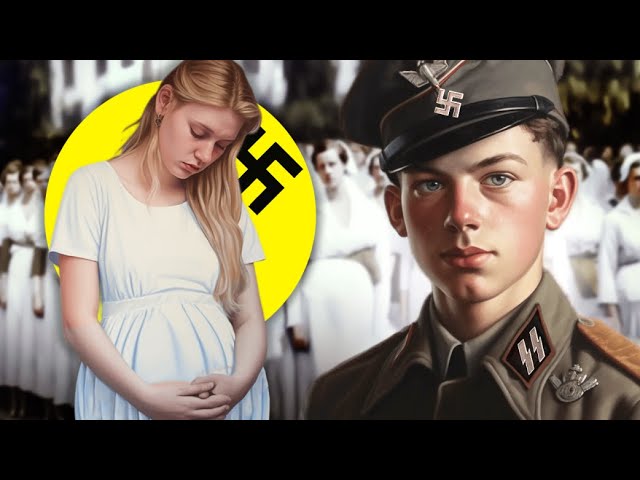
Shortly after taking power, Hitler delivered a famous quote about his opponents. They say, he remarked, "I will not come over to your side." He continued calmly, "Your child belongs to us already. What are you? You will pass on. Your descendants, however, now stand in the new camp. In a short time, they will know nothing else but this new community."
To Hitler, German youth were the future of his movement and of the country. In his vision, they needed to be taught only what served the state and the party. Apart from technical instruction, which evolved into weapons and tactics training, Nazi education revolved around German ethnic superiority and the supposed evil nature of the Jews. Put simply, many Hitler Youth members were brainwashed. Others embraced elements of Nazi thinking because they agreed with them to some degree, or because, like most young people, they did not want to stand out.
The Hitler Youth and the BDM were the two largest parts of the Nazi youth movement, and membership was obligatory. Some people managed to evade it for a time or found ways to slack off. For younger children, however, there were voluntary organizations. Girls aged 10 to 14 could join the Jungmädelbund, the Young Girls League. Boys aged 10 to 14 could join the Deutsches Jungvolk in der Hitlerjugend, known as the DJ or DJV.
Most Nazi Party members sent their younger children to meetings and activities of these groups, and many non-party members did the same, hoping membership would help their children and perhaps themselves get by better in the new Germany. The HJ and BDM were limited to Germans of German descent. That excluded German Jewish children, many of whose families had lived in Germany for centuries.
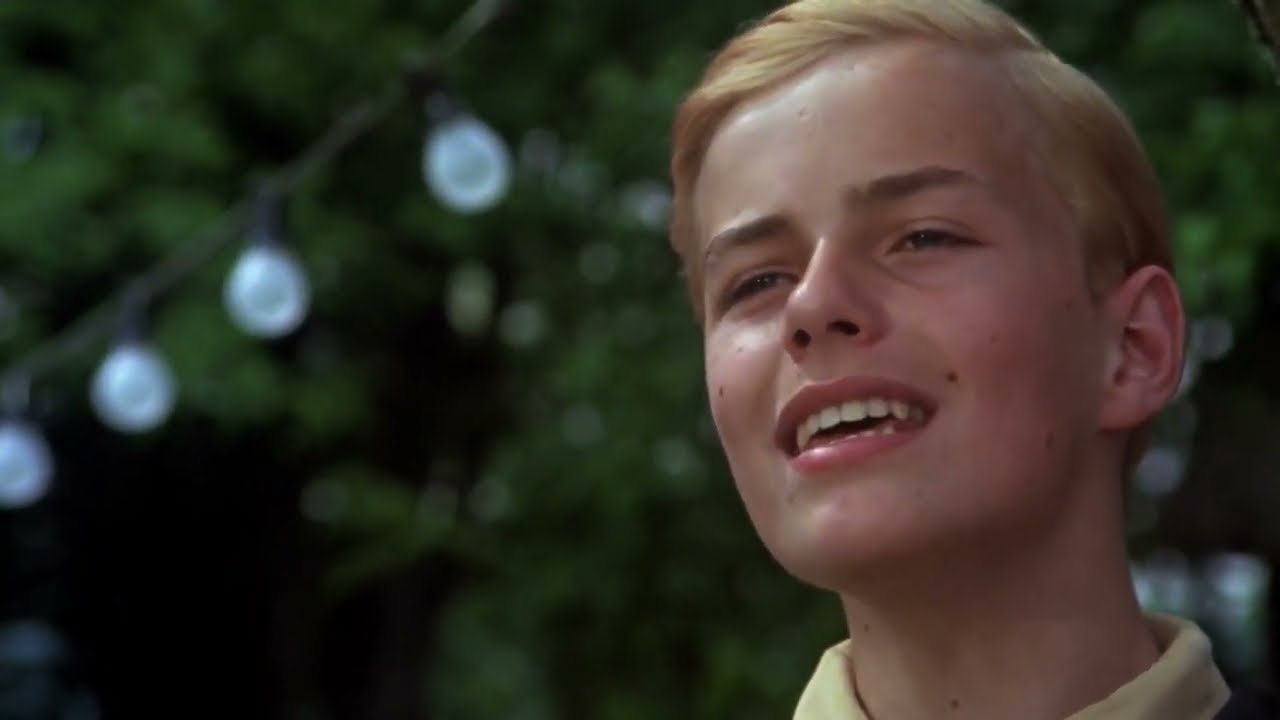
In the first two years of the Nazi regime, Jews were not the primary target of Nazi hatred. Before dealing with the Jews, the Nazis needed to secure their place at the top, which meant eliminating more powerful enemies: communists, social democrats, trade unions and smaller groups of liberal thinkers, including many journalists. In 1935, the Nazis passed the Nuremberg Laws, which severely restricted the Jews of Germany and denied them entry into the country's cultural life. In other words, they were isolated from the rest of the nation.
Even before 1935, Jewish children began to feel isolated and threatened by what was happening in their country. The people who most represented the Nazi movement to young people were the Hitler Youth. In the years before World War II, the Hitler Youth terrorized Jewish children in Germany. Jewish German survivors of the Holocaust and writings from the time describe daily beatings, bullying, name-calling and humiliation at their hands. For years, no Jewish child was safe alone on the street. Jewish boys sometimes banded together in what amounted to self-defense gangs, but they were almost always outnumbered. When police got involved, the Jewish children were always blamed. The Hitler Youth were virtually untouchable for what they did to Jewish kids before the war.
One of the pillars of the Nazi state was the Führerprinzip, the leader principle. This had much to do with Hitler being head of the German state and leader of the German people, but it went further. The Führerprinzip meant that at every level of society there were leaders and followers, and it was the duty of every person to follow the orders of the leader ahead of them.
In Nazi ideology, people, even Germans, were not created equal. Some were superior and some inferior. A significant part of this idea was das Blut, the blood. The Nazis fanatically believed that blood carried the traits and culture of a race and the traits shared by ancestors. This was the root of Nazi anti-Semitism. It did not call for hatred of Jews because of religious differences, but because the Nazis genuinely believed that Jewish blood and the blood of many other peoples was inferior.
The Nazi idea of blood went much further than a belief that certain people's actual blood was superior. It was a kind of early view of genetics, the idea that Germans carried superior traits from biology and evolution. This also meant that within German society, those who truly believed in Hitler's vision and excelled in it must be superior, which meant their blood was superior and therefore their children would mostly be superior too.
This meant the gifted youth of Germany had to be specially educated, for they were what Hitler considered the vanguard of the future. Most of these gifted youth, though not all, came from the families of party members and higher Nazi officials. Many were the sons of the golden pheasants, a derogatory nickname for the regional leaders of Germany, the Gauleiters, who wore brownish-gold uniforms and strutted about as if they were God's gift. Their children were taught from a young age that they were superior beings, above all others on the planet, both as individuals and as part of the German nation.
At the Napolas, the Nationalpolitische Lehranstalten, or National Political Teaching Institutes, sons of the Nazi elite learned Nazi ideology and governance, for they were seen as the inheritors of the Nazi state. Many of these boys and young men were hated even by other members of the Hitler Youth because of their place in society and their attitude of superiority toward other Germans.
Had the 1936 party rally scandal in Nuremberg happened during the war, it is likely most of those pregnant girls and young women would not have been coerced into having abortions, but would probably have been pressured to have the child. In 1936, the Nazis had only been in power for three years and were still sensitive to public opinion, which was against single girls and young women becoming pregnant. By 1942, that attitude had changed, at least among those in the party making the rules and setting the tone for society.
By then, Nazi ideology had spent years teaching that motherhood and the home were women's natural place. German casualties were also piling up, and boys grew up to be soldiers. In 1942, many hardcore Nazis did not quite understand that their days were numbered. Women were taught cooking, sewing and child-rearing, along with myths about the role of women in German history. They were also taught the basics of Nazi ideology so they could pass that knowledge on to their children before they even went to school.
In yet another gross abuse of power, the Nazis encouraged the boys and girls of Germany to keep an eye on their parents for any sign that they were anti-Nazi, anti-Hitler, defeatist or critical of Nazi policies against the Jews, or worse yet, helping Jews avoid persecution and deportation to the east, as the Nazis called transport to the extermination camps in Poland.
Alfons Heck, a Hitler Youth member who received a medal for bravery in battle from Hitler's hands toward the end of the war, called the experience of the Hitler Youth the biggest case of child abuse in world history. He may have been right.