In 1960, a visit to a family doctor in America cost two dollars. You walked in, saw the doctor, and when it was over you handed him two dollars and walked out the door. A three-day hospital stay to have a baby cost forty-six dollars total, covering the room, the nurses, and the delivery.
More than sixty-eight percent of Americans had private health insurance, most of it paid for entirely by their employer. You got a job, you got health care, and your family was covered. That was the deal, and for most working Americans it worked.
To understand how the country arrived at that system, you have to go back to World War II. In 1942, factories needed workers, but the government had frozen wages to prevent inflation, so companies could not offer higher pay to attract employees.
Instead, they began offering health insurance. It started as a workaround, a way to compete for workers without breaking the rules. Then the IRS ruled that employer-provided health insurance would be tax-free. The company could write it off as a business expense, and the worker did not have to pay taxes on it either.
Overnight, health insurance became the best deal in America, and companies rushed to offer it. By the late 1950s, the American health care system was the envy of the world.
Families had a real family doctor who knew their medical history by memory and charged what they could afford. There were no pre-approvals, no referral networks, and no claims denied for insufficient medical necessity.
Hospitals were run by communities, churches, and universities as not-for-profit institutions whose mission was to care for people. The idea that a hospital would exist to make money for shareholders would have sounded like a joke in 1960.
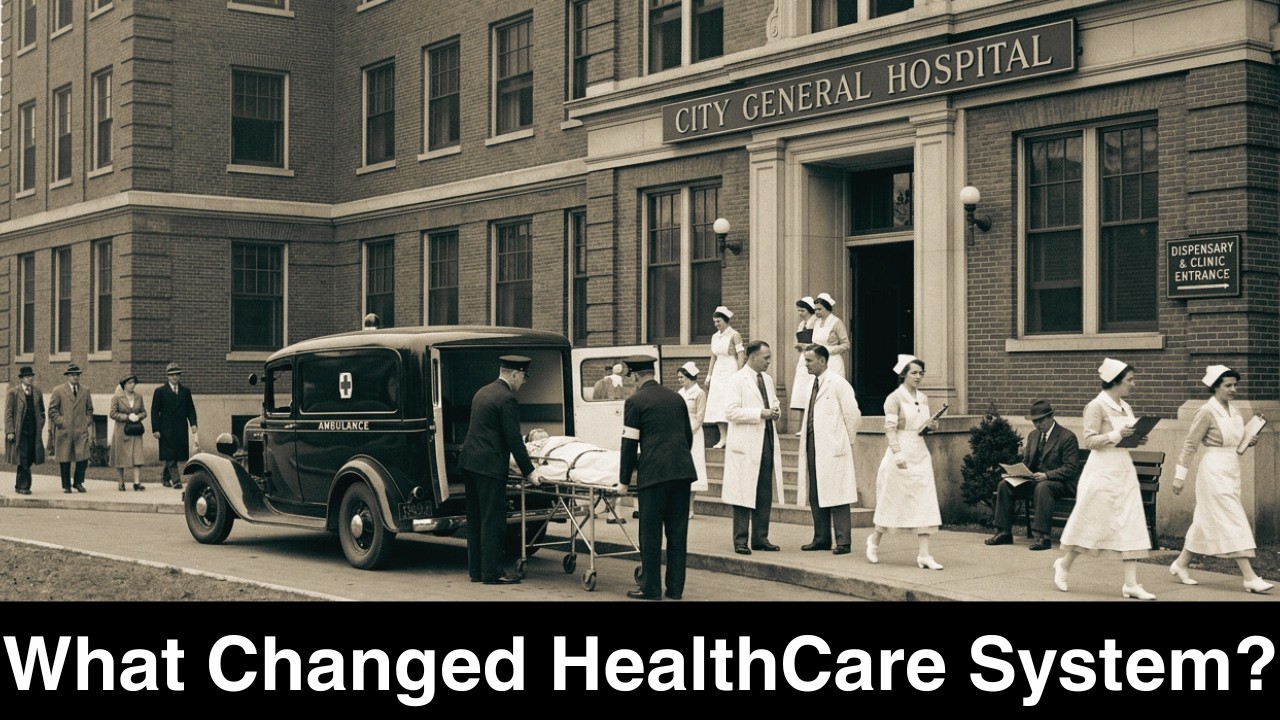
The costs were manageable. In 1960, the entire country spent $146 per person per year on health care, about five percent of the nation's economy. Americans spent more on cigarettes than on medical bills.
Doctors made a good living but were not millionaires. Nurses were respected. Hospitals were clean and well-staffed. If you had a job, any job, you and your family had coverage.
It was not perfect. There were gaps, especially for the poor and the elderly. But for the vast majority of working Americans, the system was simple, affordable, and there when you needed it.
Then the costs started to climb. Medical costs between 1950 and 1970 rose by 125 percent, more than double the rate of general inflation. New drugs, new technology, and new procedures all cost money.
Medicare and Medicaid, created in 1965 to cover the elderly and the poor, flooded the system with new patients and new dollars. Hospital bills crept up, then jumped, then exploded. By the early 1970s, health care costs had become a political crisis.
That is when Richard Nixon made the decision that changed American health care forever. On December 29, 1973, he signed the Health Maintenance Organization Act into law.
On the surface, the idea sounded reasonable. Instead of paying doctors for every visit and procedure, which gave them an incentive to do more, you would pay a flat fee to an HMO, a health maintenance organization. The HMO would keep you healthy and, because it received a fixed payment regardless of how much care it provided, would focus on prevention rather than treatment.

But a detail buried inside the idea would eventually poison the entire system. In a private recording from the Oval Office, Nixon was told by an advisor that the beauty of the HMO model was that, in a direct quote, "the less care they give them, the more money they make." Nixon responded, "Fine, that sounds like it could work."
The foundational logic of the new American health care model was that the less care a patient receives, the more profit the company makes. That was not an unintended consequence. That was the design.
The HMO Act required any employer with 25 or more workers who offered traditional insurance to also offer an HMO option. It provided federal grants and loans to set up new HMOs across the country and overruled state laws that had restricted managed care organizations.
At first, HMOs were required to be not-for-profit. The original law said these organizations should exist to serve patients, not shareholders. That requirement did not last long.
During the 1980s, under the wave of deregulation that swept through Washington, the not-for-profit requirement was removed. That single regulatory rollback opened the floodgates.
Within years, for-profit HMOs exploded across the country. Wall Street got involved. Insurance companies merged, grew, went public, and started trading on the stock exchange. Health care was no longer a service. It was an industry, and its primary obligation was no longer to patients but to shareholders.
Suddenly, you could not just see any doctor. You had a network. If your doctor was not in the network, you paid more, or you did not go at all.
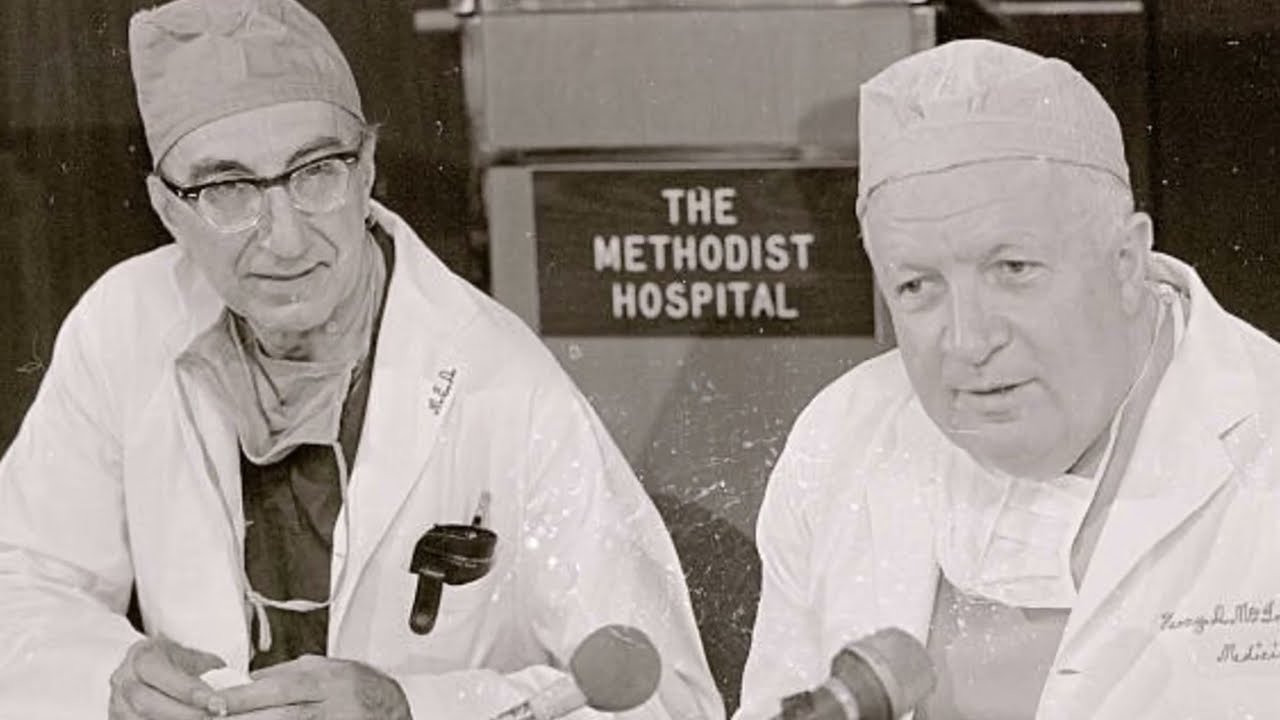
Your doctor could not simply order a test or prescribe a treatment. They had to get pre-authorization from the insurance company first, a company whose profits depended on saying no.
Deductibles, co-pays, out-of-pocket maximums, co-insurance, prior authorizations, referral requirements, and formulary restrictions appeared, all designed to put barriers between patients and the care they needed.
In 1978, 95 percent of Americans with employer health insurance had traditional indemnity plans, where you could see any doctor and your insurance simply paid the bill. By 1998, that number had dropped to 14 percent. In a single generation, the old system was gone.
The costs did not go down. They went up faster than anyone imagined. In 1960, America spent $146 per person per year on health care. By 2024, that number was $15,474 per person per year. Health care went from five percent of the economy to 18 percent, and American families began going bankrupt just trying to stay alive.
Today, a single night in an American hospital costs over $3,000. A doctor's visit without insurance costs between $80 and $170. An ambulance ride can cost $2,000 before you even reach the emergency room.
Meanwhile, the companies that were supposed to cut costs and keep people healthy now pay their CEOs tens of millions of dollars a year. The top five health insurance companies in America reported combined profits of over $30 billion in a single year, from a system originally designed to be not-for-profit.
Americans now avoid going to the doctor because they fear the cost. They cut pills in half to make prescriptions last longer. They drive themselves to the hospital instead of calling an ambulance because they cannot afford the ride.
The two-dollar doctor visit is gone. The forty-six-dollar hospital stay is gone. The family physician who made house calls and charged what you could afford is gone too.
The country did not lose its health care system to a foreign enemy or a natural disaster. It lost it to a simple idea that health care could be a business, and that the less care you provide, the more money you make.
And the strangest part is that the warning was right there on a tape recording in the Oval Office. The less care they give them, the more money they make. The President of the United States heard those words, nodded, and signed the bill anyway.