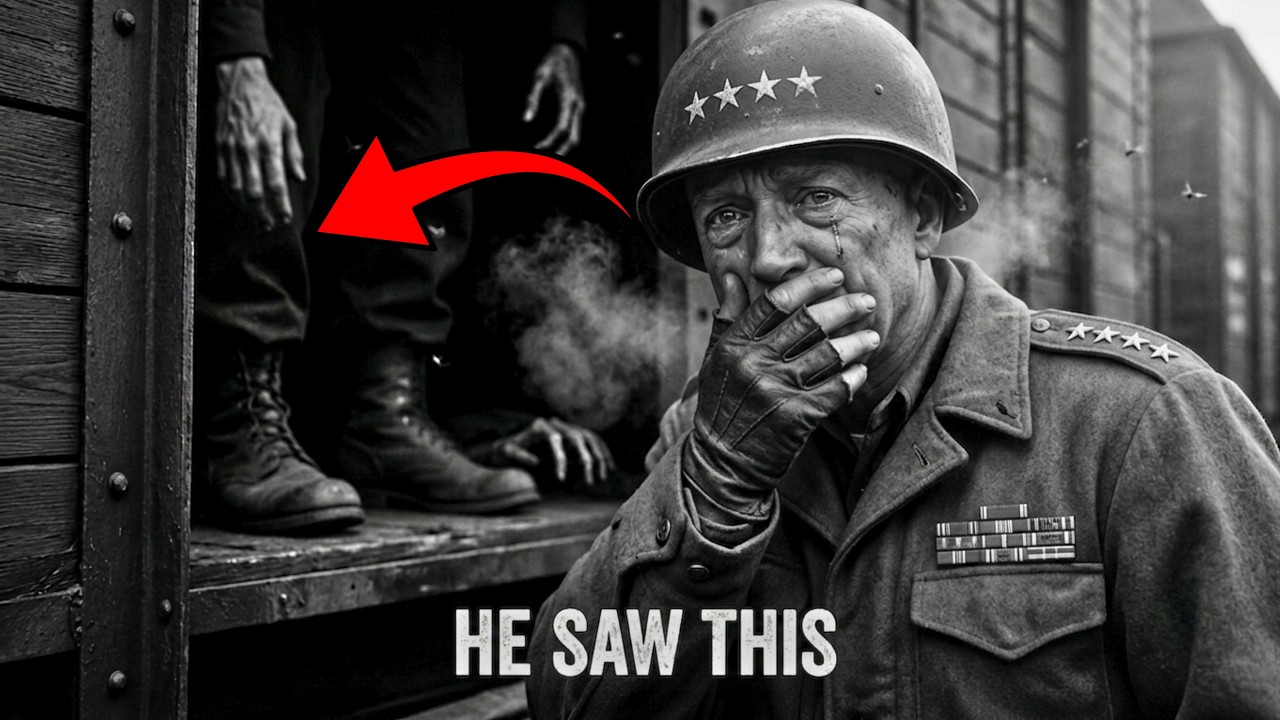
On April 29, 1945, soldiers of the US 45th Infantry Division were advancing through Bavaria toward Munich. They expected to find a military depot or factory. Instead, they encountered a railroad track lined with 39 cattle cars. Inside those cars were the bodies of thousands of starved and frozen prisoners. This was the Dachau death train.
The American troops were combat veterans. They had survived brutal fighting in Italy and France. But the sight of the stacked corpses overwhelmed them. One young soldier from Oklahoma dropped his rifle and began sobbing. For many others, the shock turned into a cold, murderous rage.
When the Americans breached the main gates of Dachau, they were met by SS Lieutenant Heinrich Wicker. He was cleanly dressed and carrying a white flag of surrender. An American officer spat in his face. Within moments, chaos erupted across the camp.
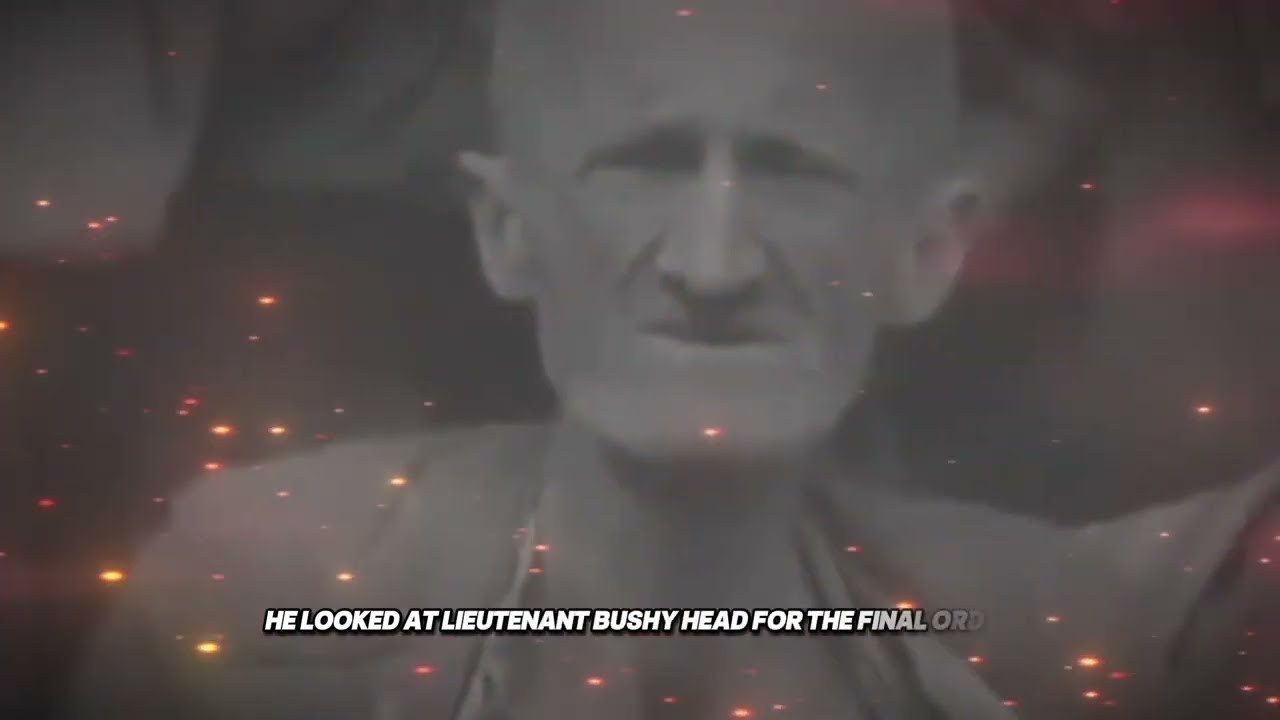
A group of about 50 SS guards attempted to surrender near a brick wall by a coal yard. They threw down their weapons and shouted that Hitler was finished. Lieutenant Jack Bushyhead, a Native American officer from Oklahoma, had just seen the crematorium ovens. He gestured with his Thompson submachine gun, and his men lined the guards up against the wall.
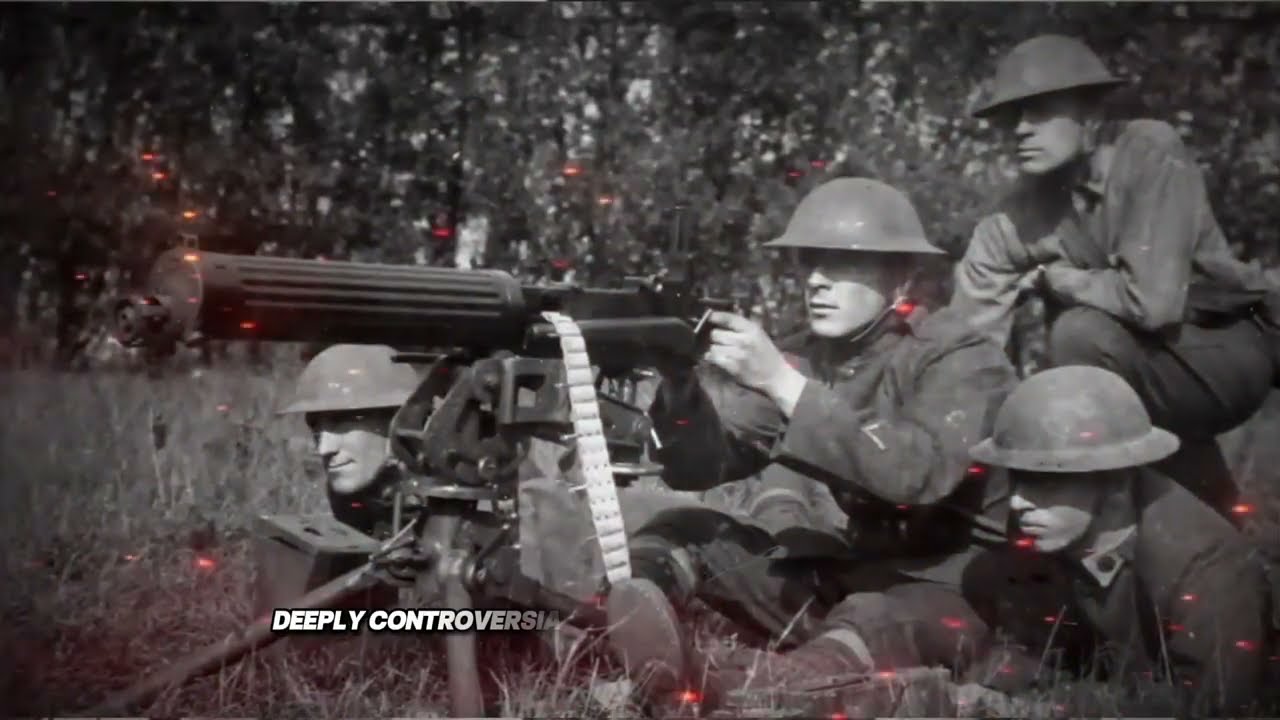
A machine gunner nicknamed Birdseye opened fire. The sustained burst lasted about ten seconds. When the smoke cleared, the SS guards were dead. Lieutenant Colonel Felix Sparks arrived and fired his pistol into the air, shouting for the men to stop. The gunner replied through tears, “Colonel, they deserved it.”
The violence did not end there. For about an hour, the camp was turned over to the prisoners and their liberators. SS guards climbing down from watchtowers were shot before they reached the ground. Liberated prisoners hunted down remaining guards and kapos. American soldiers stood by and allowed them to finish.
A formal military investigation was launched. Lieutenant Colonel Joseph Whitaker compiled a report titled “Investigation of Alleged Mistreatment of German Guards at Dachau.” It recommended court-martials for the officers and gunners involved. The report was sent up the chain of command to General George S. Patton.
Patton had recently visited other concentration camps and was deeply affected by what he saw. He had no sympathy for the SS. When the report reached his desk, he rejected it. He argued that his men had been pushed beyond human limits. He reportedly said that seeing 2,000 dead bodies on a train meant the rule book no longer applied.
Patton ordered the investigation quashed. There would be no trials, no prison sentences, and no disgrace for the men of the 45th Division. General Dwight D. Eisenhower was briefed on the incident and allowed Patton’s decision to stand. The charges were dropped.
Lieutenant Bushyhead returned to Oklahoma after the war. He never spoke publicly about what happened at Dachau. He died in 1977, carrying the secret with him.
The events of that day remain controversial. Some argue the killings were a violation of the laws of war. Others see them as a human response to industrialized evil. The soldiers who were there did not regret their actions. One veteran later said that killing surrendering prisoners was legally wrong, but that day it felt like the only right thing to do.