The mysterious death of Buddy Holly, the 22-year-old pioneer of rock and roll, has been re-examined as new documents and buried details have resurfaced around the crash that killed him, Ritchie Valens, and the Big Bopper on February 3, 1959. The official account blamed bad weather and pilot error, but unanswered questions about the flight, the pressure surrounding it, and a handgun found near the wreckage have kept the case open in the public imagination for over six decades. Holly had arrived at the Surf Ballroom in Clear Lake, Iowa, exhausted, sick, and desperate for rest. The Winter Dance Party tour, a grueling schedule of far-flung performances in subzero conditions, had become a logistical nightmare of broken-down buses and broken heaters.
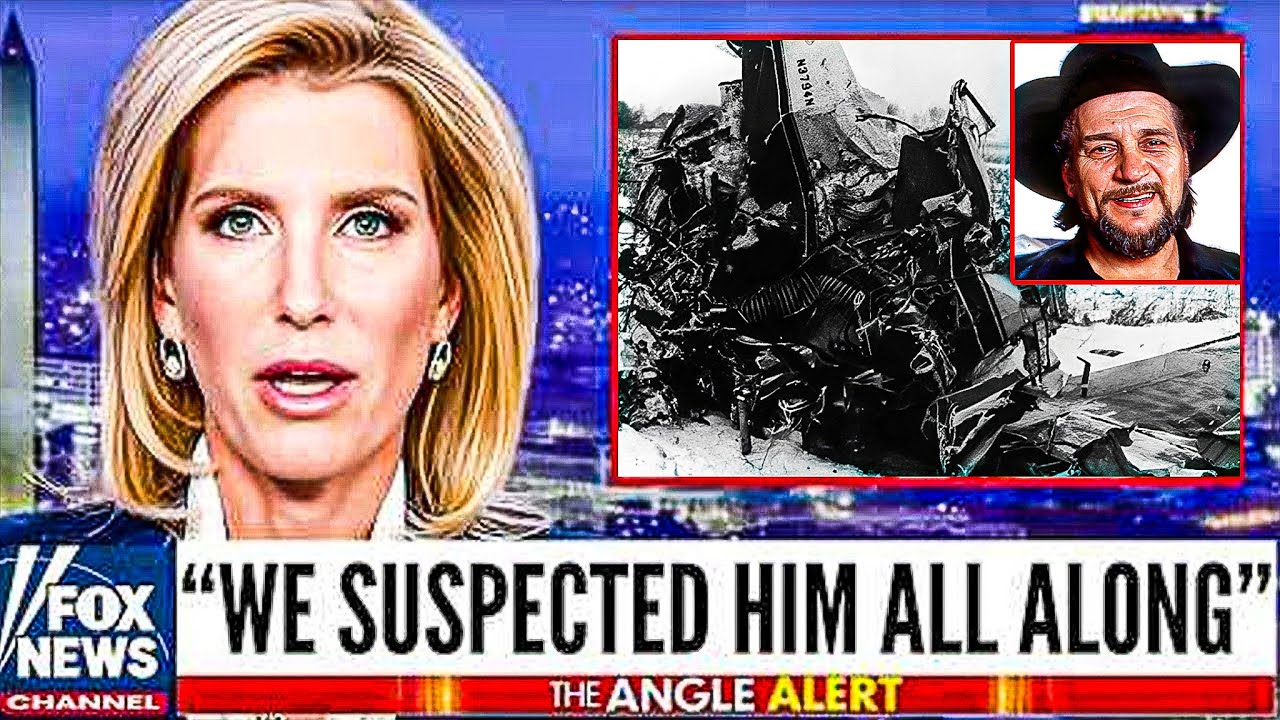
One band member suffered frostbite. Desperate for a night of sleep and a chance to do laundry, Holly chartered a small Beechcraft Bonanza to fly ahead to the next stop in Minnesota. The flight was arranged at the last minute. The plane, piloted by 21-year-old Roger Peterson, who was not certified for instrument-only flying and was inexperienced with night conditions, took off just after midnight.
It crashed into a frozen Iowa field less than six minutes later, killing everyone on board. The fourth seat had been offered to Dion DiMucci, who declined over the $36 cost. Ritchie Valens won his seat in a coin toss, and J. P.
“The Big Bopper” Richardson, suffering from the flu, convinced Waylon Jennings to give up his seat, a decision Jennings regretted for the rest of his life. Questions about the crash have lingered for decades. Why was Holly carrying a . 22 revolver, which was later found near the wreckage?
Why were Holly’s signature black-framed glasses missing for nearly 20 years, only to be discovered unlabeled in a police evidence locker in Sac County, Iowa, in 1980? Witnesses claimed the crash site was eerily silent, with no fire or smoke, and some insisted there was no snow in the air that night. Holly’s pregnant widow, Maria Elena Holly, who had begged him not to fly after a disturbing premonition, miscarried days after the crash and disappeared from public view for years. The broader mystery centers on the circumstances surrounding Holly’s career at the time of his death.
He had recently split from the Crickets, married Maria Elena in secret, and, most importantly, had cut ties with his longtime manager, Norman Petty, accusing him of skimming royalties and withholding transparency. Petty controlled Holly’s publishing rights, royalties, and master recordings, and when Holly attempted to reclaim them, he faced legal threats and vanishing payments. Holly was planning to sue Petty and had begun laying the groundwork to launch his own independent label, a revolutionary move for a 1950s artist that threatened the established industry hierarchy. The timing of his death, before legal proceedings could begin and before he could reclaim his masters, has fueled speculation of sabotage or deliberate silencing.
Conspiracy theories point to the possibility of a forced silence, a convenient end to a young artist pushing back against the music industry’s structure of ownership and control. These theories have never been proven, but they persist, supported by reports that the tour was underfunded, the weather report Peterson received was outdated, and the pressure to reach the next show came from promoters and management. The aftermath of the crash raised further suspicion. The Winter Dance Party tour continued just two days later, with substitute acts filling the void, barely 48 hours after three legends died.
Holly’s body was hastily embalmed in Iowa and returned to his hometown of Lubbock, Texas, for a closed casket funeral. Locals reportedly wandered the crash site, took fragments as souvenirs, and one man claimed to have found a piece of Holly’s glasses, while another said he found one of his boots. The family was never given a chance to see the remains. In the years that followed, the business of Buddy Holly became a gold rush.
Record labels rushed to release unfinished demos, rehearsal tapes, and unpolished recordings, some overdubbed and modified beyond recognition. Maria Elena Holly, who was barely included in major decisions, fought quietly for control and dignity, but was outmatched by publishers, producers, and former collaborators. Millions were made off Holly’s music posthumously, and the story told in documentaries and films was often sanitized and marketable, far removed from the image of the skinny kid from Lubbock who wanted nothing more than to write honest songs and gain control of his own work. Buddy Holly, born Charles Hardin Holley, was not flashy or dangerous, but he was a raw innovator who fused country, gospel, and R&B.
He wrote, arranged, and produced his own music, demanding studio control long before it was fashionable. His hits, including “That’ll Be the Day,” “Peggy Sue,” and “Everyday,” did not just top charts; they redefined them. The Beatles cited him as an influence, as did Bob Dylan. He was 21 years old and already being called the architect of a new sound, but fame came with debt, lawsuits, and constant touring, and the industry saw him as a problem, a worker who refused to be pliable or corporate friendly.
Maria Elena Holly established the Buddy Holly Educational Foundation in later years to promote music education and honor his legacy, but even that drew criticism for becoming another arm of commercialization. Holly was inducted into the Rock and Roll Hall of Fame in 1986, nearly 30 years after his death, a delay that fans and critics alike have long viewed as a failure to acknowledge his contributions during his lifetime. The official story remains unchanged: pilot error and bad weather. But the questions raised by those closest to Holly, the unsafe conditions of the tour, the widespread financial disputes, the strange handling of the crash site, and the possibility that Holly should never have been on that plane have never faded.
More than six decades later, the true legacy of Buddy Holly may not be the simple tragedy of “the day the music died,” but the disturbing possibility that the system he helped build pushed him into an early grave.