The romantic image of the Old West is a Hollywood invention. The reality was a brutal struggle for survival against disease, violence, and nature. Historical records paint a grim picture of a world where death was a constant companion. Here are 17 documented facts that reveal why so many people didn’t last a year.
1. The Water That Killed in Silence
In 1850, drinking a glass of water could be your last decision. Cholera arrived without warning and worked fast. A strong man could wake up fine, get cramps after lunch, and be dead before dinner. The body lost fluids so quickly that the skin turned bluish and wrinkled. Doctors had no idea the water was to blame. Miners drank straight from rivers contaminated with sewage, and whole towns shared the same polluted water source.
2. The Duels That Started Out of Nowhere
The Old West was more violent than the movies show. In Dodge City during the 1870s, a man could die just for giving someone the wrong look in a saloon. A sideways glance or a word taken the wrong way after a few whiskeys was enough for revolvers to come out. Records show these places averaged about one death a week. Most shootouts weren't between famous outlaws and sheriffs, but regular workers and drunk gamblers settling differences with bullets.
3. The Winter That Killed in Silence
Montana in the 1880s saw temperatures drop to 40 below zero. Miners searching for gold lived in thin canvas tents that turned into deadly traps when winter came. Men would go to sleep and simply not wake up. There were no hospitals or rescue. If you couldn't get a fire going or find shelter, your chances were basically zero.
4. The Trail That Meant Starvation
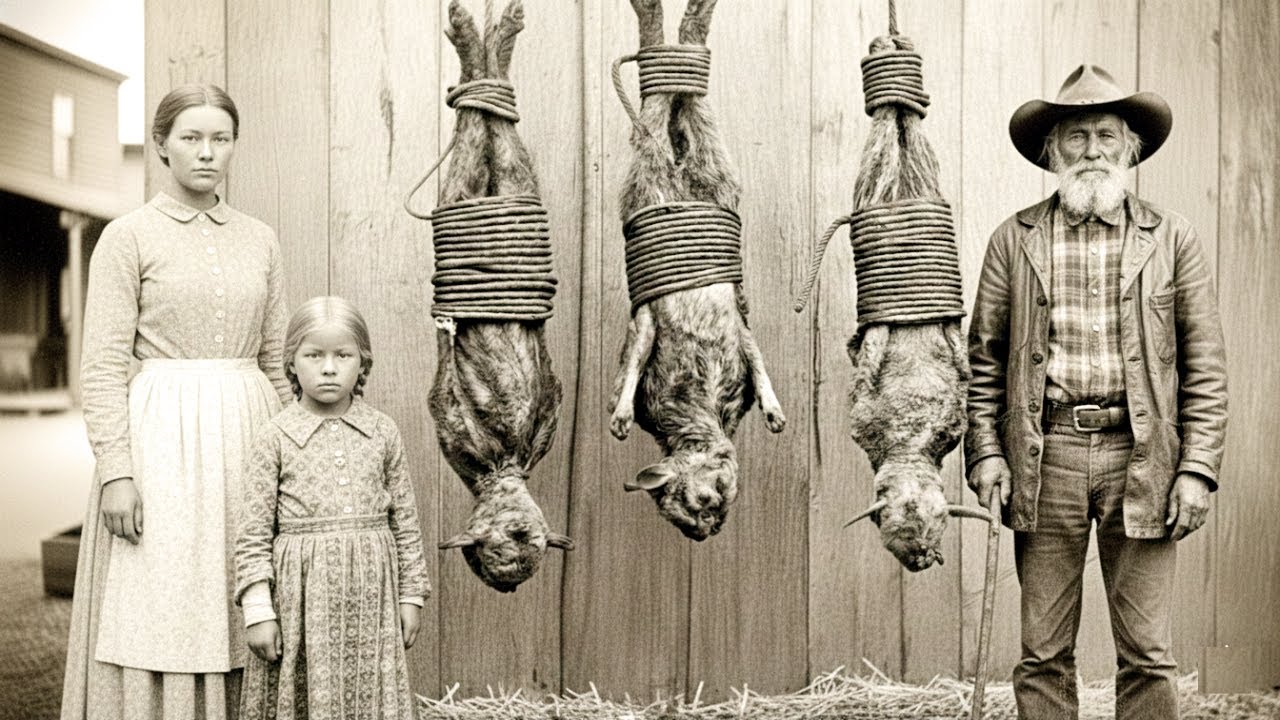
Pioneers on the trails in the 1860s faced a brutal choice: eat spoiled food or eat nothing at all. The dried meat they carried was often contaminated, and fresh fruit was a non-existent luxury. The result was scurvy on a massive scale. Gums bled, teeth fell out, and many died of malnutrition halfway to their destination. Historians estimate that hunger killed as many travelers as the dangers of the route itself.
5. The Predators That Hunted Humans
Wyoming in the 1870s was grizzly territory. These animals could hit 400 kilos and weren't afraid of people. Hunters would disappear in the mountains, and weeks later someone would find only bones and a rusted rifle. The guns of the time would jam and offered at most two shots before reloading. An angry grizzly can cover 15 meters in under two seconds. Wolves were another threat, traveling in packs of up to 20 and learning that lone humans were easy prey.
6. The War on the Plains
When thousands of settlers crossed the Great Plains in the 1860s, they entered lands that belonged to the Sioux, Cheyenne, and Comanche. These tribes were warriors defending their families and their way of life. The attacks were brutal, but the US Army didn't spare anyone either. Events like Sand Creek and Washita became infamous. It was a war of extermination on both sides.
7. The Vigilance Committees
San Francisco in the 1850s had almost no police and courts that took months to try a case. So, citizens formed vigilance committees to decide who was guilty and who deserved the noose. The problem was that all it took was an accusation. There was no lawyer, no real jury, and no chance to defend yourself. Many men were hanged over personal grudges or for being in the wrong place.
8. The Mines That Buried Men Alive

In Colorado in the 1870s, miners went down daily into holes that could become their graves. They worked 12 straight hours in the dark, breathing dust that wrecked their lungs. The tunnels were dug without engineers or real plans. When support timbers gave out, there was no warning. Hundreds of workers died buried alive every year, and many bodies were never recovered. Mine owners figured it was cheaper to lose men than to spend money on safety.
9. The Wells That Spread Fever
In 1880s Texas, ranchers dug wells near corrals without realizing they were creating deadly traps. Rain washed cattle waste into the groundwater, and the clear-looking water carried typhoid bacteria. Families drank it and cooked with it. Within weeks, entire families would run high fevers and slip into delirium. Towns would lose 10 or 20 people at a time. Doctors called it "frontier fever" and blamed bad air.
10. The Oregon Trail's Toll
Between 1840 and 1860, about 400,000 people tried to cross the United States in wagons. Rivers were the biggest nightmare because there were no bridges. A stronger current could flip a wagon, and many people drowned. Ravines took their toll too. Historians estimate that one in every 10 travelers didn't make it to their destination.
11. The Silent Epidemic
In the 1870s and 1880s, syphilis spread through the Old West like wildfire. Brothels in mining towns and railroad stops became the center of a silent epidemic. There was no penicillin, and the available treatments included mercury, which slowly poisoned the patient. When the final stage hit, the brain was attacked. Historians estimate that up to 15% of the adult population in certain towns carried the disease.
12. The Invisible Killers
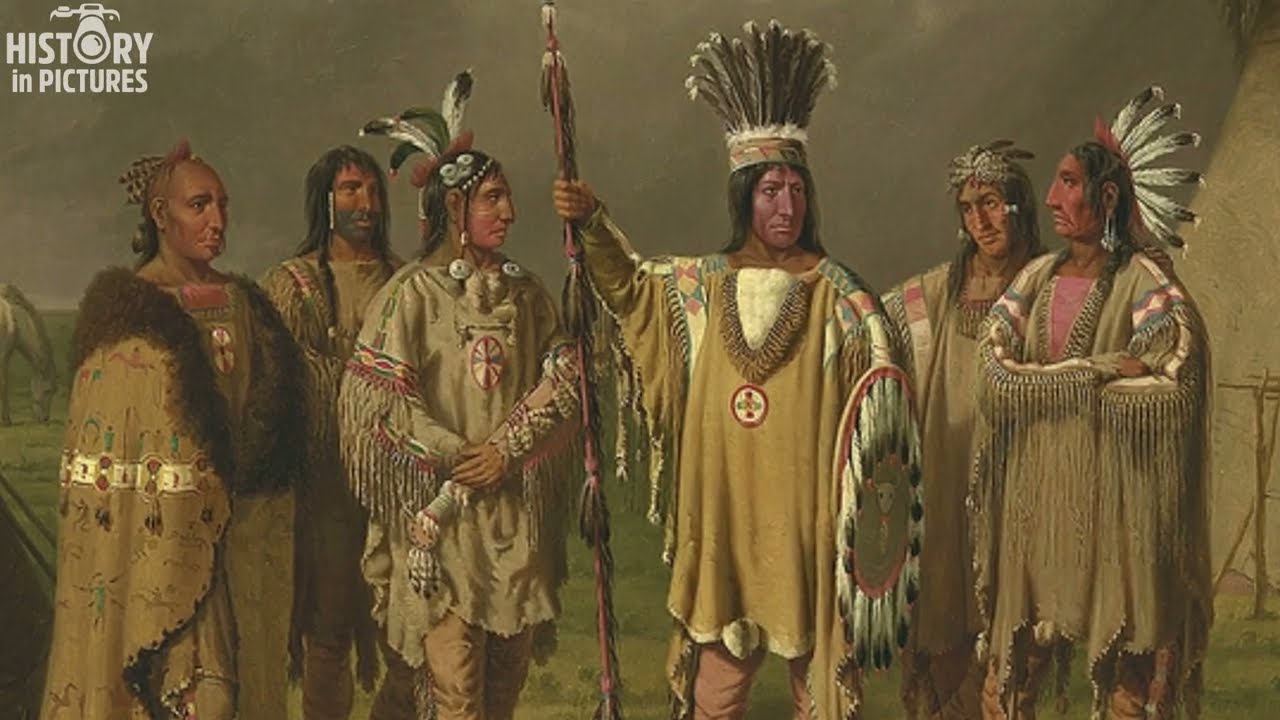
In 1880s Arizona, a rattlesnake bite was basically a death sentence. There was no antivenom, and cowboys tried everything from whiskey to tourniquets. Nothing really worked. But snakes weren't the biggest problem. Mosquitoes carried malaria and yellow fever, diseases that wiped out entire mining camps. A guy could survive shootouts but get sick from a tiny insect he never saw coming.
13. The Doctors Who Were Weeks Away
On isolated farms in the 1860s, a simple cut could turn into a death sentence. With no antibiotics or hospitals, infections took over fast. Many farmers learned to do amputations at home using a regular saw and whiskey as anesthesia. Records show that about a third of settlers never saw a professional doctor in their entire lives.
14. The Flash Floods That Came From Nowhere
In 1870s New Mexico, settlers learned that the desert doesn't mean dry land all year long. When summer rains hit distant mountains, water came down the canyons like a wall. The sky over a camp could be completely clear. In minutes, a dry riverbed would turn into a violent current sweeping away wagons, horses, and whole families.
15. The Luxury of a Bath
In the Old West, taking a bath was almost a luxury. Water was scarce and expensive, so people went weeks or months without really washing. Lice were as common as dust. Skin infections spread fast, and without antibiotics, a simple infected cut could kill. Barbers passed diseases using the same dirty blades, and hotels rented out beds without changing the sheets.
16. The Gamble of Stagecoach Travel
Traveling through the West in the 1870s was gambling with your life. Stagecoaches carried cash, gold, and passengers, making them perfect targets for gangs. Many robbers were ex-soldiers from the Civil War. Wells Fargo alone recorded more than 300 robberies in a decade. Passengers were often left with nothing, sometimes not even the clothes on their backs.
17. The Broken Bodies of Cowboys
During the big cattle drives in the 1860s, cowboys faced shifts of up to 18 hours a day on horseback. The human body isn't built for that. Records show that many of these men suffered heart collapses before turning 40. Some dropped dead right on the trail and were buried where they fell. Ranch owners knew it was cheaper to hire another hand than to give proper rest.