South Carolina was the Confederate state the North hated most, and the one Union forces most eagerly anticipated occupying. The Palmetto State had birthed secession and hosted the war’s first shots, and its fiery pro-slavery advocates were blamed for both. Many in blue uniforms held the state responsible for four years of death, destruction, and misery, and by late 1864, the soldiers gathering in Savannah craved retribution—so did their commander. On Christmas Eve, 1864, Major General William T.
Sherman wrote to Major General Henry Halleck, the Union Army’s chief of staff in Washington. In that letter, Sherman did not hide his feelings about the campaign ahead. He wrote that the whole army burned with an insatiable desire to wreak vengeance upon South Carolina. He added, “I almost tremble at her fate, but feel that she deserves all that seems in store for her.
”
The letter laid bare both the mood of the troops and the thinking of their general as they prepared to march north from Savannah into South Carolina. Sherman’s army had just captured Savannah, delivering the city as a Christmas present to President Lincoln, but the campaign was far from over. The next target was the state that had led the South out of the Union, and the men who had marched through Georgia were now set on making South Carolina feel the war’s full weight. The anticipated march into the state would prove devastating.
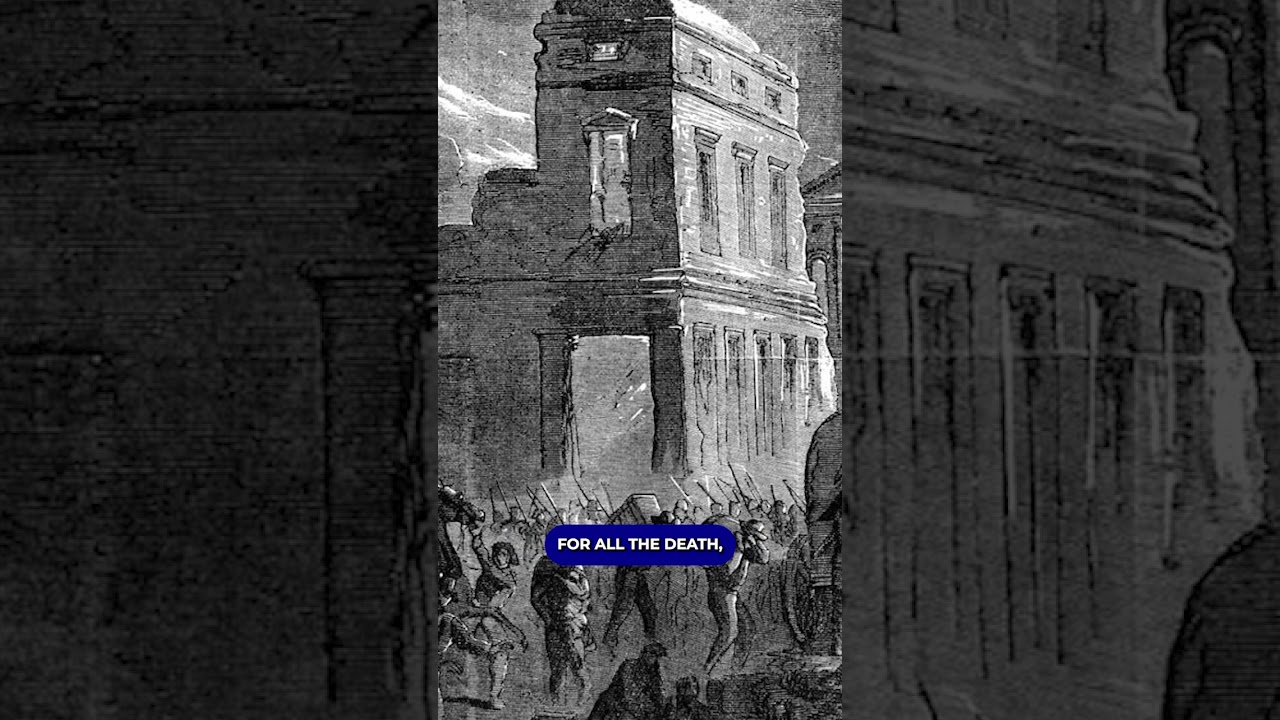
Sherman’s forces moved through the South Carolina countryside in early 1865, and the destruction was widespread. Columbia, the state capital, was set ablaze, and much of the city burned. The army wrecked railroads, mills, and plantations as it advanced, and the state suffered damage far more severe than what Georgia had endured. For many Union soldiers, the extra fury was personal—they held South Carolina responsible for starting the war and wanted it to pay a higher price than any other Confederate state.
Sherman’s Christmas Eve message to Halleck captured the intent before a single soldier crossed the border. He did not merely report military readiness; he acknowledged the emotional drive behind the coming operation. His admission that he almost trembled at the state’s fate, while insisting it deserved what was coming, framed the march as something more than a strategic maneuver. It was retribution, openly discussed at the highest levels of command.
The campaign that followed would become one of the most destructive episodes of the war, and Sherman’s own words show that the destruction was no accident. The vengeance he described was carried out on the ground, and South Carolina paid a price unlike any other state in the Confederacy. Historians have long pointed to the letter as evidence that the devastation in South Carolina was deliberate and tied directly to the state’s role in secession. Sherman’s correspondence shows a commander who understood the anger of his men and shared it.
The march through South Carolina was not simply a military necessity; it was, by his own admission, an act of punishment against the state he and his army blamed for the war itself.