The creator behind the true-crime channel Cold Cases Solved has described how decades-old investigations are often reopened not by dramatic new confessions, but by overlooked physical evidence and advances in forensic technology. In a detailed overview of the channel’s mission, the narrator, who identifies herself as Bree, explained that many cases which sat unresolved for years were eventually cracked by something small—a fiber preserved by chance, a DNA sample finally run through a modern database, or a tip that had not been properly pursued during the original inquiry. The channel specializes in long-form documentaries that walk viewers through real cold cases from start to finish. Each episode covers the crime itself, the initial investigation, the years the case sat untouched, and the breakthrough that finally led to a resolution, sometimes decades later.
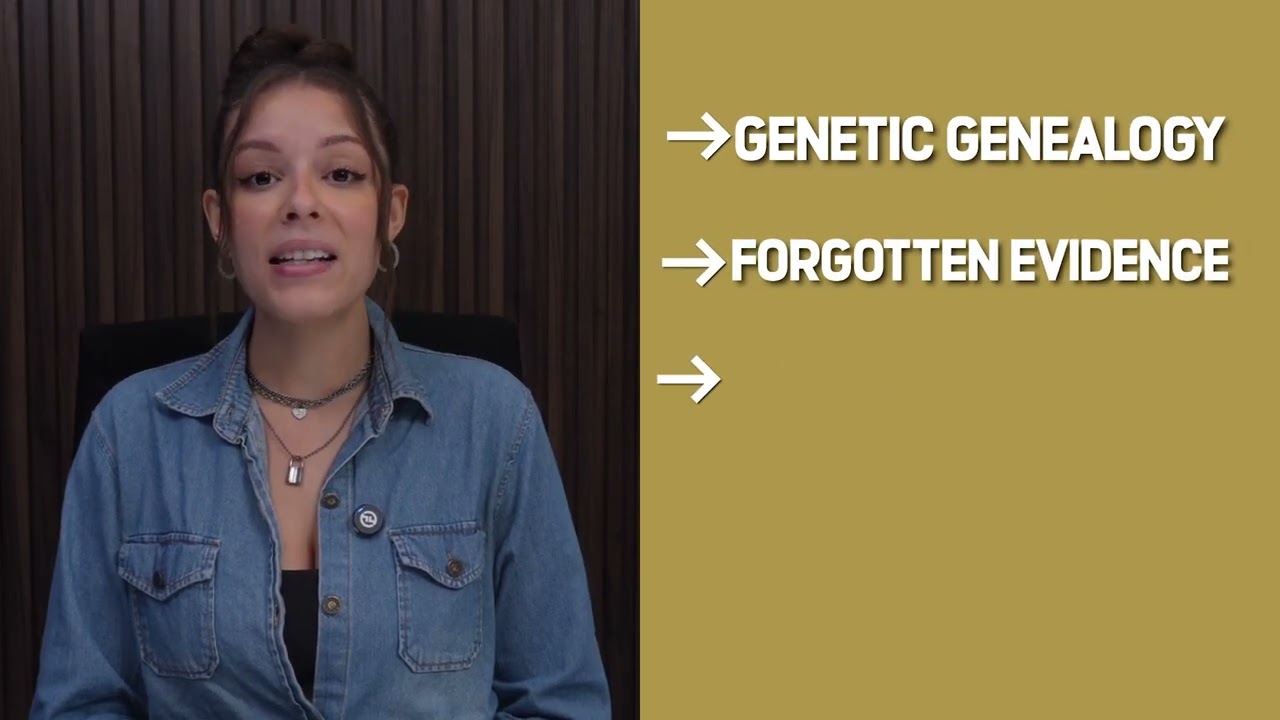
The focus is on understanding not only who committed the crime, but also why these cases remained unsolved for so long in the first place. According to Bree, the content looks closely at genetic genealogy, forgotten evidence, and the actions of detectives who may have let cases go cold. The underlying aim is to examine the turning point—the exact moment a case everyone had given up on suddenly moves again. Rather than relying on speculation, every episode is built from real reporting, newspaper archives, court documents, and statements from investigators and family members.
The channel’s stated goal is to ensure viewers know the material is grounded in what actually happened, not in rumor or invention. Bree also invited viewers to suggest cold cases they believe deserve a closer look, describing the format as a space for those drawn to stories of murders, disappearances, and unsolved mysteries that stayed cold for decades until something finally changed.