On April 1, 1988, eight-year-old April Tinsley left her home in Fort Wayne, Indiana, for what should have been an ordinary day. She was a child who filled a room without trying, known for her small preferences and her unguarded trust in the world around her. Her neighborhood felt safe, and her routine was built on the familiar rhythms of school, family, and the casual bravery children borrow from habit.
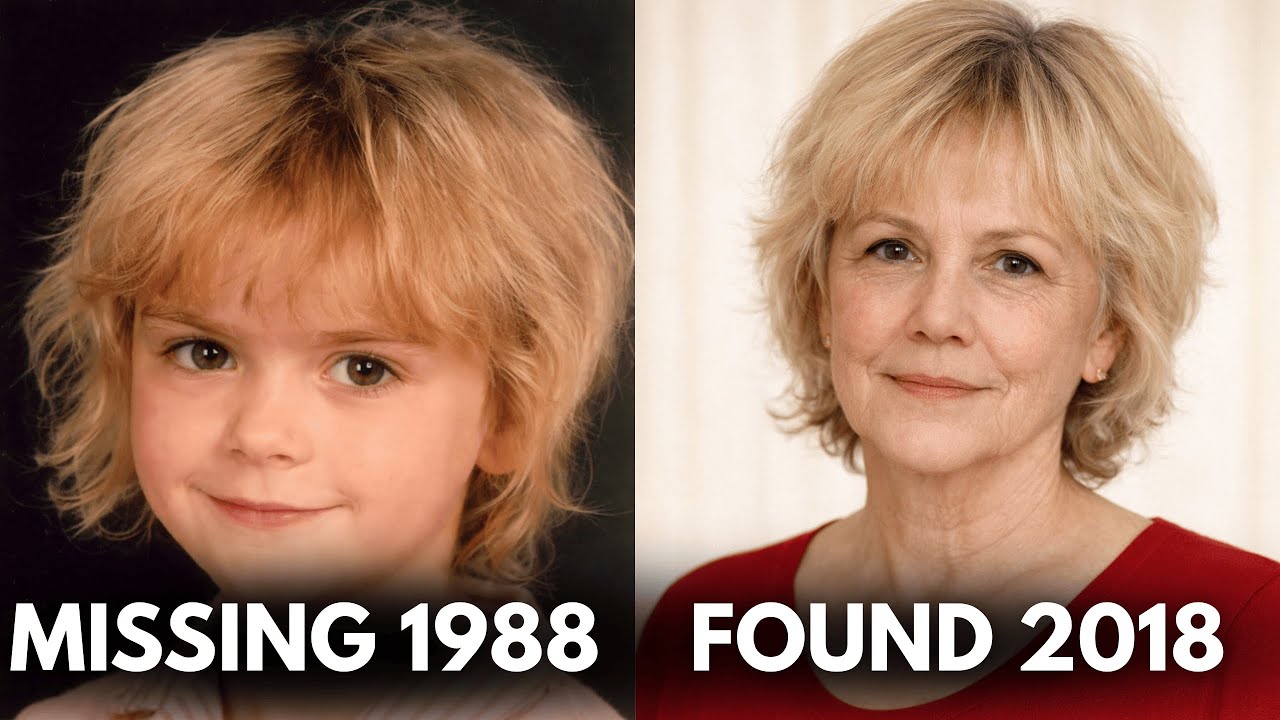
When April did not return as expected, her family’s initial disbelief quickly hardened into panic. A missing child changes the air in a house, and the search that followed was frantic and desperate. In 1988, investigators worked without the modern tools that are now standard. There were no widespread surveillance cameras, no phone location trails, and forensic science did not yet have the reach it has today. Tips arrived by phone and in person, and every lead had to be weighed against the noise of a high-profile case.

On April 4, 1988, three days after she disappeared, April Tinsley was found deceased. The discovery turned a missing person case into a murder investigation, and the grief became permanent. The community lost more than a child; it lost the sense that the world could be counted on. Witness memories shifted, rumors spread, and evidence that might have been definitive was partial or degraded. Months turned into years, and the case eventually went cold, not with an announcement, but with a gradual exhaustion of certainty.

Decades passed, and the world changed in ways that mattered for cases like April’s. Forensic science grew more powerful and more connected. Evidence that once could only be described could now be compared. Cold cases began to reopen, not because the past changed, but because the present finally knew how to listen to what the past had left behind. Detectives revisited storage rooms, rechecked labeling, and submitted items for newer forms of analysis. Progress often looked like paperwork, but inside that slow machinery, something extraordinary was happening.
The breakthrough in April Tinsley’s case did not arrive as a dramatic confession. It came through science, through a match that did not care how much time had passed. What decades of interviews and tips could not accomplish, forensic progress could. In 2018, authorities announced an arrest in connection with April’s murder: John D. Miller of Fort Wayne. For a community that had carried the case since 1988, the effect was a collision of decades of grief meeting the sudden reality that the accused had lived in the same city, in the same world, while April’s family lived with a hole that never closed.
The confirmation of identity in such cases is not just an investigative achievement. It is a moral one. It says that a child’s life mattered enough to keep the evidence, to keep the file, and to keep the door open long enough for the future to catch up. Nothing can return April Tinsley to the life she should have lived, and no sentence can restore the years stolen from her family. But accountability matters because it draws a line the world needs drawn. This happened. It was wrong. And it will not be treated as a story that fades into the background.
April Tinsley deserves to be remembered as more than what was done to her. She was a child who existed fully, whose life was real, whose absence was felt, and whose name never belonged to the criminal who hurt her. The most respectful thing we can do is keep the story anchored where it belongs: on her humanity, on the truth, and on the long path it took to reach accountability.