In 1897, Martha Hensley became the first woman in Kentucky sentenced to hang for murder, but the conviction was only the final act in a pattern of death that had quietly plagued Breathitt County for more than a decade. Court records and testimony gathered years later suggest she systematically married and killed multiple men in the remote hollows of the Cumberland Mountains, and the trail of suspicion began long before her trial. Born Martha Colbmes in 1858, she married Samuel Hensley in 1881 and moved into a two-room log cabin overlooking Troublesome Creek, miles from the nearest neighbor. The isolation meant the household was rarely observed, and for the first few years, the marriage appeared unremarkable.
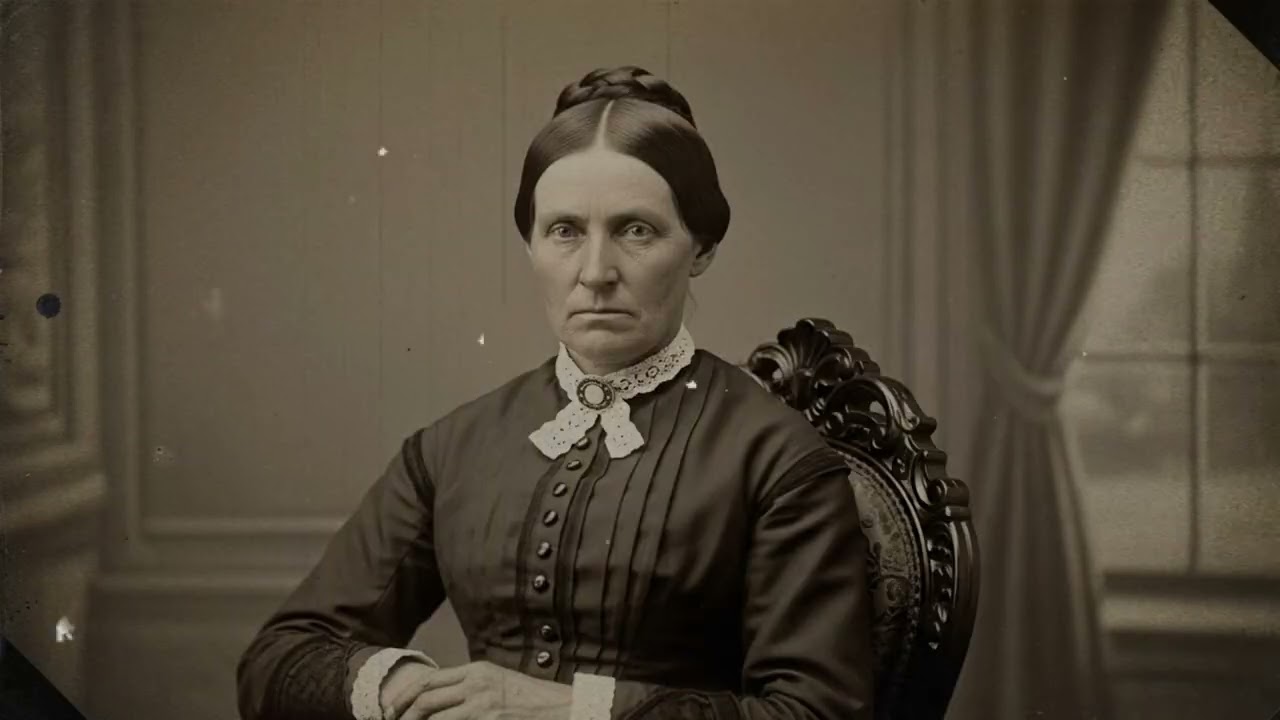
That changed in October 1884 when Samuel was found dead in his tobacco barn, apparently fallen from the loft. The local justice of the peace, James Breathitt, ruled it accidental. A broken neck was listed as the cause. Neighbors later recalled that Martha showed little emotion at the funeral, and within six weeks, she was receiving visits from a widower named William Porter.
Martha and Porter married in February 1885. In September 1887, Porter was found dead, floating face down in Troublesome Creek, a head wound on his skull. Officials ruled accidental drowning, noting a nearly empty bottle of whiskey near the bank. But Porter was known as a cautious man who rarely drank heavily, and the fish traps he supposedly had been setting were never found.
Suspicion in the community remained unspoken. In June 1888, Martha married James Colbmes, a much younger distant cousin who brought little to the marriage. He soon began improving the farm and spoke of opening a store in Jackson. In November 1889, Martha left for a three-day visit to her sister.
She returned to find Colbmes dead on the cabin floor. A local physician, Dr. Harrison Miller, noted severe gastrointestinal distress and an odd odor from the body. Even so, the death was ruled natural causes.
Martha’s absence was considered an unshakable alibi. In October 1892, Martha married Thomas Breathitt, a nephew of the justice of the peace. He came from a prominent family, and their wedding was held in town as a show of confidence in his bride. In April 1894, Thomas died suddenly while working in his fields.
Dr. Miller found no signs of external injury and privately noted that the sudden death of a healthy man without preceding symptoms was unusual. He also recorded similarities to the death of James Colbmes. Thomas’s family began speaking openly about their suspicions.
Martha had been named the primary beneficiary in his will just weeks before his death, and she had inherited more property from this marriage than from any previous one. No formal investigation followed, but the community responded with open hostility. At Thomas’s funeral, Martha was asked to leave. She retreated to the remote hollow, sold Thomas’s property, and lived largely as a recluse for nearly two years.
That quiet ended in 1896 when she began seeing a traveling salesman named Daniel Morgan. By the spring of 1897, Morgan’s visits had become frequent, and Martha was buying men’s clothing and additional furniture. In July 1897, Morgan disappeared. Merchants who depended on his rounds noticed that he had missed appointments, and a group traveled to Breathitt County to investigate.
Martha claimed Morgan had left for Virginia to collect his belongings. But his mule, wagon, and personal documents were found hidden on her property, along with his leather satchel containing money and receipts. When confronted, Martha admitted Morgan had died at her cabin. She said she buried him on her property rather than report the death, fearing she would be blamed.
Investigators found his remains near Troublesome Creek. Dr. Miller concluded Morgan had likely been poisoned. The discovery opened a broader investigation into the deaths of Martha’s four previous husbands.
Investigators eventually concluded she had likely been responsible for at least five deaths, including Morgan’s. No additional charges were filed because the bodies had been buried for years and legal evidence was thin. A grand jury indicted Martha for Morgan’s murder in September 1897. Her trial began in November in the Breathitt County courthouse.
The prosecution relied on the physical evidence and Dr. Miller’s testimony about poisoning. The defense argued that the forensic analysis was speculative and that Martha’s false statements came from fear of being accused. The jury convicted her of first-degree murder in less than two hours.
She was sentenced to death by hanging. The execution was postponed during appeals, and her case became a cause for legal reformers and women’s rights advocates who argued she had been convicted on circumstantial evidence and community prejudice. In June 1899, the Kentucky Supreme Court overturned the conviction, ordering a new trial in neighboring Perry County to escape local bias. That trial never took place.
In August 1899, Martha escaped custody during a stop in Hazard, reportedly with the help of unknown accomplices. She was never captured. Over the following years, unconfirmed reports placed her in West Virginia, Tennessee, Texas, and California, but none were verified. Investigators believed she likely died in the early years of the twentieth century, either of natural causes or possibly through violence if her identity was discovered.
The case prompted reforms in rural Kentucky law enforcement, including stricter requirements for medical examinations of sudden deaths and better coordination between jurisdictions. It also became an early example of what would later be understood as serial murder, though that language was not used at the time. In 1967, construction workers building a highway near Breathitt County found the remains of a woman who had died years earlier. Clothing and personal items suggested a possible link to Martha Hensley, but positive identification was impossible.
Whether those remains were hers remains unknown. Martha Hensley disappeared from the historical record as completely as she had stepped off the road in Hazard. Her exact methods were never proven, and the full extent of her crimes was never established with certainty.
The case remains one of the most disturbing criminal episodes in the history of rural Appalachia.