On August 17, 1987, a single guard completed his rounds in Spandau Prison, West Berlin. Inside the vast, empty fortress, one cell was occupied. An old man lay motionless on the floor with a thin cord around his neck. He was prisoner number seven, the last remaining inmate of a Cold War relic. He had received no visitors, no letters, and no company for 21 years.
The man was Rudolf Hess, the former Deputy Führer of Nazi Germany. He had just died alone at the age of 93, ending one of the most unusual and controversial incarcerations in modern history. The world had listened to the debates about his fate for decades, but a single document from 1966 changed everything. It exposed why prisoner number seven became a permanent fixture in Spandau’s echoing halls, revealing how justice morphed into symbolism and how Cold War rivalries hijacked accountability.
The mystery isn’t whether Hess deserved prison. The Nuremberg trials settled that. The question is why the system refused to let him go when all others walked free. The story begins on May 10, 1941, when a lone Messerschmitt roared over the Scottish moors. Hess, climbing into a customized BF-110 fighter with no escorts, left a scribbled note for Hitler and filed a vague flight plan for a test flight over the North Sea.
Hours later, he crash-landed in a farmer’s field near Eaglesham, Scotland. His parachute tangled in hedges, he approached a local plowman and said, "I am Rudolf Hess. Take me to the Duke of Hamilton." Hess believed Hamilton led a secret British peace faction. Whether it was a delusional ploy or a calculated gamble, historians still argue. But that moment flipped his trajectory from power center to international enigma.
Captured immediately, Hess was shipped to the Tower of London. Churchill dubbed it the "Hess riddle." Hitler declared him mad and a traitor, publicly disowning him. Hess had joined the Nazi party in 1920 and ghost-wrote *Mein Kampf* during Hitler’s imprisonment in Landsberg. By 1941, Germany was stalling on two fronts, and Hess dreamed of brokering an armistice that would let Britain exit the war and focus on the Soviets.
His solo mission bypassed diplomacy and failed spectacularly. But the real consequence unfolded after the war. At the Nuremberg Palace of Justice in October 1945, Allied prosecutors sifted through mountains of documents. Hess appeared before the International Military Tribunal, gaunt and erratic, with his defense claiming amnesia from crash injuries. The tribunal ruled him competent to stand trial on charges of conspiracy, crimes against peace, and planning aggressive war.
On October 1, 1946, judges sentenced Hess to life imprisonment. He was convicted not for battlefield orders but for providing the ideological foundation for the regime. Transferred to Spandau Prison in the British sector of West Berlin in October 1947, he joined six other Nazi leaders. The prison was jointly administered by the four Allied powers, who rotated monthly command. Rules were ironclad: no releases without consensus, and annual reviews were possible, but veto power was absolute.
Spandau held 600 cells for just seven men. Hess was number seven. Routine ground on with 7 a.m. wake-ups, manual labor, and monitored walks. But cracks emerged early. In 1954, Admiral Raeder was released for health reasons at age 79. In 1955, Economics Minister Funk was freed with terminal cancer. In 1957, diplomat Neurath, frail at 83, was released. In 1958, Grand Admiral Dönitz was let go due to health decline.
Each exit was unanimous, and the prison emptied by 1960. Architect Albert Speer and youth leader Baldur von Schirach served reduced times and were paroled in 1966 on good behavior. But then came the deadlock. By October 1966, Spandau housed three men: Hess, Speer, and Schirach. The Soviet Union blocked further releases as the Cold War intensified.
Berlin was divided, and Khrushchev demanded Hess stay as a Nazi symbol. Western powers pushed for mercy, citing Hess’s age of 72, Parkinson’s tremors, and incontinence. Family petitions flooded in from his wife Ilse and son Wolf Rüdiger. The Red Cross appealed, and petitions went to the UN, but Moscow vetoed them all. Speer and Schirach walked free on October 31, 1966. Hess watched from his cell window as trucks carried them out.
From that point, he was alone. One man in a facility for hundreds. Guards rotated through, with 165 Soviet, 75 British, 40 French, and 30 American personnel annually. The cost ran into the millions each year, a taxpayer-funded standoff. Solitary confinement wasn’t an oversight; it was policy. The Soviet rationale was to prevent martyr status. Hess’s son toured Europe claiming his father was a man of peace, and neo-Nazi groups circled. Moscow feared Spandau as a rallying point.
Western allies countered that humanity demanded release. Annual reviews became rituals. In 1967, the US proposed parole; the USSR said no. In 1968, France suggested medical discharge; the veto pattern locked in. Hess deteriorated, falling and fracturing bones. He went blind in one eye and became wheelchair-bound. Yet the system endured because it served dual purposes: punishment for Hess and leverage for the Soviets.
The prison became a microcosm of the Berlin crisis. The 1948 blockade, the 1961 Wall, and the prison vetos all sank with the same crisis. Hess complained, "I am the last hostage." His family smuggled messages, and his son petitioned President Carter in 1977, but was denied. Public pressure built as media tours showed empty corridors and echoing cells. Hess gardened alone, tended his plot obsessively, read smuggled books, and whispered to birds.
The psychological toll was immense, but the system remained rigid. In the 1970s, health crises mounted. In 1976, Hess was hospitalized briefly and put on suicide watch. Official reports noted depression induced by isolation. Western doctors urged release; Soviets insisted he was faking. By his 85th birthday, protests erupted outside the prison. Gorbachev signaled a thaw, but the veto persisted.
Allies debated demolition before release to prevent a shrine. Hess endured, walking frail laps with one guard per shift. He ate meals alone, had no radio, and limited news. The world moved on with moon landings, the end of the Vietnam War, and the rise of computers. He faded into the background. On August 17, 1987, the official verdict was self-inflicted death. His body was returned to his family and buried in a single grave.
Neo-Nazis attended the funeral, and fears were realized. Allies moved to erase the symbol. Declassified cables from 1966 revealed a Soviet memo stating Hess remained a guarantor against revanchism. A US State Department cable called him an "anachronism burdening the alliance." Four-power logs documented 21 years of vetos. Nuremberg transcripts showed the life-term rationale: Hess was the ideological architect.
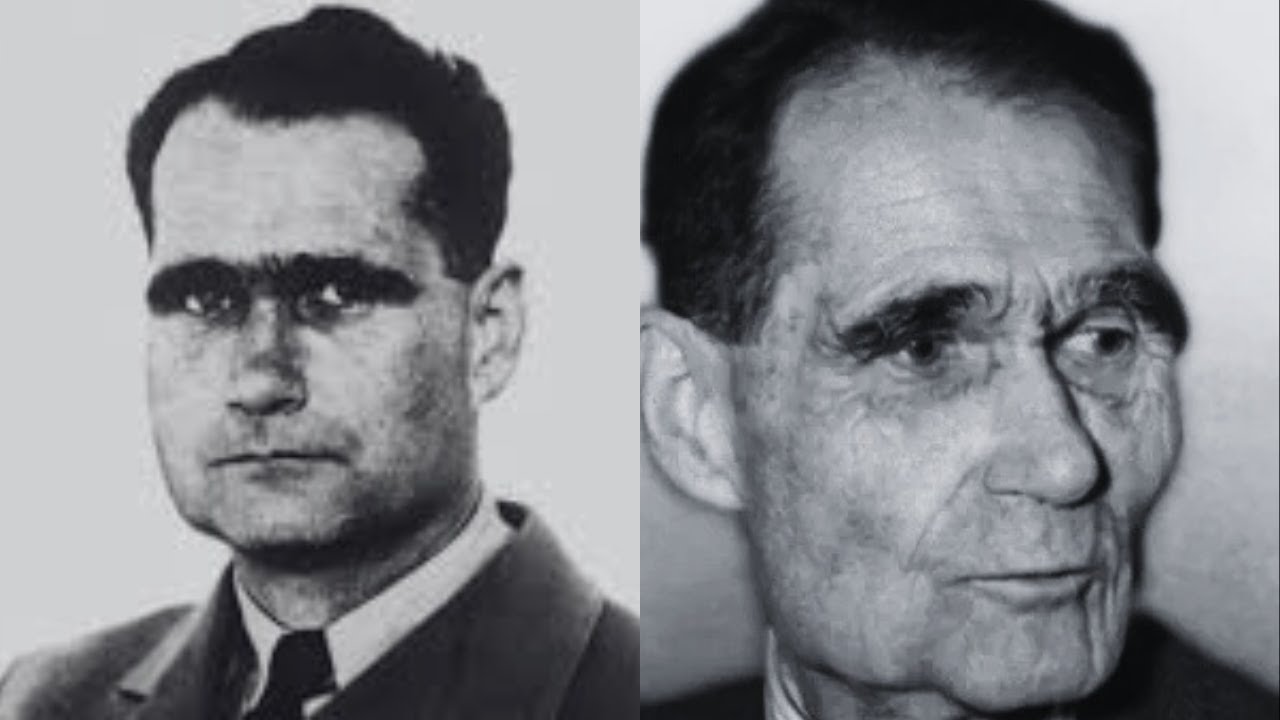
This bureaucracy wasn’t vengeance alone. It was Cold War utility. Hess was a pawn, and justice was delayed into absurdity. The system punished one man to symbolize all. Spandau’s four-power yoke was unique. No other Nuremberg site endured. Symbolism outweighed cost. Hess embodied unresolved Nazi questions, and his flight mystery fueled theories of doubles, mind control, and real peace bids.
His son insisted the Scotland mission was authorized and that suppressed evidence was thin. British files were sealed until 2017, with partial release showing no smoking gun. Daily reality after 1966 was surreal. Hess paced a 300-meter track alone while guards watched from towers with rifles ready. Soviet shifts were strictest, with no conversation. British shifts were laxer, allowing chess games. French shifts included medical checks, and American shifts brought holiday treats.
Hess manipulated the system, faking illnesses for hospital breaks. In 1969, a colon cancer scare proved benign. He leveraged isolation complaints. His wife Ilse visited monthly until a 1969 ban. His son Wolf published *My Father*, portraying Hess as a victim, which boosted far-right support. Soviets cited this as danger. In the 1980s, thaw tests came with Reagan and Gorbachev summits. Reagan gave his "Tear down this wall" speech in 1987, months after Hess died.
The Wall fell in 1989, and the last prisoner outlived the division. The death aftermath fractured the narrative. The official suicide note was absent, but history showed prior attempts: a parachute faint in 1941 and pills in 1977. The family’s autopsy suggested a broken neck, indicating a struggle. MI6 theories and KGB hit speculation were labeled alleged and unproven. The Berlin coroner’s hanging verdict was consistent with age and frailty.
Demolition was deliberate. Bulldozers leveled the prison on August 31, 1987, and trees were planted over the site. Allies prevented a neo-Nazi Mecca, and pilgrimages fizzled. The legacy tension remains: justice versus excess. Nuremberg was an accountability cornerstone, but Spandau was punishment in perpetuity. Hess lived 46 years after his trial, 21 of them alone. Others were freed timely, and the inequality rankles.
Prisoner number seven symbolized an unfinished reckoning. The Cold War kept him breathing. Postwar justice evolved with Eichmann captured in 1960, Barbie in 1983, and Pinochet in 1998. Accountability became transnational, but Spandau was an outlier relic of victor monopoly. The Hess case probes when serving time becomes an exhibit. At age 93, rehabilitation was moot. Vengeance and deterrence had faded.
Modern echoes include Guantanamo Bay, with solitary icons and politics over persons. The human cost was immense. Hess’s aviator dreams were crushed, his loyalty betrayed, and his isolation eroded his mind. Guards reported paranoia and visions. His son’s crusade fueled denialism. Allied calculus prioritized unity over mercy, and the fracture risk was too high. The 1966 release proposal was met with Soviet revival fears and US compassion, creating a stalemate.
The 1987 cables post-death showed relief. Demolition was packed and swift. This wasn’t simple incarceration; it was geopolitical theater with one actor. The moral crux is whether punishment was proportional. Nuremberg intended finite justice, but Spandau delivered indefinite symbolism. Declassified documents revealed the quiet calculus behind the vetos. Soviet diplomats in 1967 described Hess as the living embodiment of fascist guilt, a bargaining chip in Berlin negotiations.
Releasing him risked more than embarrassment; it threatened the narrative all four powers had built since 1945. That narrative rested on Nuremberg’s foundation. Prosecutors argued that without Hess’s scaffolding, there would be no Holocaust machinery. The life sentence fit, with no death given mental state questions, but no mercy for the architect. Transfer to Spandau cemented it. The prison opened amid rubble and a divided Berlin.
The agreement allowed releases only by unanimous vote or a 3-to-1 majority. It was designed for seven inmates anticipating paroles. Hess was number seven, youngest at 52, while others were older and frailer. The system anticipated turnover but got deadlock instead. Early releases tested the gears. In 1954, Raeder’s health petition succeeded with Soviet concurrence. In 1955, Funk’s cancer ravaged him, and even Soviets nodded. The pattern held.
But by 1966, the landscape shifted. Speer and Schirach were in their mid-60s and petitioned on humanitarian grounds. The Western trio approved, but Moscow alone dissented. Cables hinted at a neo-Nazi uptick in West Germany. Hess’s son emerged at 28, touring with the message that his father was no war criminal. Book sales climbed, and far-right pamphlets invoked Spandau. The Kremlin saw shrine potential and dropped the veto.
On October 31, 1966, the gates opened. Speer emerged with a pressed suit and waved briefly. Schirach followed, stooped. Hess peered through bars from his third-floor cell. Trucks rumbled away, and silence descended. From 600 cells, one was occupied. Guards tripled patrols initially, then normalized. Books were censored, history banned, and novels allowed. Hess memorized the garden and counted bricks.
Isolation bred leverage. In 1968, Hess made his first suicide attempt with a hanging faint. He was hospitalized and examined. Western doctors diagnosed depression and Parkinson’s onset. Petitions surged, but Soviets countered malingering. The pattern repeated. In 1976, a colon scare led to a laparotomy that revealed nothing. Each episode spotlighted the farce. Media leaks called him the world’s loneliest man. Petitions hit 100,000 signatures by 1970.
The UN Human Rights Commission debated but gained no traction. Soviet block stonewalled. Spandau mirrored Berlin. The 1948 blockade tested resolve, the 1953 uprising, and the 1961 Wall. Prison vetos sank with each crisis. In 1967, the Six-Day War rippled, and Soviets hardened. In the 1970s, détente thawed with Nixon’s visit to China and the Helsinki Accords, yet Hess stayed. The symbol outlived utility.
The family fought on the front lines. Ilse Hess was widowed in 1995 but fierce in the 1960s and 1980s. She visited monthly until the 1969 Soviet ban, claiming security. Smuggled notes told the world of injustice. Wolf Rüdiger, a lawyer, founded the Free Rudolph Hess Committee in 1977. He toured the US and met congressmen, claiming his father held secrets on Hitler’s death and Allied plots. Conspiracy whispers grew.
MI6 files partially released in the 1990s mentioned Hess’s peace feelers pre-flight, fueling doubts. Institutional strain mounted. Guards rotated, with 300 Soviets yearly, stern and silent. British guards were chatty and slipped chess boards. French doctors noted decline, with eyesight gone in the left eye by 1970. American shifts offered humane holiday treats. Costs ballooned to 5 million DM annually by 1980, and taxpayers grumbled.
The Berlin Senate proposed solo funding but was vetoed. In 1982, at age 88, Hess fractured a hip and became permanently wheelchair-bound. Soviet shifts hesitated as Gorbachev rose. No annual review was held. The French proposed medical release, but the USSR said he was fit enough. Hess gardened frail but upright. Public protests erupted in the zero zone outside the gates, and police clashed with neo-Nazis. Moscow cables cited martyrdom prevention.
Daily grind etched its toll. Hess muttered to sparrows and counted footsteps, doing 200 laps yearly. He dreamed of Bavaria. Guards reported paranoia, with Hess claiming the British poisoned his food. Official logs noted a 1978 escape plot rumor, with a son bribing guards, but it was investigated and dismissed. Psychological profiles showed resilience with an ideological core intact.
The endgame arrived in 1987. On August 16, the routine was normal. Evening meal, guard locked the door at 9 p.m. On the morning of the 17th, a cell check found the body on the floor with a cord from the window latch. The neck was elongated with ligature marks. Autopsy determined asphyxia, self-inflicted, at age 93, weighing 110 pounds. But the verdict was contested instantly.
A second exam found a broken hyoid bone, suggesting homicide. Bruises on the arms and guards absent for 30 minutes during a shift change fueled theories. KGB silencing, British coverup, and flight truths swirled. Official suicide aligned with prior attempts: 1941 pills and 1977 razor. The family reburied him in Wunsiedel, where 800 attendees, including skinheads, chanted. Fears were realized.
Allies acted on August 31 with demolition. Explosives leveled the walls, and the ground was razed and planted over. The site became a park and later a mall with no marker. Soviet approval was instant, and the threat was neutralized. But underlying documents indicted the system. A 1966 pilot bureau minute stated Hess’s detention deterred fascism revival. A US memo from 1982 called it a humanitarian embarrassment. A French cable from 1985 urged release or raised unity.
Nuremberg’s life term was based on active participation in planning. Hess’s diaries seized showed occult rants and loyalty oaths. This was an oversight calculated for permanence, with justice bent to geopolitics. The flight dossier from 1941 included Hess’s note to Hitler acting for the Reich’s future. Interrogation transcripts named British aristocrats with claims of contacts via Sweden. MI5 files found no faction. Hitler’s reaction was to call him a traitor and insane, purging Hess loyalists.
Postwar, the defense used the peace mission to argue against aggression. Nuremberg cross-examined Hess as he feigned amnesia from crash effects. Psych evals suspected malingering, but evidence overrode. The 1923 push, the 1934 Night of the Long Knives role, and the purge room sentencing rationale were all cited. The deputy enabled dictatorship. Spandau logs declassified in the 1990s showed 21 years of solitude entries.
Inmate refused food, protested, complained of visions, and had medical issues like arthritis and heart problems. Soviet vetos blocked specialists. The Cold War nexus clarified: NATO formed in 1949, Warsaw Pact in 1955. Spandau tested cohesion. In 1961, Kennedy and Khrushchev met in Vienna, and the Berlin Wall cemented the divide. The prison endured. Public campaigns peaked in the 1980s with Amnesty International calling it cruel punishment.
Wolf Hess sued in European courts but was dismissed due to Allied jurisdiction. Media specials aired, and smuggled interviews showed Hess saying 46 years was enough. Death fractured consensus. The coroner’s report showed a ligature furrow upward, consistent with hanging a frail man. Toxicology was clean, but the family hired experts who found a neck fracture, a homicide hallmark. Unproven allegations remained. Allies closed the book.
Demolition symbolism peaked with cranes toppling towers and dust clouds over Berlin. The Gorbachev era dawned, and unity dissolved. In 1990, Germany merged, and Spandau became a footnote. The legacy interrogates punishment’s endpoint. Nuremberg was finite, but Spandau was infinite. Hess outlived his co-defendants by decades. Speer died free in 1981. The moral victor’s justice was elastic.
Broader systems were exposed. Post-tribunals evolved with Tokyo and Eichmann, and universal jurisdiction rose. But symbols became a snare. The human element lingered. Guards’ memoirs revealed they pitied him. His final words were reportedly "Long live Germany." The official log was unbroken. His son’s denialism endured in books claiming innocence, fueling fringes. Allied internal relief was captured in cables.
The core revelation is that one flight, one sentence, and one veto chain turned justice into superpower chess. The unanswered question of the flight’s true motive teases sealed files. The gears of the four-power machine weren’t just seized; they were deliberately jammed by memos prioritizing power over people. Declassified State Department cables from 1968 revealed American diplomats pressing that one invalid in a fortress symbolized disunity.
French equivalents echoed that humanitarian release preserved moral high ground. British files admitted taxpayer strain. Soviet response was uniform: no. Because Hess, frail as he became, embodied a red line. Cross it, and the entire Nuremberg verdict risked unraveling in Moscow’s narrative. Keep him, and fascism stayed chained. The trial’s core evidence sealed his permanence. Nuremberg document PS2827 was Hess’s own 1934 memo consolidating party control.
Prosecutors displayed it, showing absolute loyalty to the leader eliminated internal threats. Cross-referenced with Night of the Long Knives files, Hess authorized execution lists. He wasn’t the trigger puller but the enabler. Judges noted that without this deputy structure, there was no total war apparatus. The life sentence landed precisely because death seemed merciful for the survivor who watched the regime devour itself.
Spandau’s early years exposed the system’s fragility. In 1947, seven men arrived with varying health. Hess was vigorous and gardened aggressively. Speer intellectualized labor, and Schirach brooded. Rotations began, with the American month lenient and garden expansions allowed. Soviet shifts were strict, with no books after 9 p.m. Tensions simmered. In 1951, a suicide pact was rumored, but Hess declined. First health pleas came in 1953 with eye issues, denied.
Releases accelerated after Stalin’s death in 1953. The thaw didn’t change the pattern. Elders went first. In 1966, the tipping point came. Speer’s petition cited 20 years served and remorse demonstrated. Schirach repudiated youth indoctrination. Western allies signed, but the Soviet delegate stood. Hess remained the highest-ranking alive, and release invited glorification. The vote was three to one, and the gates clanged shut.
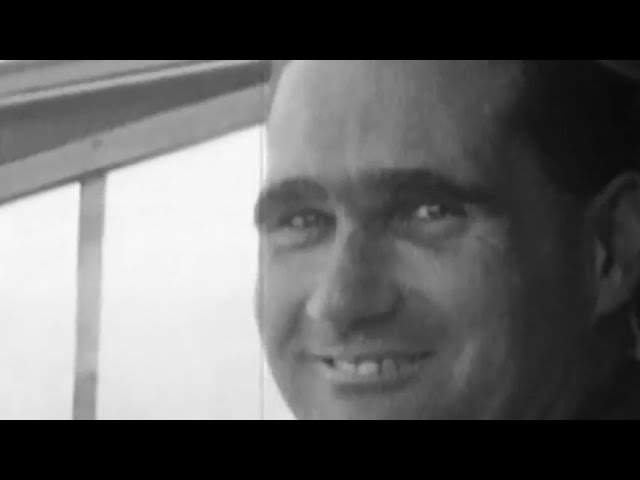
Hess was alone. Costs jumped with solo utilities and psychological monitoring. Guards reported the inmate talked to shadows. Isolation’s anatomy unfolded in medical appendices. Parkinson’s was confirmed in 1969 with tremors and falls. Western physicians petitioned annually, citing incurable decline warranting mercy. Soviets demanded full exams and claimed malingering proven. In 1971, a faint heart attack led to a hospital stay and x-rays, a propaganda win for the family.
Wolf Rüdiger amplified press conferences claiming torture chamber conditions. Geopolitical undercurrents surged with the 1972 Basic Treaty between West Germany and East Germany, but Spandau was ignored. The 1975 Helsinki Final Act included a human rights clause, and Amnesty cited it. Petitions went to Wilson and Ford, but the veto held. Historical justice superseded family. Ilse Hess’s visits in the 1960s were through glass, with whispers. The 1969 ban came after a Soviet guard overheard plotting.
The son’s committee raised millions in DM fundraisers. In 1978, the book *The Lonely Prisoner* claimed Hess knew Hitler escape secrets. Conspiracy theories bloomed with Antarctic bases and doubles. Official dismissal called it delusion. The daily ledger painted a portrait of the 1970s: 200-meter walks shrank to shuffles, diet was potatoes and bread with supplements vetoed, and approved books went to politics banned. Hess recited poetry aloud, and guards noted a 1974 vision of eagles from the Reich flying.
Mental erosion was documented, yet ideology persisted. Hess saluted guards defiantly. The 1980s accelerated with Reagan-era pressures and Gorbachev’s perestroika hints. The 1984 review saw the US push medical parole, but the USSR cited stable evidence. Hess tended roses solo. Protests swelled to 10,000 in a Berlin reform rally. Neo-Nazis clashed with police, and Moscow cited proof of threat.
The endgame mechanics were precise. On August 16, 1987, Hess had a final meal of soup and bread. At 9 p.m., he was locked in, and guards noted calm. At 6 a.m., the body was found twisted with a cord taut from the bedpost latch. Forensics showed minimal drop height, consistent with frail self-strangulation. The hyoid was intact, and age atrophy was noted. Toxicology was clean.
Prior attempts included a 1941 cyanide interception and a 1977 window jump thwarted. Controversies were labeled alleged. The son’s 1988 autopsy push found external strangulation marks. Independent review was inconclusive, with hanging viable. KGB and MI6 theories were unproven speculation. Hess held no post-war leverage. The official verdict was suicide, and allies pivoted seamlessly. Demolition was packed for September 1st, with cranes felling towers and the site raised by October.
A British commander said the symbol was neutralized. A park opened in 1990 as the Wall fell. The paper trail indicts inertia. A 1970 politburo minute said Hess deterred Bundeswehr revanchism. A CIA 1983 memo called the absurdity undermining Western moral authority. A French 1986 note suggested demolishing the prison with him inside if needed. Unity prevailed. This mechanism wasn’t vengeance pure; it was alliance glue.
Hess was the weld. Peeling origins tighter, the 1941 flight forensics showed custom long-range tanks and navigational error or intent. Interrogation named a peace party via occult astrologer contacts. Captors dismissed the aristocratic fly-in. Hitler broadcast madness, and a purge followed with Hess’s circle dismantled. Nuremberg’s psych drama saw the amnesia claim evaporate under questioning. Evidence cascaded from the 1920 party charter co-authorship to the 1933 Reichstag deputy role and 1939 invasion speeches.
The verdict was crimes against peace as architect. Spandau evolved from collective to spectral. In the 1950s, camaraderie faded. In the 1960s, releases were a hollow triumph for survivors. Hess felt betrayed by victors and the Cold War. Checkpoint Charlie in 1961 echoed in the prison. NATO doubles in 1979 mirrored vetoes. Campaigns crescendoed in 1982 with 1 million petition signatures and a European Parliament motion, but the veto held.
The grave saga extended trauma. Buried in Wunsiedel, Bavaria, annual pilgrimages by neo-Nazis peaked at 5,000 attendees. In the 1990s, municipal embarrassment grew. In 2011, the grave lease expired, and the family refused relocation. In 2020, the body was exhumed, cremated, and ashes scattered at sea. The gravestone was destroyed, and the church erased the name. A second eraser completed the first.
The son’s crusade dimmed with age. Wolf Rüdiger died in 2001. Grandchildren distanced themselves with no public advocacy. The Hess bloodline severed from the Third Reich tether. Allied archives remain partially sealed. British MI files have a 2041 release date. American OSS dossiers are declassified but redacted. Soviet KGB post-USSR chaos lost many. What remains hidden is likely mundane bureaucratic CYA, not sinister packs, but gaps feed speculation eternally.
Modern parallels pierce. Guantanamo detainees held decades without trial, solitary confinement debates, and psychological torture. Spandau is a cautionary precedent. Systems ossify, individuals dissolve, and justice requires sunset clauses and humanity checks. Nuremberg’s dual legacy crystallizes: trials were a rule-of-law triumph and an accountability framework, but Spandau was the same law’s perversion. Punishment became perpetuity, unjustified. Both are true simultaneously.
Progress and pathology intertwined. The core moral fracture persists: when does punishment become performance? Hess’s crimes were ideological enablement and a legal framework for genocide. The sentence was life, served 46 years, 21 in solitary. Judges intended finite; vetos imposed infinite. Justice or geopolitical theater? The human cost tallies beyond Hess. Guards bore psychological burdens with documented PTSD and depression rates. Families suffered multigenerational trauma. Taxpayers funded a symbol for millions.
Society set a precedent that punishment serves power, not principle. A final question looms: what did 46 years achieve? Deterrence was negligible; neo-Nazis emerged anyway. Accountability was served after 25 years. Rehabilitation failed; ideology was unshaken. Symbolism was a Cold War relic, not a moral beacon. Cost exceeded benefit by any measure except one: alliance cohesion. Hess’s life was traded for diplomatic convenience.
The system autopsy reveals justice vulnerable to capture by interests divorced from its purpose. Nuremberg birthed accountability, but Spandau demonstrated its limits. When symbols supersede individuals, law becomes a tool, not a principle. Prisoner number seven’s 46-year sentence teaches that institutions must sunset, reviews must mandate action, and mercy cannot yield to veto indefinitely. Otherwise, justice becomes indistinguishable from revenge, punishment from politics, and history from theater.
Rudolph Hess died alone because four powers couldn’t agree he’d suffered enough. The prison fell because they finally agreed it symbolized too much. Between those coordinates lies the distance between justice and its shadow. Was the last prisoner a war criminal who deserved every year, or an old man tortured by a bureaucracy? Both. Neither fully. History rarely offers clean verdicts.
But it does offer this: when we build cages that outlast their purpose, we imprison ourselves in the contradictions. The longest sentences aren’t always served by the guilty alone. Sometimes entire systems serve time for refusing to evolve.