On a quiet morning in July 1979, Arthur Gerald Jones left his suburban Chicago home for work. He was dressed in a suit, clean-shaven, and calm. He kissed his wife goodbye and walked out the front door. He never came back.
There was no body. No note. No phone call. No trace.
For decades, Arthur Gerald Jones was presumed dead. Some believed he had been murdered, possibly by the mob. Others whispered that he had run from gambling debts or something darker. But as the years passed, the theories faded, and the case went cold.
Then, 32 years later, he was found alive. Not hiding in a cabin. Not wandering with amnesia. He was working under a new name in the glowing lights of a Las Vegas casino.
This is the true story of how a respected Chicago stockbroker vanished in plain sight and stayed hidden for more than three decades.
In the 1970s, Arthur was a commodities broker in Chicago. He was married, a father, smart, disciplined, and from the outside, living a picture-perfect life. But behind the suits and stocks, cracks were forming.
He was under heavy financial pressure. He suffered serious losses. And reportedly, he had a dangerous gambling habit that may have tied him to people you don’t want to owe.
On that July morning, Arthur dressed like he always did. He grabbed his briefcase, kissed his wife, and said he was heading to work. It was just another Monday. But Arthur never made it to the office.
His car was found abandoned near O’Hare Airport. His credit cards were untouched. There were no signs of violence, no forced entry, no ransom calls. He was simply gone.
Investigators were stunned. His wife, Joanne, frantically called the police when he didn’t return. Friends and colleagues were questioned. The FBI got involved. The airport was scoured. Nothing.
Days became weeks. Weeks became years. Eventually, Arthur Jones was declared legally dead.
But the truth was far stranger. Arthur Jones was very much alive. He was living a double life under the name Joseph Richard Sandelli. And he wasn’t just hiding. He was working, surrounded by hundreds of people daily, right out in the open.
Las Vegas is a city of bright lights and darker secrets. Reinvention isn’t just a dream there; it’s a business. And in the heart of the city, working quietly inside the sports book of the Rampart Casino, was a man who called himself Joseph Richard Sandelli.
He was polite, unassuming, a behind-the-counter kind of guy. Not flashy. Not loud. Just another middle-aged employee handling betting slips and answering calls about odds.
But Joseph wasn’t Joseph. He was Arthur Gerald Jones, presumed dead since 1979.
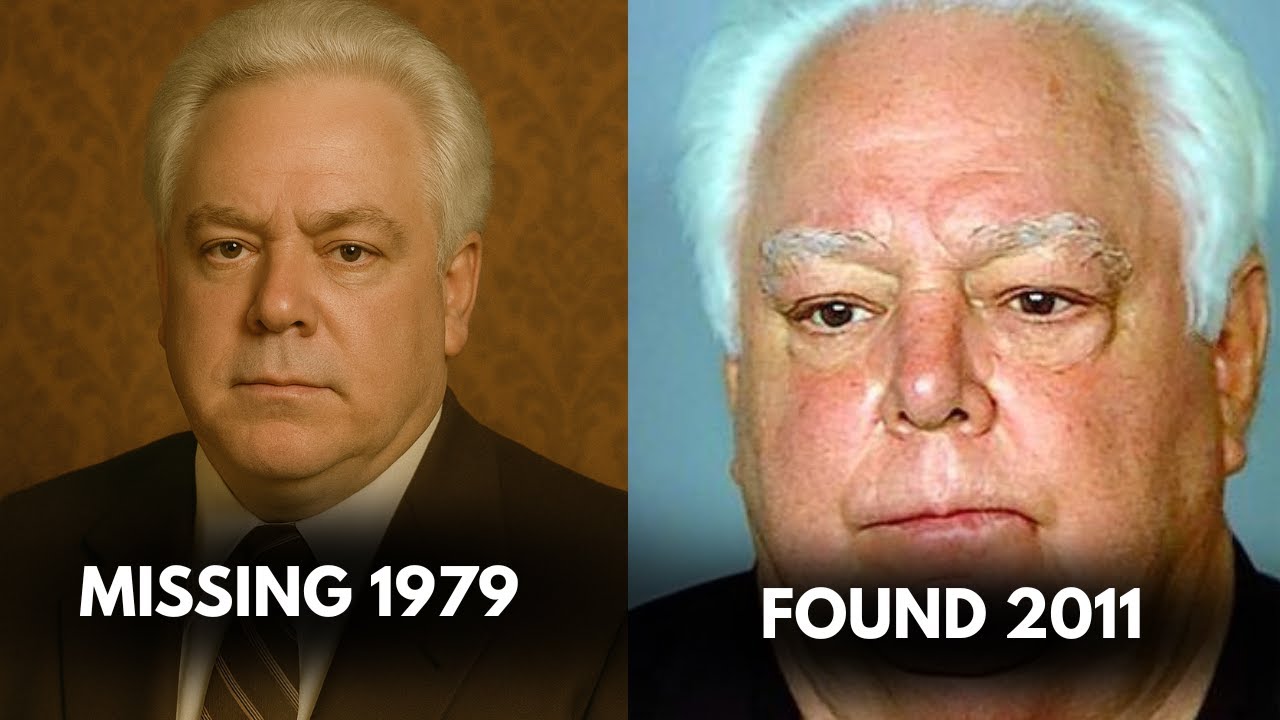
Back in 1979, investigators couldn’t find evidence of foul play. No one ever collected on his life insurance. He didn’t touch his savings. It was as if the earth had swallowed him whole.
But Arthur wasn’t in the ground. He was slipping into a new life.
Reports suggest he used fake documents to assume the identity of a real man, Joseph Richard Sandelli, a man from the East Coast who had died as a child. It was the perfect ghost. Real enough for records to pass scrutiny. Dead long enough for no one to question it.
Arthur built this identity with stunning precision. He obtained a fake social security number, a fraudulent driver’s license, and a completely new set of credentials. Over the years, he slowly reintegrated himself into society under this fabricated persona.
He moved west, working odd jobs, keeping his head down, never drawing too much attention. By the time he landed in Las Vegas, the Sandelli identity was second nature. He had been Joseph longer than he had ever been Arthur.
For over 30 years, no one recognized him. Not co-workers. Not locals. Not even during brief run-ins with law enforcement. He was invisible, a man hiding in full view.
In 2011, everything unraveled. All because of one thing: routine government verification.
The Social Security Administration, as part of a national audit, began cross-referencing ID numbers with death records. Something wasn’t adding up with Joseph Sandelli’s file. A man declared dead decades earlier was now filing taxes, collecting paychecks, and clocking in every day at a casino.
Red flags exploded. Federal investigators began pulling records, DMV photos, employment data, everything. What they discovered stunned them. Joseph Sandelli was a lie.
When they knocked on the door of his modest Las Vegas home, the man who answered wasn’t confused. He wasn’t shocked. He knew it was over.
Arthur didn’t run. He didn’t slam the door. He didn’t even flinch. He opened the door calmly and stood face-to-face with federal agents.
“Are you Joseph Richard Sandelli?” they asked.
He hesitated for just a heartbeat. Then came a sigh, the kind that carries three decades of buried truth.
“No,” he said. “I’m Arthur Jones.”
Just like that, the lie unraveled. For 32 years, Arthur had built his life like a house of cards. Every document, every paycheck, every small interaction carefully stacked. With that one admission, it all came tumbling down.

The agents were stunned. This wasn’t a hardened fugitive. There were no guns, no escape plans, no shredded files in the fireplace. Just a tired older man, thinner and grayer, but still carrying the sharp eyes of the broker he once was.
As the story broke, headlines exploded. “Missing man declared dead found living under alias in Las Vegas casino.” “Chicago broker vanished in 1979, found alive after 32 years.”
For the public, it was baffling. For his family, it was devastating.
His ex-wife, Joanne, had long believed he was dead. She had grieved. She had buried his memory. She raised their children alone. In her mind, Arthur was a victim taken by some cruel twist of fate.
But now, in a crueler twist, she learned he had simply walked away. No phone call. No letter. No explanation. Just a clean cut from the life he once knew.
When Joanne was interviewed after the discovery, her words cut deep. She said, “He let us believe he was dead. He made us suffer that pain. I don’t think I’ll ever forgive him for that.”
The children, now grown, were silent at first. What could they even say? Their father wasn’t murdered. He wasn’t abducted. He wasn’t in witness protection. He had chosen to vanish.
So why did he do it?
Arthur later claimed he fled due to mental pressure and financial ruin. He said the stress of mounting debts and possible threats from the mob due to his gambling left him feeling cornered. Disappearing was the only way out.
But was it cowardice or survival? That’s a question still debated.
What is known is this: Arthur didn’t fake his death for millions. He didn’t vanish for political asylum or espionage. He lived modestly and worked quietly. He existed in the margins.
That makes the question even more disturbing. Why did he abandon everyone who loved him? And even more chilling, why did he never look back?
Arthur Jones, once thought to be lost to the shadows of Chicago’s underworld, was now standing under the fluorescent lights of a Las Vegas interrogation room. He admitted to fabricating his identity. He admitted to vanishing on purpose.
But when it came to the why, he remained cryptic. He told investigators he left because he couldn’t handle the stress. Financial debt. Pressure from the trading floor. Rumors of gambling losses. Some reports even suggested links to organized crime, though no hard evidence ever surfaced.
Even so, 32 years had passed. He hadn’t contacted his wife or his children. No postcards. No anonymous letters. Nothing.
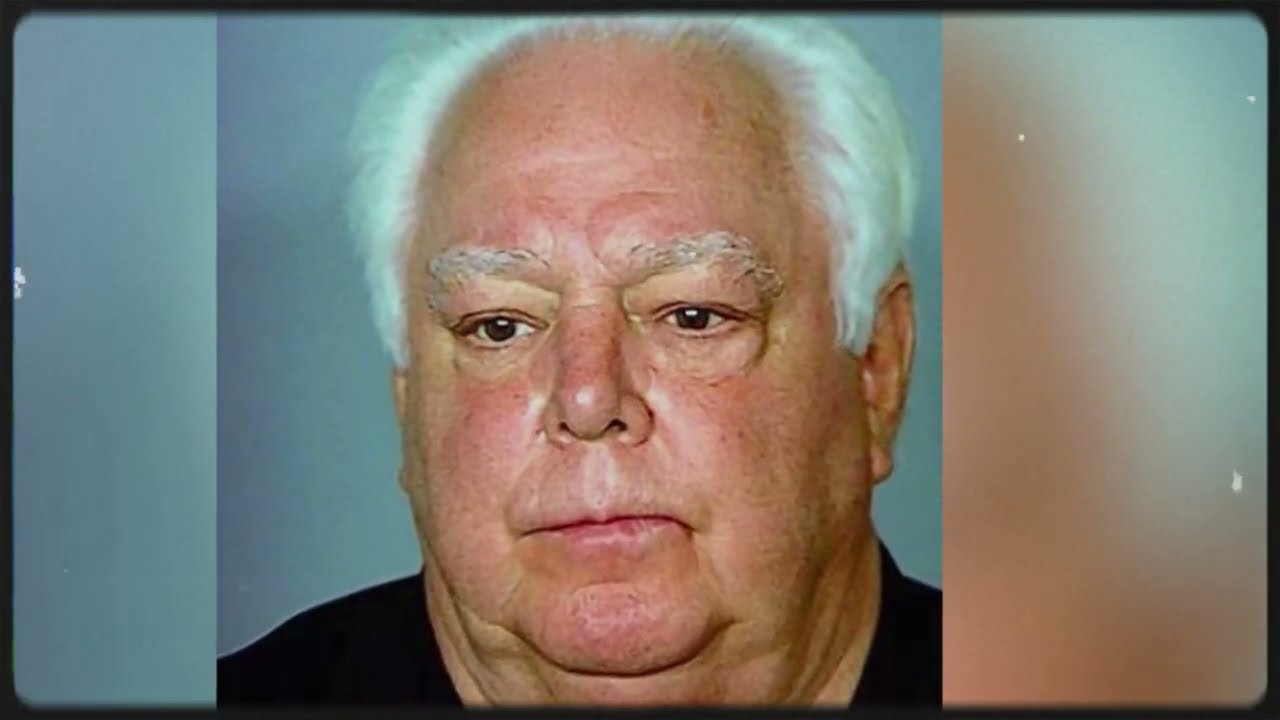
Authorities quickly realized Jones hadn’t committed a violent crime. He hadn’t stolen money. He hadn’t broken into a vault or escaped prison. His greatest crime was disappearing.
He had committed identity fraud, a federal offense. He had falsified social security documents and employment records. Those charges did carry penalties.
But when they looked at the bigger picture, they found themselves in an uncomfortable place. He hadn’t taken anything except a lifetime. He had stolen time from his family. He had stolen the truth from his children. And in a way, he had stolen his own identity, living as a ghost of the man he once was.
Back in Chicago, the news spread fast. The media camped outside his old neighborhood. Some neighbors said they were shocked. Others, not so much.
“He always seemed like the type to crack under pressure,” one former co-worker said. “He was obsessed with the markets. Maybe he just lost his mind.”
But Joanne didn’t want excuses. She wanted answers. And so did his now grown children, who had lived their entire lives thinking their father had been taken from them, only to learn he had simply walked away.
What do you say to that? How do you begin a conversation that’s been silent for 32 years?
You don’t. None of them ever spoke to Arthur again. There was no reunion, no family forgiveness, no movie ending. For Joanne, it was as if he had died again, but this time by choice.
In the end, Arthur Gerald Jones wasn’t dragged away in handcuffs to serve decades behind bars. He didn’t make a televised confession. There were no high-stakes trials or dramatic courtroom revelations.
Instead, he faded back into the shadows, just as quietly as he had reappeared. He received probation for identity theft. He paid a fine. Then he walked free.
But his freedom came with a cost no court could measure. He became a symbol of a truth no one wants to admit: sometimes people disappear not because they are taken, but because they choose to leave.
Arthur Jones left behind a family, a legacy, and a name. He became Joseph Sandelli, a man who never truly existed. He faked death not for money, not for fame, but for the one thing he believed he couldn’t find in his real life: peace.
But can peace ever come at the cost of someone else’s torment?
To this day, his family never reconnected. His children never forgave. His ex-wife never spoke to him again. Perhaps that is the true punishment: to be found and still be completely alone.
Arthur Jones wasn’t a killer, but his disappearance was its own kind of violence. It left wounds far deeper than any physical crime.
As his story fades from the headlines, one lingering question remains. How many more Arthur Joneses are out there, living under new names with old secrets, walking beside us unnoticed?
Disappearances don’t always end in tragedy, but they always leave echoes. Sometimes the scariest truth isn’t that someone died. It’s that they left and chose never to come back.