Jacqueline Kennedy Onassis remains one of the most studied figures in American history, but a new biography is shedding light on a deeply personal and painful chapter of her life: her lifelong rivalry with her younger sister, Lee Radziwill.
In the book *Jackie, Janet and Lee*, bestselling biographer J. Randy Taraborrelli examines the complicated bond between the two sisters. The relationship, he says, was marked by intense competition that was sparked and fueled by their controlling mother, Janet.
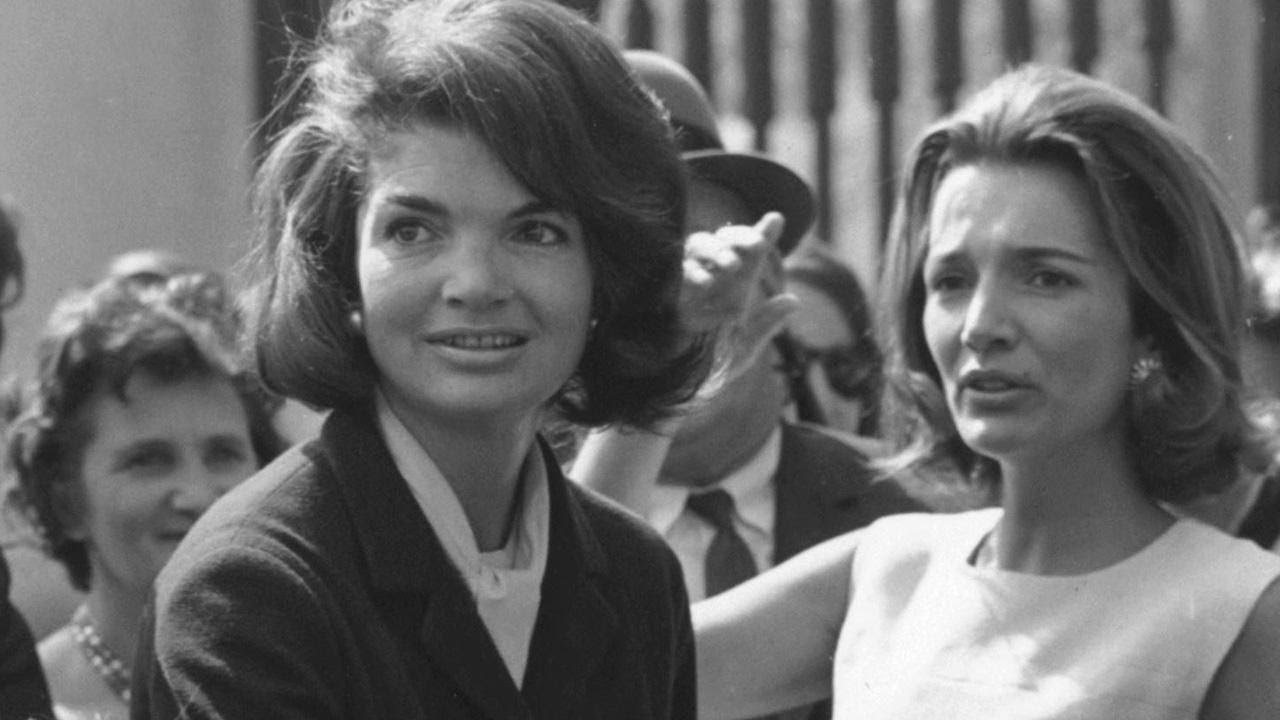
According to Taraborrelli, Janet explicitly warned her daughters against competing with one another. However, her actions told a different story. After delivering a lecture about sibling rivalry, Janet would often take Jackie by the hand and go shopping, leaving young Lee behind.
That dynamic followed the sisters into adulthood. While Jackie was in the White House, Taraborrelli reports that Lee, who was married at the time, had an affair with Greek shipping tycoon Aristotle Onassis. The situation took a dramatic turn after President John F. Kennedy’s assassination, when Onassis shifted his attention to the more famous and now widowed Jackie.

Their mother reportedly disapproved of the match. Janet understood how competitive her daughters were and feared that Onassis would drive a wedge between them. According to Taraborrelli, that is exactly what happened.
The book also details the profound trauma Jackie experienced following the assassination of her husband. Taraborrelli says Jackie told her sister that she wanted to take as many pills as she could and wash them down with vodka. He notes that Jackie likely suffered from PTSD and never fully recovered from the tragedy.

Jackie married Onassis in 1968 and became known to the world as Jackie O. But the marriage did not heal the family fractures. When Jackie returned from her honeymoon, her mother made her displeasure painfully clear. Taraborrelli reports that Janet slapped Jackie, using the same gesture she had used when Jackie was a child.
The sisters’ rocky relationship was never fully repaired. There were periods when they had no communication at all. When Jackie was diagnosed with cancer in January, her life was cut short by May, leaving little time for a meaningful reconciliation.
The story of Jackie and Lee is one of glamour, grief, and a complicated family legacy. Taraborrelli’s book offers a closer look at how the shadow of their mother and the weight of history shaped the bond between two of the most talked-about sisters of the twentieth century.